GRIP LibraryMarkets and cities
A GRIP Global Perspectives Special Edition
Japan: The World Rediscovers an Island Nation
Tourism, economy, real estate, cities, international education and family life — a research-led examination of Japan at a moment of renewed global attention.
GRIP Global Perspectives Special Edition6 November 202625 min readJapan
Final revised edition. Research cutoff: 4 November 2026. The final revised article is reproduced from the conversation. Appendix access statements describe the earlier editorial review; PDF production is formatting, not an additional source audit or extension of the cutoff.
42 sources. Statistical checks, corrections, claims not independently verified in full, and methodological limits are in the research appendix.
The Boom Has Entered A More Interesting Phase
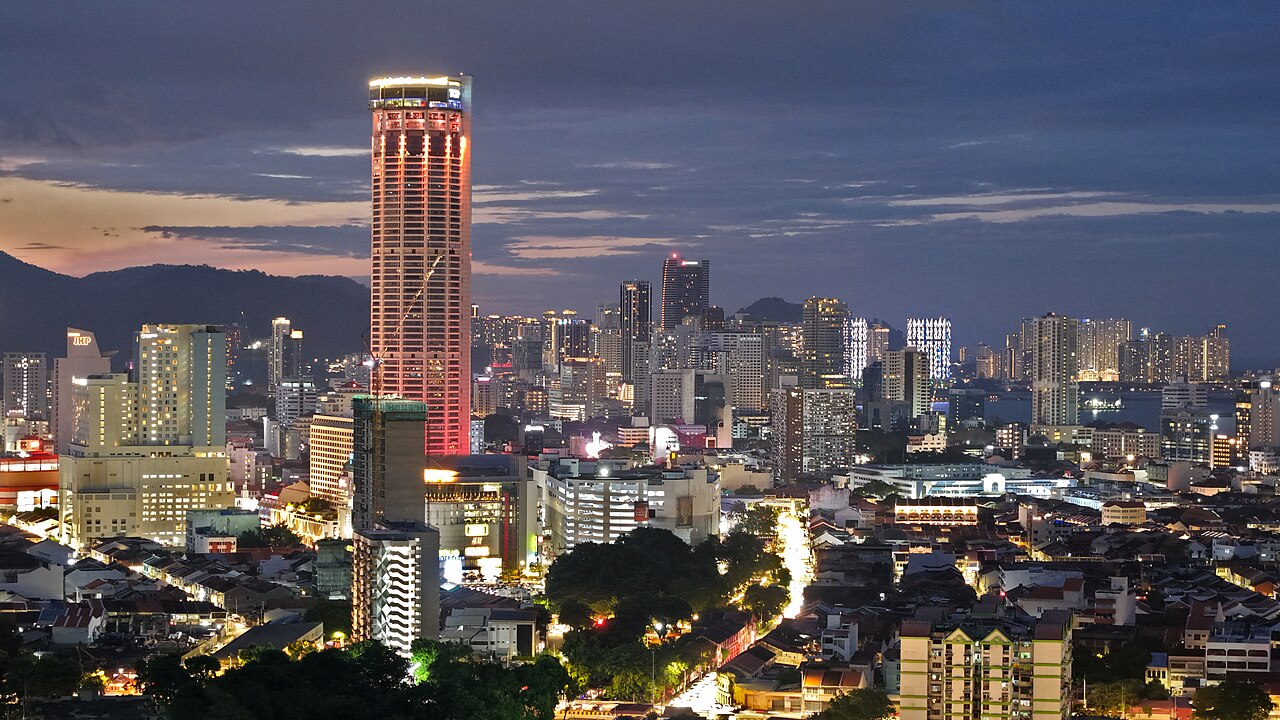
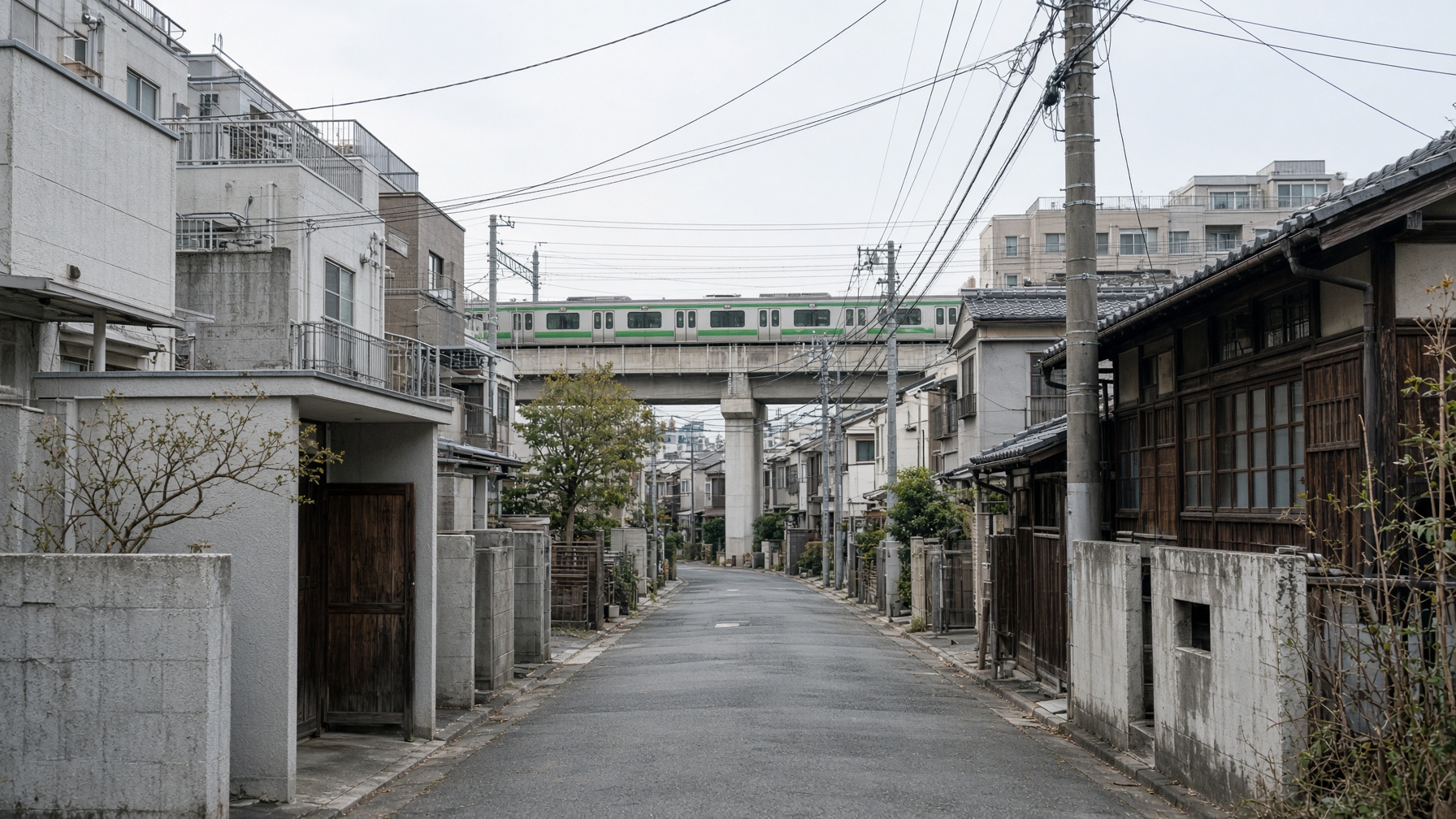
Japan received 42.7 million international visitors in 2025, more than twice its 2015 total. Yet the latest figures complicate the familiar story of an unstoppable tourism boom. In the first nine months of 2026, arrivals fell 2.9% from a year earlier to 30.7 million. During the July–September quarter, however, international visitor spending rose 3.2%.
Fewer arrivals, more expenditure: the distinction is an appropriate starting point for understanding contemporary Japan. The same-quarter comparison reinforces it: arrivals declined 4.8% in July–September, while spending increased.
The country has become internationally desirable at a moment when desirability and domestic prosperity do not always move together. Foreign visitors discover unusually good value in restaurants and shops. Japanese households confront higher food and energy bills. International capital pursues central-city buildings while rural municipalities struggle with unwanted houses. Universities recruit more overseas students as the domestic population contracts.
These are not separate stories. They describe an economy learning to earn more from assets accumulated over generations: transport networks, industrial knowledge, universities, urban density, cultural institutions and public trust.
Japan’s attraction is therefore more substantial than a favourable exchange rate, but less straightforward than its international image suggests. Its opportunity lies in converting admiration into productive activity, durable relationships and better living standards—not simply increasing the number of people passing through.
The Long Making Of A Tourism Power
Japan’s tourism expansion began well before the pandemic. International arrivals rose from 19.7 million in 2015 to 24.0 million in 2016, 28.7 million in 2017, 31.2 million in 2018 and 31.9 million in 2019.
That progression reflected deliberate policy and changing regional circumstances: visa liberalisation for selected markets, low-cost airline expansion, growing Asian middle-class travel, improved international marketing and investment in accommodation and visitor services. Japan was becoming easier to reach and navigate before it became an especially inexpensive destination for many foreign travellers.
The pandemic interrupted rather than created this trajectory. Arrivals collapsed to 4.1 million in 2020, approximately 246,000 in 2021 and 3.8 million in 2022. Reopening brought 25.1 million visitors in 2023, followed by 36.9 million in 2024 and a definitive 42,683,301 in 2025.
These are visitor arrivals, not a count of unique holidaymakers. JNTO’s series includes business and other qualifying entries as well as tourism, including students and some expatriates and family members. Repeat journeys count repeatedly. Even its narrower “tourism” classification includes visits to relatives and friends.
The 2026 slowdown demonstrates the importance of origin markets. JNTO’s preliminary January–September figures show South Korean arrivals reaching 8.3 million and Taiwanese arrivals approaching 6.0 million, both substantially above their year-earlier levels. Chinese arrivals, by contrast, fell 55.5% to 3.3 million. American arrivals increased more modestly to 2.5 million.
Japan’s international reach has broadened, but its visitor economy remains exposed to regional politics, airline capacity and the behaviour of a few large markets. The contraction in Chinese travel cannot be interpreted as a general collapse in global interest.
Spending tells another story. The Japan Tourism Agency’s final 2025 estimate put inbound expenditure at ¥9.45 trillion, compared with ¥8.13 trillion in 2024. Its first preliminary estimate for July–September 2026 was ¥2.21 trillion. Average expenditure by general visitors—its category excluding cruise visitors—reached approximately ¥234,000, up 6.1% year on year.
These are nominal figures. Higher prices can increase expenditure without producing equivalent improvements in service volumes, business margins or visitors’ experience. Spending also depends on length of stay, accommodation choices and the mix of origin markets.
Nor does rising expenditure necessarily mean longer journeys. In the third quarter of 2026, general visitors’ average stay shortened to 10.3 nights, from 11.5 a year earlier, even as their expenditure per trip increased. The changing composition of visitors matters as much as the headline total.
The weak yen has nevertheless mattered enormously. It changes the international price of meals, shopping, hotel rooms and property without necessarily changing their underlying quality. The IMF calculated that Japan’s real effective exchange rate at the end of 2025 was roughly a quarter below its 2021 average.
But exchange rates amplify attractions; they do not manufacture them.
Japan offers an unusually extensive catalogue of reasons to return. A first journey may follow Tokyo, Kyoto and Osaka. Subsequent visits can centre on regional food, skiing, contemporary architecture, pilgrimage routes, ceramics, gardens, islands or the settings of films and animation. Anime and gaming create familiarity before arrival; railways and dependable everyday services make independent exploration practical afterwards.
Social media shortens the distance between an obscure location and a global audience. It also concentrates demand. A photogenic crossing, shopping street or mountain viewpoint can receive more attention than its physical capacity warrants.
Kyoto’s crowded buses and historic districts illustrate the problem. So do heavily visited parts of Tokyo and Osaka, and the environmental and safety pressures around Mount Fuji. Official measures increasingly concern visitor conduct, congestion management, transport arrangements and protection of residential life, rather than promotion alone.
Tourism supports accommodation, restaurants, retail, guides, transport operators and regional producers. Spending can circulate beyond the hotel through laundries, farms, construction and maintenance. Yet gross receipts are not the same as domestic value added, and employment gains are constrained when businesses cannot recruit staff.
A sustainable tourism economy must earn more without making places less liveable. Under a stronger yen, some shopping-led demand would weaken; longer-stay cultural, educational and specialist travel might prove more resilient. Under a global recession, even committed visitors would shorten trips or trade down. Japan has durable appeal, not immunity from the business cycle.
An Economy Leaving Deflation, Not Its Difficulties
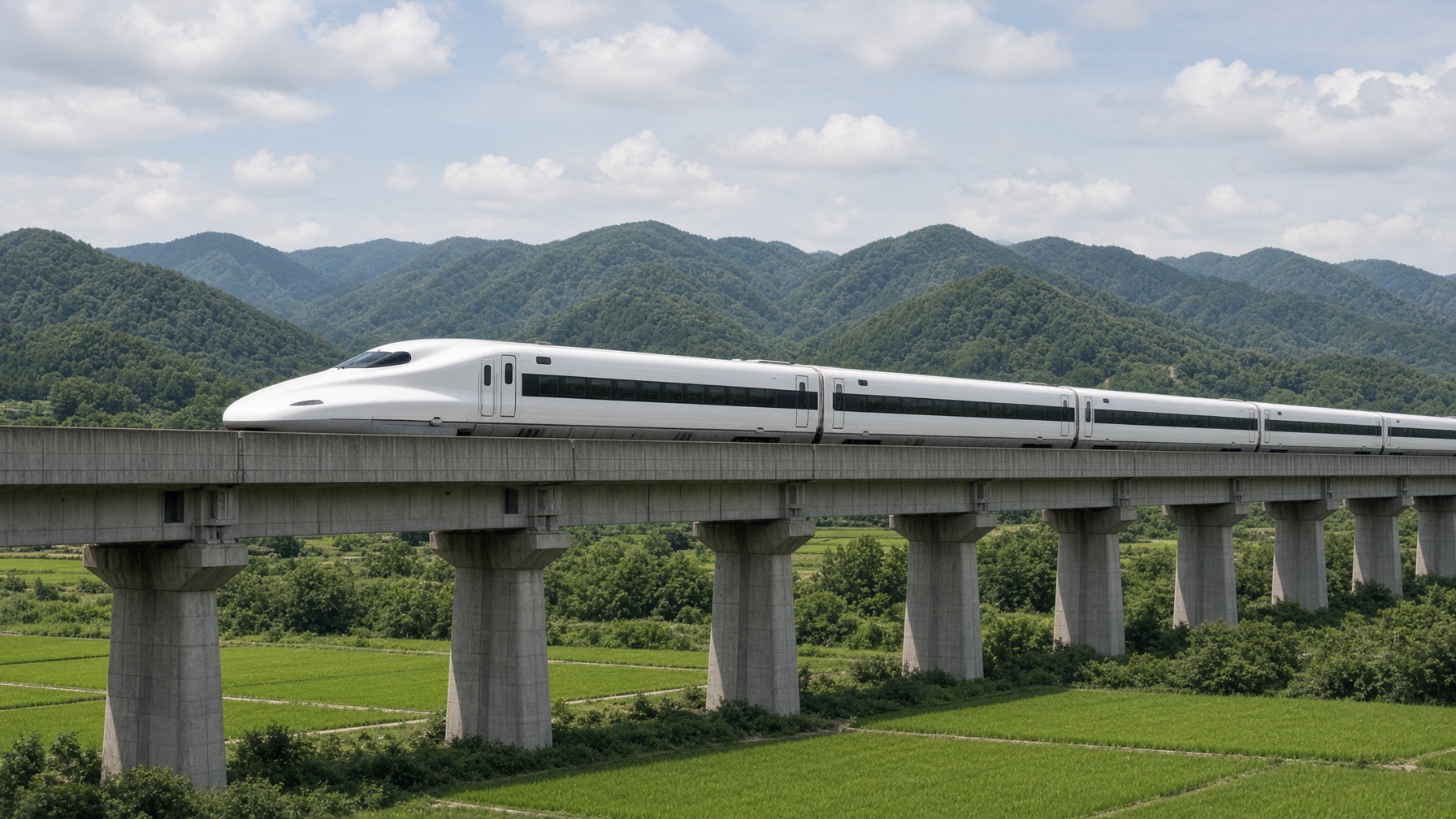
Tourism’s visibility can obscure the scale of the wider economy. Japan remains a major manufacturing, financial and technological power. Its economic problem is not an absence of valuable activity, but difficulty translating that strength into sufficiently rapid productivity growth and widely shared improvements in purchasing power.
The Cabinet Office’s September 2026 release estimated calendar-year real GDP growth of 1.2% in 2025. In April–June 2026, real output increased 0.4% quarter on quarter, seasonally adjusted; nominal output rose 1.3%. The difference matters: expanding money values do not necessarily mean proportionately more goods and services.
The same release put nominal growth in fiscal 2025 at 4.3%, against real growth of 0.9%. Japan is no longer adequately described through the old assumption that prices barely move.
For international comparison, the IMF’s April 2026 country report recorded 2024 nominal GDP at approximately US$4.19 trillion and GDP per capita at US$33,820. Such dollar measures are sensitive to currency movements. They should not be mistaken for a direct assessment of domestic living conditions, nor presented as 2026 outcomes.
Population decline also complicates interpretation. Output per person can improve even when aggregate growth is weak. Conversely, a shrinking population does not automatically make a society richer: maintaining transport, hospitals, utilities and public finances becomes harder when fewer workers support a geographically dispersed system.
Japan’s monetary transition is consequential. The Bank of Japan ended negative interest rates and yield-curve control in March 2024. Its 30 October 2026 decision maintained an operating guideline targeting the uncollateralised overnight call rate at around 1.25%.
That changes the arithmetic of mortgages, development finance, government borrowing and institutional property investment. A market accustomed to exceptionally cheap money must increasingly justify prices through income growth rather than financing conditions.
The BOJ’s October outlook forecast real growth of 0.7% in fiscal 2026 and 0.7% in fiscal 2027. These are projections, not completed-year results. Its forecast for consumer inflation excluding fresh food was 2.5% in fiscal 2026.
Higher wages are part of the adjustment, but their distribution matters. Large employers’ negotiated increases do not describe every small business, temporary worker or pensioner. Households experience inflation through frequently purchased necessities; strong corporate earnings do not neutralise a more expensive grocery basket.
The OECD’s 2026 assessment identifies low hourly productivity, weak business dynamism and barriers to competition and business expansion as persistent obstacles. Highly efficient factories coexist with less productive service businesses. Sophisticated engineering can coexist with cumbersome administrative practices because technological excellence is concentrated rather than universal.
Japan retains strengths in automobiles, industrial robotics, precision machinery, electronic components and advanced materials. Its position is often strongest inside supply chains rather than on the consumer-facing label. Semiconductor equipment, specialist chemicals and production know-how make the country relevant to global technological investment even where it no longer dominates finished electronics.
Semiconductor policy seeks to deepen that position. TSMC-related investment in Kumamoto and Rapidus in Hokkaido represent different industrial propositions: established production capabilities in one case, a more demanding technological and commercial development challenge in the other. Public support can accelerate investment, but does not eliminate execution risk or guarantee commercially competitive output.
Energy remains a vulnerability. Imported fuels expose firms and households to international prices and currency depreciation. The BOJ’s October outlook explicitly identified energy and raw-material costs as constraints on real income and growth.
Government debt requires similar precision. Predominantly yen-denominated obligations, deep domestic financial markets and substantial public financial assets distinguish Japan from a foreign-currency sovereign debt crisis. They do not make servicing costs irrelevant as rates rise, or remove the expenditure pressures associated with ageing.
Corporate governance reforms and pressure for better capital allocation have strengthened the investment case for listed companies. But equity-market performance measures the valuation of corporate claims, including earnings generated overseas. It is not a household welfare index.
Labour shortages connect these issues. More women and older people have entered employment; foreign workers have become more important; automation offers additional capacity. None is a complete substitute for better management, job mobility, skills and more productive investment.
Property: A Country Of Different Markets
These economic adjustments become tangible in property, where international purchasing power meets local incomes, construction costs and the geography of employment.
Japan’s property market cannot be read from a photograph of a Tokyo tower—or an advertisement for a nearly free village house.
The September 2026 prefectural land survey, measuring values as of 1 July, recorded average annual increases of 1.0% for residential land and 2.9% for commercial land nationally. Within the Tokyo metropolitan area, the corresponding increases were 4.0% and 8.9%. Osaka metropolitan figures were 2.3% and 6.8%; Nagoya’s were 1.5% and 2.7%.
Outside the three major metropolitan areas, residential land rose just 0.1%. Within that broad regional category, Sapporo, Sendai, Hiroshima and Fukuoka together recorded a 2.9% increase, while the remaining areas were flat on average.
These are appraisal-based changes at surveyed land sites, not returns on completed buildings and not a nationwide house-price index. Their strongest message is geographical divergence.
Even within metropolitan markets, recent evidence is not uniformly bullish. REINS figures reported by the specialist publication Nikkan Fudosan Keizai Tsushin put Greater Tokyo resale-condominium transactions at 10,275 in July–September 2026, down 14.4% year on year. The reported average completed-transaction price per square metre fell 3.3% to ¥823,300.
That covers the broad Greater Tokyo resale market—not prime central Tokyo, not new apartments and not a constant-quality index. Tokyo’s 23 wards still recorded a small year-on-year increase in price per square metre. A reduced share of transactions in those more expensive districts helped depress the wider average.
The evidence therefore suggests weaker transaction activity and a changing sales mix, not a uniform metropolitan price reversal.
Prime Tokyo housing draws demand from wealthy domestic households, internationally mobile buyers and purchasers seeking access to central employment and services. The wider metropolitan market depends much more on local salaries, household formation, commuting times and mortgage affordability.
Regional university and employment centres operate differently. A hospital, research campus or industrial cluster can sustain a particular rental catchment even when the surrounding prefecture loses population. But student accommodation depends on enrolment, campus location, dormitory provision and turnover; employer-linked housing depends on the durability of that employer’s activity.
Hospitality property faces a third set of drivers: visitor nights, achievable room rates, air access, staffing, competition and operating permissions. A visitor’s willingness to spend more on a short stay is not evidence that a local household can afford a higher monthly rent.
New condominiums face elevated land, construction and labour costs. Older apartments may offer a lower entry price but bring questions about repair reserves, management associations, major works and eventual rebuilding. A low monthly maintenance charge is not necessarily good news if the building is underfunded.
Detached houses separate the land proposition more visibly from the structure. Japanese valuation and lending practices have historically assigned substantial age-related depreciation to buildings, especially conventional wooden houses. Accounting or tax depreciation is not the same as physical lifespan, and no universal anniversary makes every house economically worthless. Condition, seismic performance, location and renovation quality still matter.
Condominium buyers acquire an interest in a collective building and its governance. Detached-house buyers assume more direct responsibility for roofs, drainage, foundations and external maintenance. Neither category is automatically superior.
Commercial markets provide another distinction. CBRE reported Tokyo all-grade office vacancy of 1.3% in the third quarter of 2026, with Grade A vacancy at 0.6%. Osaka’s all-grade vacancy was 2.0%. These are the firm’s defined office-market samples, not vacancy rates for all commercial space.
Demand for better buildings can support prime rents while leaving obsolete premises exposed. Institutional capital’s enthusiasm is therefore compatible with deterioration elsewhere.
CBRE recorded ¥2.21 trillion of commercial property investment in the third quarter of 2026. Transaction volume indicates liquidity and capital deployment, not future returns. Listed J-REITs offer diversified exposure and professional management, but remain sensitive to financing costs, asset valuations, equity-market pricing and sector concentration.
Hotels require particularly careful underwriting. Higher room rates can improve revenue while payroll, utilities, distribution charges and renovation costs rise. A successful destination does not guarantee a successful hotel, and an attractive hotel is not necessarily attractively priced.
There is no useful single “Japanese rental yield”. Gross advertised yields exclude vacancy, management, repairs, taxes and capital expenditure. Comparisons must specify property type, location, building age, lease structure and whether income is achieved or assumed.
The Cheap-House Fallacy
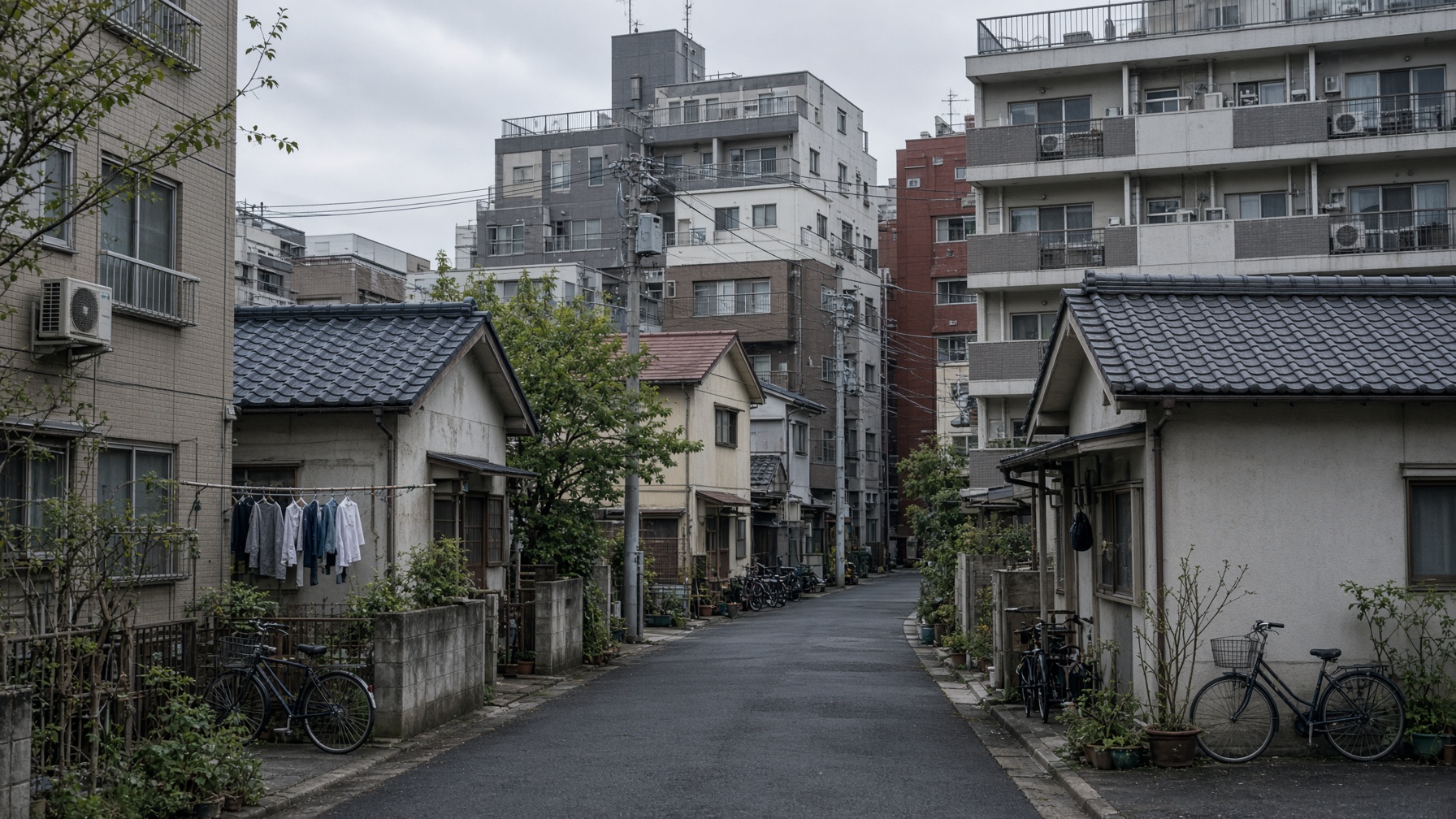
Japan’s 2023 Housing and Land Survey counted approximately 9.0 million vacant dwellings, or 13.8% of the housing stock. That is not a count of abandoned countryside houses available for foreign purchase.
The category includes properties offered for rent or sale, second homes and other unoccupied dwellings. Indeed, the survey’s housing definition excludes outright derelict structures. The akiya problem is real, but the headline total is frequently misrepresented.
A very cheap house can be expensive to own. Title complications, access rights, damaged roofs, termites, outdated plumbing, seismic deficiencies and disposal costs can exceed the purchase price. Some buildings occupy sites with restricted rebuilding possibilities. Others stand where rental demand and resale liquidity are exceptionally limited.
Renovation also requires contractors—precisely the resource that many ageing regions lack. Municipal grants and akiya-bank listings may help, but eligibility conditions can favour permanent occupation rather than absentee investment.
Foreigners can generally acquire Japanese land and buildings, including freehold interests. Ownership, however, is separate from immigration permission. Buying a home does not automatically confer residency, a work entitlement, permanent residence or citizenship.
Administrative oversight has tightened. Since April 2026, non-residents acquiring ownership of Japanese property have been required to report the acquisition even when it is for their own residence. The Ministry of Finance’s framework distinguishes ownership from certain property-related rights, for which specified exemptions remain. The relevant acquisition report goes through the BOJ within 20 days.
This is a residence-based foreign-exchange reporting requirement, not simply a rule applying to every foreign national. It does not amount to a general prohibition on foreign ownership.
Agricultural land, forest land, large transactions and designated security-sensitive areas can involve additional rules. “Foreigners can buy” is therefore the beginning of due diligence, not its conclusion.
Acquisition costs include brokerage, registration-related expenses, acquisition tax, applicable stamp duty and professional fees. Recurring liabilities include fixed-asset and potentially city-planning taxes, insurance, management and repairs. Brokerage ceilings are regulated, with special arrangements for low-value properties; a universal percentage estimate can mislead.
Foreign residents with stable Japanese income and an established credit profile may obtain financing more readily than overseas purchasers. Non-residents should not assume access to domestic household mortgage terms. Bank policies, documentation, equity requirements and permitted uses differ.
Earthquake resilience, flood exposure, landslide risk and coastal hazards require address-level assessment. The distinction between older and newer seismic standards is a screening tool, not a substitute for an inspection. Insurance terms, exclusions and available earthquake coverage also matter.
Finally, a yen-denominated gain may disappear when translated into the investor’s home currency. A property can have straightforward ownership arrangements yet remain commercially illiquid. Capital preservation depends on an eventual buyer as well as sound conveyancing.
Ten Cities, Different Propositions
The useful map of Japan is not a division between an expensive capital and a cheap remainder. It is a network of places with different employers, institutions, visitor flows and household needs.
Tokyo is Japan’s deepest employment, financial and university market. Its attraction is less a single skyline than a collection of connected neighbourhood economies. Central offices, established residential districts and outer commuter municipalities serve different budgets and users. International accessibility, specialist services and university choice are substantial advantages. Family-sized housing, school access and commuting can be substantial costs. For businesses, metropolitan depth brings customers and talent, but also competition and expensive premises.
Yokohama offers a different relationship with the same metropolitan economy. Its port, waterfront business districts and international history give it an identity beyond that of a Tokyo dormitory. It can suit families retaining access to metropolitan employment, while its commercial demand also reflects its own corporate and logistics functions. Students and residents need to distinguish an attractive waterfront address from the actual location of a campus or workplace. The decisive trade-off is the journey, not the distance on a map.
Osaka combines a working commercial economy, manufacturing networks and substantial visitor demand. Kansai International Airport and regional rail connections support hospitality and the wider Kansai university system. Redevelopment around major commercial districts can improve office quality and connectivity; it does not imply universal appreciation across the prefecture. Tourism-facing businesses gain access to international customers, but compete for staff and space. Expatriate families and students benefit from the broader Osaka–Kyoto–Kobe network rather than Osaka alone.
Kyoto’s international reputation rests on cultural concentration, but its universities and research institutions are equally important to its future. Academic, residential and hospitality users compete within a city where preservation limits what can be changed. Heritage buildings can have enduring appeal while imposing expensive restrictions on alteration and use. For students, Kyoto offers an unusually dense intellectual environment; for families and visitor businesses, congestion and neighbourhood compatibility are practical constraints. Its long-term challenge is to preserve a functioning city, not merely a cultural setting.
Nagoya is more closely tied to industrial Japan. The surrounding automotive and machinery economy supports technical employment, suppliers and business services. Housing and commercial demand therefore depend more on local earnings and industrial competitiveness than on international leisure travel. Nagoya University adds a research anchor, while Chubu’s international airport provides access. It is particularly relevant to engineers and industrial researchers; Japanese ability and the geography of dispersed workplaces can matter more than the attractions of a central-city address.
Fukuoka combines regional headquarters, Asian connections, universities and a municipal commitment to entrepreneurship. Its special-zone policies and Tenjin redevelopment reflect an effort to deepen its economic role. The relatively compact urban core can appeal to residents, but Kyushu University’s Ito Campus lies outside that core: student location choices require care. Founder support can ease introductions and administration; it does not remove national immigration requirements or establish commercial demand. Development success also creates affordability pressures rather than eliminating them.
Sapporo is a regional capital, university city and gateway to Hokkaido’s visitor economy. Hokkaido University provides an academic base independent of leisure travel. Offices and urban housing serve the regional economy, whereas resort property depends on a different, often international and seasonal, customer base. Winter is an economic asset and an operating expense: heating, snow clearance and seasonal accessibility affect household and business budgets. Semiconductor investment elsewhere in Hokkaido should not be treated as proof of demand at every Sapporo address.
Hiroshima combines manufacturing, regional services and a global historical significance that shapes its civic identity. Tourism-related businesses can draw on that cultural importance, while ordinary residential and commercial property remains linked to employers and local services. It offers urban infrastructure without Tokyo’s scale, but a narrower range of specialised international employment. Students must examine campus geography: Hiroshima University’s principal Higashi-Hiroshima campus is not in central Hiroshima city. That distinction also separates student-rental catchments from the city’s visitor economy.
Sendai anchors Tohoku through regional services, transport and Tohoku University. Its academic and business functions can sustain selected neighbourhoods despite demographic weakness elsewhere in the region. Research-oriented students and university-linked businesses have reasons to locate there that do not depend on large tourist volumes. For expatriate families, the trade-off is a smaller employment and international-services ecosystem rather than simply lower housing expenditure. Earthquake preparedness remains part of institutional and property planning.
Naha belongs to a different geographical system. Okinawa’s island economy, Ryukyuan cultural inheritance and reliance on air connections distinguish it from mainland regional cities. Tourism supports businesses and accommodation demand but also competes with residents for land and housing. Typhoons, coastal exposure and maintenance conditions complicate ownership, while car dependence becomes more important outside the urban core. The University of the Ryukyus is outside central Naha; Okinawa’s educational geography is not identical to its tourism geography. For long-term residents, island lifestyle must be weighed against employment breadth, schooling and connectivity.
Across these cities, regional revitalisation is most credible where institutions, employers and accessible neighbourhoods reinforce one another. A development announcement alone is not a substitute for that combination.
Why Admiration Becomes Repeat Visits
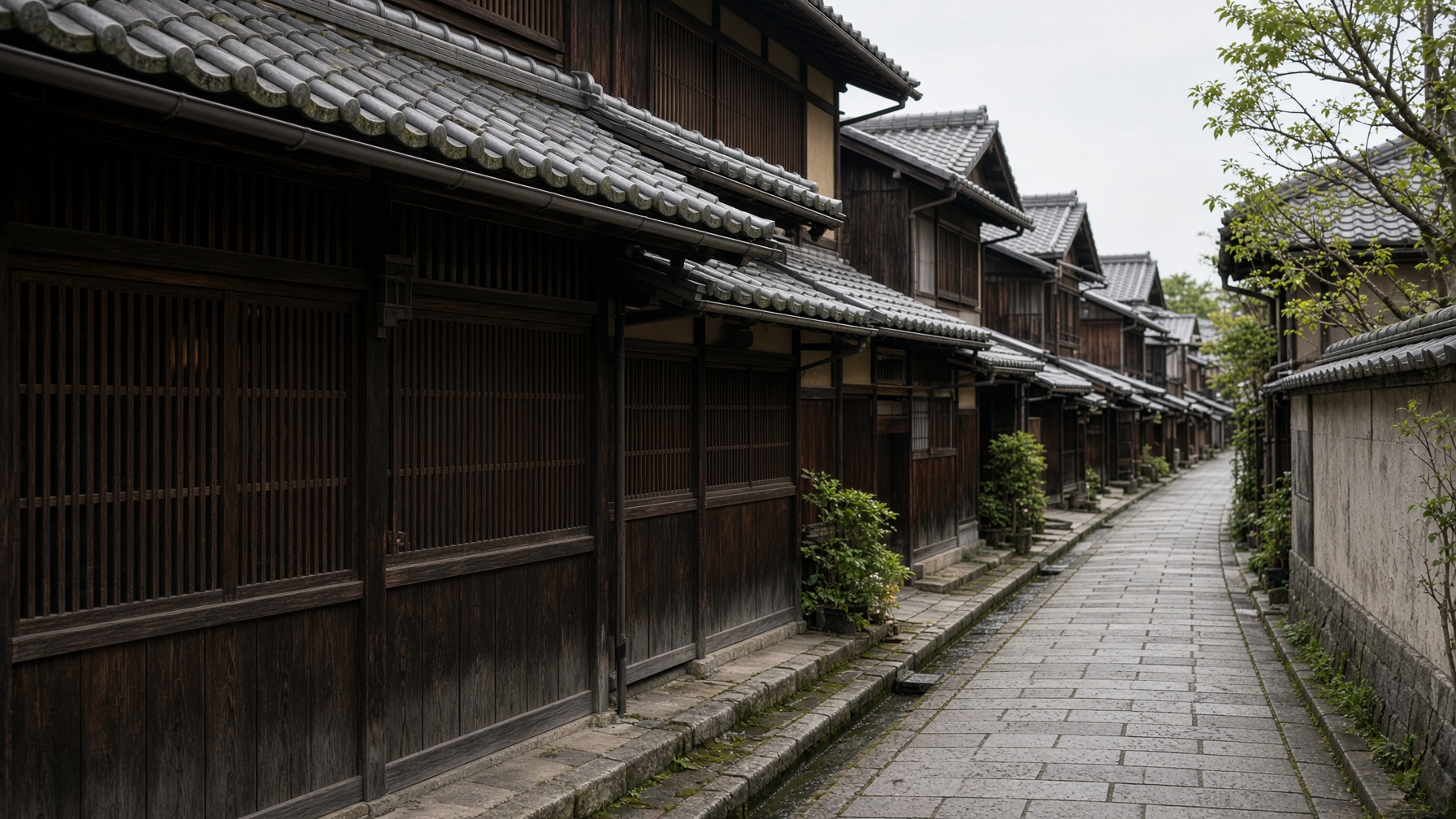
Japan’s strongest attraction may be the predictability of ordinary life.
For many visitors, confidence in transport, shops, accommodation and public behaviour reduces the friction of travel. Perceived safety allows families and independent travellers to explore with less anxiety. The appeal lies not only in exceptional experiences but in a reliable baseline.
That reliability rests on institutions, training and social expectations. Cleanliness is maintained through labour and collective behaviour, not national magic. Quiet public spaces and orderly systems can feel reassuring, but the same expectations can be difficult for newcomers who do not understand unwritten rules.
Food illustrates the relationship between excellence and accessibility. Regional cuisines, specialist restaurants, markets and everyday prepared meals support repeated exploration across budgets. Architecture offers a similar range: important public buildings sit alongside carefully designed small shops, houses and interiors.
Japan’s mountains, forests, coastlines and islands provide seasonal reasons to travel beyond the largest cities. Its cultural exports add another layer. Animation, games, cinema and fashion introduce specific tastes and places, rather than a single national brand.
Yet the visitor’s experience is selective. A holiday does not expose the full difficulty of a Japanese-language lease, workplace hierarchy, school communication or tax return. Nor does foreign-currency affordability describe the lives of residents earning local wages.
Japan is appealing partly because its systems work. Becoming a participant in those systems demands more than appreciating their outward appearance.
Education: From Cultural Interest To Institutional Commitment
Education turns that distinction into a consequential choice. A student does not simply consume Japan’s attractions; the student commits time, money and future options to its institutions.
JASSO counted 408,069 international students as of 1 May 2025, up 21.2% from 336,708 a year earlier. This is verified enrolment growth, not a survey of interest or applications.
The definition is important. The total included 92,442 university undergraduates and 60,013 graduate students, alongside 106,829 students at professional training colleges and 140,174 at Japanese-language institutes. Smaller categories complete the total.
Most of the annual increase came from language institutions and professional training colleges. University undergraduate enrolment grew 5.7% and graduate enrolment 3.1%—meaningful increases, but a different trajectory from the overall headline.
China supplied 131,097 students, Nepal 100,239 and Vietnam 43,366. Nepal’s scale demonstrates how far the market extends beyond the affluent East Asian student whose main motivation might be cultural familiarity.
Japan’s education plan set an ambition of 400,000 international students by 2033. The broad 2025 census already exceeded that numerical threshold. It does not follow that ambitions for research internationalisation, educational quality or graduate retention have been fulfilled.
National universities combine public research missions with generally lower published fees than many international alternatives. Local public universities can connect students to regional professional networks. Private universities provide another route, often with distinctive programmes and alumni connections, but costs vary widely.
The University of Tokyo offers broad research strength across engineering, science, medicine, economics and humanities. Its English-language undergraduate pathways are changing: final PEAK admissions were for autumn 2026, while its planned College of Design is scheduled to begin in September 2027. The latter remains under development, not an existing option at the research cutoff.
Kyoto University’s research appeal spans fundamental science, engineering, medicine and the humanities. Its English-taught civil engineering route differs from Kyoto iUP, which starts without requiring Japanese but moves students towards predominantly Japanese specialist study. “No Japanese required at entry” does not mean “no Japanese required for the degree”.
The University of Osaka—the institution’s current English name—offers an English-medium Human Sciences undergraduate degree. Its International Undergraduate Program in Science is different: Japanese proficiency is required at application, followed by preparatory language study and a transition towards mainly Japanese-medium specialist teaching.
Tohoku University, in Sendai, is particularly relevant to materials and engineering. Its Future Global Leadership undergraduate courses are Advanced Molecular Chemistry, International Mechanical and Aerospace Engineering, and Applied Marine Biology. These are specific English-language routes, not a description of all undergraduate provision.
Nagoya University’s G30 programmes provide full-degree English routes connected to a research environment embedded in Japan’s industrial heartland. Kyushu University offers English undergraduate study in engineering and agriculture. Hokkaido University’s Integrated Science Program offers English-medium natural-science study in Sapporo.
Waseda provides English-based options across fields including political science, economics, liberal studies and engineering. Keio’s verified English undergraduate routes include economics through PEARL and the interdisciplinary GIGA programme. Their private-university setting and costs should be assessed separately from national-university benchmarks.
Across institutions, the decisive postgraduate questions concern supervisors, laboratories, funding, thesis requirements and the availability of the intended specialism. Research in medicine or life sciences is not equivalent to qualification for clinical practice. An English-taught degree does not guarantee an English-speaking professional environment.
Costs can be competitive, but require careful budgeting. Kyoto University publishes annual tuition of ¥535,800 for regular undergraduate and most graduate study, plus a ¥282,000 admission fee and the applicable examination fee. These are Kyoto’s published charges, not a promise that every national university or programme costs the same.
JASSO’s 2026 guide reproduces a student living-cost benchmark of ¥105,000 a month nationally and approximately ¥130,000 in Tokyo, excluding study and research costs. Crucially, the benchmark comes from its 2023 survey. It is a historical planning reference, not a fresh measurement of November 2026 prices.
Accommodation deposits, guarantor charges, furnishings, travel and initial setup require additional funds. Dormitories can reduce costs but are not universally available or necessarily provided for the whole degree. Regional study may lower rent while increasing travel expenses or limiting part-time employment.
MEXT scholarships can provide substantial support, including fee coverage and stipends under the relevant scheme. JASSO programmes and university waivers offer other possibilities. Eligibility depends on the programme, nationality, academic record, nomination arrangements and available allocation; admission does not itself guarantee funding.
Japan is especially compelling for a student with a well-matched research interest, confirmed funding and a realistic language plan. An engineering or materials researcher may value a particular laboratory more than a capital-city address. A humanities student may benefit from Japanese-language access to sources and scholarly networks. A student planning a Japanese career needs to treat language acquisition and recruitment preparation as part of the educational project.
It is less convincing as a low-cost route chosen on the assumption that part-time earnings will cover everything. Students generally require separate permission for supplementary work, normally limited to 28 hours a week during term. Language-school enrolment is not a university degree, and progression into further study or suitable employment is not automatic.
Eligible graduates may pursue authorised job-hunting arrangements and subsequently change to an appropriate employment status. There is no automatic entitlement to remain permanently after graduation.
Compared with Singapore, Japan offers a geographically broader university system but a less consistently English-speaking environment. South Korea presents a closer comparison: strong industrial research and cultural appeal alongside language-dependent integration. Australia and the United Kingdom offer more extensive English-medium study environments, while selected European destinations may compete on public-university costs.
No simple price ranking survives differences in programme, housing, scholarship and immigration rules. For Southeast Asian and South Asian students, Japan’s strongest proposition is the combination of research capability, regional proximity, potentially manageable costs and access to an advanced industrial economy. Its central weakness is the gap between being welcomed into a classroom and being fully included in professional life.
Living Beyond The Visitor Economy
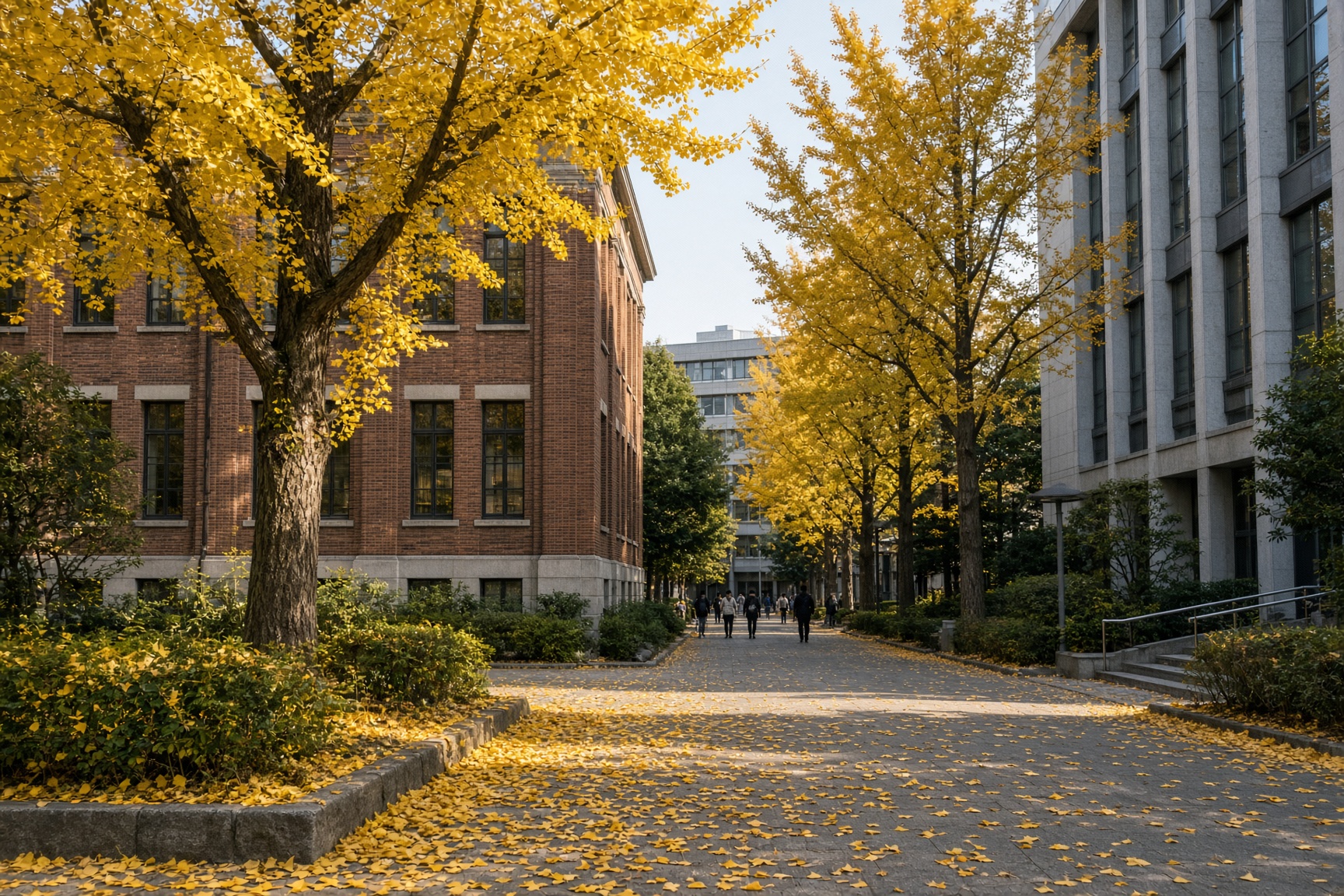
For international families, the decisive questions are similarly practical: employment, school access, housing, healthcare and the durability of immigration status.
Technology, engineering, research, international business and selected service occupations offer opportunities, but labour shortages do not mean every foreign applicant can easily find suitable work. Japanese competence affects both job choice and bargaining power. Working conditions differ sharply between employers; the familiar image of one uniform national work culture is unhelpful.
Eligible residents generally participate in public health insurance through employment or the municipal system. Short-term visitors do not acquire that entitlement simply by entering the country. Japan’s digital-nomad status is also distinct: it permits a limited stay and requires private medical insurance, rather than providing an ordinary settlement route.
Families must distinguish public schooling in Japanese from international education. School language, admissions, fees, commuting and support needs can determine location more strongly than housing price. A cheaper regional home may cease to be cheaper once specialist schooling and frequent travel are included.
Renting can involve deposits, brokerage, guarantor arrangements, insurance and renewal costs. Some households encounter reluctance from landlords. English-language services are easier to find in major metropolitan areas, but their availability should not be assumed in smaller cities.
Taxation is another boundary between holiday and residence. Employment income, overseas assets, property income and inheritance questions depend on individual circumstances, residence classifications and treaties. Property ownership is not a shortcut around these obligations.
Employment-based, family-based and highly skilled residence routes have different requirements. The ability to enter Japan, own an asset, establish a company and remain indefinitely are separate legal questions.
Long-term integration is built through workplaces, universities, schools and neighbourhood relationships. Japan can provide considerable stability, but belonging usually requires sustained language learning and participation rather than consumption alone.
The Paradox—And The Next Decade
Japan’s apparent contradictions are often different parts of the same adjustment.
Tourist crowds coexist with population decline because international demand concentrates in particular places. Expensive apartments coexist with empty houses because employment, accessibility and building quality are unevenly distributed. Globally successful corporations coexist with household pressure because profits, wages, import costs and asset ownership reach people differently.
An ageing society can need foreign workers while remaining institutionally difficult for newcomers. A technologically advanced manufacturer can retain inefficient processes elsewhere. These observations explain the economy more accurately than either celebratory exceptionalism or permanent-decline narratives.
Between 2027 and 2035, the most plausible opportunity is selective improvement rather than comprehensive revival.
Tourism could generate more value through longer stays, regional travel and better management of peak demand. Education could become a stronger bridge into research and skilled employment. Urban redevelopment could improve productive density, while some regional centres consolidate services and attract students or specialist workers.
Residential and hospitality property would benefit unevenly. Buildings serving durable local demand may prove more resilient than assets dependent on fashionable narratives or continuously rising visitor numbers.
Automation, robotics and digitalisation can relieve labour constraints, but only if smaller businesses can adopt them effectively. Semiconductor investment could deepen industrial capabilities, while overruns, weak commercial execution or inadequate energy infrastructure could reduce its benefits.
Foreign labour will remain an important part of demographic adjustment. Retention, family life and career progression may matter more than recruitment announcements.
There are clear downside scenarios: stronger global protectionism, weaker Chinese demand, energy shocks, natural disasters, construction bottlenecks and higher financing costs. A stronger yen could reduce visitor spending power while improving residents’ ability to buy imports. A weaker yen could sustain foreign demand while worsening domestic purchasing pressure.
Currency outcomes are not a national success score. Nor can any credible forecast promise that policy ambitions will overcome demographic arithmetic.
The GRIP Perspective
Income. Recurring demand is most intelligible where employment, education, healthcare and transport create a durable local user base. Tourism can add income, but introduces seasonality, operating complexity and sensitivity to external shocks.
Capital Preservation. Legal institutions, infrastructure and established urban economies support resilience. Building obsolescence, disaster exposure, maintenance obligations, financing costs and thin resale markets can undermine it. Sound ownership arrangements do not protect against declining market value.
Diversification. Japan offers a mature, institutionally developed Asian economy with its own currency and distinct industrial and demographic cycle. That is meaningfully different from exposure to faster-growing emerging markets, but not synonymous with lower risk in every asset.
Lifestyle. Greater Tokyo offers depth of employment and international services; Kansai combines commercial and academic networks; regional university cities provide different scales and costs. Climate, school access, language ability and daily journeys should determine suitability more than national rankings.
Legacy. Japan’s universities, research institutions and cultural depth can make it relevant to long-term family planning. Yet intergenerational value requires usable skills, realistic residence arrangements and assets that heirs can manage—not merely an emotionally appealing address.
The world has rediscovered Japan partly because the exchange rate made its accumulated quality easier to purchase. The more consequential discovery is that tourism, education, industry and urban life increasingly belong to the same international story.
Japan does not need to become a different country to remain compelling. It does need to make more of its strengths accessible—to residents facing higher costs, to regional communities losing people, and to foreigners willing to contribute beyond a short visit.
The test of this moment will not be how many people photograph Japan, or even how many buy a piece of it. It will be how successfully the country turns international attention into institutions, livelihoods and relationships that endure.
View / download the full PDF edition
Research appendix42 sources, statistical verification, corrections, unverified claims, and methodological limits. The text stays on this page.
“Examined” records the access disclosed in the final editorial revision, not a further audit during PDF production. Earlier background sources are distinguished from freshly examined publications. No post-4 November 2026 release is used.
Source register
1. JNTO — 2025 Visitor Arrivals by Nationality and Purpose: Definitive Figures
August 2026 publication file. Examined in final editorial revision: definitive 42,683,301 arrivals, historical tables and purpose definitions.
2. JNTO — Number of Visitor Arrivals to Japan: September 2026
21 October 2026. Examined: preliminary September/January–September 2026, definitive comparators. Includes qualifying non-leisure entries.
3. Japan Tourism Agency — Q3 2026 International Visitor Survey, First Preliminary
21 October 2026. Examined: spending, visitors and stay length. Extracted metadata title inconsistent; printed heading/date/tables identify Q3.
4. Japan Tourism Agency — Calendar-Year 2025 International Visitor Survey, Final Results
31 March 2026. Examined original annual release; replaces prior regional compilation.
5. Cabinet Office, ESRI — April–June 2026 GDP, Second Preliminary
8 September 2026. Examined quarterly/annual real and nominal tables and revision notes.
6. BOJ — Statement on Monetary Policy
30 October 2026. Examined dated confirmation of guideline around 1.25%; replaces changing homepage.
7. BOJ — October 2026 Outlook for Economic Activity and Prices, The Bank’s View
30 October 2026. Examined including forecast appendix and energy risks.
8. IMF — Japan: 2026 Article IV Consultation, Country Report 26/75
3 April 2026. Relevant economic, exchange-rate, fiscal and indicator material examined. Report completed 12 March, generally data to 2 March.
9. OECD — Economic Surveys: Japan 2026, Reigniting Productivity Growth
13 May 2026. Examined productivity, SME/service constraints, administrative friction and governance assessment.
10. MLIT — Overview of 2026 Prefectural Land Price Survey
September 2026; valuation 1 July. Examined national, metro, city and method tables.
11. MLIT — 2026 Prefectural Land Price Survey: Summary
September 2026. Examined regional-four-city distinction and geographical divergence.
12. East Japan REINS — Q3 2026 Quarterly Market Watch
October 2026. Original identified; full retrieval failed at both addresses. Not represented as fully examined.
13. Nikkan Fudosan Keizai Tsushin — Greater Tokyo Resale-Condominium Price per Square Metre Turns Down
20 October 2026, reproduced by Sumitomo Real Estate Step. Examined in full. Explicit REINS attribution and reduced Tokyo-ward transaction share; reliable corroboration for precise figures.
14. CBRE — Japan Office MarketView Q3 2026
27 October 2026. Published page examined; vacancy and grades confirmed.
15. CBRE — Japan Investment MarketView Q3 2026
29 October 2026. Published page examined; ¥2.21tn and influence of large transactions.
16. Statistics Bureau — 2023 Housing and Land Survey, Final Basic Tabulation
25 September 2024. Definitions/vacancy tables examined: 9,002,000, 13.8%, derelict structures excluded.
17. MOF — Non-resident Acquisition of Japanese Real Estate: FAQ
June 2026. Examined, especially questions 1–3 and 7–11; ownership versus rights, remaining exemptions.
18. MOF — Overview of Non-resident Real Estate Acquisition Reporting
Available by cutoff. Examined: report via BOJ within 20 days; resident representatives permitted.
19. MLIT — Practical International Response Manual for Real Estate Businesses
August 2017. Relevant transaction, rental, management and insurance passages examined. Structural background, not current tax/exemption/remote-conveyancing proof.
20. MLIT — Consumer Information: Brokerage Fee Ceilings
Previously identified official background; not freshly retrieved in final revision. No precise fee formula quoted.
21. JASSO — Publication of 2025 International Student Survey
29 May 2026. Examined release/census dates, total, growth and residence-status definition.
22. JASSO / Study in Japan — Results of 2025 International Student Survey
May 2026; updated 30 July. Examined institution totals, growth and origins.
23. MEXT — Basic Plan for Promotion of Education
English overview February 2024; underlying plan adopted 16 June 2023. Policy table examined; 400,000-student ambition by 2033.
24. JASSO — Study in Japan Basic Guide 2026
Created April 2026. Retrieved guide examined for costs, scholarships, admissions and supplementary work. Older data not substituted for latest census.
25. JASSO / Study in Japan — Living Costs and Expenses
Examined. Explicitly attributes ¥105,000 benchmark to 2023 privately financed student lifestyle survey.
26. University of Tokyo — Admissions
Examined available information: PEAK final autumn-2026 intake; planned September-2027 College of Design under development.
27. Kyoto University — English-taught Degree Programs
Examined: civil engineering and Kyoto iUP English/Japanese distinction.
28. Kyoto University — Tuition and Fees
Examined regular charges and law-school exception. Retrieved schedule undated.
29. The University of Osaka — International Undergraduate Program in Science
Examined: Japanese at application, preparatory language study and mainly Japanese specialist teaching. Includes 1 October 2026 notices.
30. The University of Osaka — Human Sciences Programme Overview
Official text inspected through search return, not separately fetched. English teaching plus Japanese development.
31. Tohoku University — Future Global Leadership Undergraduate Programme
Examined three named courses. Older cycle details not treated as current deadlines or guaranteed future scholarships.
32. Nagoya University — Global 30 English-Taught Programmes
Examined full-degree routes; not confirmation of every future intake.
33. Kyushu University — English Undergraduate Admissions
Examined engineering/agriculture; advertised 2027 admissions not completed enrolments.
34. Hokkaido University — Integrated Science Program
Updated 4 November 2026. Examined English natural-science provision and structure.
35. Waseda University — English-based Undergraduate Programmes
Examined fields; obsolete advanced-science admission references avoided.
36. Keio University — Degree Programmes Offered in English
Includes June 2026 status. Examined PEARL/GIGA; no fee estimate invented.
37. Immigration Services Agency — Guidebook on Living and Working
March 2025 edition, principally October-2024 conditions. Residence framework/chapter structure examined; not comprehensive November-2026 legal update.
38. Immigration Services Agency — Digital Nomad Q&A
July 2024. Previously retrieved, not freshly fetched in revision. Limited-stay/private-insurance distinction only.
39. JETRO — Investment Opportunities in Japan’s Regions
Framework inspected via search. Qualitative background, not independent validation of promotional claims or returns.
40. Fukuoka City — Global Startup and Job Creation Special Zone
October 2026 update. Previously retrieved municipal background, not freshly fetched in revision.
41. Kyoto City / Kyoto City Tourism Association — Sustainable Tourism Code of Conduct
Previously identified municipal/DMO background; not freshly fetched in revision.
42. Mount Fuji Climbing Official Website — Route Comparison and Access
2026 season. Previously identified official background, not freshly fetched in revision. No exact fee/access limit asserted.
Statistical verification
Annual arrivals, 2015–2019
19.7m; 24.0m; 28.7m; 31.2m; 31.9m. Definitive calendar years, rounded.
Source 1
Annual arrivals, 2020–2024
4.1m; approximately 246,000; 3.8m; 25.1m; 36.9m. Exact 2021 245,862.
Source 1
2025 arrivals
42,683,301 definitive, replaces initial 42,683,600 estimate; opening remains 42.7m.
Source 1
2026 arrivals
January–September 30,730,200, −2.9%, preliminary, not full year.
Source 2
Origin markets
January–September: South Korea 8,262,700; Taiwan 5,997,600; China 3,335,500; US 2,522,800. China −55.5%; preliminary.
Source 2
Q3 arrivals
−4.8% year on year; same-quarter JTA comparison.
Source 3
Annual spending
2025 ¥9.4549tn; 2024 ¥8.1257tn, final nominal survey estimates.
Source 4
Q3 spending
¥2.2076tn, +3.2%, first preliminary nominal estimate.
Source 3
General-visitor spending
¥233,677, approximately ¥234,000, +6.1%; Q3 preliminary; excludes cruise category, includes non-leisure.
Source 3
Average stay
10.3 vs 11.5 nights, Q3 2026/2025 general visitors, all purposes; mix-sensitive.
Source 3
Real effective yen
End-2025 roughly 25% below 2021 average; not current bilateral rate.
Source 8
Calendar-2025 GDP
Real +1.2%, September revision; earlier IMF +1.1%.
Source 5, 8
Q2 GDP
Real +0.4%, nominal +1.3%, seasonally adjusted quarter-on-quarter, second preliminary, not annualised.
Source 5
Fiscal-2025 GDP
Nominal +4.3%, real +0.9%; fiscal not calendar.
Source 5
GDP/per capita
Historical 2024 nominal US$4.19tn and US$33,820; not 2026.
Source 8
Policy guideline
Around 1.25%, uncollateralised overnight call rate, 30 October decision.
Source 6
Growth forecast
Real 0.7% in fiscal 2026 and 2027; conditional BOJ medians.
Source 7
Inflation forecast
Fiscal-2026 CPI excluding fresh food 2.5%; not headline or excluding fresh food plus energy.
Source 7
National land
Residential +1.0%, commercial +2.9%; year to 1 July 2026, surveyed-site appraisals.
Source 10
Metro land
Residential/commercial: Tokyo +4.0/+8.9%; Osaka +2.3/+6.8%; Nagoya +1.5/+2.7%; survey-defined metros.
Source 10–11
Regional land
Residential outside three metros +0.1%; four regional cities +2.9%; remainder 0.0%.
Source 10–11
REINS resale
Q3 Greater Tokyo 10,275 sales, −14.4%; ¥823,300/m², −3.3%. Original inaccessible; specialist corroboration explicit.
Source 12–13
Tokyo wards
Q3 per-m² +0.9%; broader decline influenced by transaction mix. Article states small increase.
Source 13
Office vacancy
Q3 Tokyo all-grade 1.3%, Grade A 0.6%; Osaka all-grade 2.0%; CBRE samples.
Source 14
Commercial investment
Q3 ¥2.21tn; transaction volume, not returns or net foreign inflow.
Source 15
Vacant dwellings
9,002,000; 13.8%, October-2023 survey, final September 2024. Rental/sale/second homes included; derelict structures excluded.
Source 16
Reporting
20 days, ownership scope expanded April 2026; residence not nationality, ownership/rights distinction.
Source 17–18
Student census
408,069 vs 336,708, +21.2%, 1 May 2025/2024; published May 2026, not entries/applications.
Source 21–22
Institution types
Undergraduate 92,442; graduate 60,013; professional training 106,829; language 140,174; smaller categories complete total.
Source 22
University growth
Undergraduate +5.7%, graduate +3.1%; May-on-May, not overall +21.2%.
Source 22
Origins
China 131,097; Nepal 100,239; Vietnam 43,366, May-2025 census.
Source 22
Policy ambition
400,000 by 2033, not quality/retention result.
Source 23
Kyoto fees
Tuition ¥535,800; admission ¥282,000; regular undergraduate/most graduate, law school differs, exam fee extra.
Source 28
Living benchmark
¥105,000 national; approximately ¥130,000 Tokyo monthly, 2023 survey in 2026 guide; excludes study/research.
Source 24–25
Student work
Normally 28 hours weekly in term with permission; not permission for every activity.
Source 24
Corrections
1. Definitive 2025 count
42,683,301 replaces initial estimate 42,683,600; rounded opening unchanged. Source 1.
2. Same-period tourism comparison
Q3 arrivals −4.8% added alongside spending +3.2%; avoids nine-month/quarter ambiguity. Source 3.
3. Visitor definition
Entries, repeat journeys, business and other qualifying purposes distinguished from unique leisure tourists. Sources 1–2.
4. Annual spending source
Original JTA final release replaces regional compilation; figures unchanged. Source 4.
5. BOJ evidence
Dated 30 October statement and separate forecast appendix replace homepage reliance. Sources 6–7.
6. REINS interpretation
Full original inaccessible; explicit specialist corroboration retained and attributed; mix effect prevents uniform downturn inference. Source 13.
7. Regional land
Four cities distinguished from flat remainder; +0.1% broad category confirmed. Sources 10–11.
8. Student growth
University increases separated from larger language/vocational contribution. Source 22.
9. Origin figures
Direct census counts replace earlier shares; un-rechecked Asia share removed. Source 22.
10. Vacancy definition
Derelict structures excluded; total not abandoned inventory. Source 16.
11. Reporting distinction
Residence not nationality; ownership versus rights; no general ban inferred. Source 17.
12. Source dates
MLIT manual August 2017; March-2025 immigration guide chiefly October-2024 conditions, not November-2026 legal update. Sources 19, 37.
Claims not independently verified in full
Full REINS methodology
Original retrieval failed; no weighting formula, registration timing, seasonal adjustment or full coverage asserted. Retained numbers use specialist corroboration, not claimed full original inspection. Source 13.
University historical snapshots
Dynamic/undated pages not uniformly date-provable; specific structures and dated notices only. No deadlines, guaranteed future places or universal scholarship terms.
Every local property rule
Municipal, forest, agricultural, security-sensitive and accommodation rules not exhaustively re-audited; location/transaction caveats, not complete checklist.
Foreign finance
No national comparable dataset/universal lender rule; no rate, loan-to-value or eligibility promise.
City cost/yield rankings
No standardised household-cost, school-availability or rental-return comparison; profiles are structural.
Semiconductor schedules
No fresh project-level audit; no milestone, subsidy total, completion date or return asserted.
Tourism examples
Kyoto/Fuji background not freshly re-retrieved; no exact crowd, tax, fee or cap asserted.
Methodological and data limitations
Different populations
JNTO and JTA measure entry/expenditure flows; JASSO a stock of enrolled students with relevant status. JTA excludes foreigners resident in Japan and separates general/cruise. Denominators differ. Sources 2–3, 22.
Final estimates
Final spending is survey status, not every purchase enumerated. JNTO administrative counts follow definitions; GDP revisable. Sources 1, 4–5.
Cruise sampling
JTA warns sufficient sailings/port responses not always secured in 2026; reference component, no strong cruise conclusions. Source 3.
Nominal versus real
Spending not equated with services, jobs, value added or profits; sustainability discussion is analysis.
Property measures
July survey distinct from January publication/transactions; REINS mix-sensitive; CBRE samples/commercial definitions. Sources 10, 13–15.
Conditional fiscal forecasts
BOJ fiscal not calendar medians. Proposed temporary food/beverage tax reduction omitted from baseline and not presented as enacted. Source 7.
Debt comparability
IMF changed gross-debt basis towards consolidated nominal values; rebasing changed GDP. Older headline ratios not mechanically comparable. Source 8.
Enrolment versus outcomes
Not completion, quality, earnings, integration or settlement. Institution types have different purposes. Source 22.
Old data in new guide
April-2026 guide contains 2024 enrolment and 2023 costs; separate 2025 census used and costs dated. Sources 22, 24.
Scenarios
2027–2035 interpretation, not property/currency forecast, guaranteed industrial success or immigration promise.
Editorial change logMaterial revisions recorded by section.
The Boom Has Entered a More Interesting Phase
Opening retained, same-quarter comparison added.
Preserves argument; removes period ambiguity.
The Long Making of a Tourism Power
Definitive total, entry definitions, stay length.
Separates leisure, entries, mix, nominal spend.
An Economy Leaving Deflation, Not Its Difficulties
Core prose retained; dated BOJ decision; rate comparison removed.
Stronger verification without rebuilding.
Property: A Country of Different Markets
Regional categories, REINS attribution/mix, three demand systems.
Avoids national generalisation.
The Cheap-House Fallacy
Derelict exclusion, residence reporting and conveyancing wording.
Corrects misconceptions.
Ten Cities, Different Propositions
All ten retained; employer, campus, household, commercial and visitor catchments.
Comparative, not promotional.
Why Admiration Becomes Repeat Visits
Strong prose largely unchanged.
Preserves central explanation.
Education: From Cultural Interest to Institutional Commitment
Census disaggregated, suitability/funding/language refined, programmes checked.
Distinguishes markets and likely beneficiaries.
Living Beyond the Visitor Economy
Entry, ownership, business and long residence separated.
Appeal distinct from entitlement.
The Paradox—and the Next Decade
Core conditional outlook retained.
No speculative expansion.
The GRIP Perspective
Five dimensions retained, preservation wording refined.
No implied protection from loss.
Research appendix
Access, originals and limits disclosed.
No implied full audit of inaccessible material.