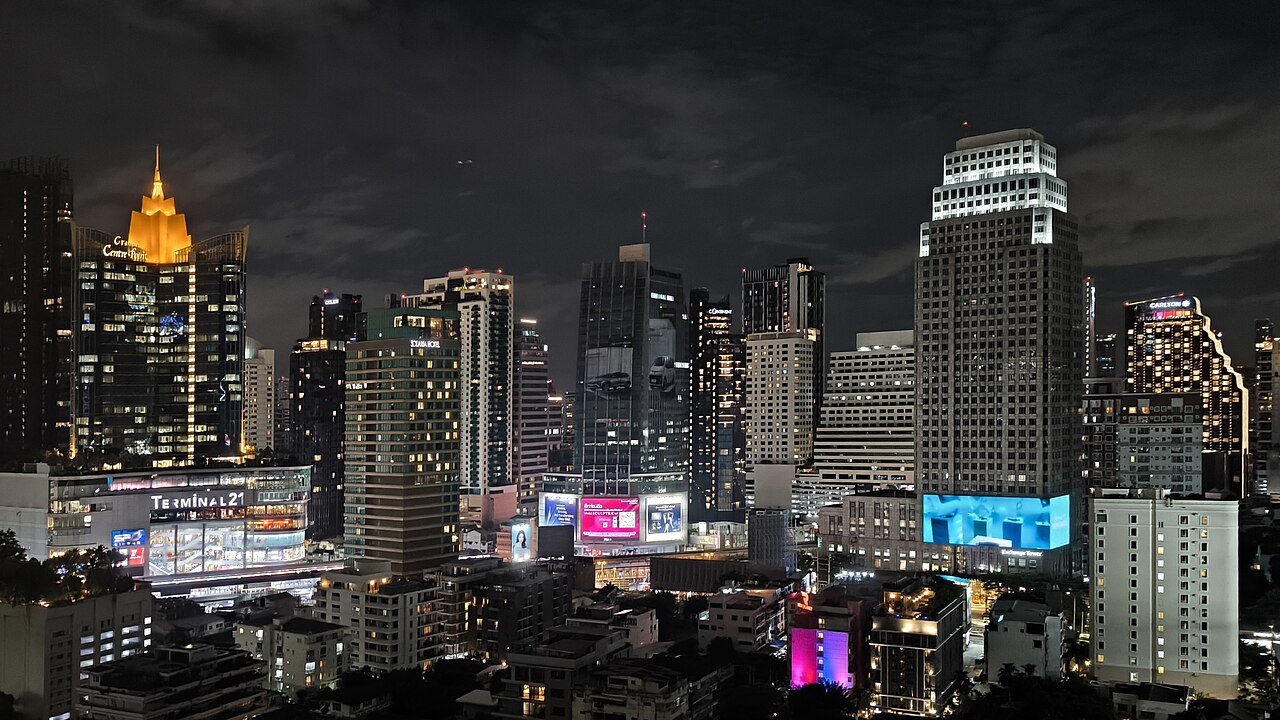
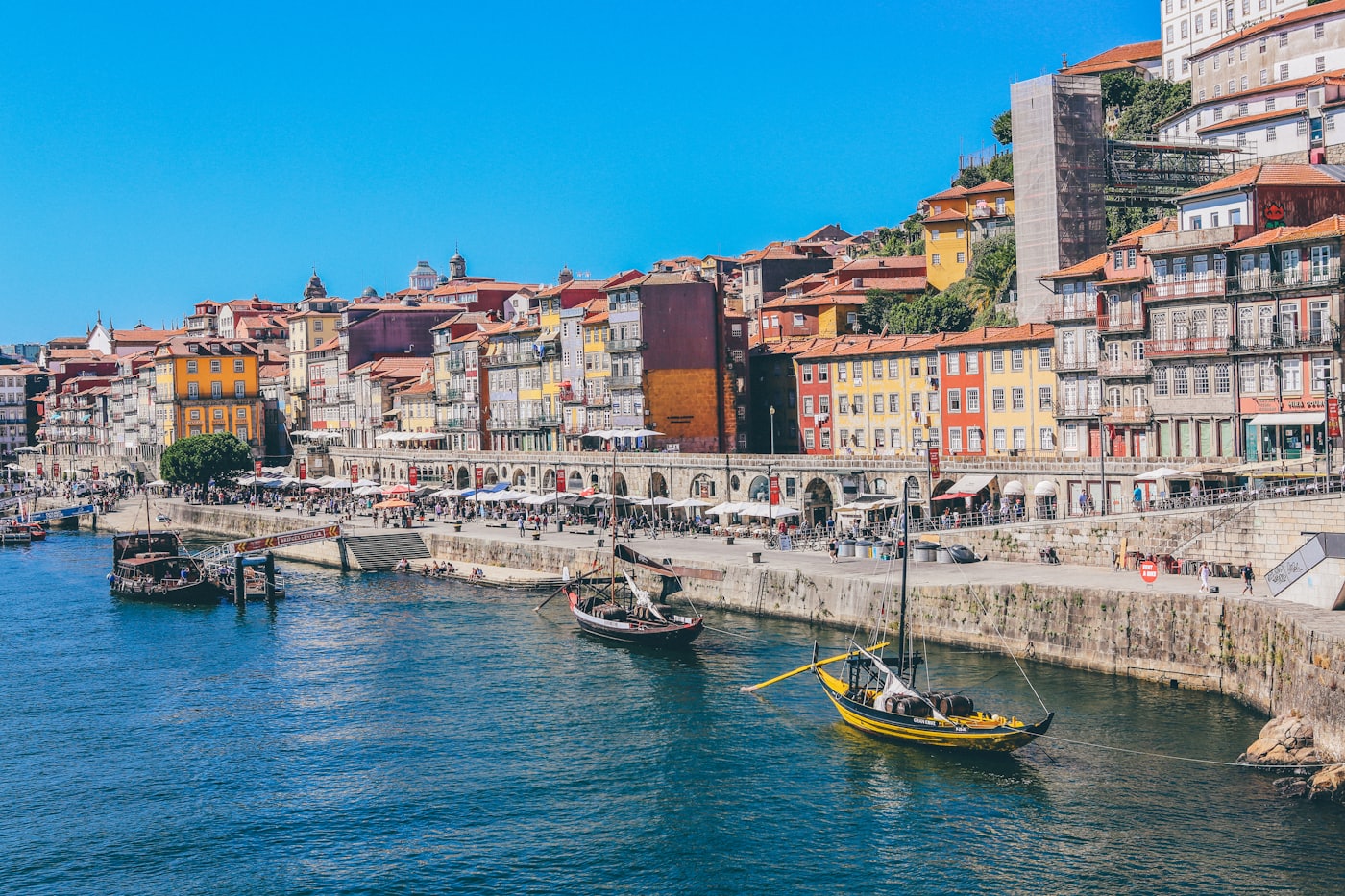
Living there before buying
Relevant considerations include whether a household can live there: work, healthcare, schooling and the right to remain. Renting first is common. A purchase comes later, and only if it still makes sense once the city is ordinary.
Three files
The right to remain, the right to work, and the right to own are three files. Marketing often sells them together. They can still move independently. A home should remain holdable if the immigration product changes.
Work
Whether income can be earned locally or remotely changes neighbourhoods, visas and how long households commonly rent before a purchase. A city that is easy to visit is not always a city that pays.
Family
School calendars, healthcare, and the weekly logistics of a household. If these stay vague, the building ends up making the decisions.
A weekday out of season
Holiday weather is not the working year. Heat, rain, darkness, and whether shops and transport still function out of season are part of inhabitability. A weekday out of season is the useful test.
Language and the way home
Whether the city is operable in the languages a household already has. Flights home, time zones, and how reversible the move is. Mobility is useful when leaving is still possible.
Rent as research
A year of renting is often cheaper than a year of owning the wrong building. It is also how a household learns which neighbourhood fits the week that will be lived, rather than the week that was visited.
Buying after the city is ordinary
Once daily life is no longer new, the property question becomes specific: tenure, street, and whether a purchase is still preferred to a lease. Some households never buy. That can be the coherent outcome.