Who typically looks here
The Filipino diaspora, regional managers, and buyers who already understand the country rather than discovering it from a listing.
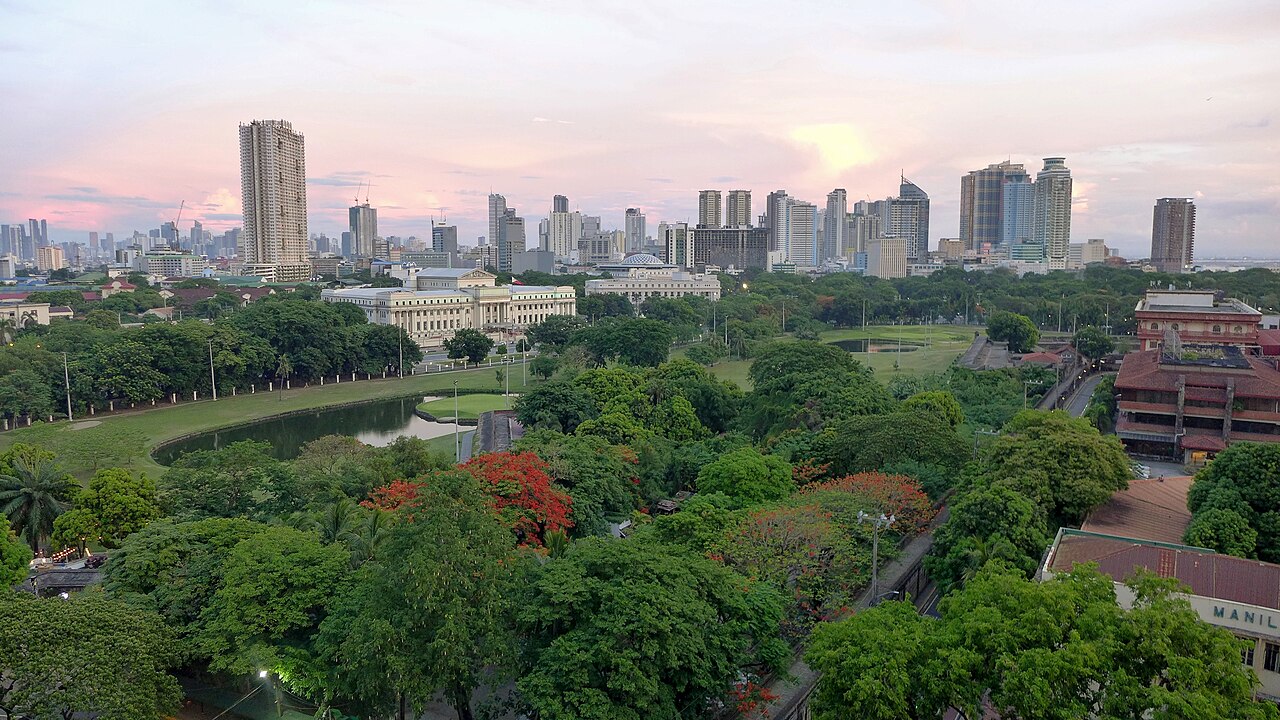
MarketsSoutheast Asia
The Philippines is often approached through Metro Manila, then through a second city or island. That split is the brief: jobs and services cluster; geography makes everything else a logistics problem.
Business districts such as Makati and Bonifacio Global City concentrate corporate demand, condominiums and the professional rental market. Housing quality and building management vary more than marketing suggests.
Outside the capital, the picture is local: Cebu, Davao and a long list of coastal places each have their own occupancy logic. An island that works as a holiday is not automatically a rental market.
Foreigners cannot generally own land. Condominium ownership uses a different legal frame, with corporation and lease structures used in other cases. Local counsel belongs in the process from the start.
The sections below take those distinctions one at a time: the capital as a labour market, Makati and Bonifacio Global City as separate cities, Cebu and Davao on their own, then condominiums, offices, hospitality, infrastructure, rent, demography and the services industry. Each section records when it was last reviewed, and which documents it was read against.
The Filipino diaspora, regional managers, and buyers who already understand the country rather than discovering it from a listing.
Land versus condo title, building administration, and whether the location has year-round work and services.
A people-rich archipelago. The investment question is almost always a city question, then a building question.
Figures
Only a named release is printed. The date on each line is that release, not the day this page was read.
Population
112,729,484
As of 1 July 2024
Philippine Statistics Authority
Released 23 June 2026
2024 Census of Population, total population in Table A of press release 2026-189. The PSA homepage states the same total as of 1 July 2024.
Real GDP growth
4.4%
As of 2025
Philippine Statistics Authority
Released 15 July 2026
Calendar year 2025, at constant 2018 prices. The StatDev release of 15 July 2026 records the fall from 5.7 percent in 2024. A later provincial-accounts release repeats the same national rate.
Residential prices
+4.5%
As of Q1 2026
Released 26 June 2026
Residential Property Price Index, Philippines, change from a year earlier. The same table shows +5.6 percent from the previous quarter. The report does not print a day; the file date is 26 June 2026.
Foreign ownership
Reviewed 25 September 2026
Rule
Save in cases of hereditary succession, private land may be transferred only to individuals, corporations or associations qualified to acquire or hold lands of the public domain.
Source
Rule
Where condominium common areas are co-owned, a unit may be conveyed only to a Filipino citizen, or to a corporation at least 60 percent of whose capital stock belongs to Filipino citizens, except by hereditary succession. Where a corporation holds the common areas, a transfer is void if it would push the alien interest past the limit in existing laws. The Act states that limit by reference. It does not print a second percentage.
Source
City briefs
Metro Manila, Makati, Bonifacio Global City, Cebu and Davao do not share a commute, a tenant or a city hall.
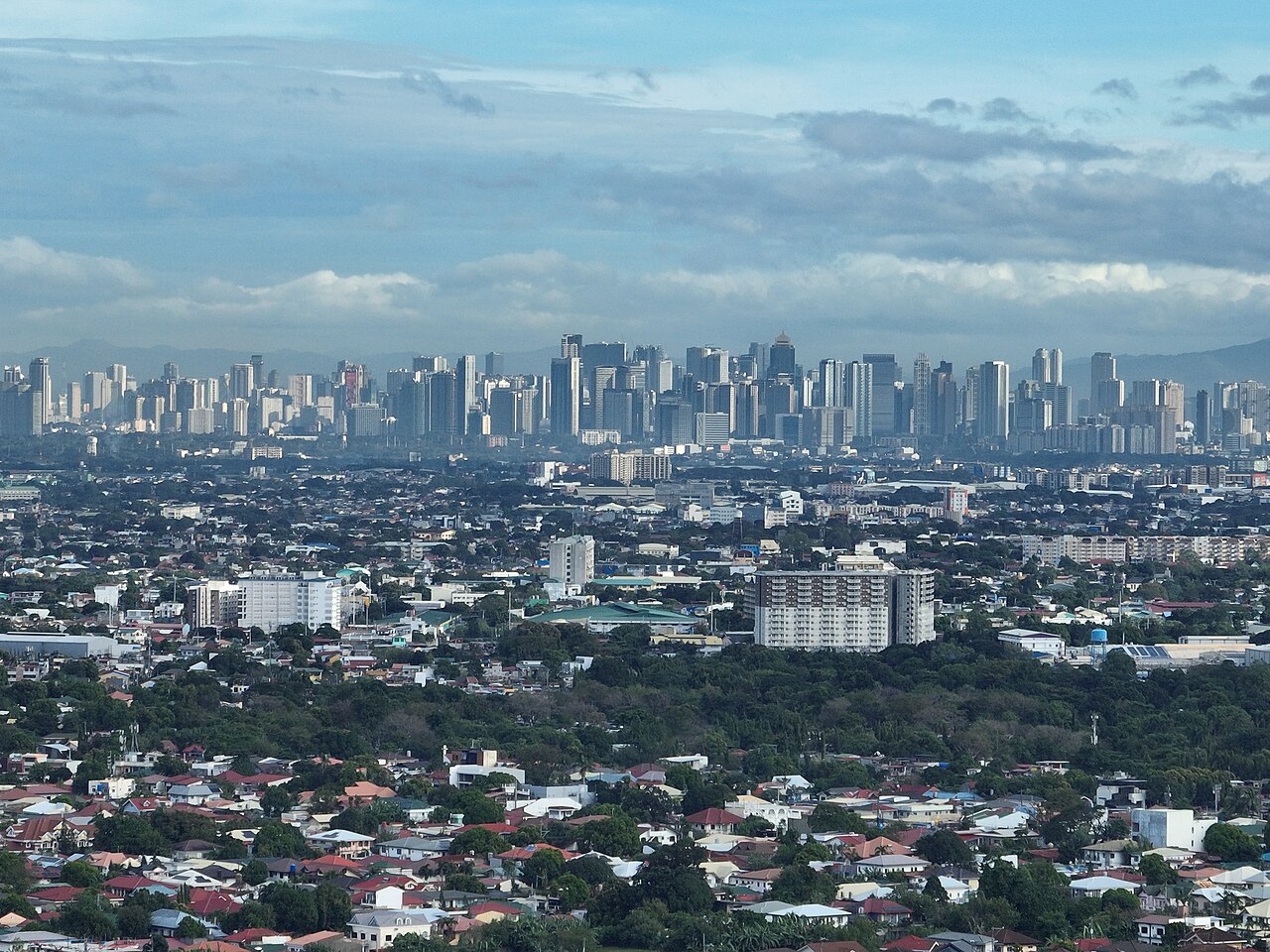
Capital region
Sixteen cities and one municipality, one labour market, and almost none of the same street.
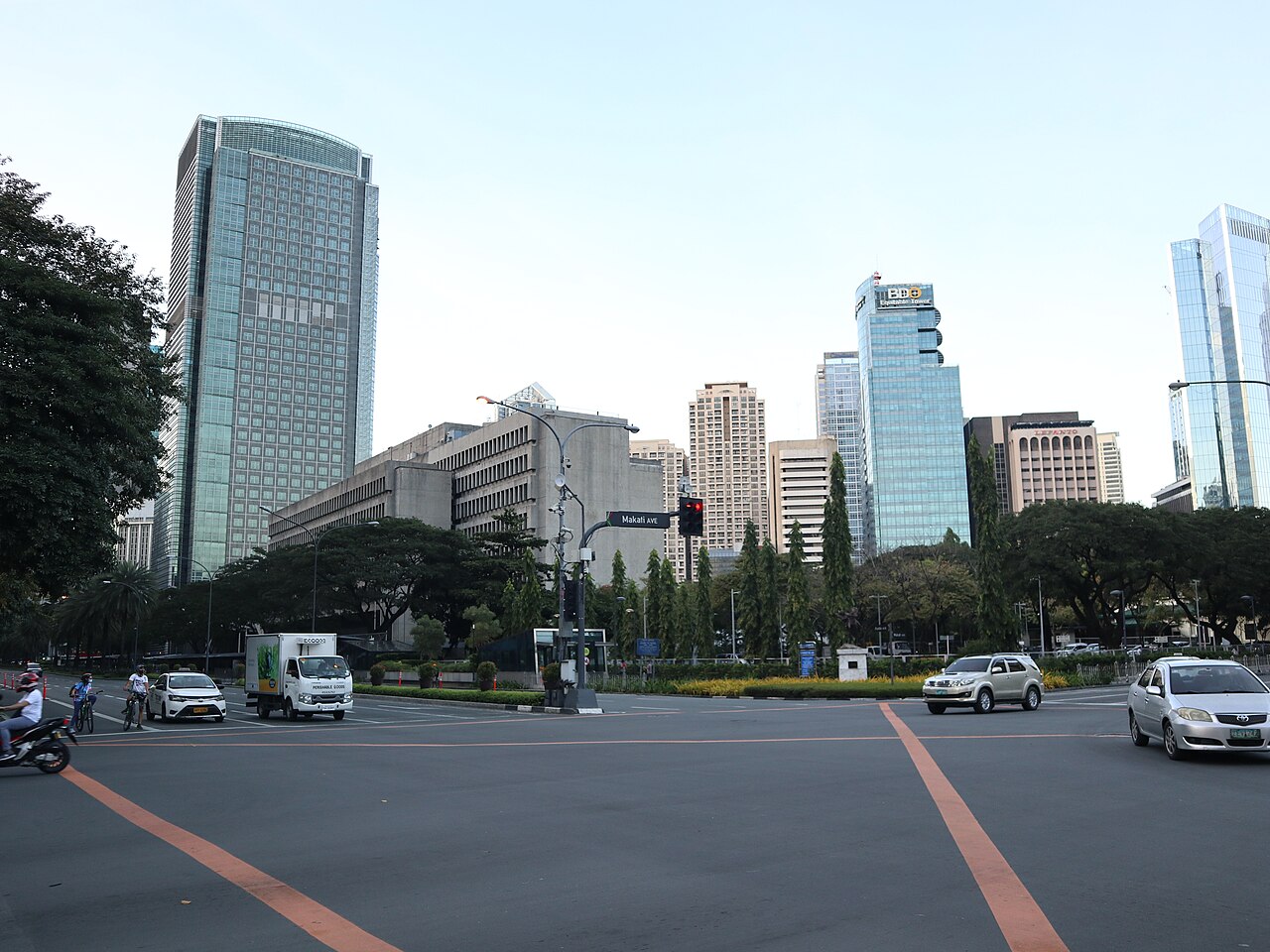
Established business district
The older corporate centre: offices, hotels and a residential grid that was built around them.
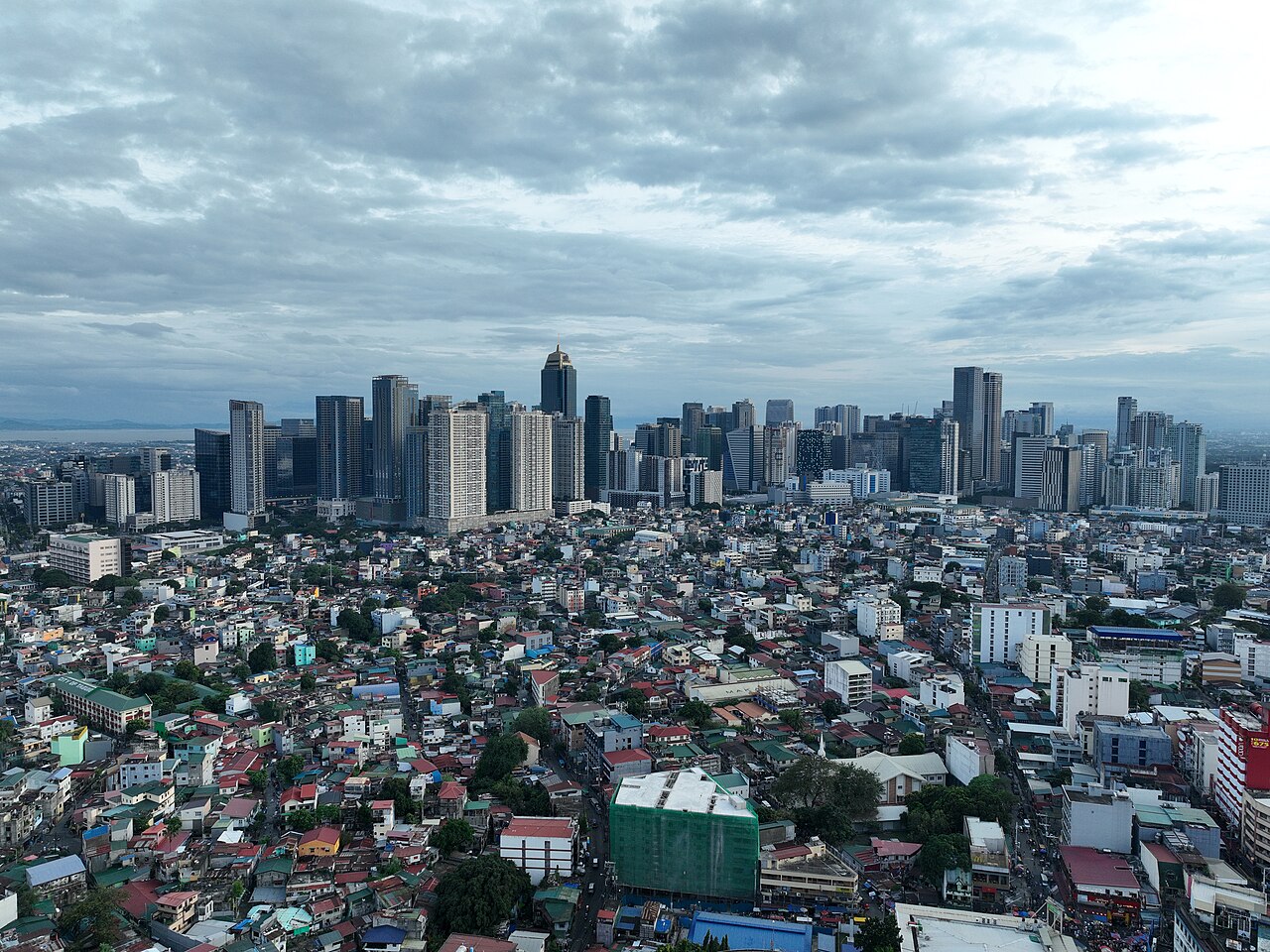
Planned business district
A masterplanned estate in Taguig. The towers are the district. The streets around them are other cities.
Visayas centre
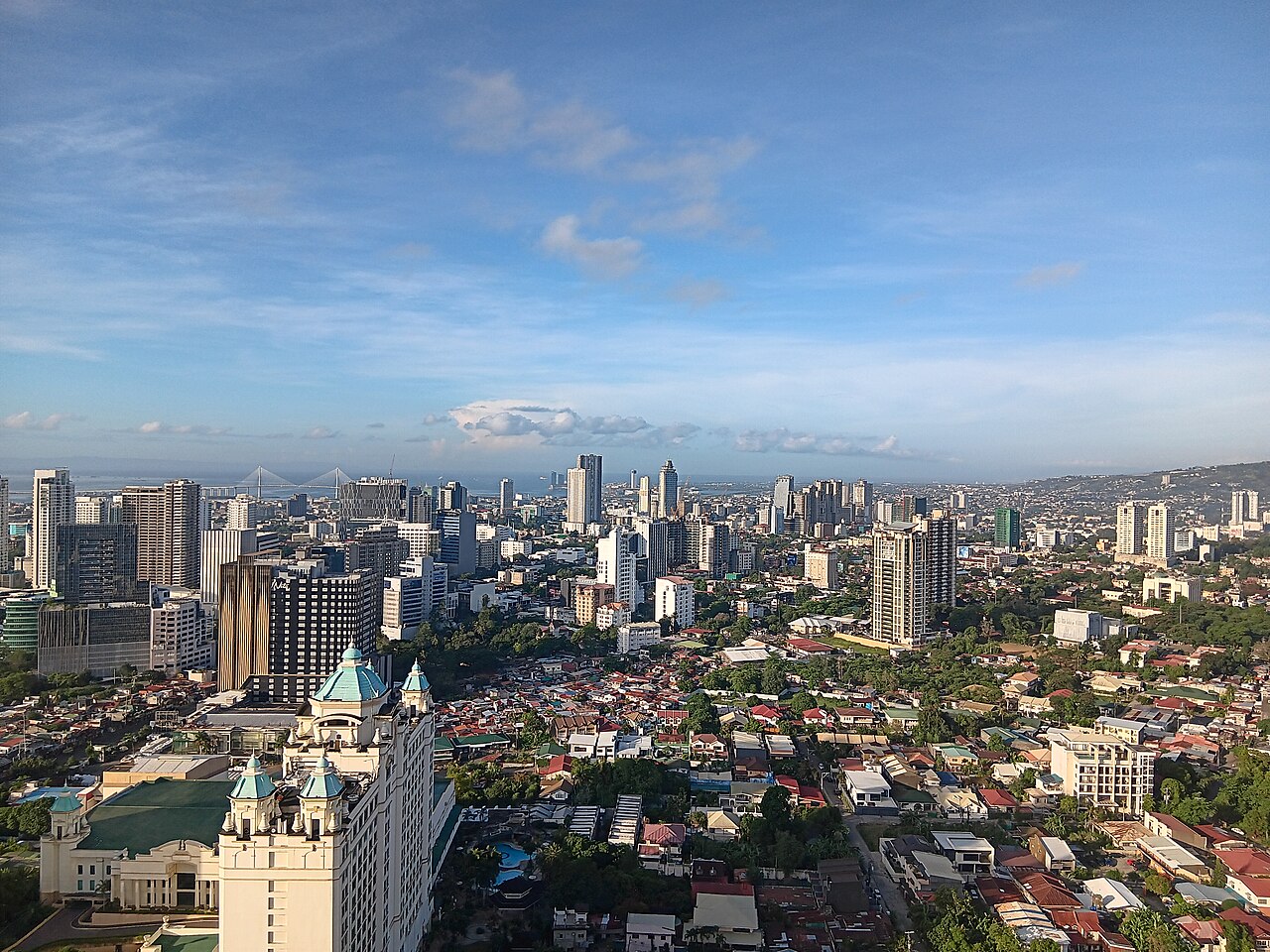
A metropolitan area split across cities, a strait, and a bridge that is not the whole commute.
Mindanao centre
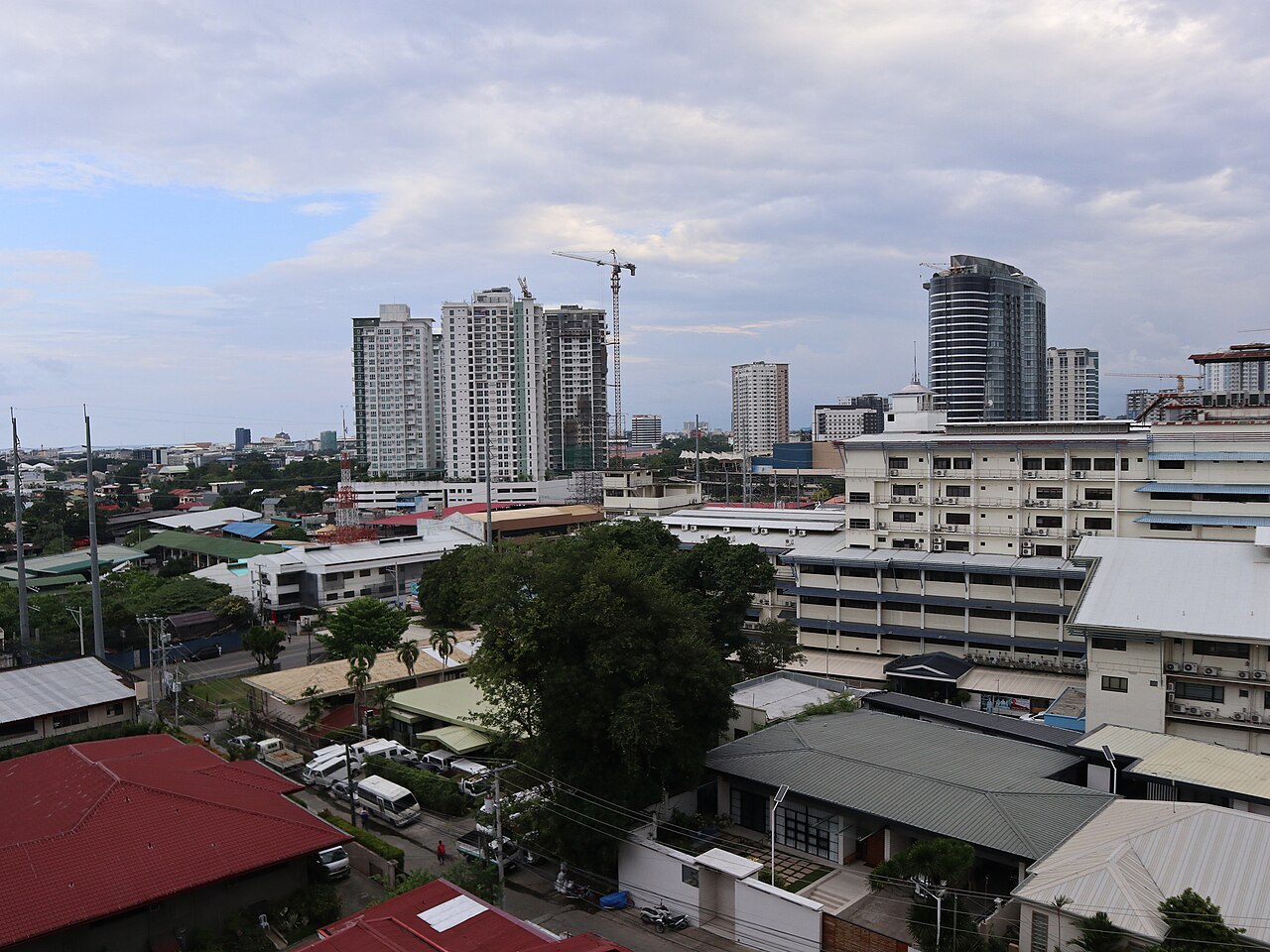
The main city of Mindanao: a regional capital with its own trade, services and government.
Each section carries the date it was last reviewed and the documents it was read against.
Sixteen cities and one municipality. Traffic and flood control are coordinated. Housing is decided city by city.
Metro Manila is the National Capital Region: sixteen cities and the municipality of Pateros. Each has a mayor, a council and a zoning map. The Metropolitan Manila Development Authority coordinates traffic, flood control and a short list of metro-wide services. It does not replace those city halls, and it does not make the housing stock one market.
The region is one labour market. Government, banks, professional firms, hospitals, universities, retail and the main concentration of business-process work sit inside it or against it, and people cross city boundaries to reach them. Makati and Bonifacio Global City are the two corporate products outside readers already know. They are compared in the next section. Ortigas, the Bay Area, Alabang and the Quezon City centres employ people who never pass through either. The city brief names those streets. A household in Quezon City and a tower in Makati can share a payroll and still face a different flood path, a different resale pool and a different permit.
Foreign buyers are usually shown the condominium beside a business district. Most residents live in houses, townhouses and older low-rise buildings, often a long trip from the office used to justify the purchase. In the 2020 census Quezon City was the most populous city in the region. Check that ranking against any later population release before reusing it. The asset includes the trip. EDSA fails at the peak and in heavy rain. Which rail lines are actually open, and which are still projects, is the infrastructure section. A station on a map can still mean a jeepney and a walk.
Flood follows the lot. Creeks, drainage basins and low ground near Manila Bay or Laguna de Bay behave differently from a ridge a few streets away. The Authority coordinates pumping. The lot still floods, or it does not. Read the city named on the title, then the street, then the last wet season on that lot.
No price, rent or population count is stated. The 2020 census is the population count this section was read against.
Two office-and-apartment markets in two cities. The stock exchange’s address does not merge them.
Makati and Bonifacio Global City are sold as one market because the towers are close and some of the same firms appear in both. They are two products, in two cities, with two histories. A view from one into the other does not make them one market.
Makati is the older private-sector centre. Banks, law firms and hotels grew on and around Ayala Avenue, inside a city that already had a street grid. The residential villages beside that grid — Forbes Park, Dasmariñas, Urdaneta, Bel-Air, San Lorenzo, and the tighter Legazpi and Salcedo villages — are landed neighbourhoods. They are not the same tenure as a condominium facing the avenue. Rockwell, in a bend of the Pasig, is another Makati address, planned on its own streets. Poblacion is the old town, and a different evening from the CBD. “Makati”, without one of these names, is only the view from the avenue.
The Philippine Stock Exchange’s headquarters is in Bonifacio Global City. Makati’s claim on finance is the banks, the professional firms and the avenue, not the exchange’s current address. That distinction matters when a listing still borrows the older map.
Bonifacio Global City is a masterplanned estate in Taguig, on land that was the Fort Bonifacio military reservation. The Bases Conversion and Development Authority was charged with converting former bases. Private developers then built a street grid, parks and a sequence of office and residential towers. The product inside the estate is almost entirely strata: offices and condominiums. Firms moved here from Makati, and other firms started here, including large shared-service floors. Retail followed the payroll.
Makati and BGC do not share a clock. Makati still holds headquarters and professional firms on an established avenue. BGC holds a later generation of regional offices and shared services, on a grid designed for them. When a company moves a floor from one to the other, the housing question moves with the people. Who then rents, and on what terms, is taken up in the rental section.
Jurisdiction is a document. In City of Makati v. City of Taguig, G.R. No. 235316, the Supreme Court confirmed that the Fort Bonifacio reservation — parcels 3 and 4 of the survey it identified — lies in Taguig. It later denied reconsideration with finality and ordered entry of judgment. The Court’s announcement of 4 April 2023 records that the case was closed. Bonifacio Global City stands on that reservation. Barangays along the edge were inside the same case. Schools, local taxes and public buildings did not all change hands on the day of the judgment. The decision allocates territory. It does not convey a private lot or a building from one city to the other. For a specific unit, read the title, the tax declaration and which city hall currently assesses it.
Outside the estate the fabric changes: Guadalupe, the enlisted-men’s barangays, Western Bicutan. The streets are older and often lower. A unit marketed on a view of the towers can sit on that side of the line.
Open the Makati briefOpen the Bonifacio Global City brief
The court citation decides territory between the two cities. It is not title to a private lot. No rent is stated.
A Visayan business city whose condominiums, houses and Mactan coast do not share a tenant.
Cebu is the main business city of the Visayas, and it is a property market only after the city is named. What people call Metro Cebu is a coordination idea, not a local government. Cebu City, Mandaue and Lapu-Lapu are separate cities under the Local Government Code. Talisay, Cordova and the northern towns share parts of the commute and none of the city hall.
Cebu City holds the port and the two office addresses that matter for professional and shared-service work: Cebu Business Park and Cebu IT Park. Lahug, Banilad and Talamban are residential districts that feed them. Colon and the older downtown are a different fabric, nearer the port. Mandaue lies between Cebu City and the bridges, with industry and local housing. Lapu-Lapu, on Mactan, holds the airport, the export-processing estates and the beach strip. Cordova is the far landing of the newer bridge.
Those uses do not share a rent. A condominium near the parks follows employment in the parks. A unit on the Mactan coast follows flights and weather, and belongs with the hospitality stock if that is the use. A plant in a Mactan export zone, or a factory in Mandaue, follows production. An economic-zone registration is a fiscal status. The street beside the zone is a separate question. The BPO section is where that status is set out.
The economic role is plural and local. The port, the airport on Mactan, manufacturing inside economic zones, IT-enabled services in the parks, and visitors on the coast share a metropolitan sentence. They do not share a street. A national account of any one industry does not say whether a particular campus is adding seats.
Access is the constraint the map understates. The airport is on Mactan. The port is in Cebu City. The older bridge, through Mandaue, congests on ordinary weekdays. The Cebu–Cordova Link Expressway has been open since 2022 and changes trips that can use the Cordova landing. It does not retire the older bridge, and it does not make a Mactan beach a walk from Cebu IT Park.
Condominiums have clustered near the two parks and along a handful of corridors in Cebu City. Houses and mid-rise buildings still house most families. Resale is thinner than in Makati or Bonifacio Global City: a building can be a large part of its own buyer pool. Cebu has its own port, its own parks and its own city halls. A Manila price is the wrong comparison.
No zone export, rent or take-up figure is stated.
Mindanao’s commercial centre. The photographed towers are a thin slice of a house-led market.
Davao City is the commercial and administrative centre of Mindanao, and the core of the Davao Region, which the statistics authority publishes as its own account. The hinterland is agricultural. Bananas, cacao and the other crops of the region move through the city’s trade and logistics. Hospitals, universities, government, retail and a smaller services floor sit on top of that. They have not turned the city into a second office market for the capital. The regional accounts are the series. A Manila headline is not.
The city covers a land area far larger than its built core. Bajada, the downtown poblacion, Lanang and Buhangin organise the weekday. Matina and Toril are different distances. The agricultural districts further out are a different use under the same city hall. A permit in the core does not describe the fringe.
Property here is still mostly houses. Condominiums along Bajada are the stock that gets photographed, and some of that stock is still in construction. A crane is evidence of building. It is not evidence of a deep exit. The buyer and the tenant are local: professionals, students, staff of the services floors, and households tied to Mindanao trade. The expatriate rental slice is thinner than in the capital. A furnished corporate lease is a niche inside a much wider local market.
A strong year in Manila does not arrive in Davao as the same tenant. The city has its own commercial base. The Island Garden City of Samal, across the Pakiputan Strait, is a separate city and a leisure trip. A ferry, or a bridge that should be treated as open only once vehicles are using it, does not make Samal a Davao neighbourhood. Keep it out of a housing brief unless the use is explicitly leisure.
The practical week runs through the hospital, the university, the port and Francisco Bangoy International Airport. Security and local politics should be read for this city and this year. A headline about another province in Mindanao is the wrong file. So is the claim that the question does not exist.
No regional product or city population is stated. The regional accounts are the series for the wider economy.
Usually the foreign freehold. A finished building with a title is a different object from a contract to pay a developer.
For a foreign buyer the condominium is usually the only residential freehold on offer. Under the Condominium Act it is a separate interest in a unit plus an undivided interest in the common areas, often held through a condominium corporation in which the owners are the shareholders. The unit is not a lot. Dues, house rules and the manager decide whether the building stays habitable after the show flat is gone. The Act’s nationality proviso is on the ownership card.
Supply is two different stocks. One is a finished building with occupants, a working association and a title already issued. The other is a contract to pay a developer across several years, before completion. The Subdivision and Condominium Buyers’ Protective Decree requires a licence to sell that second stock. Buyers paying over time also have the Maceda Law, which is a separate statute from the licence. The Department of Human Settlements and Urban Development is the regulator. Keys can arrive before the title. Those two stocks do not clear together, and an older block with a known administrator does not share a resale pool with a phase that is still filling.
A condominium corporation is not a homeowners’ association. The first follows the Condominium Act. The second, in a subdivision, follows the Magna Carta for Homeowners and Homeowners’ Associations. Mixed projects blur the two in the papers given to buyers. The corporate documents do not.
New residential towers have clustered where the offices are: Makati, Bonifacio Global City, Ortigas, the Bay Area, the Cebu parks, Bajada in Davao. That is a corridor fact, not a national one. End-users and small investors often sit in the same stack and leave for different reasons. Extra supply in one of those corridors does not describe the next. House rules on short stays and arrears are part of the asset.
Landed housing remains how most families live. A condominium reading that forgets this will misread both the tenant and the political weight of the sector. The constitutional bar on a foreign individual taking a house and lot is stated once, under ownership.
The foreign-ownership rule is on the ownership card. The corporation’s own ledger is still a building fact.
Offices are why many towers exist, and they are a separate asset from the flat downstairs.
Offices are why many of the residential towers exist, and they are a separate asset. A floor in Makati, Bonifacio Global City, Ortigas, the Bay Area, Alabang, a Quezon City centre or either of the Cebu parks is not a substitute for a floor in another. The lease, the parking, the night shift and the flood path differ. The city briefs hold the streets.
A retail podium follows the office. Mall rents and office rents clear on different leases. Industrial property sits somewhere else again: factories and warehouses south of Manila in Cavite and Laguna, the former bases at Clark and Subic, and the export estates on Mactan. Those pull housing because the plants are already operating. The infrastructure section is where a project still on paper is separated from one that is.
A building registered with the Philippine Economic Zone Authority is a fiscal file under the ecozone law, later reformed by the CREATE Act. Who works in those buildings, and what happens when a contract moves, is the BPO section. Registration says nothing reliable about the flood path or the resale of the condominium next door. A central-business-district tower answers to a corporate lease and a city hall.
Vacancy is a building fact. An average across a district mixes tenants who do not share a lease. The recent structural break was a tenant that existed because of a licence. Philippine offshore gaming operators took office floors and residential units. Executive Order No. 74, issued in November 2024, banned those operations and required licensed operators to cease. PAGCOR then cancelled the licences. A building whose rent roll depended on that use has to be read as what it is allowed to be now. The same test applies to any single employer.
Commercial land under a mall, a hotel or a warehouse is generally not available to a foreign individual. The practical foreign interest is often a share in a building, a lease, or a condominium unit used as an office. That file is separate from the residential condominium, even when the podium and the apartments share a lobby.
Open the office and BPO market page
No vacancy rate, rent or take-up is stated. The gaming ban changes what use is permitted. It does not say what the rent will be.
Visitor demand sits on particular coasts, each with its own calendar.
Visitor demand shapes property in specific places, not in the country as a whole. The Mactan coast, Boracay in Malay, Aklan, El Nido and Coron in Palawan, Siargao, and the short-break ridges at Tagaytay and Baguio each have their own access, their own season and their own local government. Domestic travellers are a large part of several of these markets. Copy written only for a foreign buyer describes a thinner business than the one that operates.
The asset is often a resort unit or a hotel-managed apartment. Occupancy follows flights, weather and the road or the boat. A beach that fills in December has a different August, and a different week from Makati, Cebu IT Park or Bajada. Short stays inside a city condominium are a house-rules question. They are taken up under rental, not here.
The state has already shown that a destination’s licence to receive visitors can be tightened. In 2018 the national government closed Boracay to tourists for a rehabilitation period and later reopened it under stricter environmental rules. The record of that closure sits with the environment department and the tourism department. The Tourism Act is the framework statute for tourism policy and tourism zones. It does not turn a hotel room into a housing substitute.
The use in the file is the one that is underwritten. A resort unit is nights, access and a manager. A home, or a long let near an office, is a payroll, and that case is the rental section. One photograph does not establish both.
No arrival count, occupancy rate or room rate is stated.
What is open, what is funded, and what is still a drawing are three different facts for a nearby building.
A large share of Philippine property is sold on a piece of infrastructure that is still a project. The disciplined reading separates three things: what is open, what is in delivery, and what is a rendering. Inclusion on a public-investment list is not, by itself, a reason to buy the nearest tower.
In Metro Manila the urban rail in service is LRT Line 1, LRT Line 2 and MRT Line 3. Line 1’s southward extension toward Cavite has opened in phases. Which stations a resident can actually use is checked on the ground. The Metro Manila Subway, the North–South Commuter Railway and MRT Line 7 have been in delivery under the Department of Transportation. They change a site when the station a household would use is open and has been walked. Until then, a promised interchange remains a project.
Roads fail more ordinarily than railways. EDSA and the radial routes congest at the peak and in rain. Flooding is the other constraint, and it stays a question about the lot, as on the Metro Manila section. A corridor drawn on a regional plan is not that lot.
Airports organise the archipelago more honestly than a promised road. Ninoy Aquino International Airport, between Pasay and Parañaque, is the capital’s main gateway and has been under a private concession for rehabilitation and operations since 2024. Clark International Airport is the other door for Luzon, tied to the former base. Mactan–Cebu and Francisco Bangoy in Davao are the doors for the Visayas and Mindanao. Which of these a household actually flies decides more than a national infrastructure slogan.
Outside the capital, apply the same three-way test and then leave the local consequence where it belongs. What the Cebu–Cordova link changes is on the Cebu section. Samal stays out of a Davao housing brief until a crossing is actually in use. New Clark City counts only the offices and households already there. Clark, Subic and the industrial towns of Cavite and Laguna pull housing because the plants are operating.
No project cost or ridership is stated. A project is described as open only where it is already in public use. Dates for the rest belong to the department, and they move.
Longer lets follow payrolls. The corporate slice is real and narrow.
Longer lets follow payrolls. The corporate and expatriate pool is real, and it is narrow: parts of Makati, Bonifacio Global City, Ortigas, and Cebu near the two parks. It expects furnishing, a building that is managed, and a lease negotiated with a company or a relocating household. Sales packs quote those rents as if they were the market. Most lets in the country sit outside that pool.
The larger tenant is local. Professionals, shift workers, students and families between houses rent across Quezon City, Manila, Mandaluyong, Pasig, Cebu’s residential districts and Davao’s core. They do not pay an expatriate rent, and they often do not want the same building. Universities in Quezon City, Manila, Cebu City and Davao City are their own demand, tied to the academic calendar. A tower aimed at a relocating manager can miss all of them.
Shift-work demand beside a business-process campus is real, often furnished, and it pauses when a contract moves. Who those employers are is the BPO section. The household is different from a family looking for a house across several years, and different again from a holiday let.
A rent-control statute covers a lower band of residential rents and has been extended by later laws. The peso line is in those statutes and moves when they are extended. Leases in business-district condominiums generally sit outside that band. That does not make them informal. Deposits, furnishing, repairs and the length of the term are negotiated, and the building’s rules sit on top of the lease. Short stays are often where those rules bite. A platform booking does not amend them.
Whether rent covers the holding depends on empty months, association dues, tax and the currency the owner actually lives in. A peso rent and a salary paid in another currency do not hedge each other. The useful question on a building is who is in residence now, on what term, and who was there last year.
No rent, yield, vacancy or rent-control threshold is stated.
A young population, placed unevenly. Households and jobs do not spread evenly across the islands.
The population is young beside the rich countries it is often compared with, and it is unevenly placed. Households and jobs concentrate in a few metropolitan areas: the capital region, the industrial provinces immediately south and north of it, Central Visayas around Cebu, and the Davao Region. Elsewhere, housing follows the town rather than one national product.
A young workforce supports urban services where the jobs are. It does not support a named tower. The census counts people and housing units together. The labour force survey says who is working. Neither is a forecast of who will buy a condominium. Inside the capital, the 2020 count is already read on the Metro Manila section. It is not repeated here.
Households form in ways a floor plan misses. An extended family, a parent who remains in the province, a child working in the capital and a sibling abroad are ordinary. The name on a title may not be the household a demographer would count. Where the income was earned abroad, the buyer is often a Filipino citizen. That is a different person from a non-Filipino bidding on the same stack. The two official series for that income are separated in the overseas-Filipino section. They are not added together.
Movement toward the capital, Calabarzon and Central Luzon is the long pattern the census is there to show. It has not abolished Cebu or Davao, which pull for their own islands. A national sentence about a young country can be true and still useless until the street is named.
No population, median age or migration rate is stated. The 2020 census is the full count this section was read against. Later releases should be checked before any figure is used.
A structural employer in a few cities. Demand follows a named campus and its contracts.
Business-process and IT-enabled services are a structural employer in Metro Manila, in Cebu, at Clark and, on a smaller scale, in Davao, Iloilo and a handful of other university cities. The industry’s own body is the IT and Business Process Association of the Philippines. The work is done in English, often on shifts that do not match a daytime office. Buildings near those campuses stay relevant at midnight. A description written for a nine-to-five household will miss the person who actually sleeps there.
Customer contact, higher-skilled outsourcing, healthcare information, animation and corporate shared-service centres hire different people and house them differently. Banks, law firms and a thinner technology layer sit beside this, mostly in Makati, Bonifacio Global City and Ortigas, on a different payroll from a contact-centre campus. A campus can add seats, pause, or move a floor to another city when a contract moves. Housing demand moves with that decision.
Many of these floors sit in buildings registered as information-technology parks or centres with the Philippine Economic Zone Authority. That is a fiscal status under the ecozone law, as reformed by the CREATE Act. The night-time commute, and the condominium that advertises walking distance, are separate facts. The office section keeps the zone building and the corporate lease apart. This section is only the employer.
The industry treats automation, and the shift into higher-value work, as its own strategic question. That is a reason to read what a particular campus does. It does not produce a national vacancy figure, and a night-shift worker is not automatically an expatriate tenant. Hospitals, retail, government and manufacturing sit in the same cities. Leave them out and the employment picture is incomplete.
Open the office and BPO market page
No headcount, seat count or export total is stated.
Each region has its own account. There is no single national property cycle to stand on.
There is no national property cycle a buyer can stand on. The statistics authority publishes a separate account for each region, and the list of regions has been reorganised more than once. An older release and the current one may not name the same set. The useful reading is which economy sits next to the building. The figure stays in the release.
The capital region is services, government and the corporate floors. Calabarzon, immediately south, is where a large part of manufacturing sits, and where much of the housing for people who work toward Manila actually is. Central Luzon holds Clark, Subic and the industrial towns along the expressway. Central Visayas is Cebu’s economy. The Davao Region is a regional capital and an agricultural hinterland. A strong year in one does not arrive in the next as the same tenant. The city sections hold the streets. This section only refuses the national average.
An agricultural province raises its own property questions: farmland, a mill, a municipal strip, a house a family improves. A coastal town whose income is visitors belongs with the hospitality stock, not with the office parks.
No gross regional product or growth rate is stated. The April 2026 regional accounts are linked so the series can be read in the original.
Clark, Iloilo and the others are different kinds of city.
A few cities outside the briefs already support a local housing conversation, and they differ from each other. Clark and New Clark City, north of Manila, are organised by the airport, the former base and a stated intention to move functions out of the capital. The conversion authority is the institution. Whether anyone is already there is the test in the infrastructure section.
Iloilo City is the urban centre of Panay: a revived riverfront, Iloilo Business Park, and a Western Visayas role of its own. Cagayan de Oro is the port and university city of Northern Mindanao, with its own trade hinterland. A national growth sentence describes neither week.
A city page is added when the brief is ready. Until then these places stay in the country note.
These cities do not yet have their own GRIP page. No project cost or population is stated.
Money sent home shows up as consumption and as housing. The transfer is household income.
Filipinos working abroad send money home, and it shows up as consumption and as housing: a family house improved, or a condominium in the city the household actually uses. The buyer is domestic even when the wage was not. Foreign ownership is a separate file, in the ownership section.
Two official series describe this, and they do not measure the same thing. The Philippine Statistics Authority’s Survey on Overseas Filipinos is a household survey: who was working abroad in a reference period, and what those households report. The Bangko Sentral ng Pilipinas publishes cash remittances coursed through the banking system. The bank’s own notes warn that the country on the table is often the correspondent bank, frequently in the United States, rather than the country where the wage was earned. Reading either series requires that limitation. Neither total is reprinted here.
A returning family, a parent purchasing for children, and a non-Filipino buying a unit in Makati are three files. They can bid on the same building and still leave for different reasons. The useful question on a stack is local: who paid, from which household, and whether they need a tenant.
No remittance total is stated. The central bank series and the household survey are different documents and are not added together here.
Land is generally reserved. A condominium unit and a lease of land are the usual foreign paths, and they are not the same claim.
Land is generally reserved to Filipino citizens and to corporations that meet the nationality requirement in the Constitution. A foreign individual should assume that a house and lot cannot be taken in their own name. Leases of land exist. They are leases, with an end, and they need a lawyer’s reading of the actual contract. They are not a quieter form of freehold.
The practical foreign freehold is a condominium unit, and the object itself is described in the condominium section. Section 5 of the Condominium Act states the nationality proviso, and the ownership card quotes it. What still has to be checked before a reservation fee is the share already on that corporation’s ledger. A remembered percentage is not a substitute for the ledger.
Buying through a Filipino spouse is a family-law question, not a form to copy from a forum. Putting land in another person’s name so that a foreigner can control it is the kind of arrangement the Anti-Dummy Law is aimed at. It is a known legal hazard. Counsel should be independent of the seller.
Open the foreign ownership note page
No ownership percentage is printed. The statute in force, and the ledger of the specific corporation, are the two documents that carry it.
People move for a job, a family or a school. The right to stay and the right to own are separate.
Households move for a job, for family already here, or for a specific school and hospital. English in professional life lowers one barrier. Traffic, heat, typhoons and the rainy-season commute raise others. The weekly test is the school run in June, not a dry Sunday in January.
International schools and private hospitals cluster in Metro Manila, with a thinner set in Cebu and Davao. That clustering is why a few corridors stay on shortlists, and why a household’s map is often the school’s map. Condominium living and a house in a village produce different weeks. Domestic help is part of how some households run, and it is an employment relationship with rules, not an amenity.
The Special Resident Retiree’s Visa is administered by the Philippine Retirement Authority. It has existed for years and has been revised. Deposit, age and property conditions are on the Authority’s current schedule. They are not copied here. The visa is not ownership of anything, and it is not permission to work. An employment pass is a separate file. Tax residence is a third. A home should still make sense if the immigration product moves.
No visa deposit, age threshold or tax rate is stated. The retirement visa is not title and not permission to work.
Tenure first, then the building, then the occupier. The order is the point of the list.
The risks are already in the sections above. This is only the order in which they bind. Tenure first: a condominium unit, a lease of land, and land held in someone else’s name are set out under ownership. They are not three grades of the same right.
Then the contract. Paying a developer before completion is a different risk from a finished, occupied block, and the two do not share an exit. The condominium section sets out that split and the statutes around it. Extra supply belongs to a corridor.
Then the city. Flood and the trip are on the Metro Manila section. A tenant that exists because a licence exists is on the office section: offshore gaming was the recent case, and Executive Order No. 74 removed the use. The pattern is not limited to that industry.
Liquidity is local, and often thin outside the main business districts. A peso rent and a salary in another currency move against each other. A home a household will actually use can still be the right purchase. It becomes a problem when it is asked to produce an income it has never produced.
This section is a map of the risks. It is not legal, tax or immigration advice, and it states no price or yield.
Related briefings

Real estate research
Freehold, leasehold, strata, quota, company. The words are dull. They are also the asset.
Brief3 September 20262 min read

Real estate research
There is no international standard for who may hold land. The jurisdiction in front of the title is the one that applies.
Brief9 June 20262 min read
Nearby on the map
 Southeast Asia
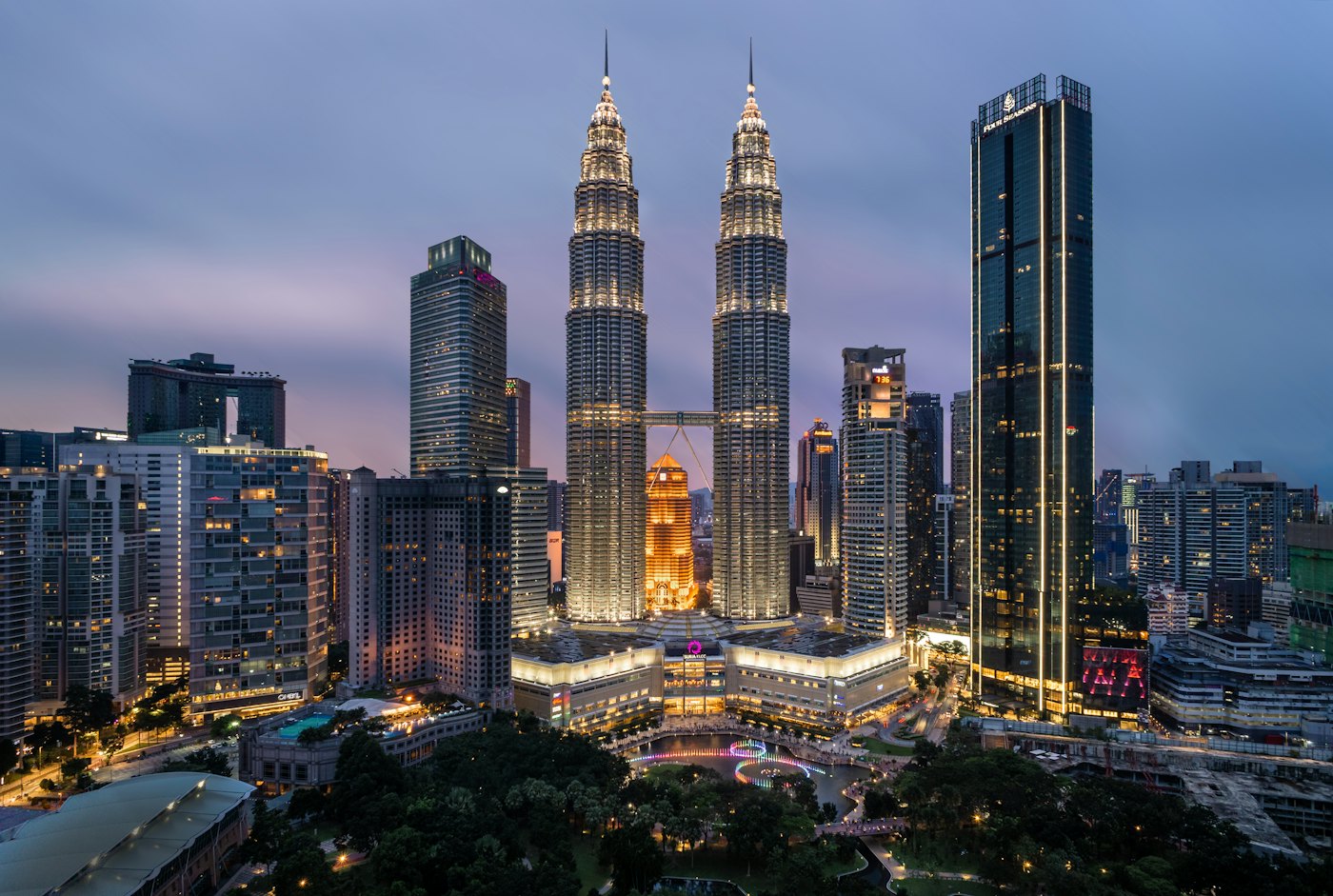
Kuala Lumpur, Johor and Penang
A bilingual commercial hub with a mixed urban fabric and a long history of regional capital passing through.
 Southeast Asia
Bangkok, then the coasts
A working capital, and coastal cities with their own calendars.
 Southeast Asia
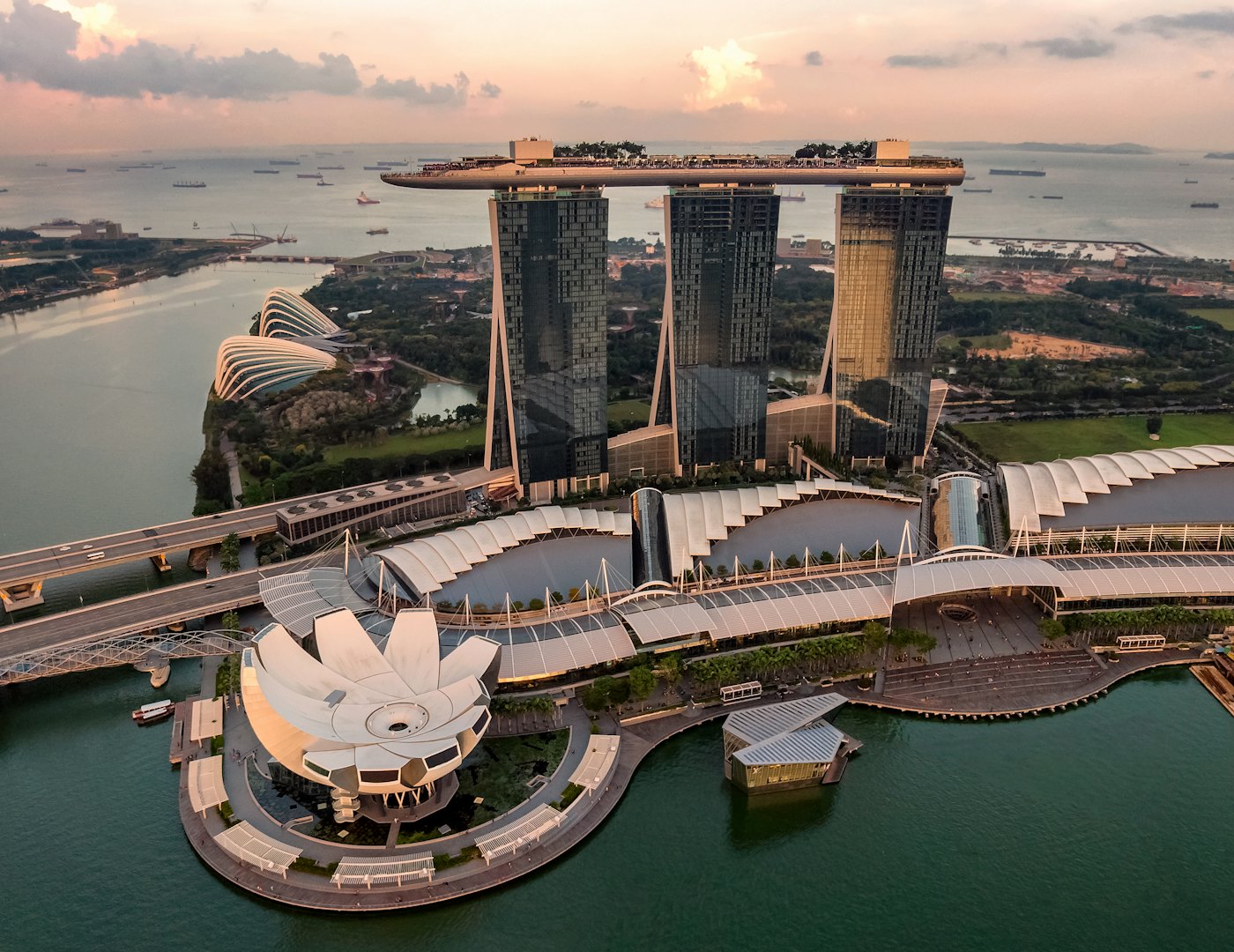
City-state
A clear, expensive reference market. Limited land, and prices that show it.
Across GRIP
The same place, read from another desk.
Continue with GRIP
If this market belongs on a research list, write to GRIP, or continue with the rest of the region.