Who typically looks here
Households who need the city for work, and capital that is paying for certainty more than for space.
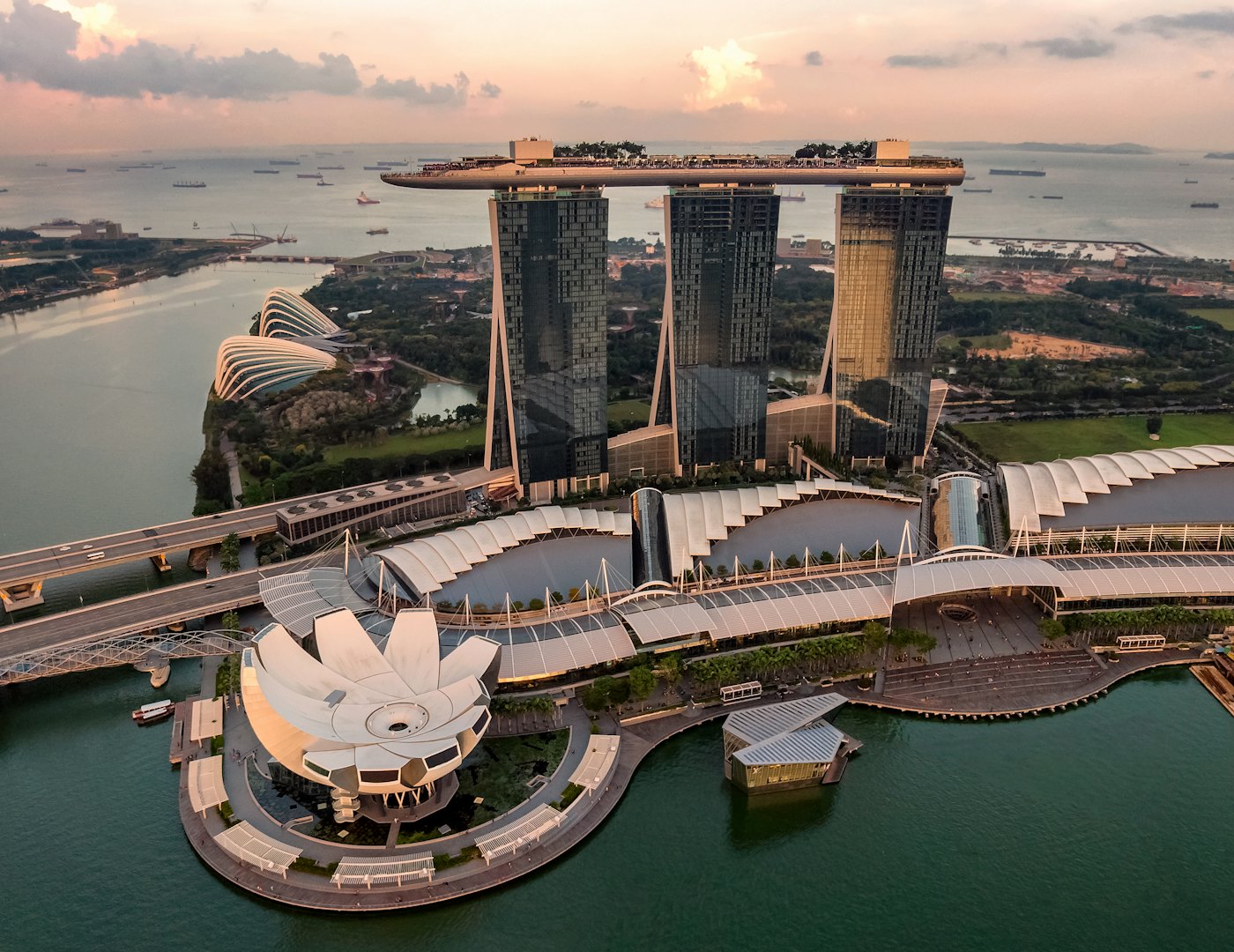
MarketsSoutheast Asia
Singapore is a reference market: a known legal system, deep professional services, limited land, and prices that reflect all three. Many readers will not buy here. Neighbouring markets are often compared with it, which is a reason to understand the comparison rather than to copy the price.
The city-state combines a global financial centre with a tightly managed housing system. Public housing, private apartments and landed homes are different political and legal objects. Foreign participation is deliberately shaped.
What you get for the price is less mystery than in most of Asia: title is clean, buildings are maintained, and information is relatively available. The cost of that clarity is the cost.
GRIP covers Singapore as a core editorial market and as a comparison tool. If a nearby city looks ‘cheap’, the next question is: cheap relative to Singapore, or cheap relative to its own incomes and risks?
Households who need the city for work, and capital that is paying for certainty more than for space.
Additional buyer stamp duties, eligibility rules, and the difference between needing to live here and wanting exposure to the region.
A high-clarity, high-cost reference point. Useful as a comparison even when the purchase is elsewhere.
Figures
Only a named release is printed. The date on each line is that release, not the day this page was read.
Population
6.11 million
As of June 2025
Department of Statistics, via National Population and Talent Division
Released Population in Brief 2025
Total population as at June 2025, including non-residents. The page cites Population in Brief 2025 and does not print a day of release. Population Trends 2025 gives the unrounded total as 6,111.2 thousand and marks the latest year preliminary.
Real GDP growth
4.8%
As of 2025
Ministry of Trade and Industry
Released 2 January 2026
Advance estimates for the calendar year, published 2 January 2026. MTI says advance estimates are updated. This card does not substitute a later speech for that release.
Private home prices
+0.5%
As of Q2 2026
Released 24 July 2026
Overall private residential property price index, change from the previous quarter. The first half of 2026 was +1.4 percent on the same release. Figures are stated as accurate at 24 July 2026.
Foreign buyer’s stamp duty
60%
As of 27 April 2023
Inland Revenue Authority of Singapore
Released 27 April 2023
Additional Buyer’s Stamp Duty for a foreign individual buying any residential property, on the higher of price or market value. The IRAS table applies this rate to purchases on or after 27 April 2023. It does not show a later rate.
Foreign ownership
Reviewed 25 September 2026
Rule
A foreign person must seek approval under the Residential Property Act before buying landed residential property, including at Sentosa Cove. A condominium unit and a flat may be bought without that approval. The Act states no percentage of a building.
Source
Singapore is the regional reference: scarce land, a deep professional market, and a housing system run as policy. Readers who will never buy here still need it. A neighbouring city looks inexpensive mainly because Singapore does not. The headquarters role, the institutions and the land constraint are what last. Tax and eligibility rules change who may buy. They do not make that clarity cheap.
Foreign buying is shaped on purpose. Additional buyer’s stamp duty and the eligibility rules sit inside the round-trip cost, and both are revised. A sum that worked on last year’s duty can fail on this year’s text. The visa is a separate file. Needing the city for a job is not the same decision as wanting a regional holding.
Public housing, private condominiums and landed homes are different legal and political objects. International buyers mostly meet the private condominium, where space is scarce and the service charge is part of the holding. Landed property is a narrower lane. Compare districts. There is no second city to absorb a weak building.
The city is safe, efficient, dense and hot. Days are unusually predictable for the region, and that predictability is in the price. Households are usually here for a job or a school. Neither comes with a cheap way to live beside it.
Transport, utilities and digital capacity are unusually complete for the region, and that completeness is priced in. The open question is rarely whether the city works. It is which stop the household will use, and what the building charges for being on it.
Finance, trade and regional headquarters sit on an open, mature economy. Cycles show up in rents and in bids for private stock. Institutions are why the city is a reference. They are not a claim that prices only rise. Follow the policy mix, and follow where firms actually put people.
Households come because the job is here. The city is easy to operate in, and expensive. Even when a purchase is allowed, a lease is often the right first file. Settle the right to remain before a deposit becomes a plan.
Singapore is a city-state. The law does not change between neighbourhoods. The street does: school, station, age of the block. It does not have a second city in the way Malaysia or Britain does.
The entry cost is high. A tax change can alter who is bidding. A lower price in Johor or Bangkok is not the same risk with a discount attached. Service charges, and a small flat that is hard to live in, are the ordinary costs of holding. You are paying for clarity.
Related briefings
Markets and cities
A property is a local object attached to a labour market, a legal system and a set of daily habits. Start there.
Brief8 September 20262 min read

Investment basics
Income, preservation, diversification, lifestyle, legacy. Name the job. Then see whether the building can actually do it.
Brief26 August 20262 min read

Global economy and macro
A street does not get expensive by itself. Work, credit and infrastructure arrive first, or they don’t.
Brief21 August 20262 min read
Nearby on the map
 Southeast Asia
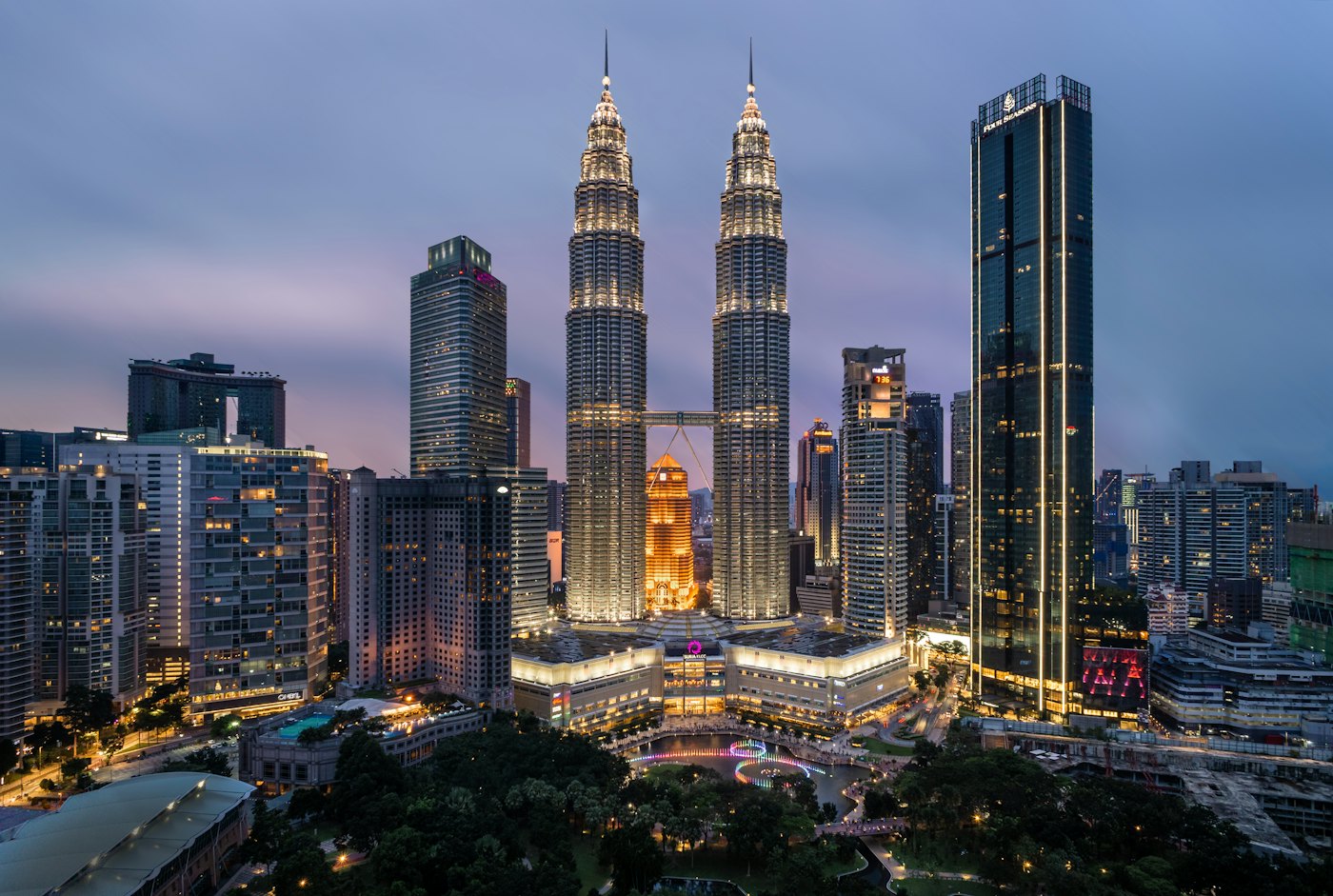
Kuala Lumpur, Johor and Penang
A bilingual commercial hub with a mixed urban fabric and a long history of regional capital passing through.
 Europe & Eurasia
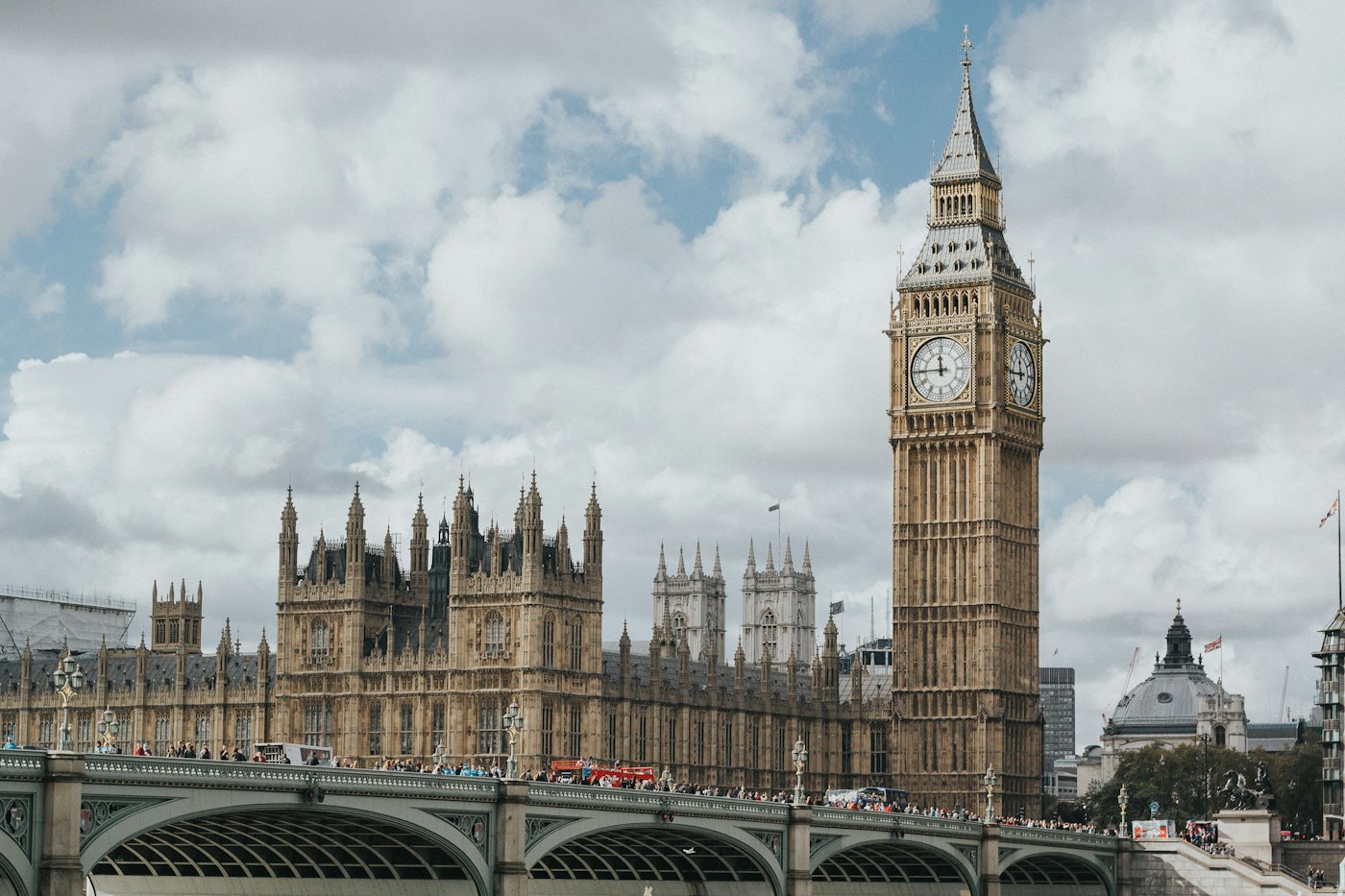
London, then the other cities
A deep, documented market, with London attached and with tax and planning rules that are written down.
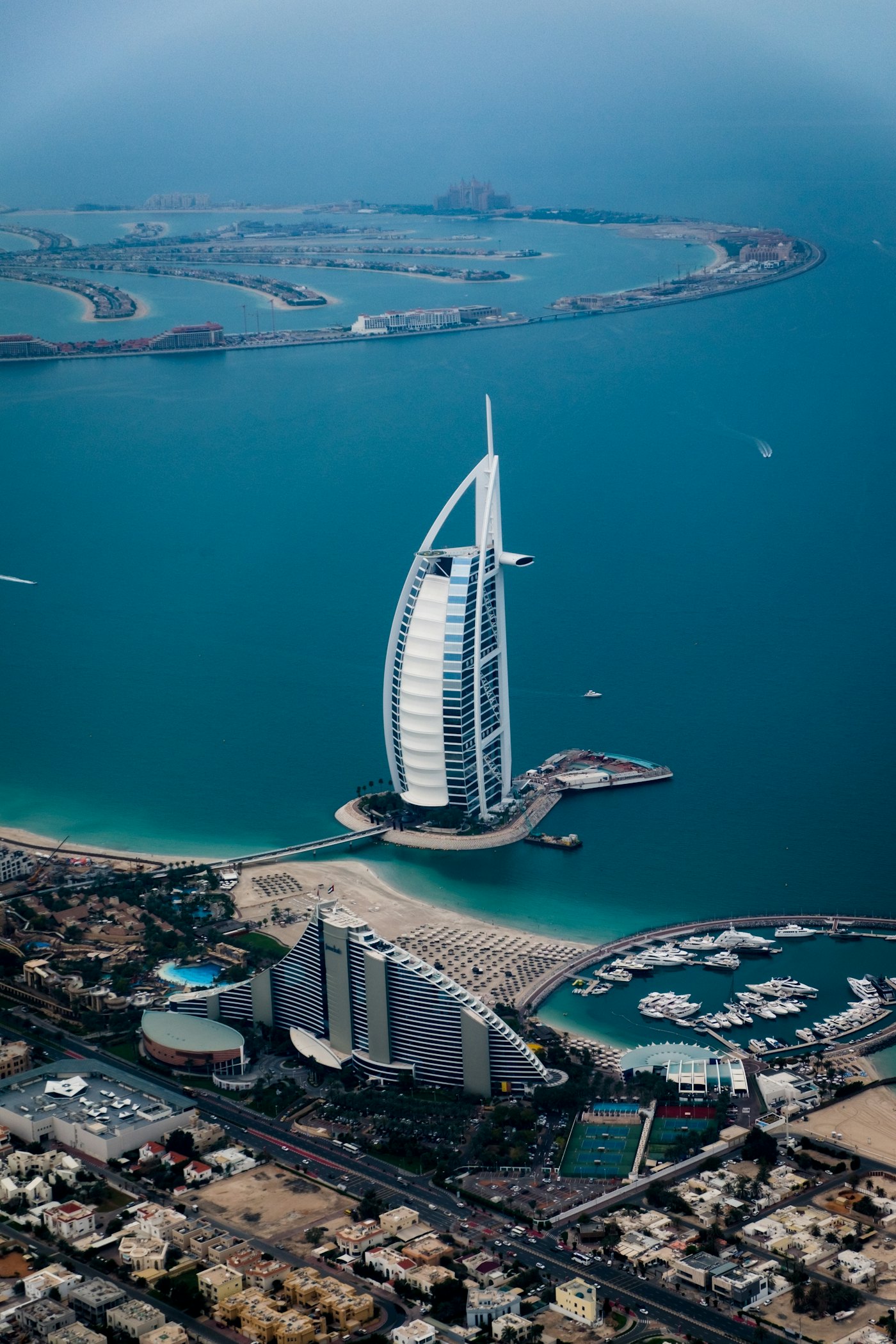 Middle East
Dubai and Abu Dhabi
International capital, a large expatriate population, and two cities that should not be treated as one product.
Across GRIP
The same place, read from another desk.
Continue with GRIP
If this market belongs on a research list, write to GRIP, or continue with the rest of the region.