Who typically looks here
Regional professionals, diaspora families, and investors who want ASEAN exposure without starting in the most expensive city-state.
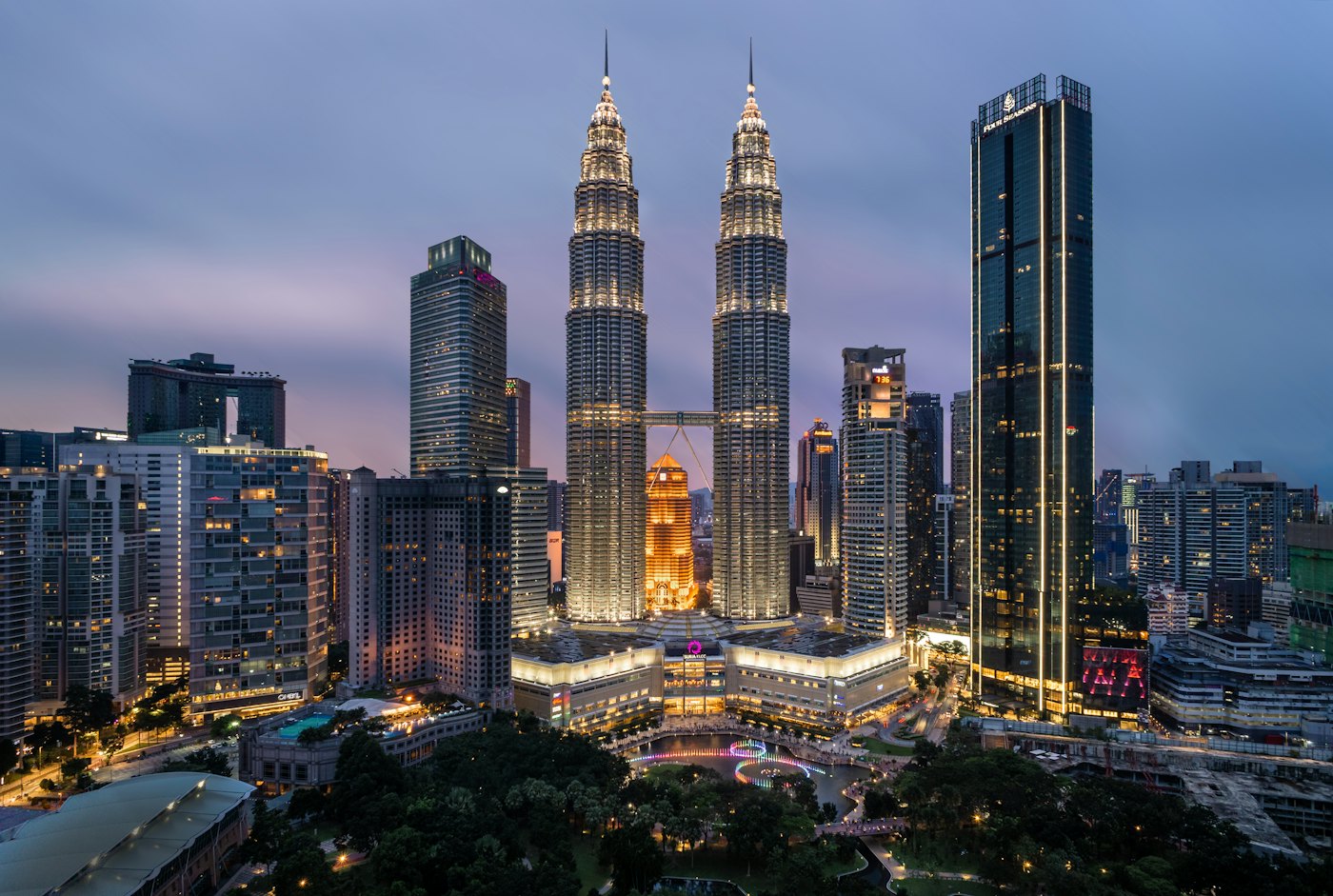
MarketsSoutheast Asia
Malaysia sits between larger neighbours and a busy strait. That geography, plus a familiar legal overlay for many Commonwealth-trained buyers, is why it appears early in a regional brief.
Kuala Lumpur is the services and government centre, and it sits inside a valley that does not stop at the federal boundary. Penang is an industrial island with a historic port attached. Johor Bahru is organised by the Singapore border. A national expansion does not say which of the three is hiring, and a purchase that ignores the difference is a purchase in the wrong market.
Foreign ownership is possible in defined circumstances and is a state file, not a federal slogan. It is not residency. Malaysia My Second Home has been revised more than once and does not confer a title. Separate the home you will use from the unit you intend someone else to occupy, and separate both from the visa.
The sections below keep the cities apart, then the objects that are sold as property: condominiums, industrial land, consent, supply, and the residency programme as background only. A lower price next to Singapore is not the same risk at a discount.
Regional professionals, diaspora families, and investors who want ASEAN exposure without starting in the most expensive city-state.
Strata versus landed title, state-level rules, and whether a purchase is tied to any residency programme. Those rules change and should be verified independently.
A practical, mid-sized regional market. Useful as a base, a comparison point, and a place where lifestyle and capital often share the same address.
Figures
Only a named release is printed. The date on each line is that release, not the day this page was read.
Population
34.4 million
As of 2026
Department of Statistics Malaysia
Released 31 July 2026
Official estimate for 2026, rounded by DOSM to 0.1 million. Growth in the same release is 0.5 per cent.
Real GDP growth
5.2%
As of 2025
Department of Statistics Malaysia
Released 15 May 2026
Calendar year 2025. The same release puts GDP at RM2.03 trillion at current prices.
Unsold completed homes
30,471
As of 2025
Released 26 February 2026
Residential units completed and still unsold, valued in the same report at RM17.73 billion. NAPIC’s overhang definition is a completion certificate and more than nine months unsold. The file date of the 2025 status report is 26 February 2026.
Foreign ownership
Reviewed 25 September 2026
Rule
A non-citizen or a foreign company may acquire land, or an interest in land, only with the prior approval of the State Authority. The National Land Code states no national percentage and no national price. Any minimum price is a condition the state sets, and it is not copied here.
Source
City briefs
Kuala Lumpur and the Klang Valley, Johor Bahru and Penang do not share a commute, a tenant or a consent file.
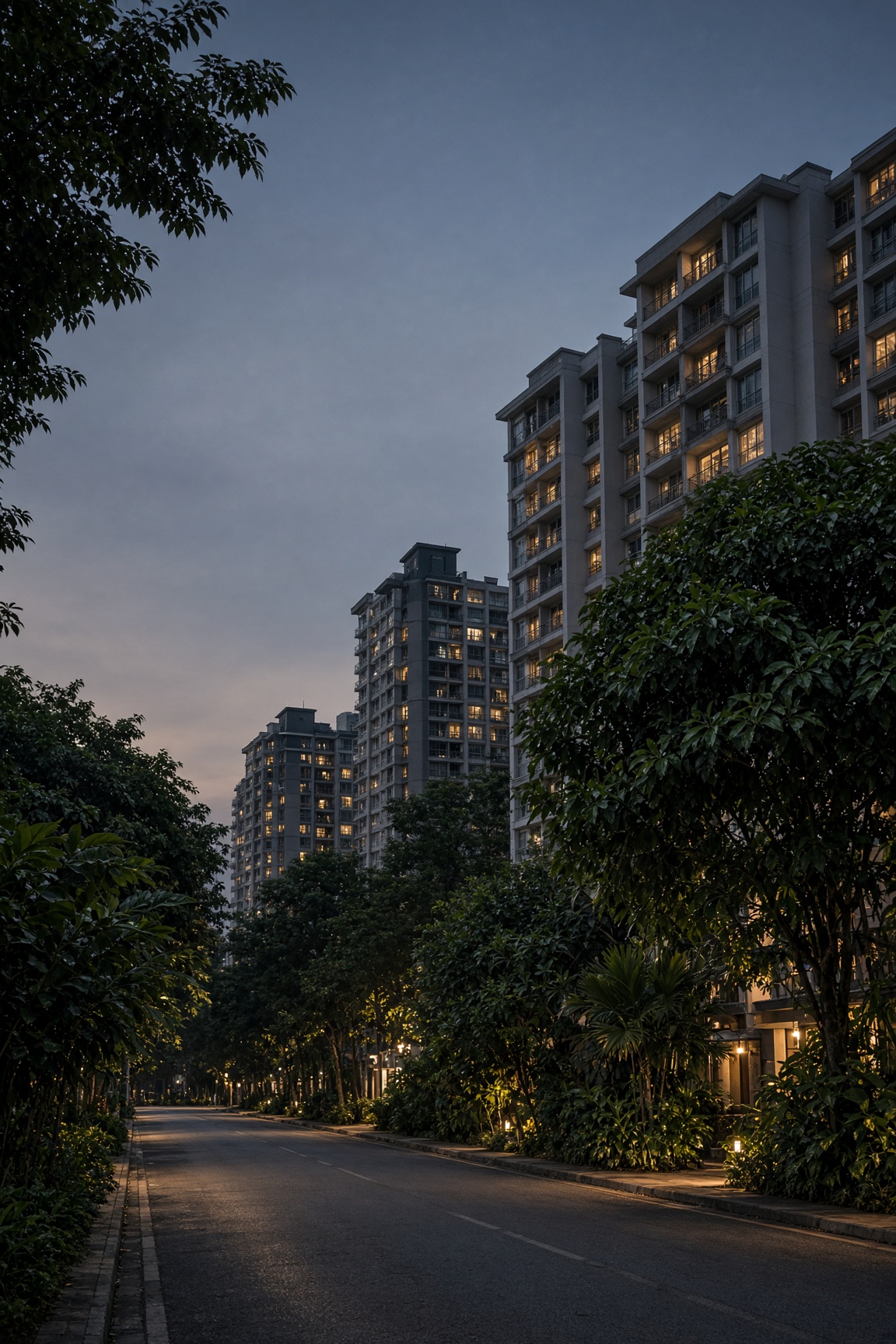
Federal capital
Services, rail and the widest housing choice, across the Federal Territory and Selangor.
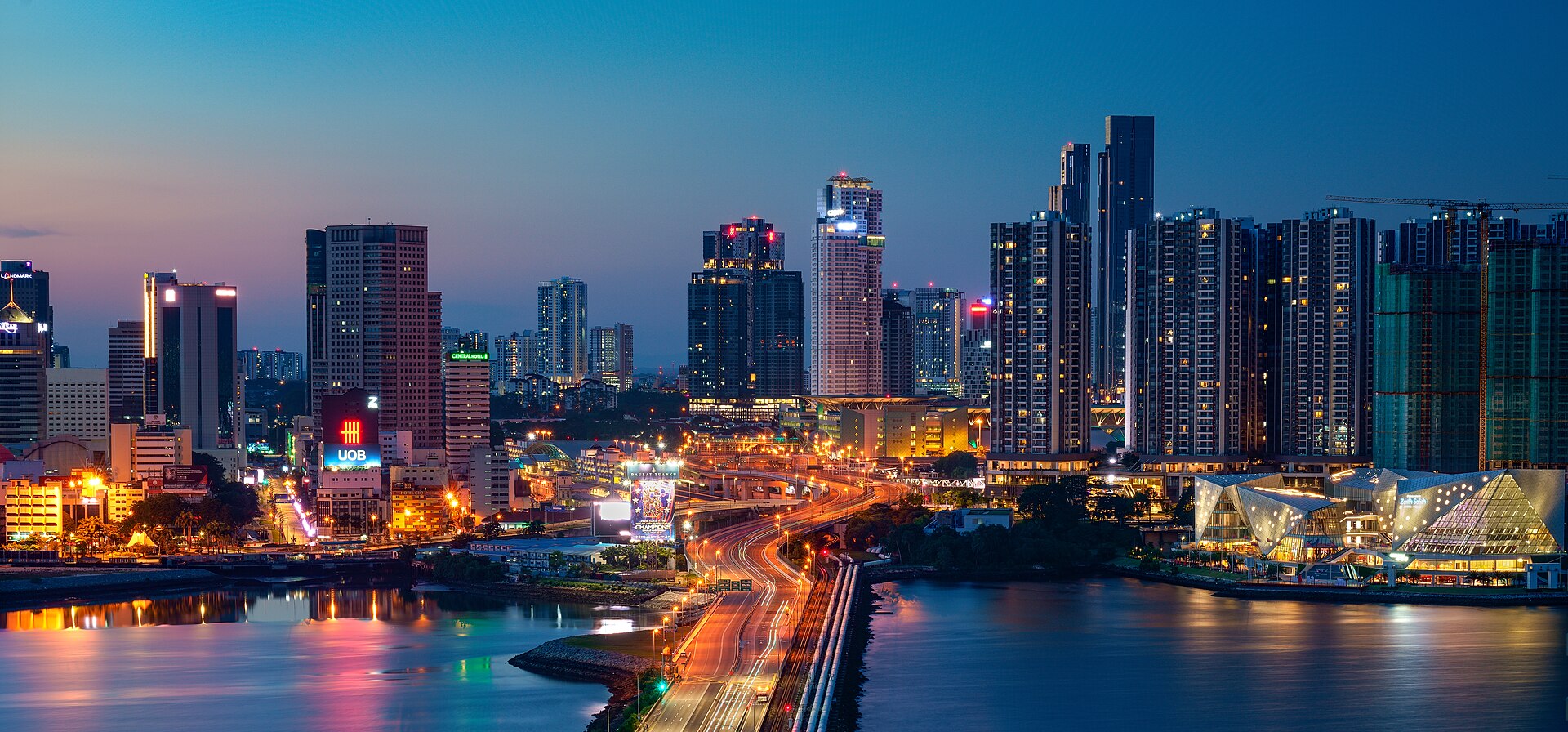
Border city
Singapore sets the demand. The districts do not behave as one market.
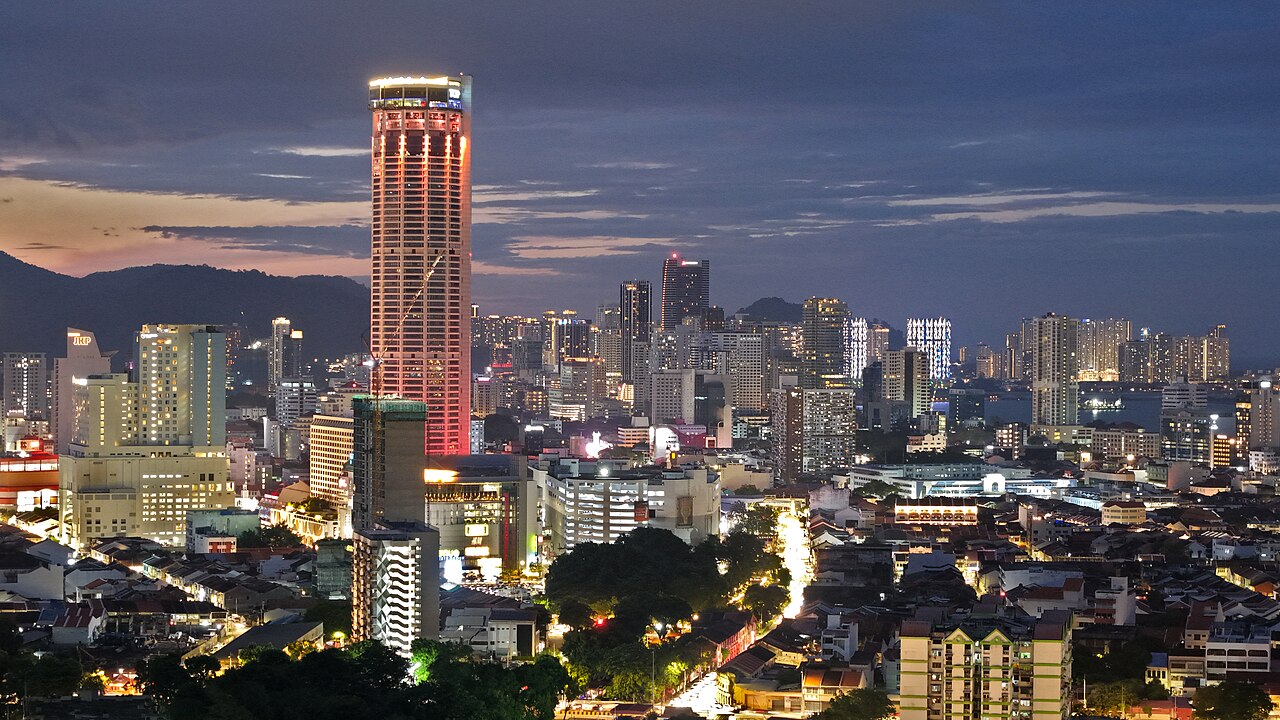
Island and mainland
A historic port, an electronics base, and a mainland that should be read as its own brief.
Each section carries the date it was last reviewed and the documents it was read against.
Kuala Lumpur is a federal territory inside a labour market that does not stop at the boundary. The Klang Valley is the usual name for that market. It is not a land office. Jobs, schools and most of the housing sit in Selangor: Petaling Jaya, Subang Jaya, Shah Alam, Klang, and the districts further out. Putrajaya is a third federal territory, built for government, and it is not a stand-in for the KLCC grid.
The split matters twice. First for the commute: a tower sold as city-centre can still be a long morning from the office that pays the rent. MRT, LRT, monorail and KTM change which addresses are actually central, and only along the line that is open. Second for the file: the Federal Territory and Selangor set their own consent rules. A buyer who says Kuala Lumpur and then signs in Petaling Jaya has changed jurisdiction.
Services, government and corporate offices concentrate in the core. Manufacturing, logistics and a great deal of ordinary family housing sit further down the valley, toward Port Klang and the industrial estates. Cyberjaya pulls a technology and shared-service occupier of its own. Those are different tenants. The city brief names the neighbourhoods. This section only insists that the valley is the market, and the federal territory is a part of it.
District-level streets are on the Kuala Lumpur brief. This section is the valley.
Johor Bahru is a border city. Singapore sits across the Causeway and the Second Link, and that fact organises housing, industry and weekend traffic. Demand follows cross-border work, logistics, manufacturing, and households who want Malaysian space within reach of the island. It also follows people who never cross. A local family in a suburban town is not a Singapore commuter.
Johor Bahru proper, Mount Austin, Tebrau, Iskandar Puteri and the coastal masterplans were not built for the same occupier. Some corridors were built ahead of the people who were meant to live in them. A waterfront scheme can look finished and still be thin on a weekday. Forest City is the case already known. It is a warning about scale, not a description of every Johor street. The city brief keeps the districts apart.
The Johor Bahru–Singapore Rapid Transit System is a bilateral rail link in delivery. An opening date, and the immigration process attached to it, should be read from the operators before anyone treats it as a commute. The road crossings already exist, and they congest. A data-centre hall on industrial land is a third object again: power and water, not a condominium tenant. That use is taken up under the economy and the industrial sections.
No Singapore rent is inferred. Data-centre counts are the October 2024 statement cited under the economy section.
Penang is an island and a mainland. George Town, a dense historic port, is not the same market as Bayan Lepas, the north-coast apartments or Seberang Perai. Electronics manufacturing is the structural employer, on the island’s south-east and on mainland estates including Batu Kawan. Tourism, food and private healthcare sit beside it. They do not land on the same street, and they do not rent the same building.
Heritage rules in George Town limit what can be altered. That protects the street and constrains new building. Condominiums have clustered on particular island corridors. Landed housing, and much of the industrial land, sit elsewhere, including across the bridges. A mainland factory and an island seafront flat do not share a tenant or an exit.
The airport is on the island, at Bayan Lepas. The bridges are the ordinary link to the mainland. There is no Klang Valley rail system here. Island traffic is a daily constraint. A coast can fill a weekend. A working week starts with the plant, the school or the hospital.
Heritage streets and named corridors are on the Penang brief.
Several different legal objects are sold as property. Residential strata, usually a condominium. Landed title: terrace, semi-detached, bungalow. Serviced apartments, often on commercial title, with different rules on use and financing. Industrial land and a warehouse are a further object, dealt with below. Freehold and leasehold both circulate. A leasehold is a state lease with an end date.
Individual strata title is not always issued when a unit is first marketed. Buying on a master title, or before vacant possession, is a different risk from buying a completed unit with its own title. Gated schemes are common in suburban landed stock. They add a manager and a monthly cost.
Malay Reserved Land and agricultural land sit outside the ordinary foreign purchase. Bumiputera quotas inside a scheme change who can buy later. Eligible types and any minimum price are set by the state. Those filters are the landscape. The supply section is where the question becomes how much of this stock is still unsold.
No price threshold. State consent terms are not copied from listings.
The condominium is the object most foreign buyers are shown, and a large part of what domestic buyers meet in the city centres. It is a strata unit: a parcel plus a share of the common property, run by a management corporation once titles are in place. Service charges and the sinking fund decide whether the building stays habitable. A low charge at launch is not a promise about the charge after the first major work.
A serviced apartment on commercial title is often photographed as if it were the same product. Use, house rules and lending can all differ. A hotel-licence building is a third thing. Mixing them is how a buyer ends up with a unit they cannot occupy as they intended, or cannot finance as a home.
New towers and older blocks do not share a resale pool. In the Klang Valley the question is which rail line, if any, the building actually sits on. In Johor it is which masterplan, and whether people live there. In Penang it is which corridor of the island, or whether the building is on the mainland at all. NAPIC’s completed-unsold tables have, in recent years, found apartments and condominiums a large part of the stock that did not clear. That is a type fact. It is not a reason to avoid every tower, and it is not a reason to treat a full building near a station as the same risk.
No yield. The 2025 unsold split is in the supply section and is not repeated as a price.
Industrial property is where a large part of Malaysian employment actually sits, and it rarely appears in condominium marketing. Port Klang serves the Klang Valley. Port of Tanjung Pelepas and Johor Port serve the south. Penang Port and the Bayan Lepas and Batu Kawan estates serve the north. A warehouse, a factory and a worker hostel follow those sites. A sea-view apartment does not.
The tenant is an operator: electronics, storage, a regional distribution contract, sometimes a government-linked industrial park. Lease length, floor loading, trailer access and power are the terms. They have nothing to do with a strata sinking fund. Free-zone status, where it exists, is a customs and incentive file. It is not a form of housing title.
Data centres belong in this file and not in the residential one. They are buildings that consume power and water on industrial or planned commercial land. Johor has written planning guidelines for them. Any housing effect is indirect, and only if the hall employs people who then rent nearby. The hall itself is not a residential comparable.
No warehouse rent or port throughput. Data-centre counts are dated in the economy section.
Non-citizens can acquire property in defined circumstances. Section 433B of the National Land Code requires the State Authority’s approval. The Code states no national percentage and no national price. The Federal Territory, Selangor, Johor and Penang do not share a door. The ownership card is that rule.
Strata in the main cities is the path most foreign buyers walk. Landed residential property is more restricted, and in some states conditional or effectively closed. Agricultural land and Malay Reserved Land sit outside ordinary foreign purchase. A company purchase is a further legal question, not a way around state consent.
Consent takes time and can be refused. Some schemes reserve units for bumiputera buyers, which changes the resale. The city briefs say only what is different locally. They do not each restate this statute. Use a lawyer who is not selling the building, and do not copy a ringgit figure from an old listing.
No ringgit threshold. Each state publishes its own.
Malaysia My Second Home is a federal long-stay programme run by the tourism ministry. It is background to the property market, not the market. Deposits, fees, ages, any property condition and the length of the pass have all been revised. From 1 August 2025 new applications go through the ministry’s own system. The current checklist is on the MOTAC page, including a separate note for participants under special economic or financial zones. GRIP does not copy that checklist.
The pass is not ownership, not citizenship and not permission to work. A developer who presents it as included with a unit is making a claim that has to be checked outside the gallery. Most households who actually live here are on employment passes, dependant passes, student passes or ordinary local life, not on MM2H.
International schools and private hospitals, concentrated in the Klang Valley with a smaller set in Penang and Johor, explain why some families base themselves in those cities. That is a location fact. Tax residence is a separate analysis from the stamp in the passport.
No deposit, age or property condition is reprinted. Those sit on the ministry page.
The Klang Valley has the country’s densest urban rail: LRT, MRT, monorail, KTM and the airport links. Coverage is real in the core and patchier at the edge. Highways are extensive and often tolled. They do not remove the peak. The city brief says to ride the trip. This section records the operating network. A marketing map often draws a wider catchment.
Penang’s links are the airport at Bayan Lepas and the bridges to the mainland. Johor’s links to Singapore are the Causeway, the Second Link, and a rail crossing that is still a delivery. Ports at Port Klang, Tanjung Pelepas and Penang move the trade that fills warehouses. They are a weak reason to buy a condominium and a strong reason the industrial estates exist.
Power and water are established in the main cities and are the binding constraint on new heavy uses, data centres included. Flooding is local: a monsoon, a drain, a lot. Ask on the site.
No project cost and no opening date for unfinished lines.
The economy is wider than one commodity. Electronics, palm oil, oil and gas, tourism, Islamic finance and a large domestic services sector all employ people. Government-linked companies and private firms both take offices and factories. English in professional life is one reason regional headquarters and shared-service work have landed in the Klang Valley.
The property effects differ by city. Kuala Lumpur is services, government and corporate offices, which support apartments near rail and houses further out. Penang is manufacturing plus a visitor and medical economy. Johor is industry, logistics, the Singapore border, and a data-centre cluster. The Digital Minister, reported by MIDA in November 2024, put operating data centres in Johor at ten as of October 2024, with seven then being built, and said the state was studying further applications. Johor’s planning guidelines treat that use as a utility question. A server hall does not lease like an office and does not house a family.
The ringgit is part of any foreign holding. Rent, costs and a later sale can sit in different currencies. Elections, policy and commodity prices move sentiment. They do not answer who occupies the building.
The Johor data-centre count is the minister’s statement as of October 2024, carried by MIDA. It is not updated here.
There is an occupier market, and it is local. In the Klang Valley, longer lets follow employment centres, universities and a smaller expatriate pool in a few neighbourhoods. Penang’s tenants mix plant staff, hospitals, local households and, on the north coast, visitors. Johor depends on whether people live in that district or sleep there between shifts across the border. A new tower in a thin corridor can sit empty while an older block near a station lets.
Tenancies are often a year, then renewed. Furnishing and deposits are negotiated. House rules can restrict short stays even when a platform listing suggests otherwise. Industrial staff housing and a family condominium are different contracts.
Whether rent covers the holding depends on empty months, the service charge, furnishing and tax. Ask for a recent tenancy in that building, not a projected one and not a comparison with Singapore.
No yield and no typical rent.
NAPIC, inside the Valuation and Property Services Department, is the public inventory. ‘Unsold completed’ has a definition: a unit with a certificate of completion and compliance that has remained unsold for more than nine months after launch. It is not ‘every empty flat’, and it is not a forecast of next year. Overhang in a state and a dark window in one tower are different facts.
In the 2025 report that completed-unsold residential count was 30,471 units. The largest state totals were Perak, then Johor, then Selangor. Condominiums and apartments were the largest type inside the national count. A second bucket, units still under construction and not yet sold, is published separately and was larger than the completed overhang. Launches and their sales rates are tabulated too, by state. Absorption is that comparison: what was offered, what sold, and what is still standing with a CCC and no buyer.
None of those tables prices a building. Johor’s overhang and a lived-in street in Mount Austin can both be true. Selangor’s number does not tell you whether a Petaling Jaya block has let. Penang does not inherit Johor’s surplus because both are in Malaysia. Read the state, then the district, then a recent transaction. The city briefs are where that second reading starts.
Counts are from NAPIC’s 2025 status report. They are not a prediction and not a comment on a single building.
Food, language and a plural society are why many people stay. Malay, Chinese, Indian and other communities share the cities and do not live the same week. Neighbourhood decides schools, groceries, mosques, temples and churches, and how the evening feels.
Heat and humidity are constant. Seasonal haze, when regional burning is severe, changes daily life for weeks. Private hospitals and international schools are part of the practical case for Kuala Lumpur and Penang, not an amenity list.
Domestic help is part of how some households run, and it is a regulated employment relationship. Safety, noise and flood risk are neighbourhood facts. So is the traffic on the afternoon before a long public holiday.
State rules differ, and they change. Landed property, commercial-title serviced apartments and ordinary residential strata are different objects. Restricted titles should be identified before a deposit. The foreign-ownership section is the frame. The city briefs are the local difference.
Building quality is uneven. Sinking funds, defects and slow management appear after the furniture. A master-title purchase, or a masterplan built ahead of demand, needs the same reading as any unfinished scheme: who has registered what, and who is already living there. The supply section is the inventory.
Liquidity is local. A large bungalow and a small condominium near a station do not find a buyer the same way. The currency moves. A home a household will occupy can still be a coherent holding. It is a different case when it is underwritten as income it has never produced.
Not legal, tax or immigration advice.
Related briefings

Markets and cities
A property is a local object attached to a labour market, a legal system and a set of daily habits. Start there.
Brief8 September 20262 min read

Investment basics
Income, preservation, diversification, lifestyle, legacy. Name the job. Then see whether the building can actually do it.
Brief26 August 20262 min read

Global economy and macro
A street does not get expensive by itself. Work, credit and infrastructure arrive first, or they don’t.
Brief21 August 20262 min read
Nearby on the map
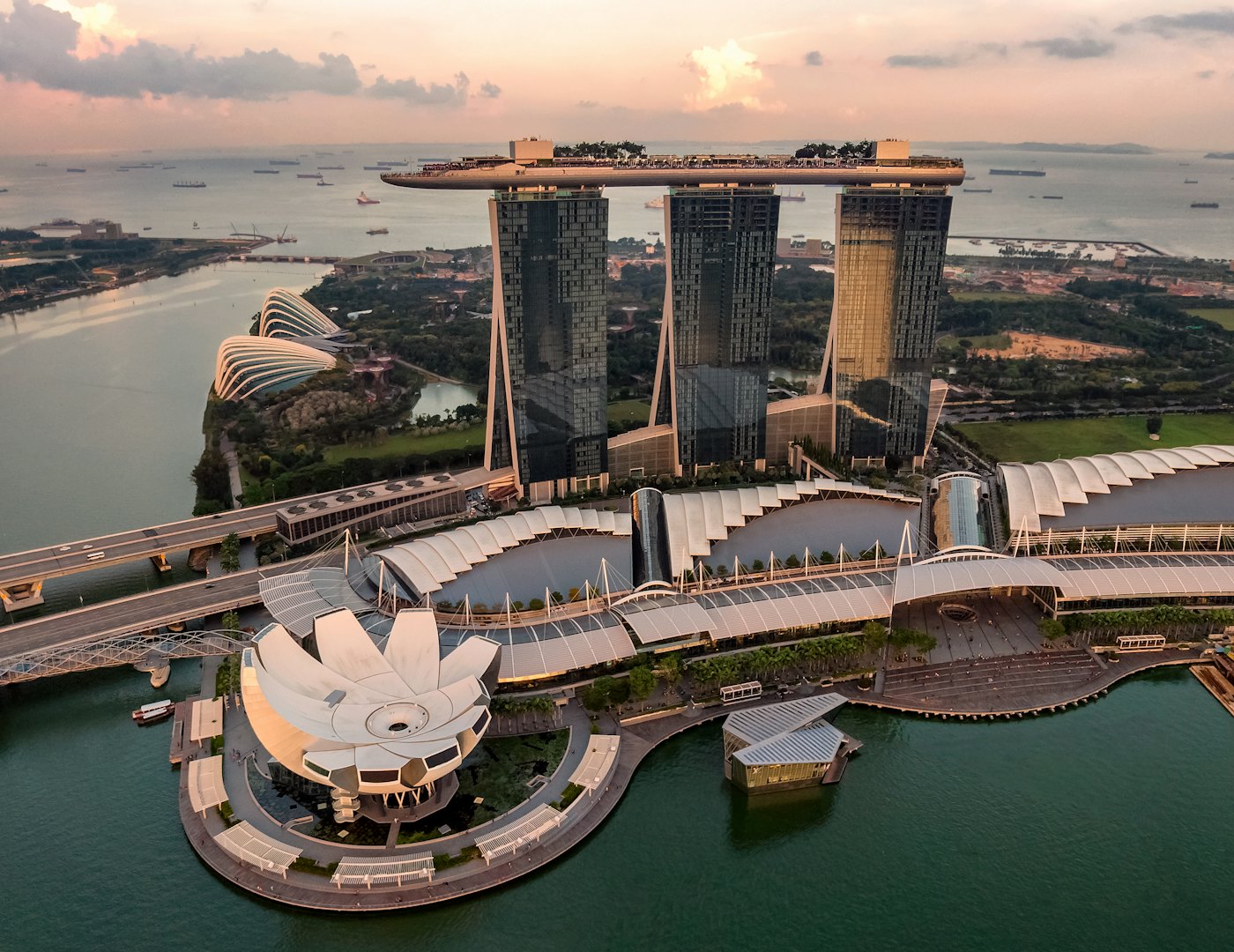 Southeast Asia
City-state
A clear, expensive reference market. Limited land, and prices that show it.
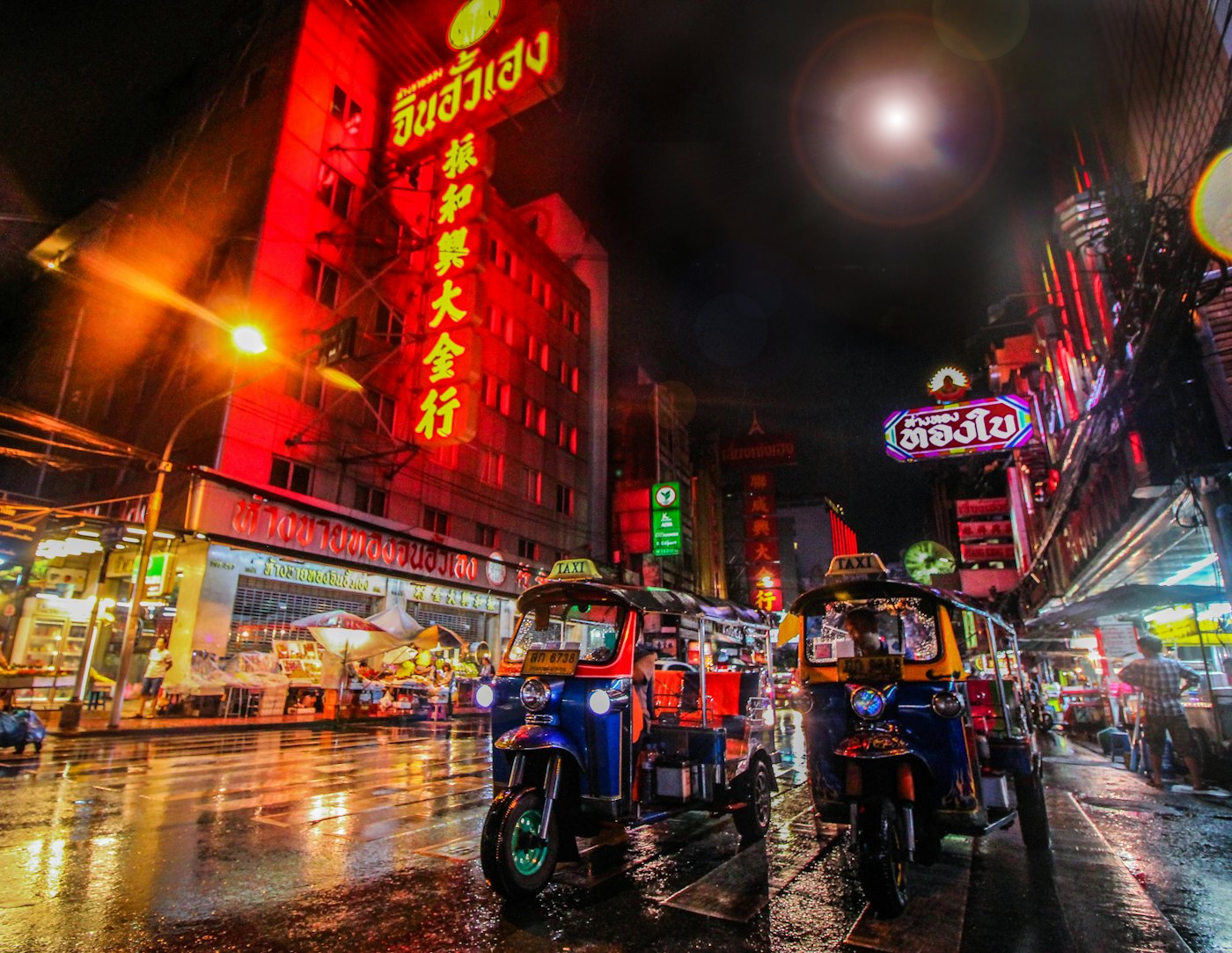 Southeast Asia
Bangkok, then the coasts
A working capital, and coastal cities with their own calendars.
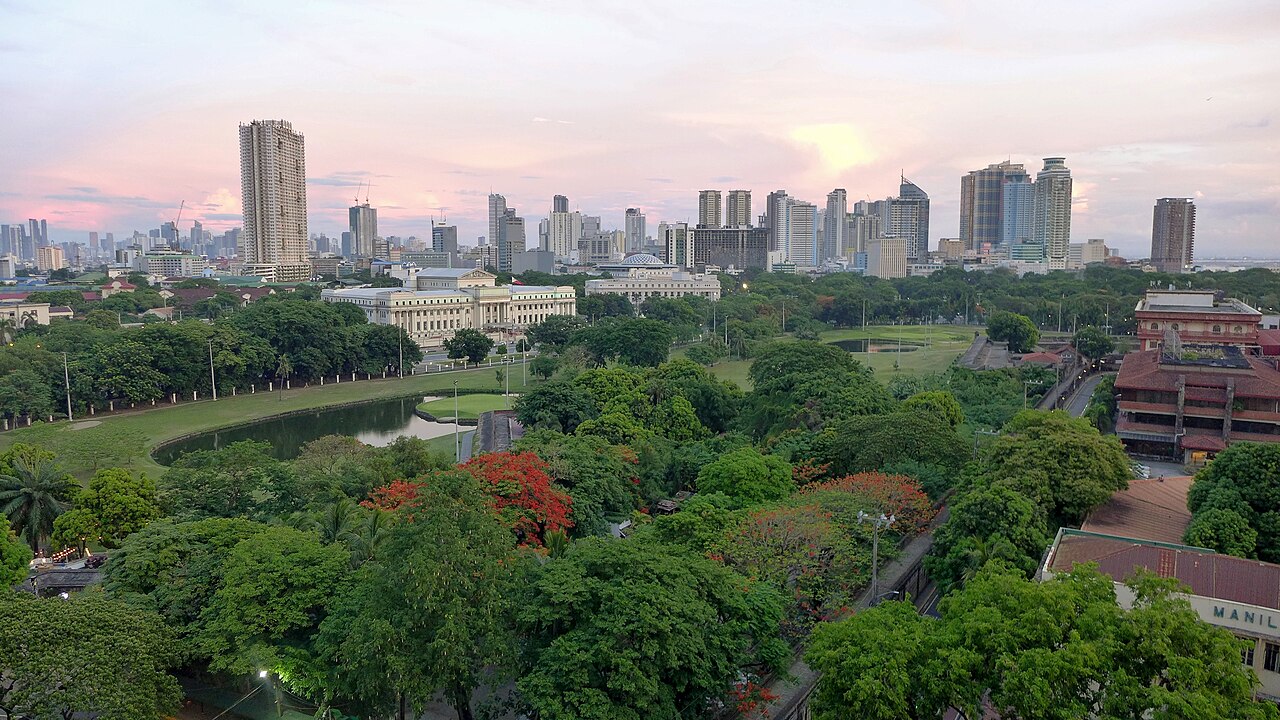 Southeast Asia
Metro Manila and regional centres
A young population, with English widely used at work, across an archipelago. Urban demand sits in a few cities. Distance is the constraint everywhere else.
Across GRIP
The same place, read from another desk.
Continue with GRIP
If this market belongs on a research list, write to GRIP, or continue with the rest of the region.