Who typically looks here
People with a reason to be in Bangkok, and buyers of coastal or second-home property who still need a plan for the empty weeks.
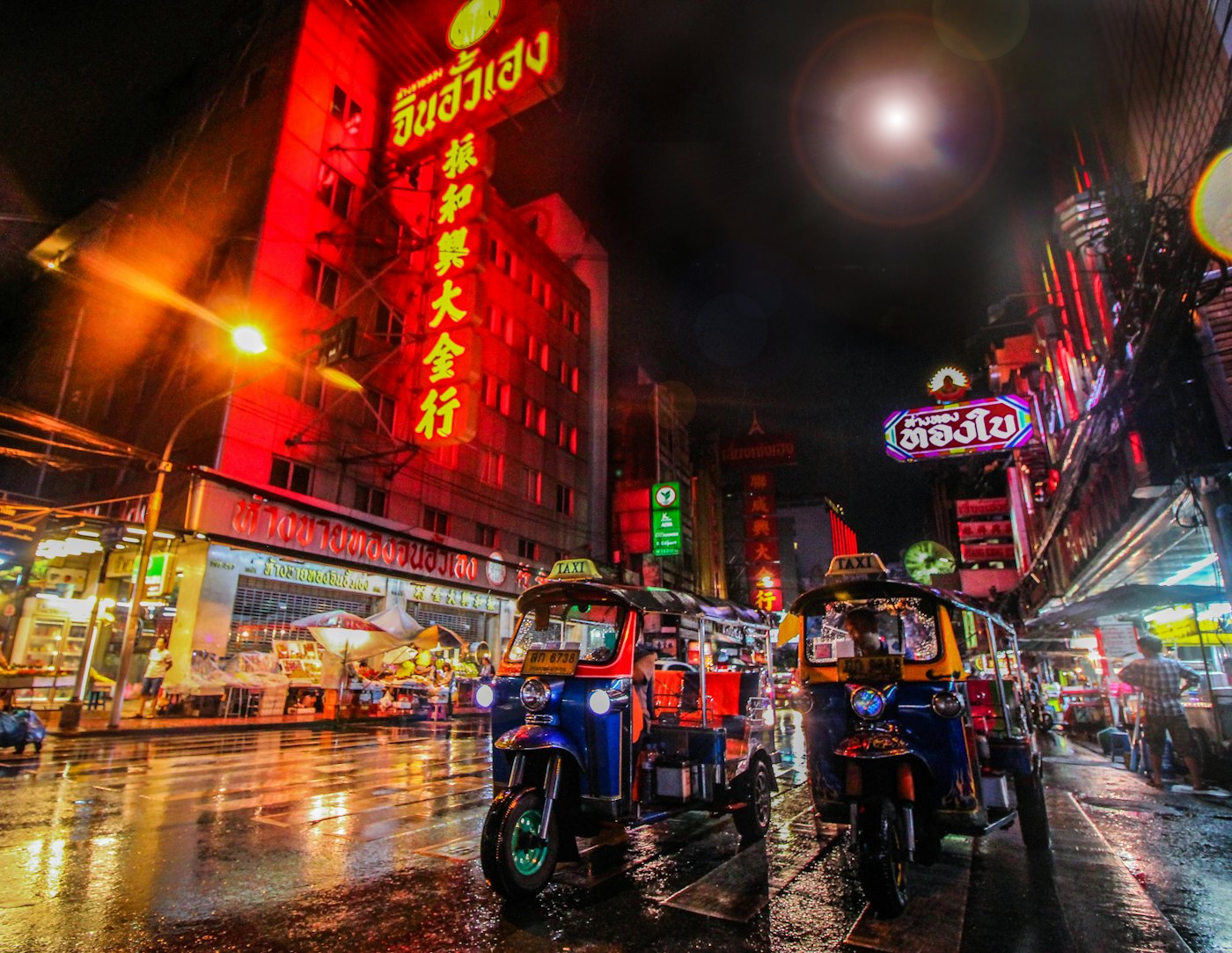
MarketsSoutheast Asia
Bangkok is a city of jobs and hospitals. Phuket, Pattaya, Hua Hin and the islands are visitor and second-home markets, each with its own calendar.
Bangkok concentrates offices, hospitals, universities and the country’s deepest condominium resale. People live there through the year. A beach does not describe that week.
Phuket, Pattaya, Hua Hin, Chiang Mai and a few islands each have their own access and their own calendar. Visitors can fill a week. They are a different occupier from a household tenant, and a busy high season is not a year-round tenancy.
Foreign freehold, where it exists, is a condominium unit inside a statutory cap on foreign-held space in that building. Land is a different and narrower right, usually a registered lease. The sections below keep the cities apart, then the title, the use and the exit.
People with a reason to be in Bangkok, and buyers of coastal or second-home property who still need a plan for the empty weeks.
Whether the offer is a condominium freehold or a lease of land, and whether the occupier is a payroll, a guest, or the owner for part of the year.
A capital and several coasts. Tourism is not stated as a rent.
Figures
Only a named release is printed. The date on each line is that release, not the day this page was read.
Population
70,275,751
As of 1 April 2025
Released 2026 (B.E. 2569 report year)
Preliminary result of the 2025 Population and Housing Census. Census day was 1 April 2025. The report does not print a day of release.
Real GDP growth
2.4%
As of 2025
Office of the National Economic and Social Development Council
Released 18 May 2026
Shown as actual data for 2025. The 2026 column on the same table is a projection and is not printed here.
Residential price index
179.2
As of July 2026
Released 31 August 2026
Nationwide index, 2011 = 100, three-month moving average. July 2026 is marked preliminary. The table was last updated on 31 August 2026. No year-on-year rate is printed beside it.
Foreign condominium ceiling
49% of floor area
As of 2008 amendment
thailand.go.th, citing the Condominium Act
Released 2008 amendment
Section 19 bis, as amended in 2008. The test is the share of space in that building. The years are the amendment, not a statistical release.
Foreign ownership
Reviewed 25 September 2026
Rule
Foreign-held space in a condominium may not exceed 49 percent of the total space of that building. The ceiling is section 19 bis of the Condominium Act, as amended in 2008. It is an area test for the building, not a headcount of units.
Source
City briefs
Bangkok, Phuket, Pattaya, Chiang Mai and Hua Hin do not share a tenant or a season.
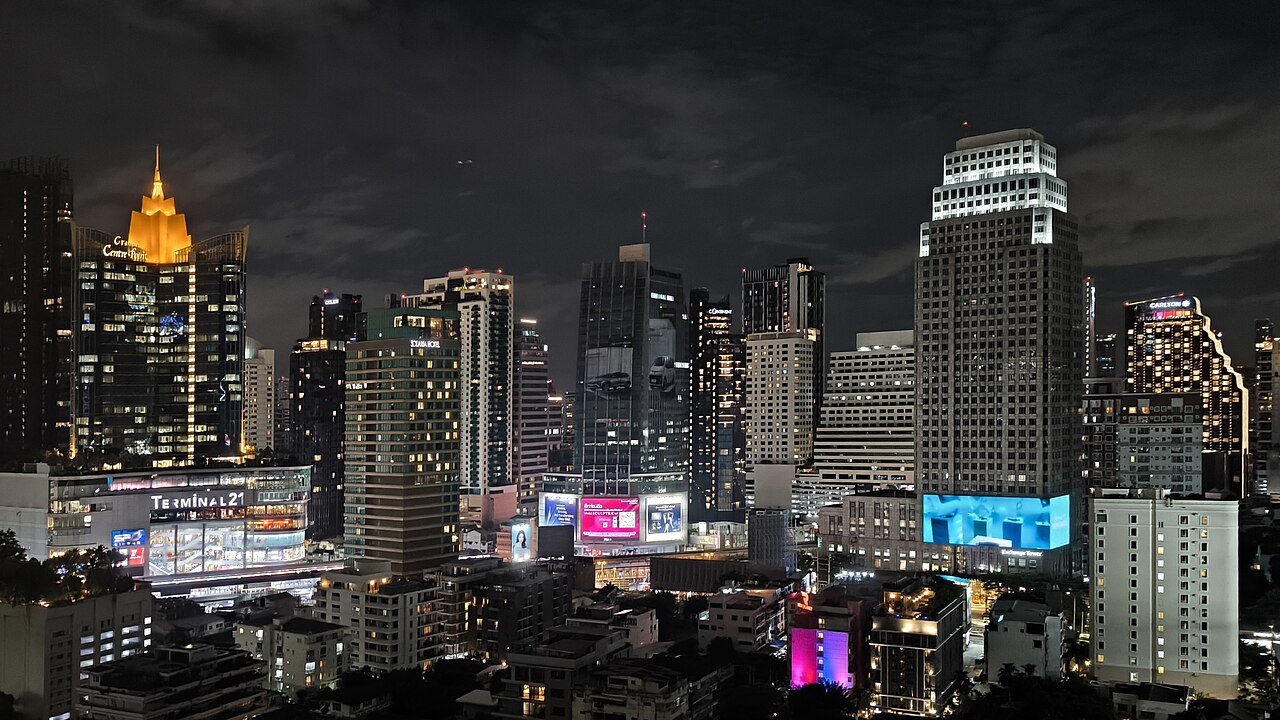
Capital
Jobs, hospitals and rail. A different market from every beach in the country file.

Island
An Andaman airport, a villa trade, and a season of its own.
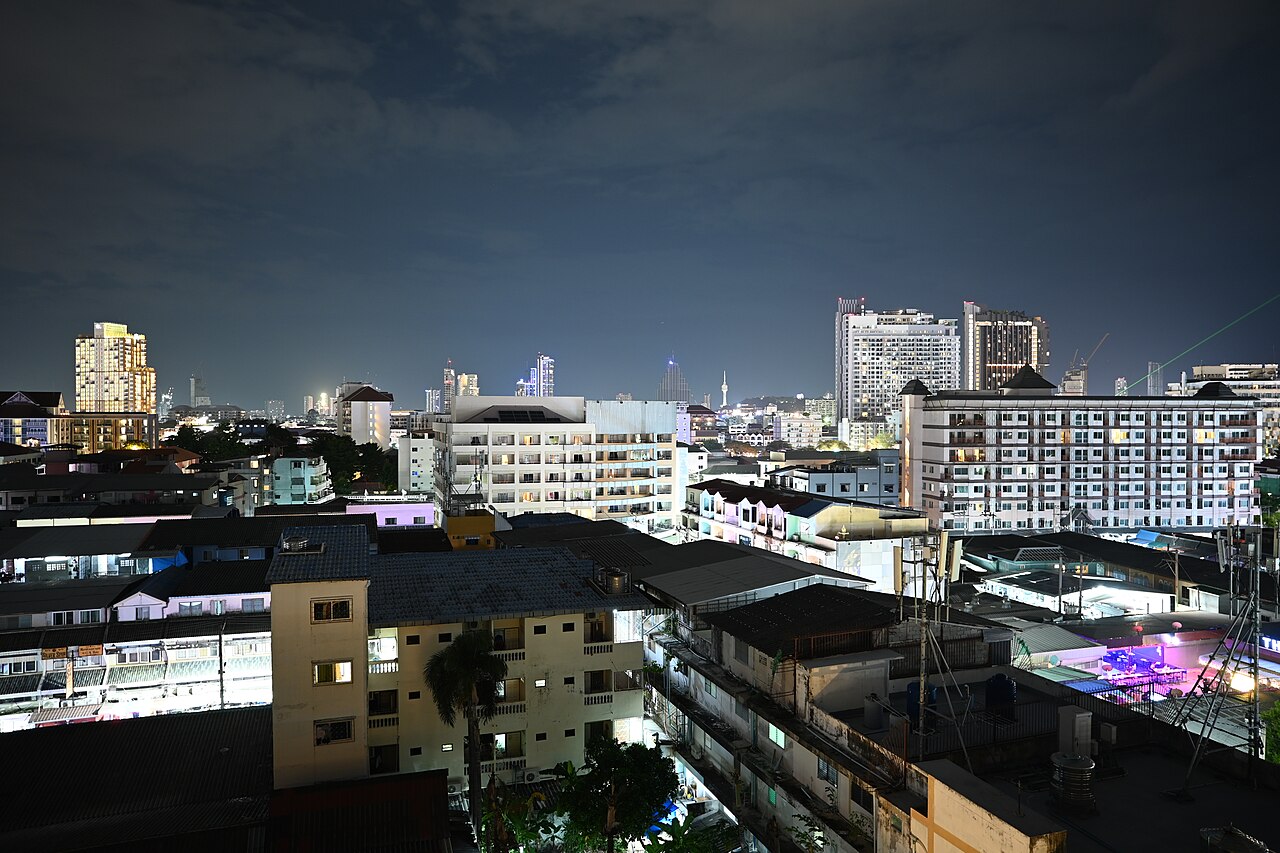
Gulf city
A beach strip beside an industrial corridor. Neither use proves the other.
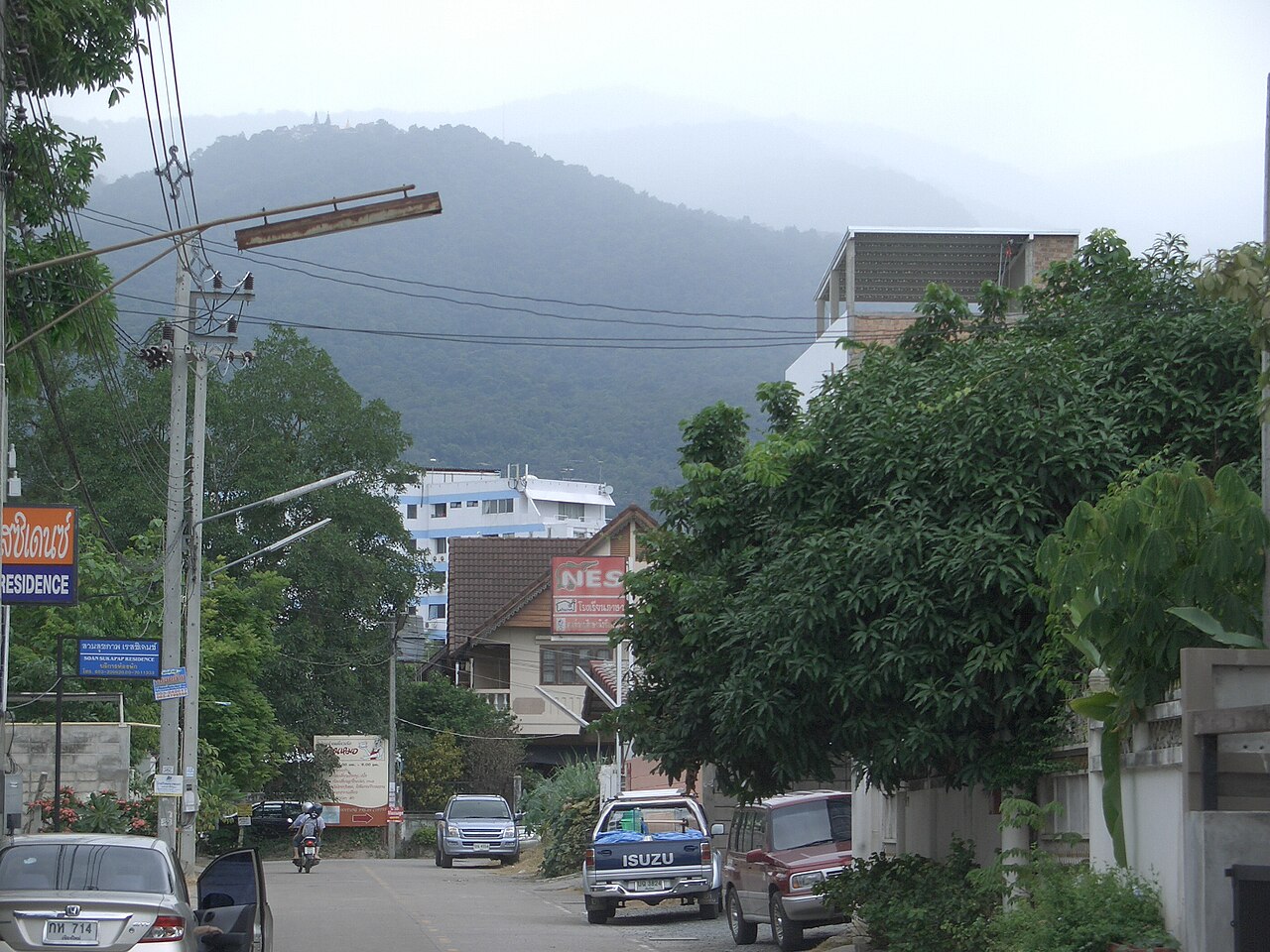
Northern city
A university city inland from the coast, with a season separate from Bangkok.
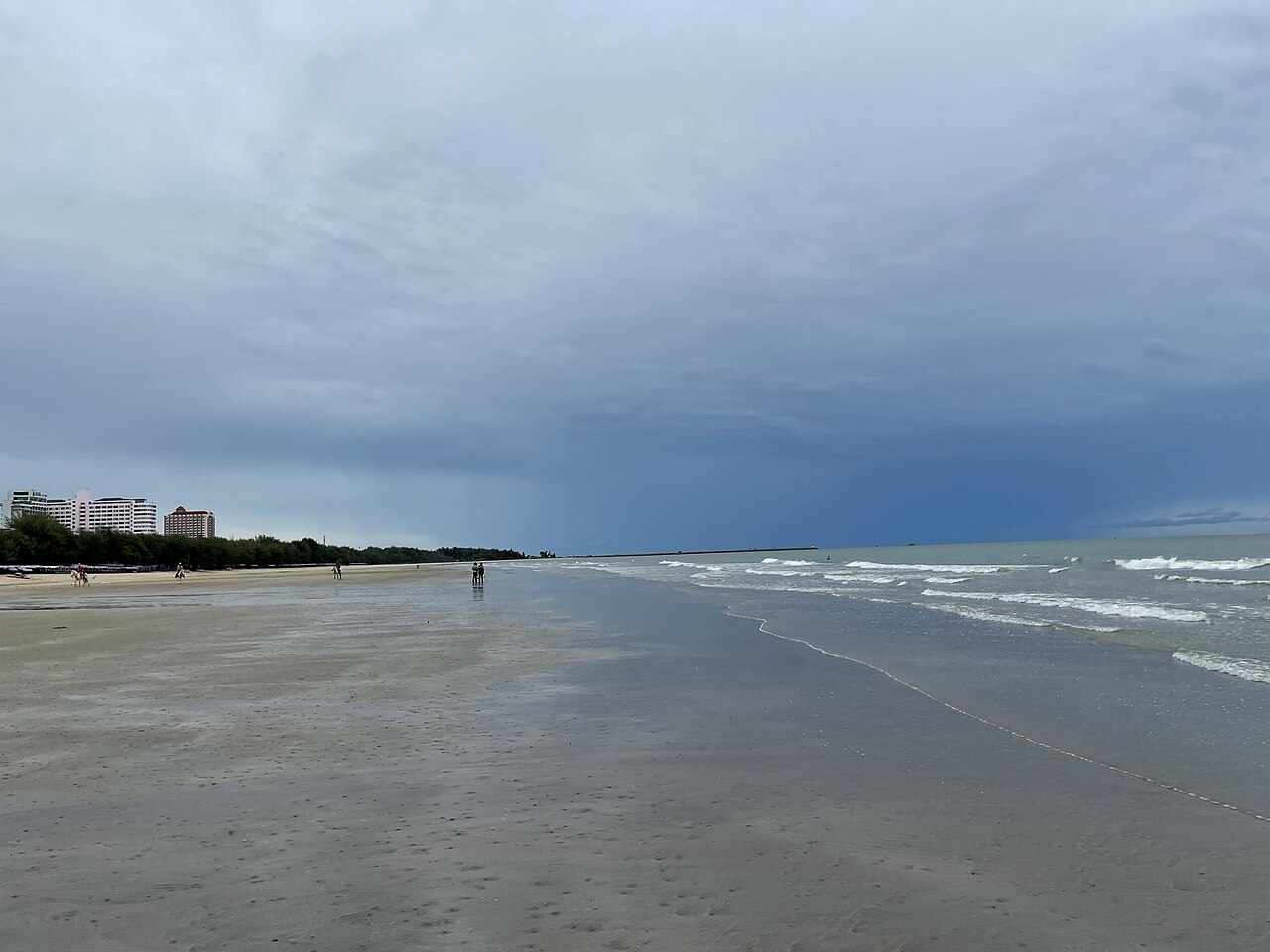
Second-home town
A Gulf town on the railway, used as a weekend from Bangkok.
Each section carries the date it was last reviewed and the documents it was read against.
A working capital. Hospitals, offices and universities set the rental year. A visitor week is a different calendar.
Bangkok is a working capital. Hospitals, universities, government, banks and regional offices are why people rent and buy through the year. A visitor week in the old centre does not describe that market. The city brief holds the districts. This section only separates the capital from everything sold beside a beach.
The liquid foreign stock is the condominium. Sukhumvit, Silom and Sathorn, the riverside, and the neighbourhoods along the rail clear on different rents and in different resale pools. An older block with a juristic person that has already survived a repair is a different object from a tower still in the sales gallery. Landed houses exist, and for a foreign buyer they are usually a lease, not a freehold. That distinction is the ownership section.
Rail that is open changes which soi is a practical commute. A line still in delivery does not. Flooding in the rains is a street fact. The coasts do not share this weekday, and a strong year for hotels does not fill a family flat near an office.
An island with its own airport, organised around visitors and part-year residents. Bangkok’s payroll stays in Bangkok.
Phuket is an island with its own airport, and a property market built largely on visitors and second homes. Patong, the west-coast villa belts, and the east-coast settlements do not share a season or a tenant. A condominium in the foreign quota and a house on leased land are different rights, even when the photographs look alike. Bangkok’s payroll does not travel with the flight.
Demand follows flights and the Andaman calendar. A full week in the high season says little about the wet months, and it is a different contract from a household tenancy. Staff, shops and some flights thin out. Carrying costs do not.
Resale is real and narrower than in central Bangkok. The buyer is often another non-resident with the same plan. When that buyer steps back, the exit lengthens. The island brief keeps the coasts apart.
A coastal city inside the Eastern Economic Corridor, with a separate visitor calendar.
Pattaya sits on the Gulf, in Chonburi, inside the Eastern Economic Corridor. That geography is the point. A beach strip, a Thai residential city, and industrial towns toward Rayong are three uses. A condominium on the sea and a plant toward Rayong serve different weeks.
Visitors, Thai and foreign, are a large part of the short-stay trade. They are not a year-round tenant for every tower. Jomtien, Wongamat and the streets behind the beach road do not clear together. New buildings have been finished in groups. A corridor can be well occupied on a holiday weekend and thin on a Wednesday in the off season.
U-Tapao and the roads back to Bangkok are access, not a Bangkok commute. Treat a promised high-speed link as open only when you can ride it. Until then the drive, and the season, are the facts.
A northern city with universities, hospitals and a visitor season, inland from the beach markets.
Chiang Mai is a regional city in the north: a university, hospitals, a long-settled centre, and a smaller professional life than Bangkok. Nimman, the old city and the villa roads toward Hang Dong answer to different weeks.
The calendar that matters is local. The cool months and the hot months are not the same city, and agricultural smoke in the hot season is a lived constraint, not a filter on a photograph. A household that will live there needs the hospital and the school in those months. A buyer who appears only in the cool season has not tested the holding.
Foreign buyers are often shown houses. The land under them is not, in the ordinary case, a foreign freehold. A lease is a lease. Condominiums exist and trade more thinly than in Bangkok. The city brief is the street reading.
A smaller coast, closer to a second home for Bangkok than to an international resort island.
Hua Hin is a second-home town on the Gulf, reached by rail and road from Bangkok. That link is why it exists as a weekend and retirement market. The jobs are elsewhere, and the town is a different place from Pattaya. The beach condominiums and the houses inland do not share a buyer.
Occupancy leans on Thai families and on foreign residents who are actually there for a season. A short-stay business can be laid on top. It is a thinner order book than Phuket’s, and it still has empty weeks. The train makes a Bangkok weekend possible. It does not make the town a second capital.
Only where a condominium, a lease or a managed room is a real holding. The view is scenery.
Phuket is the island with enough of a standing market to carry its own brief. Koh Samui is the other one where villas and some condominiums trade as second homes rather than as a pure guest week. Access is part of the asset: flights are limited, and many arrivals still come through Surat Thani and a boat. That friction shows up in occupancy and in who will buy the exit.
Smaller islands, where the only way in is a boat and the only buyer in sight is a guest, are hospitality operations. A full week at New Year is a holiday week, not a housing market. They do not get a city brief. A hotel use is nights and a manager. A month in which nobody lives there is an empty month.
The foreign freehold is a unit, and only inside the statutory foreign-area ceiling.
A condominium unit is the usual foreign freehold. It is a unit plus a share of the common property, administered by a condominium juristic person. It is not the land under a house. The transfer the Land Office will register, and the pack it asks for, are the ownership. A contract in a sales gallery is an earlier and weaker document.
Foreign-held space in a registered building is capped. The government page that cites section 19 bis of the Condominium Act, as amended in 2008, states the ceiling as not more than 49 percent of the total space of that building. The affidavit used at transfer is about area, not a headcount of units. A building can therefore be closed to a further foreign freehold before half the units have foreign owners. The quota belongs to the building. A percentage printed beside a floor plan is not the affidavit.
One official explainer describes the same rule as a share of units. The affidavit and the section cited above are about area. Where they differ, the registration test is the one the Land Office applies. Proposals to change the ceiling circulate from time to time. They are not the Act until they are in force.
Forty-nine percent of a condominium’s total space is the cited ceiling. Land for a foreigner is usually a lease, and the lease has a limit.
Land is the restricted object. A foreign individual should assume a house and the land under it cannot be taken in their own name. Narrow exceptions exist in the Land Code and in investment law. They are not the path a condominium buyer is being offered. The Department of Lands is the registrar.
A lease is the usual way a foreigner holds a house or a plot. Under the Civil and Commercial Code a lease of immovable property for more than three years must be registered to be enforceable beyond three years, and the term may not exceed thirty years. A longer term is reduced. A renewal is a further contract when the term ends. It is not an automatic second and third term, and a promise of thirty-plus-thirty-plus-thirty does not register as ninety years. The Land Office registers the term the Code allows.
A Thai company assembled so that a foreigner can control land is a different and serious legal question, under the Land Code and the Foreign Business Act. It is a known hazard. Counsel should be independent of the seller. A condominium quota does not confer a visa, and a visa does not put land in a foreign name.
Bangkok rent follows jobs and hospitals. Beach occupancy is a different count.
Longer lets in Bangkok follow jobs, hospitals, universities and a foreign resident population that is actually living there. The corporate slice, furnished and often near the rail, is real and narrow. Most tenants are local households who do not pay that rent and often do not want that building. Sukhumvit, Silom, the riverside and an outer station are different pools.
Tourism is not this demand. A hotel quarter can be full in a festival week while a family flat near an office lets, or fails to let, on the employment calendar. Short stays inside a residential tower are a licensing and a house-rules question, taken up below. They are not evidence that the long-let market is healthy.
No rent and no yield are stated. Empty months, common fees, furnishing and tax sit between a headline rent and what the owner keeps. Who was in the unit last year is the relevant record.
A coast is a different occupier, a different season and a different exit from the capital.
The coast splits by geography. Phuket is an Andaman island with an airport and a villa trade. Pattaya is a Gulf city beside an industrial corridor. Hua Hin is a second-home town on the train. Samui is a thinner island market with awkward access. A condominium, a leased villa and a hotel-managed unit can stand on the same beach and still be different assets.
What they share is dependence on people who do not have to be there. That is a weaker base than a payroll. Drainage, the road in, and the manager matter as much as the aspect. Low ground floods. A west-facing Andaman monsoon is not a Gulf rain. The seasonality section is that split.
A hotel room and an apartment with a letting promise are operating assets. A visitor arrival still has to become a contract.
A hospitality asset earns nights. The guest, the flight and the manager are the business. A residential condominium earns a lease, if it earns anything. Putting a platform listing under a flat does not turn the second into the first.
Temporary accommodation provided as a business can fall under the Hotel Act. A residential tower is rarely a licensed hotel, and the juristic person’s regulations can forbid short stays even where the owner believes a platform booking is enough. A hotel-managed unit on the coast is an operating contract, with fees, brand rules and an owner who does not control the calendar. The management agreement is the document that sets those terms.
Gross revenue before those costs is not a result. Cleaning, utilities, platform fees, empty weeks and the manager sit in between. This page does not compute either side.
A home used for part of the year has empty weeks. Those weeks are part of the holding.
A second home is a use: someone intends to occupy it for part of the year and leave it for the rest. Hua Hin, parts of Phuket, Chiang Mai in the cool months, and some island villas are where that use is ordinary. It can be a sound reason to hold a place. It is a poor reason to assume a tenant will appear in the weeks the owner is away.
The costs do not take the season off. Common fees, a lease payment, a pool, a manager and insurance continue. If the plan needs those empty weeks to be rented, the holding has become a short-stay business and should be read as one. A retirement or long-stay visa does not change the title.
Off-plan is a payment schedule. A finished block with a juristic person already has a record.
Off-plan sales are a contract to pay a developer before the building exists. Completion can move. The finished product can differ from the gallery. Several towers often complete in the same Bangkok corridor, or the same Pattaya and Phuket strip, because they were launched together. That is a local supply event. It is not a statement about the country, and it is not a statement about an older block that is already occupied.
A new building has no history of common fees, defects or a juristic person that has already held an annual meeting. Incentives at launch can make the contract price a weak comparable. No count of unsold units is printed here. The question on a soi is what else is being handed over in the same year, and who it was built for.
The juristic person, the sinking fund and the rules of the building decide the running cost.
The condominium juristic person runs the common property. Fees, the sinking fund, insurance and the annual meeting are the building after the developer has gone. A debt-free certificate from that juristic person is part of the transfer pack the government describes. Arrears are not a surprise that appears only in other people’s buildings.
A low fee at launch is the fee before the first major repair. Lifts, façades and, on the coast, salt and drainage cost more than a new lobby. On a villa estate the manager may be a hotel operator under a separate contract. That fee is an operating cost. It is not the same document as a condominium sinking fund. Read the one that applies.
An open rail line changes a commute. A promised extension is still a project.
In Bangkok the fact that matters is which rail line is open. The BTS, the MRT and the Airport Rail Link have redrawn some commutes and left others unchanged. An extension, or a high-speed line to the coast, changes a site when a person can ride it. A masterplan does not. Flooding and the sois the rail does not reach are still the trip.
Airports organise the rest. Suvarnabhumi and Don Mueang serve the capital. Phuket and Chiang Mai have their own. Pattaya’s relevant field is U-Tapao, not a Bangkok terminal. Samui’s air access is limited. Hua Hin’s advantage is the railway, which is a weekend fact, not an urban metro. Power, water and drainage are building questions, and on low coastal ground they are the difference between a photograph and a wet season.
Visitor demand can fill a calendar and can also disappear. A local lease is a separate contract.
Tourism employs people and fills hotels, boats and some shopfronts. On Phuket, on parts of Pattaya, and on the smaller islands, property occupancy moves with that trade. A strong visitor year can lift nights in those places. It does not create a tenant for a Bangkok condominium whose occupier is a nurse, a student or an office worker.
The error is to treat an arrival trend as a rent. Hotels are built for the trend. A flat with a kitchen is not a hotel unless it is licensed and managed as one. Domestic travellers are a large part of several beach calendars. Marketing written only for a foreign buyer describes a thinner business than the one that operates, and still does not describe a lease.
The peak weeks are a minority of the year. The mortgage and the manager do not take those weeks off.
The Andaman coast and the Gulf do not take their rain in the same months. A high-season week on Phuket is not evidence about Hua Hin or Pattaya, and a Gulf holiday weekend is not evidence about an Andaman villa in the monsoon. Chiang Mai’s year turns on heat and smoke as much as on rain. Bangkok works through the year. The rains change the commute. They do not close the city.
Underwrite the thin weeks. That is when flights, staff and guests step back, and when a second-home owner is also absent. A December that is full does not scale to a year.
Resale is local. A foreign quota that is full, or a building that is tired, narrows the next buyer.
Bangkok condominiums in places where people already live and work have a deeper resale than a leasehold villa on an island. Depth is still local. A foreign buyer of a condominium needs a unit that can still be registered against that building’s foreign-held area. Ask the juristic person for the current figure before treating the exit as open. A sale to a Thai buyer is a different pool.
A lease wastes. What is left of the term is a large part of the price, and a renewal promised in the offer may not bind the next owner of the land. On the coast, buyers and guests often disappear in the same months. Liquidity then is whether anyone wants that specific right, in that month.
Tenure, the building, the season and the currency of the owner’s spending. Each can move without the others.
Tenure first. A condominium freehold inside the foreign area, a registered lease of not more than thirty years, and a company arranged around land are not three versions of ownership. The first is a unit. The second ends. The third can fail. The framework is above. It is not restated as a method.
Then the use. A coastal unit priced as if visitors were a tenant. A second home whose empty weeks are written into the income. A new tower handed over with others on the same road. A juristic person whose fees were never the ones in the gallery. Short-stay rules that the listing ignored.
Then the exit and the currency. Baht rent, baht fees and a life lived in another currency do not hedge each other. A home a household will use can still be the right holding. It becomes a problem when it is asked to earn a rent the building has never produced. This note is not legal, tax or immigration advice.
Related briefings

Real estate research
Freehold, leasehold, strata, quota, company. The words are dull. They are also the asset.
Brief3 September 20262 min read
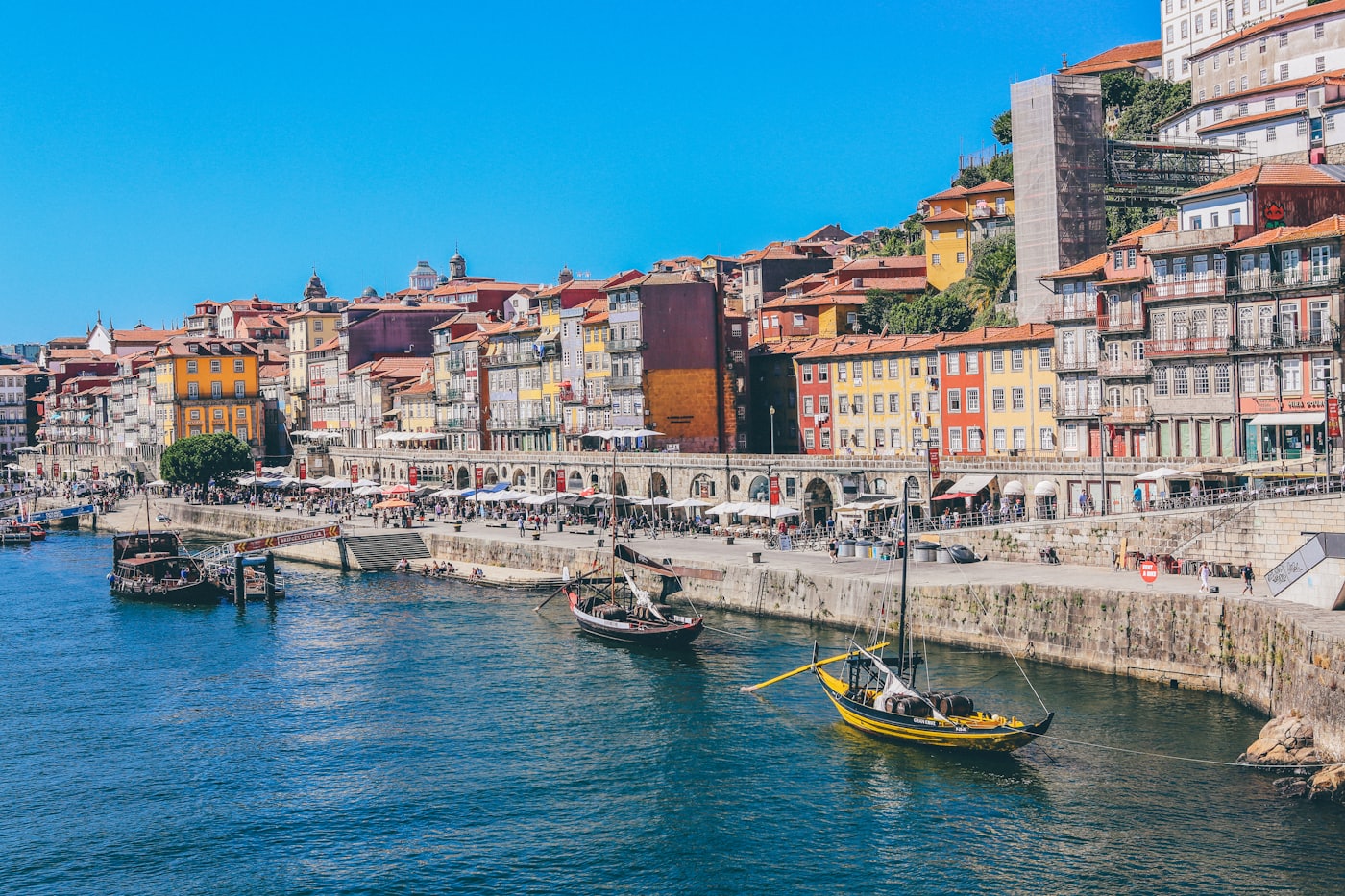
Markets and cities
Passports got more useful. Title registers did not become universal. Plan for both facts at once.
Brief28 July 20262 min read

Real estate research
There is no international standard for who may hold land. The jurisdiction in front of the title is the one that applies.
Brief9 June 20262 min read
Nearby on the map
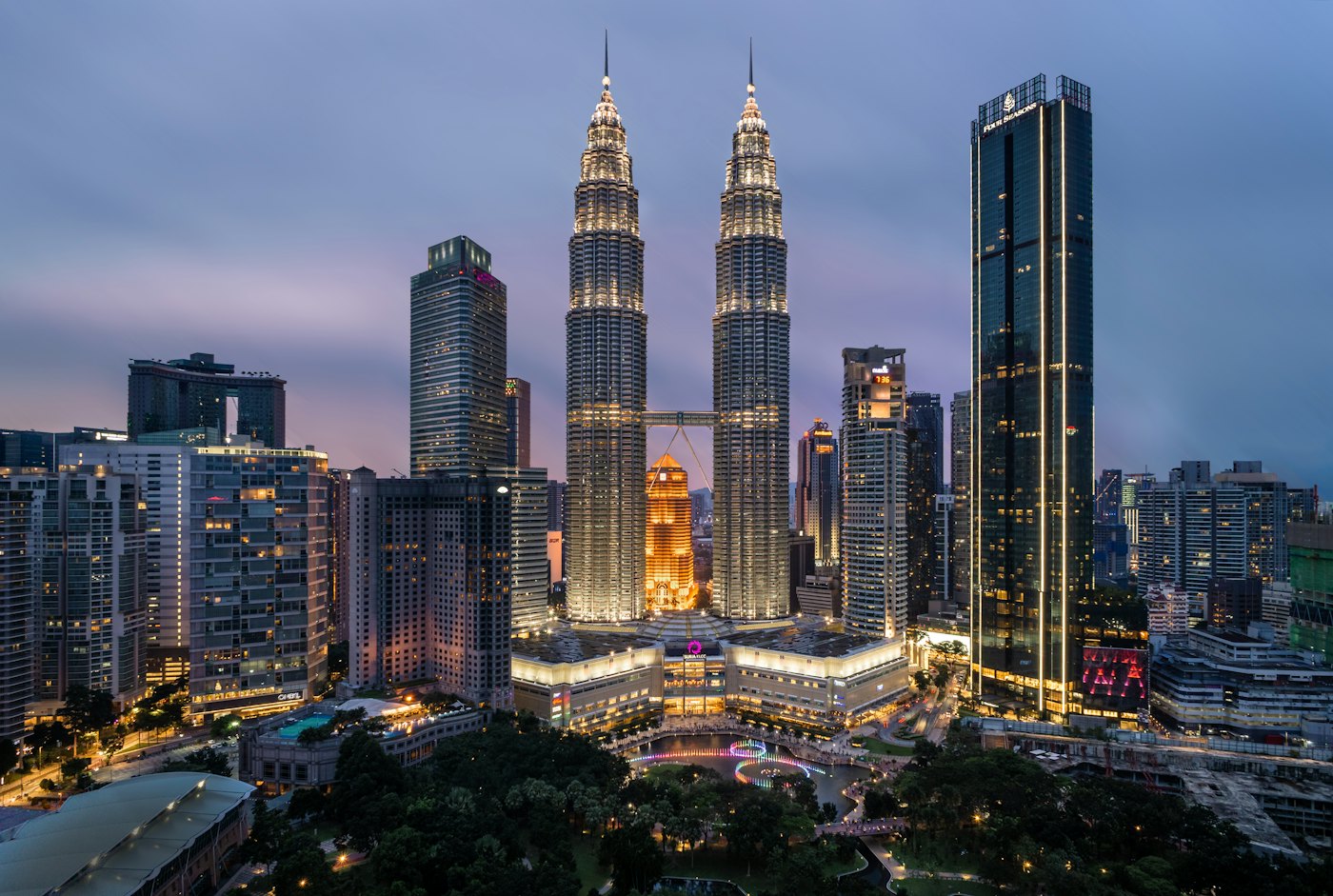 Southeast Asia
Kuala Lumpur, Johor and Penang
A bilingual commercial hub with a mixed urban fabric and a long history of regional capital passing through.
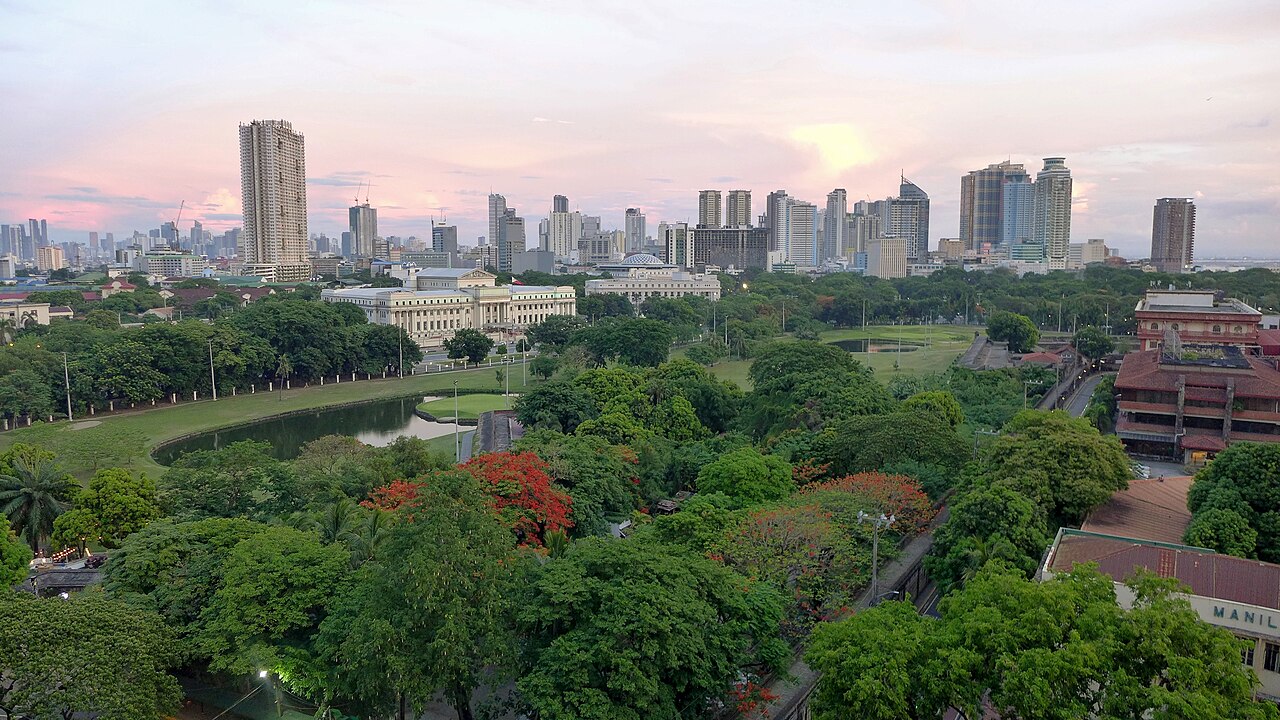 Southeast Asia
Metro Manila and regional centres
A young population, with English widely used at work, across an archipelago. Urban demand sits in a few cities. Distance is the constraint everywhere else.
 Southeast Asia
City-state
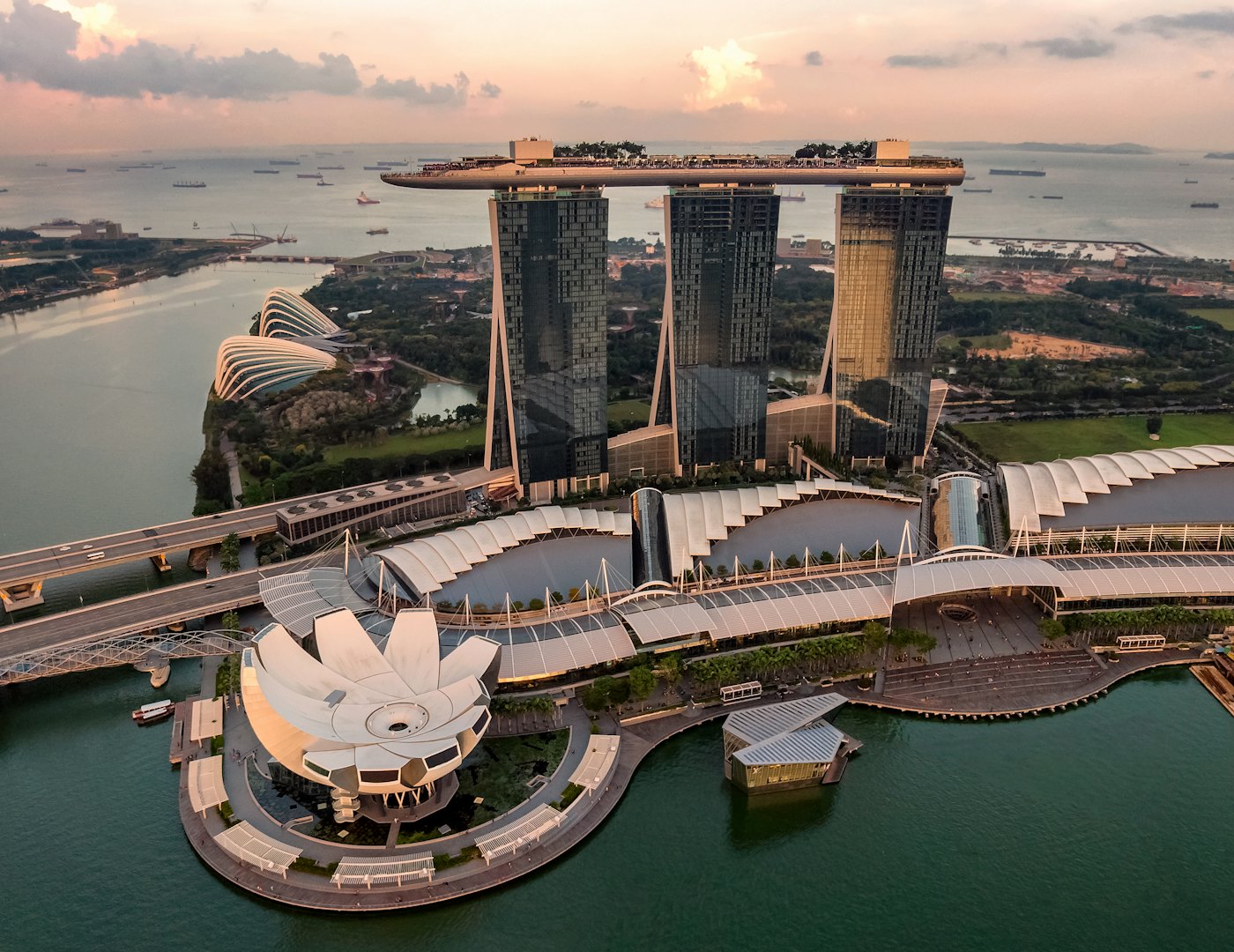
A clear, expensive reference market. Limited land, and prices that show it.
Across GRIP
The same place, read from another desk.
Continue with GRIP
If this market belongs on a research list, write to GRIP, or continue with the rest of the region.