Economy
Credit, jobs and business confidence shape demand for property before a project is marketed.
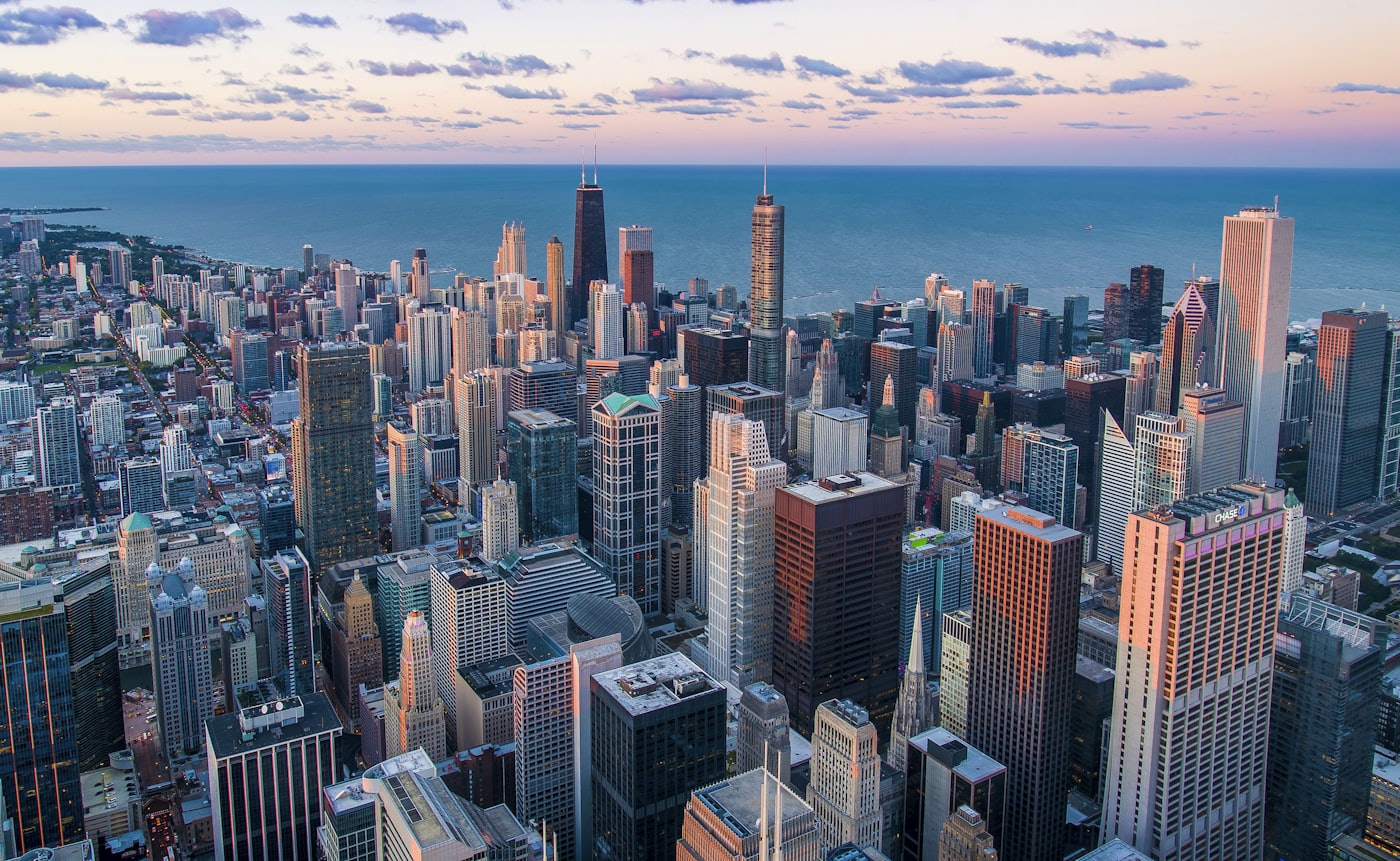
Research on markets and real estate
Country research, real estate, investment intelligence and the GRIP Library.
The GRIP perspective
It is attached to an economy, a legal system, a labour market and a way of living. GRIP starts there.
Employment, the commute and the title matter more than the kitchen.
Credit, jobs and business confidence shape demand for property before a project is marketed.
Ports, rail, power and digital capacity reprice streets over a decade.
Who is arriving, leaving or staying changes demand.
Visitor economies support some markets and overheat others. The difference matters.
Tenure, tax, foreign-ownership rules and planning are part of the asset.
Schools, safety, climate and daily ease decide whether a place is holdable.
Where firms cluster, space, housing and services tend to follow.
Age, household size and urbanisation shape what gets built and who can buy it.
Domestic savings, foreign capital and currency belong in the same picture.
Country research
The current directory of markets, with more destinations to follow.
 Southeast Asia
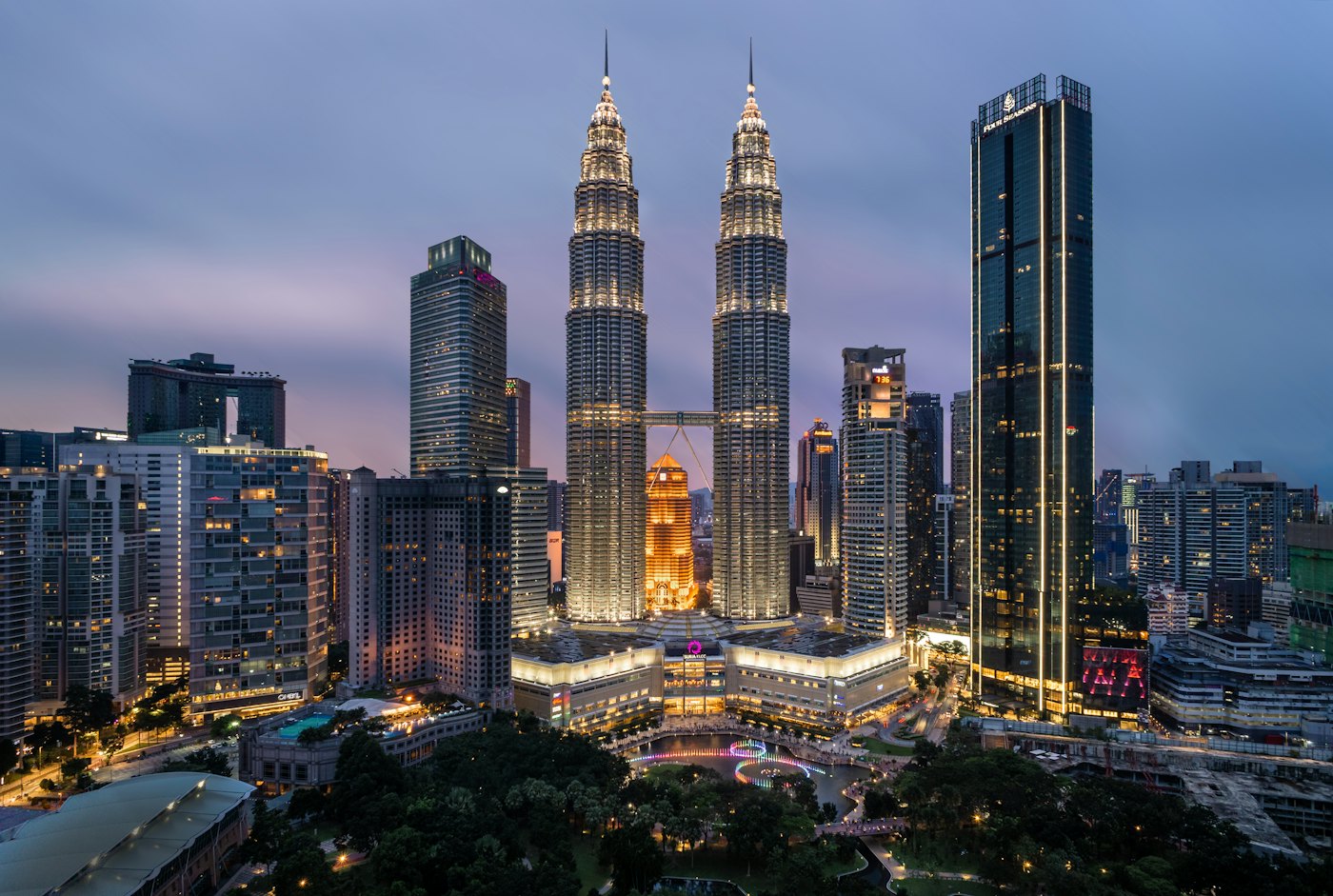
Kuala Lumpur, Johor and Penang
A bilingual commercial hub with a mixed urban fabric and a long history of regional capital passing through.
 Southeast Asia
Bangkok, then the coasts
A working capital, and coastal cities with their own calendars.
 Southeast Asia
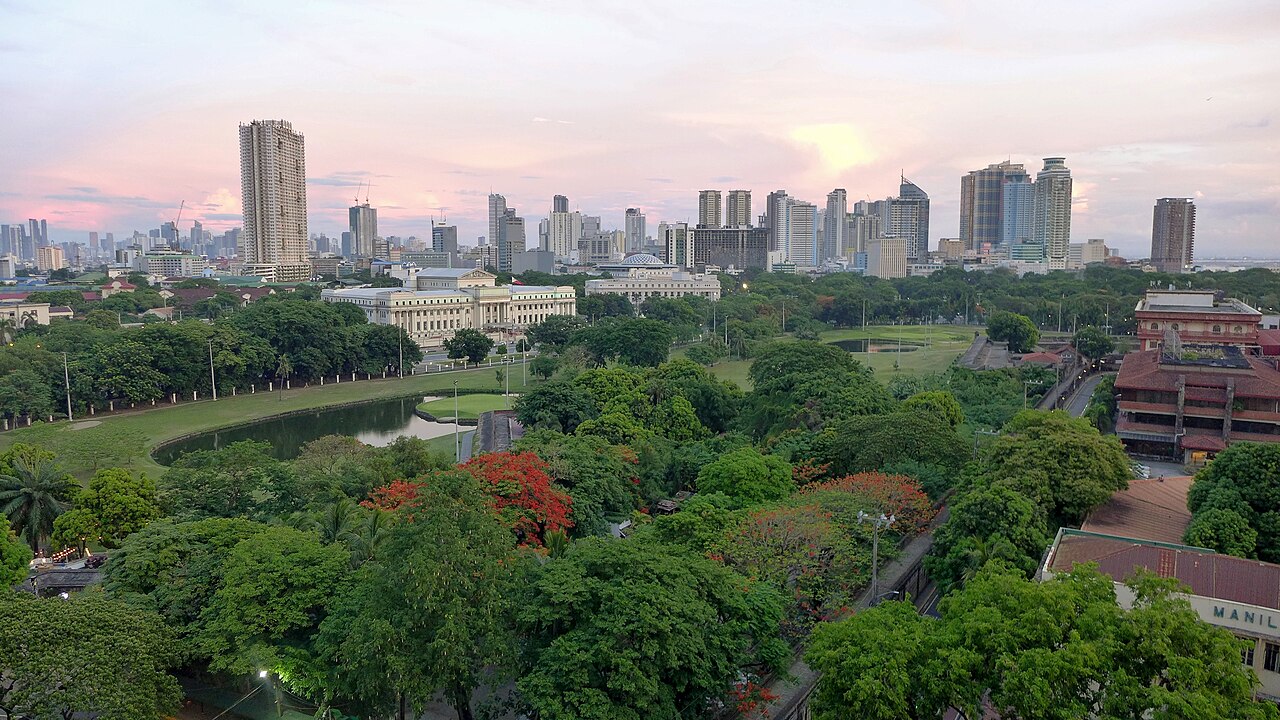
Metro Manila and regional centres
A young population, with English widely used at work, across an archipelago. Urban demand sits in a few cities. Distance is the constraint everywhere else.
 Southeast Asia
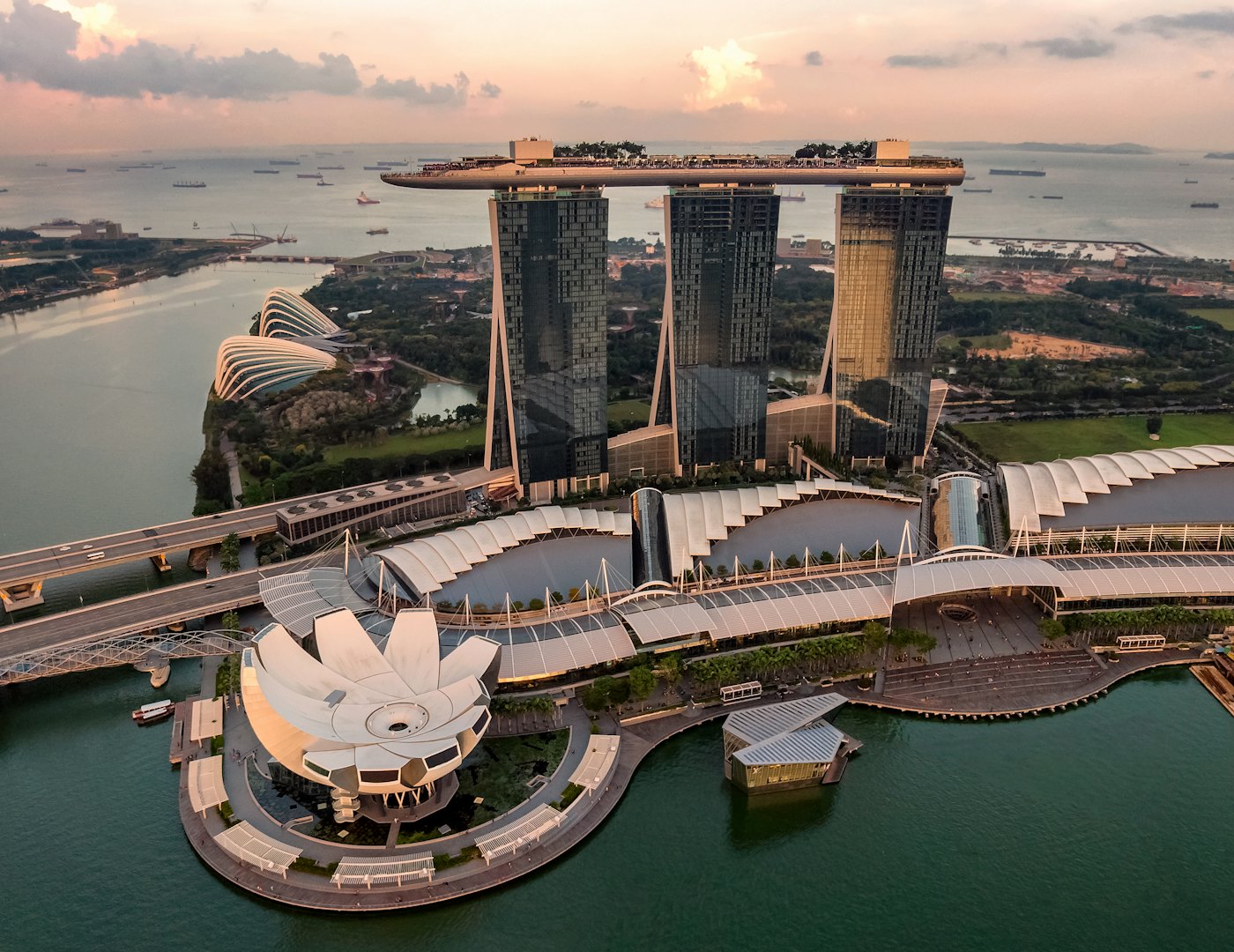
City-state
A clear, expensive reference market. Limited land, and prices that show it.
 South Asia
Colombo and southern coasts
An Indian Ocean island: Colombo and the south coast are different markets, and both sit closer to the state’s finances than the ASEAN cities do.
 Europe & Eurasia
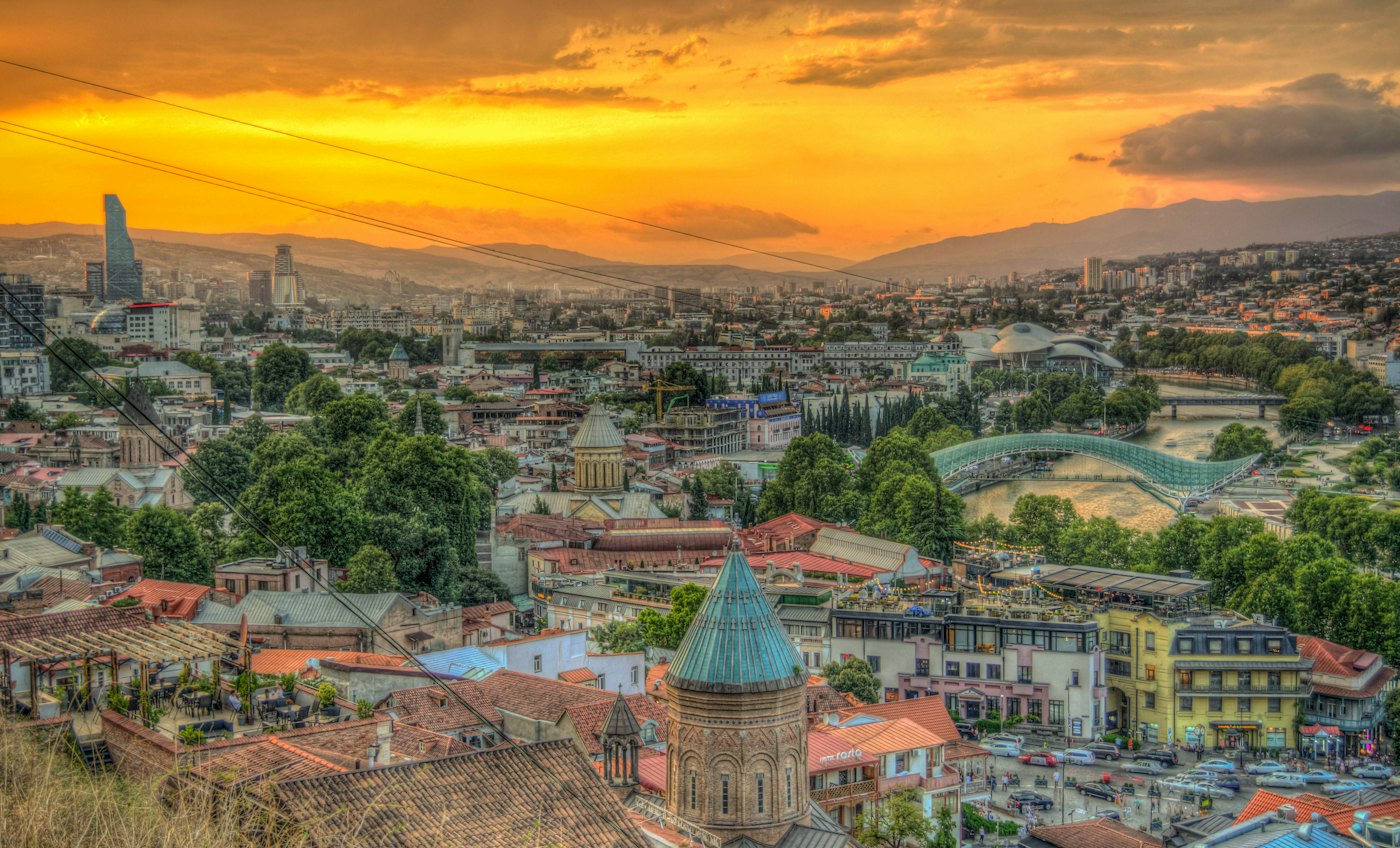
Tbilisi and Batumi
A compact capital on a historic crossing, with relatively open property access and a smaller, less liquid market.
 Europe & Eurasia
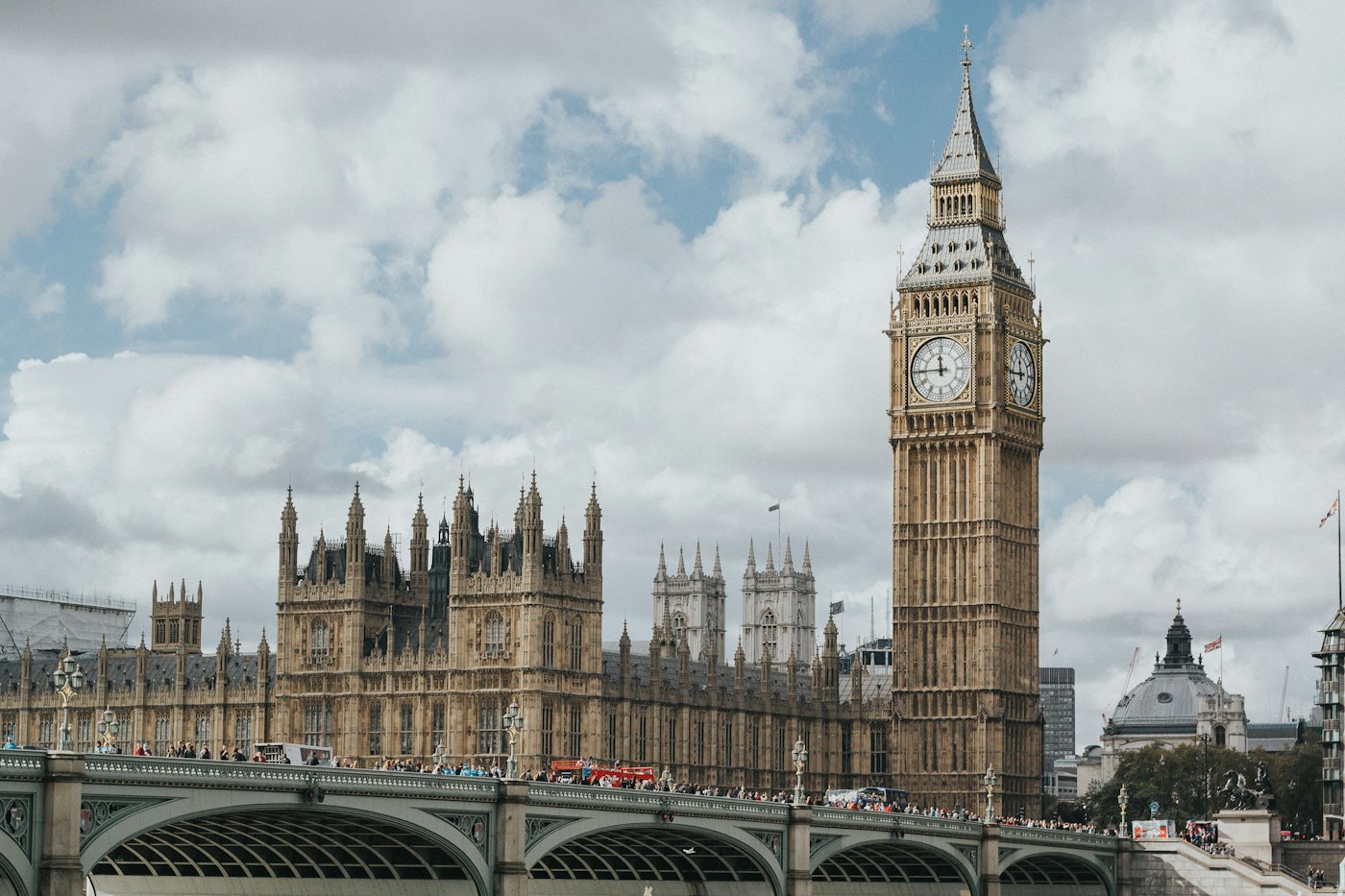
London, then the other cities
A deep, documented market, with London attached and with tax and planning rules that are written down.
 Middle East
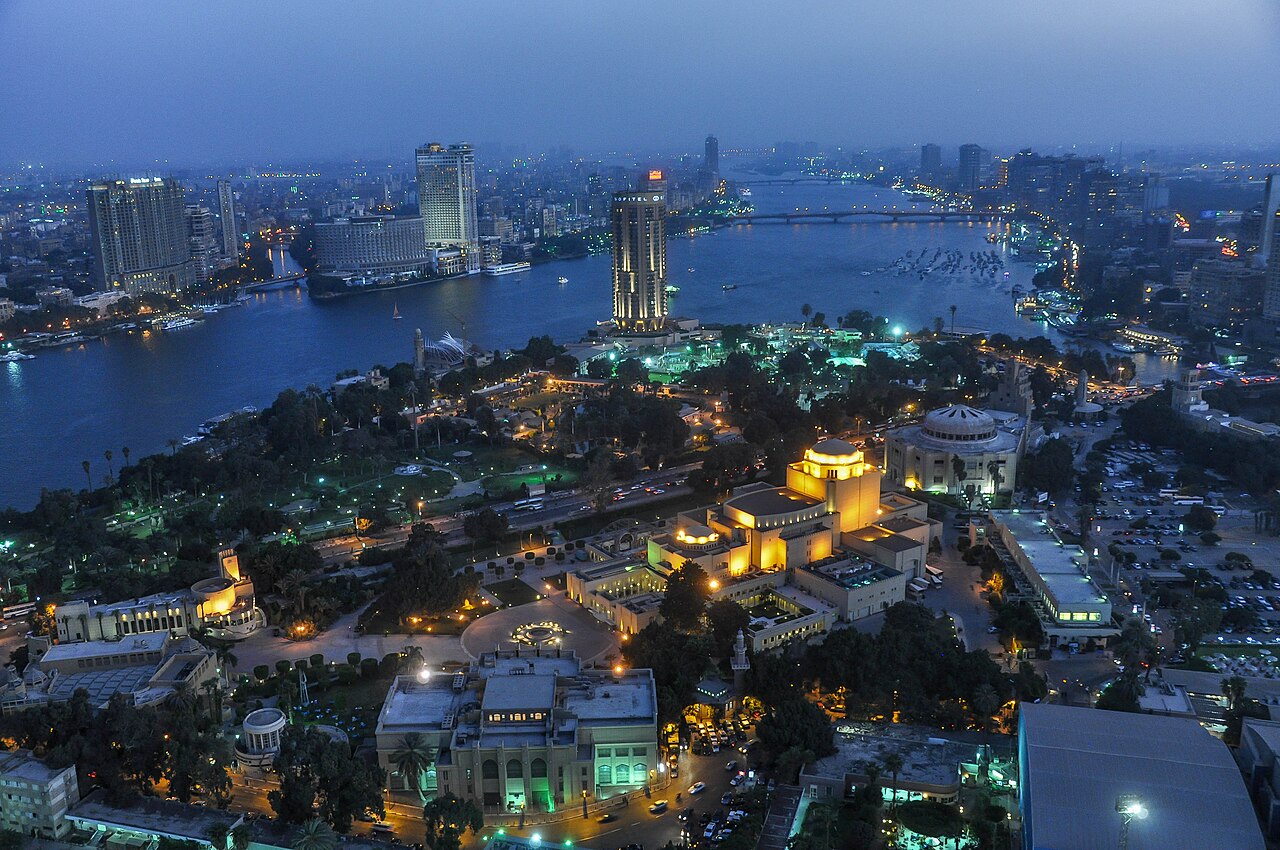
Cairo, the new cities, Alexandria, the Red Sea
A large domestic economy on the Nile, with a canal between the Mediterranean and the Red Sea.
 Middle East
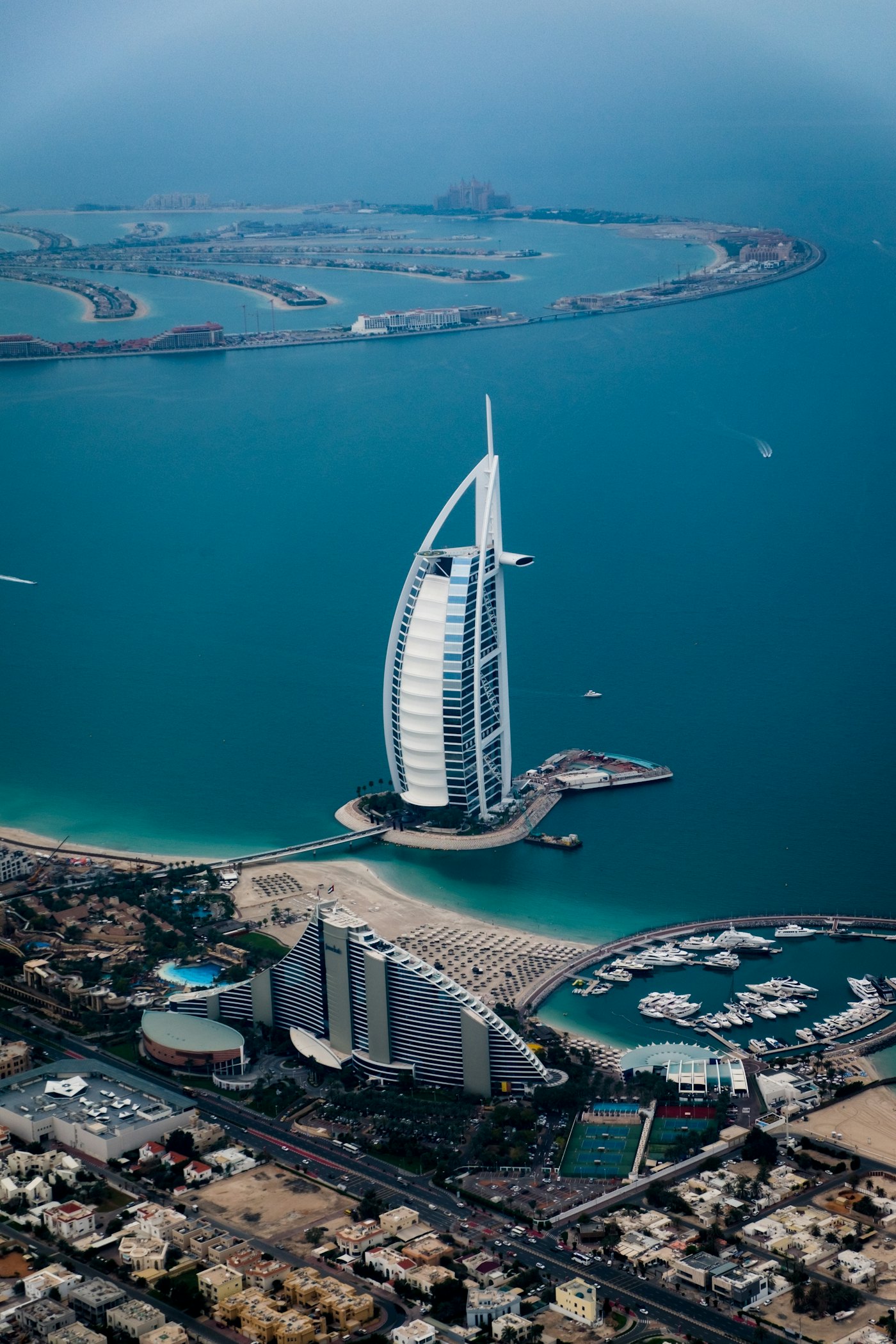
Dubai and Abu Dhabi
International capital, a large expatriate population, and two cities that should not be treated as one product.
Real estate research
How a holding is read: use, tenure, and the market it sits in.
Some assets are held for rent. That role depends on occupancy, tenure, management and local law.
Long-duration property can play a capital-preservation role when location, condition and liquidity support it.
A second country, currency or city changes the exposure only when the drivers differ.
A home, a base, or a place to work from. Use has a value of its own. The brief names which one.
Property is often held across generations. Who inherits, and on what title, is part of the holding.

Beyond property
Firms, infrastructure and the right to live somewhere sit beside the property file.
Economy
Growth, inflation, rates and trade shape what a building can earn and what it costs to hold.
Startup Ecosystems
Startups, headquarters and industrial clusters pull people and then housing.
Infrastructure
What gets built around a city often matters more than what gets marketed inside it.
Migration and residency
The right to live somewhere is separate from the right to own there.
Tourism
Short-stay demand can support a market. It can also crowd it.
Global Investment
Time, currency, rates and where capital sits. Research on the forces, not a security.
Global mobility
Work, family and second-home patterns are more cross-border than they were.
GRIP Library
Longer notes on property, markets, investment and startups, filed beside the country hubs.
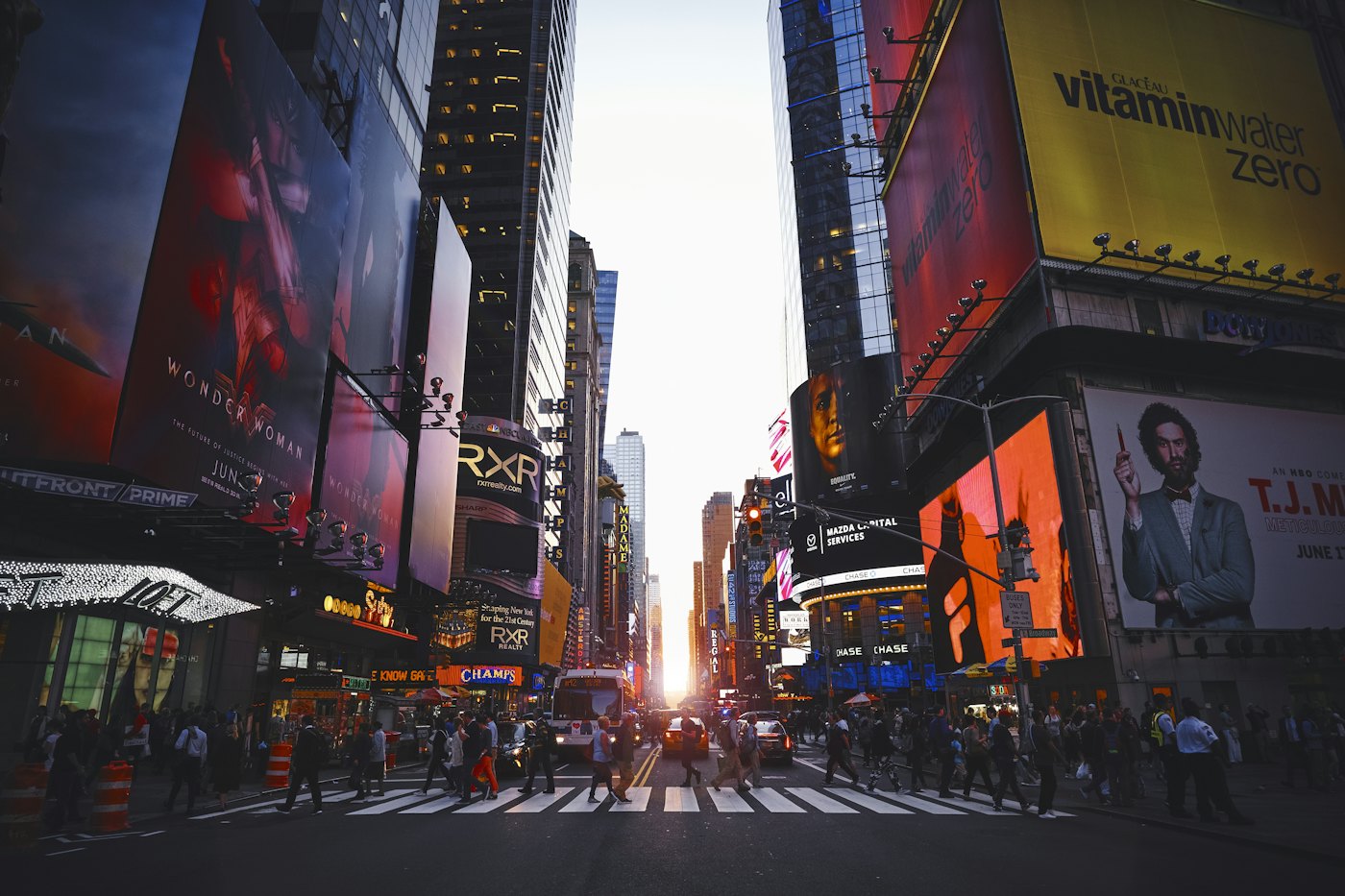
Global economy and macro
A foreign building is also a position in the currency of its rent, its debt and the owner’s spending. The bricks do not cancel the exchange rate.
Research note23 September 20263 min read
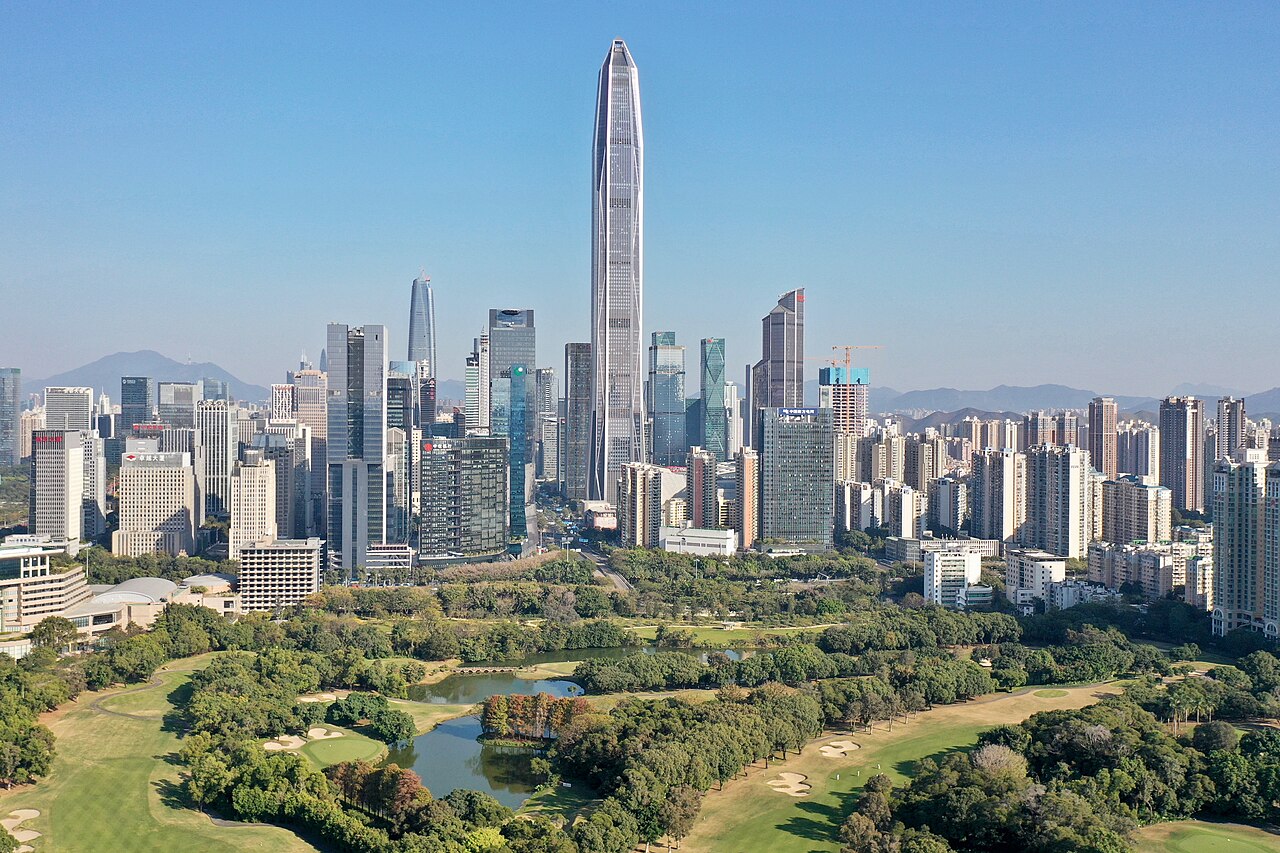
Startup investing
The risk is not a mood about founders. It is illiquidity, a real chance of losing the whole amount, and a return that depends on an exit which may never be arranged.
Research note22 September 20262 min read
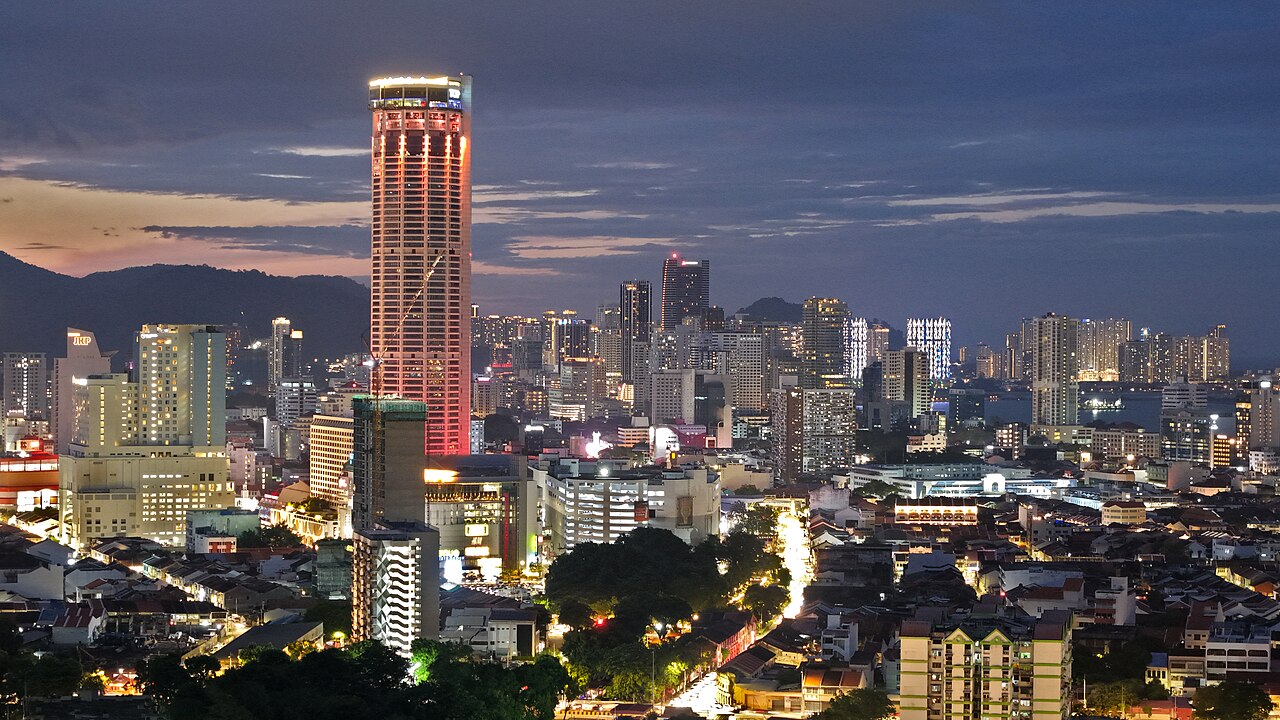
Global economy and macro
A policy rate reaches a building through lenders, incomes and the amount of stock. Streets do not all reprice on the day the rate is announced.
Research note21 September 20263 min read
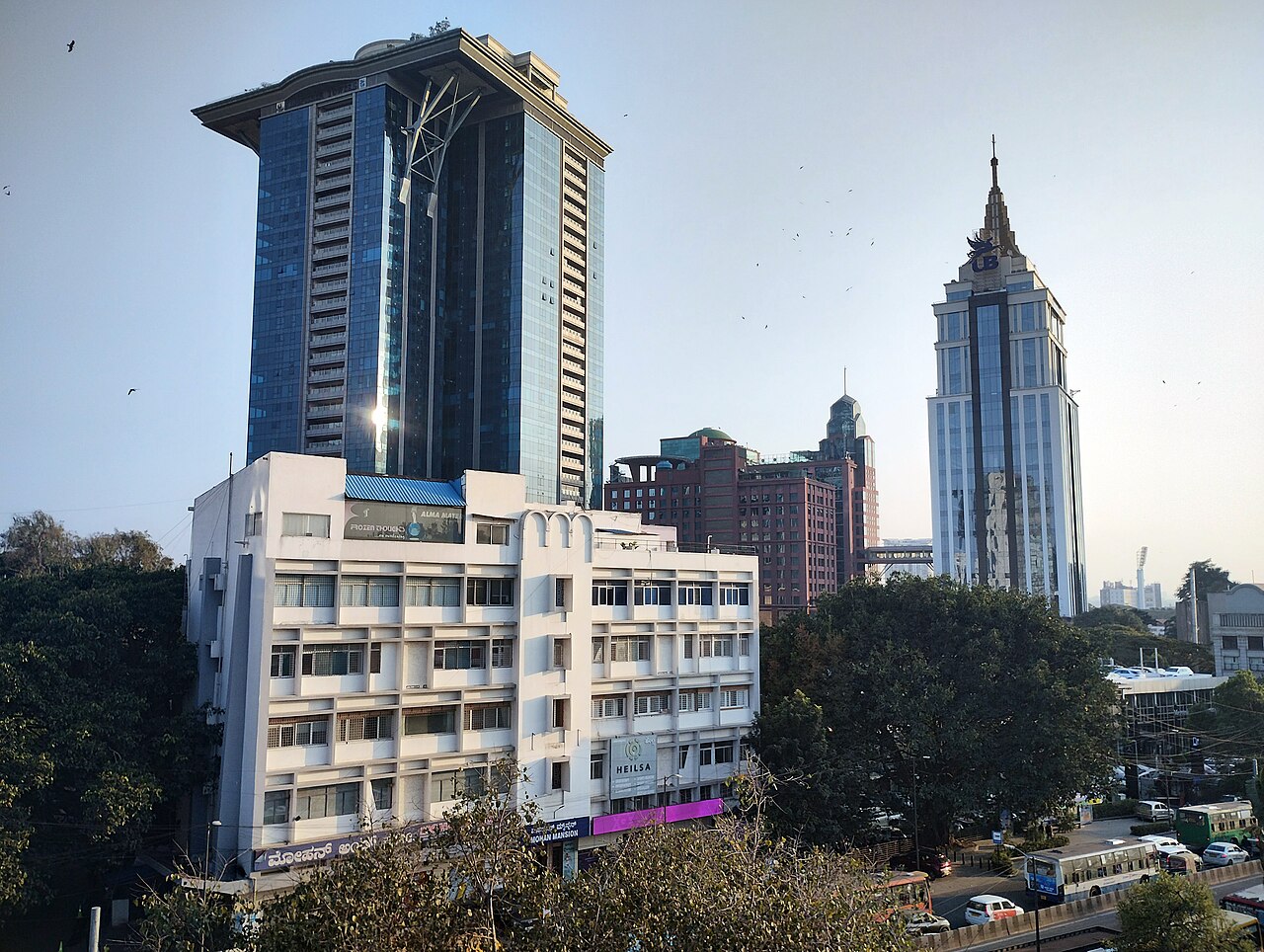
Startup investing
A valuation is a price for a particular claim. The claim is unreadable until the customer, the cash and the terms are named.
Research note19 September 20262 min read
Framework
Designed for structured comparison across very different markets.
01
Visas, flights, language, and whether a buyer can find a lawyer, a bank and a manager.
02
Price against local incomes, the cost of building again, and the cities a buyer would actually compare.
03
Where employment, private investment and the public finances are heading.
04
Transport, power, water, schools, hospitals and the network a weekday actually uses.
05
Whether someone will occupy the building, and how the law treats landlords and tenants.
06
Climate, safety, culture, green space and healthcare, judged on an ordinary week.
07
How clear the title is, who may buy, how property is taxed, and whether institutions do what the statute says.
08
Location, demography, openness and governance: the traits that can outlast a single cycle.
Geography
Four regions to begin with. More countries and cities can be added without changing the map.
Southeast Asia
Singapore is the usual price reference. Malaysia is three urban economies. Thailand is a capital beside visitor coasts. In the Philippines the city matters more than a national average.
South Asia
Sri Lanka is the file open here: an Indian Ocean island whose capital and coast are different markets, and whose property question follows the state’s finances.
Europe & Eurasia
Britain is a deep, taxed, documented market. Georgia is a smaller capital where apartments have been easier to buy and harder to exit.
Middle East
Dubai and Abu Dhabi are an international freehold market with two tempos. Egypt is a domestic economy on the Nile and the canal, with a different ownership system from the Gulf.
Where next
A country hub, a city brief, or a note in the library.