Who typically looks here
Firms with Indian operations, families with Indian ties, and readers comparing a domestic consumer market with an export-services economy.
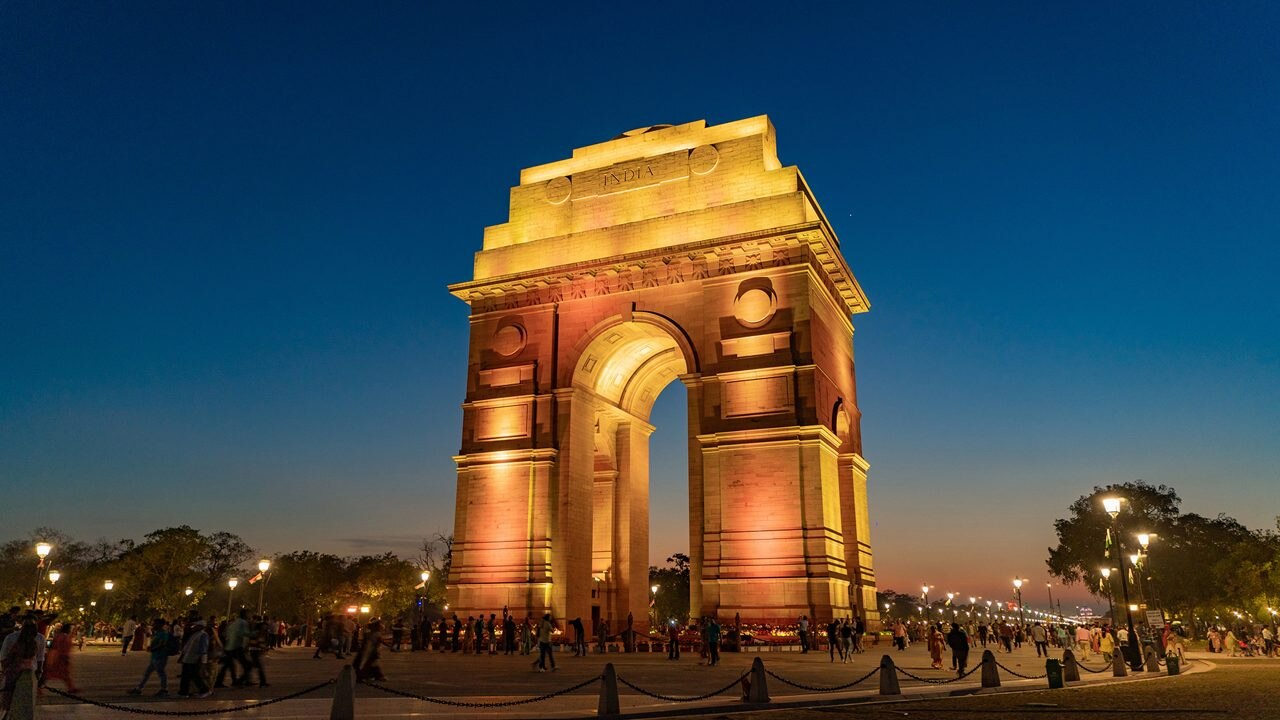
MarketsSouth Asia
One foreign-exchange law and many urban economies. The hub maps the themes. The city pages and the topic pages do the reading. Startup formation stays in its own section.
India is a union of states with one companies law and one foreign-exchange regime. Its labour markets sit under different state governments and different commutes. Maharashtra, Karnataka, Tamil Nadu, Gujarat, Telangana and the National Capital Region carry different mixes of offices, factories and shops. A national growth rate describes the aggregate. The building is decided in the city.
The pages below introduce the economy, property, the diaspora, consumption, manufacturing, the international position, demography and infrastructure, and then link onward. Company formation, capital and the six startup cities are already briefed under startup ecosystems, so this hub points to that work rather than repeating it.
Figures on the card are named releases. A partial year is labelled as partial. Prices, yields and league tables of cities are left off.
Firms with Indian operations, families with Indian ties, and readers comparing a domestic consumer market with an export-services economy.
Which city, whether the question is a company or a building, and the FEMA rule if the buyer lives abroad.
A continental economy, read city by city. This page is the map. The statute and the macro figures sit on the topic pages.
Figures
Only a named release is printed. The date on each line is that release, not the day this page was read.
Real GDP growth
7.8%
As of FY 2025-26
MoSPI, National Accounts Statistics 2026
Released 31 August 2026
Updated provisional estimate, constant prices, base year 2022-23. The 5 June provisional estimate was 7.7%. FY 2024-25 was updated to 7.2% in the same release.
UPI transactions
24.07 billion
As of September 2026
Released September 2026
24,068.38 million transactions, value about ₹29.37 lakh crore, 756 banks. A living table, read October 2026.
Overseas Indians
37.3 million
As of January 2026
Released January 2026
37,280,845 people: 17.8 million NRIs and 19.5 million PIOs.
Net transfers
US$66.8 billion
As of April–August 2026
Released 15 October 2026
Five months of FY 2026-27. Private and official transfers together. The figure stops in August.
City briefs
Mumbai, Delhi NCR, Bengaluru, Hyderabad, Chennai, Pune, Ahmedabad and Kolkata are briefed separately. Smaller cities are grouped, without a ranking.
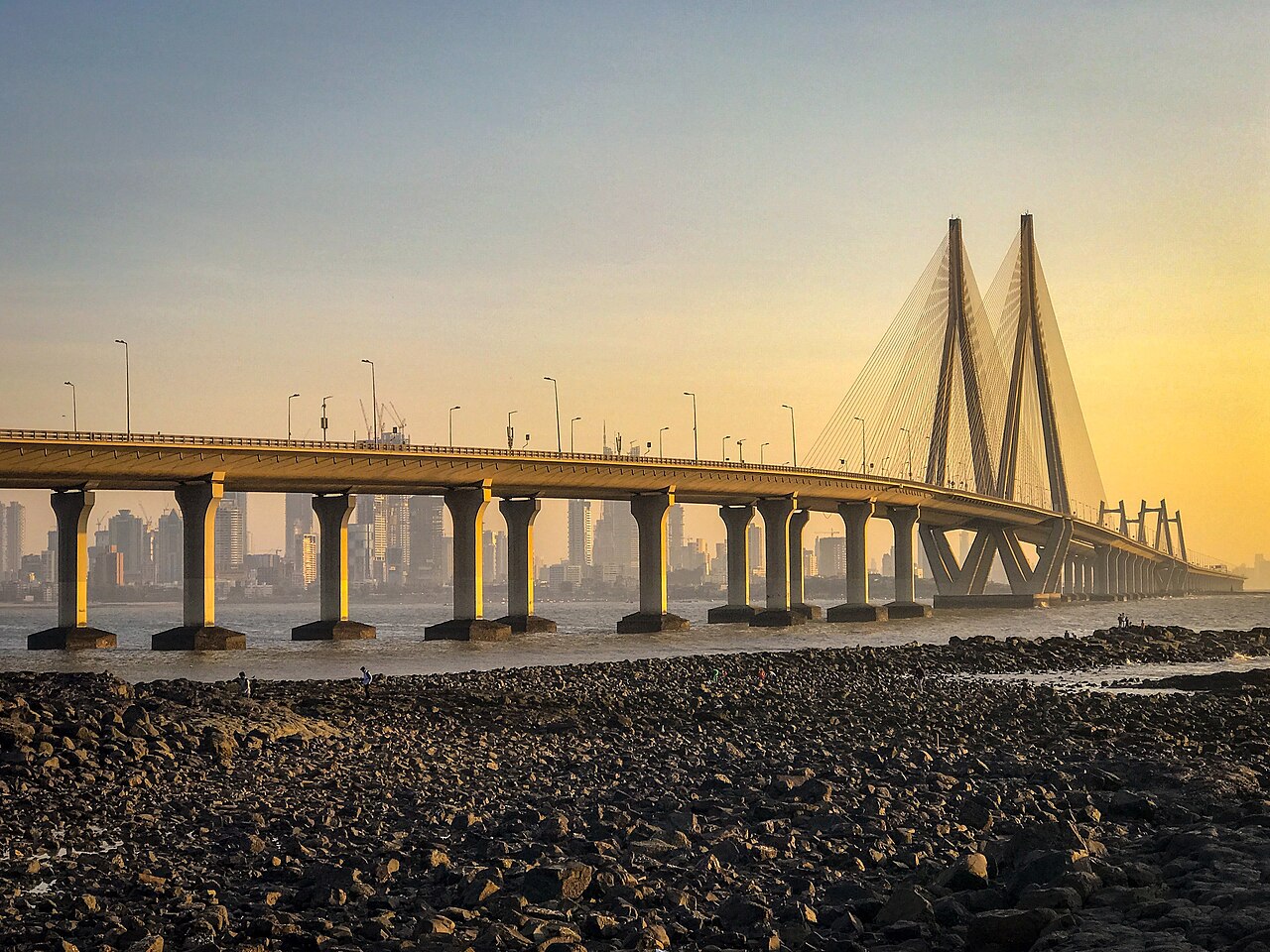
Finance and the port
A land-constrained city of headquarters, markets and a working harbour.
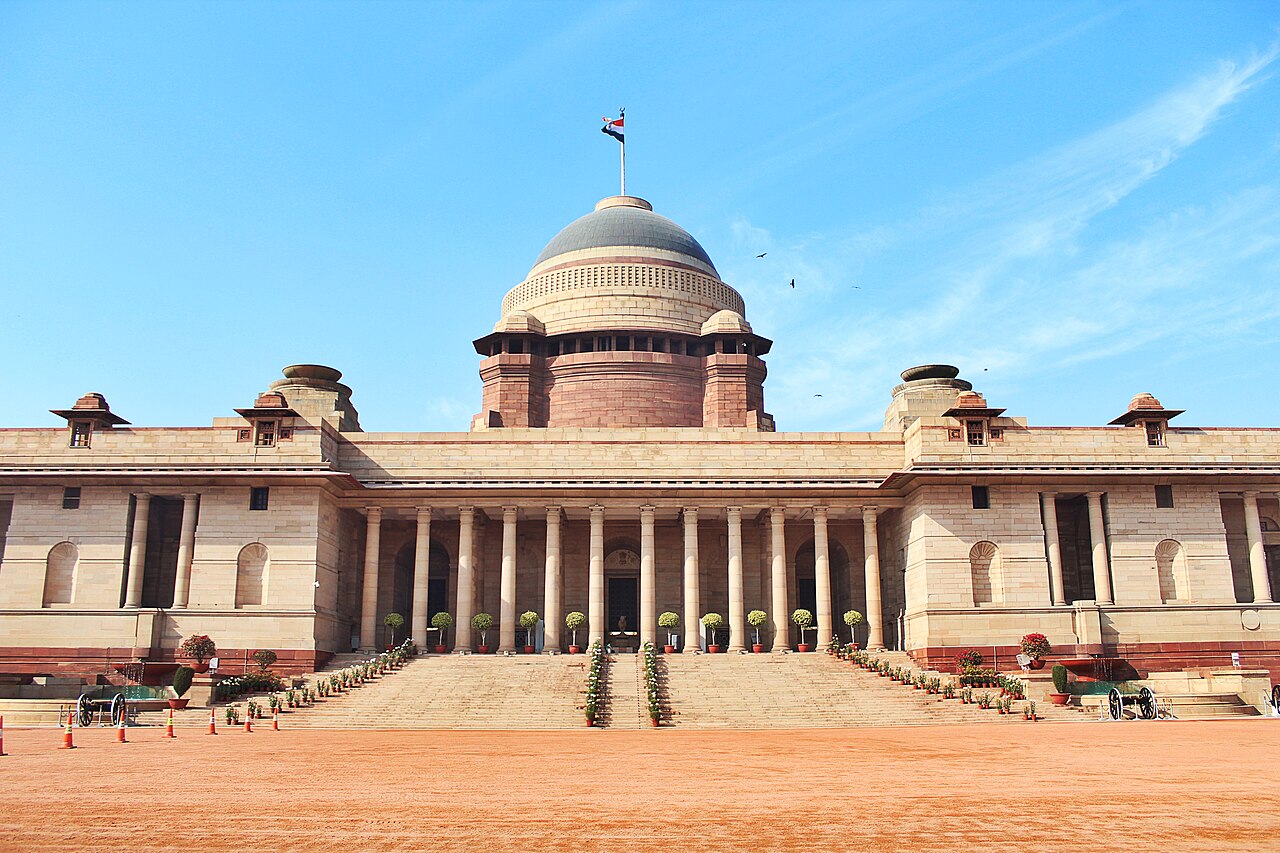
Capital region, three states
Delhi, Gurugram and Noida share a labour market. They keep separate land laws.
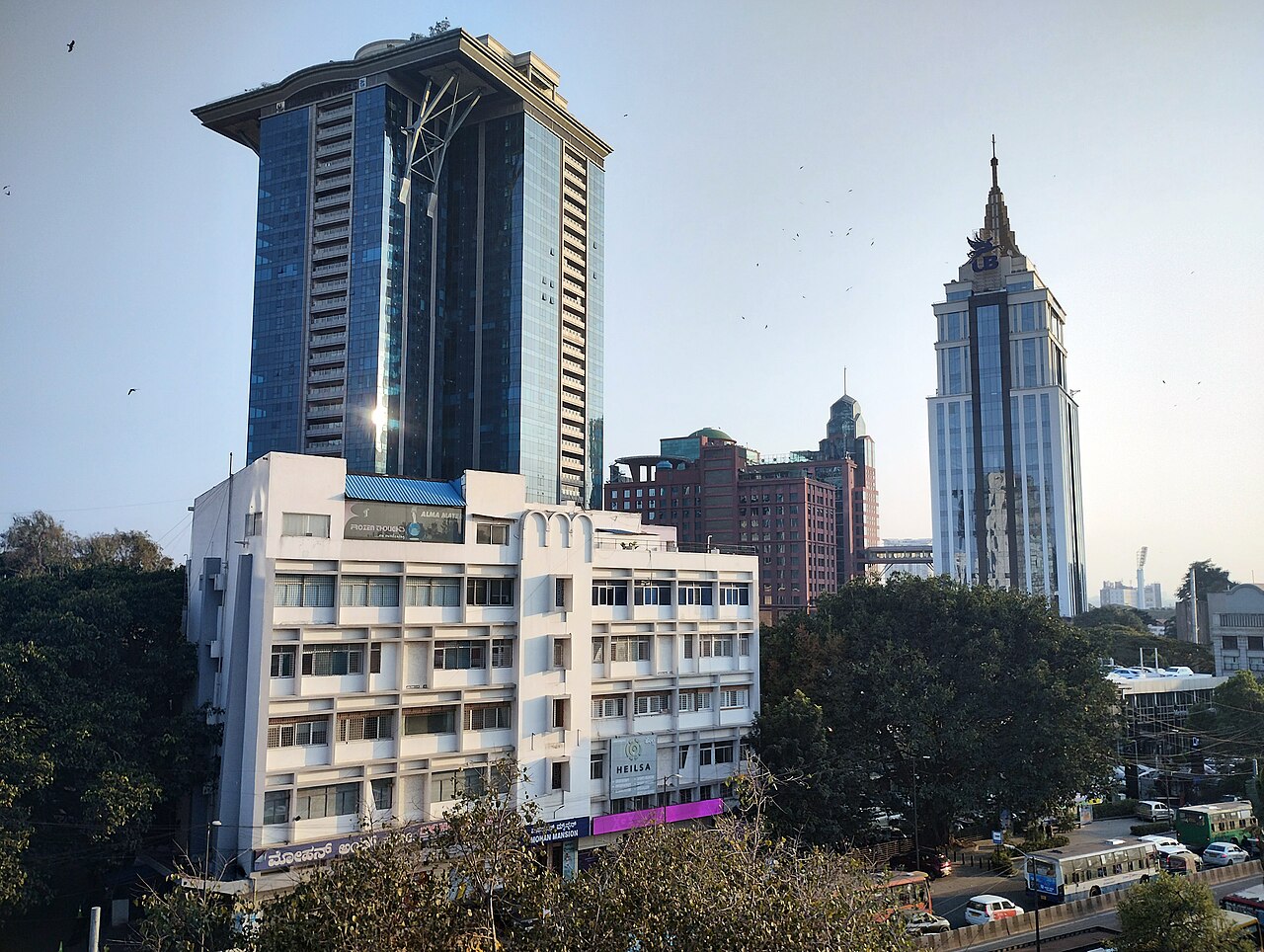
Technology labour market
Engineering payrolls, campus offices, and a city that grew faster than its roads and its water.
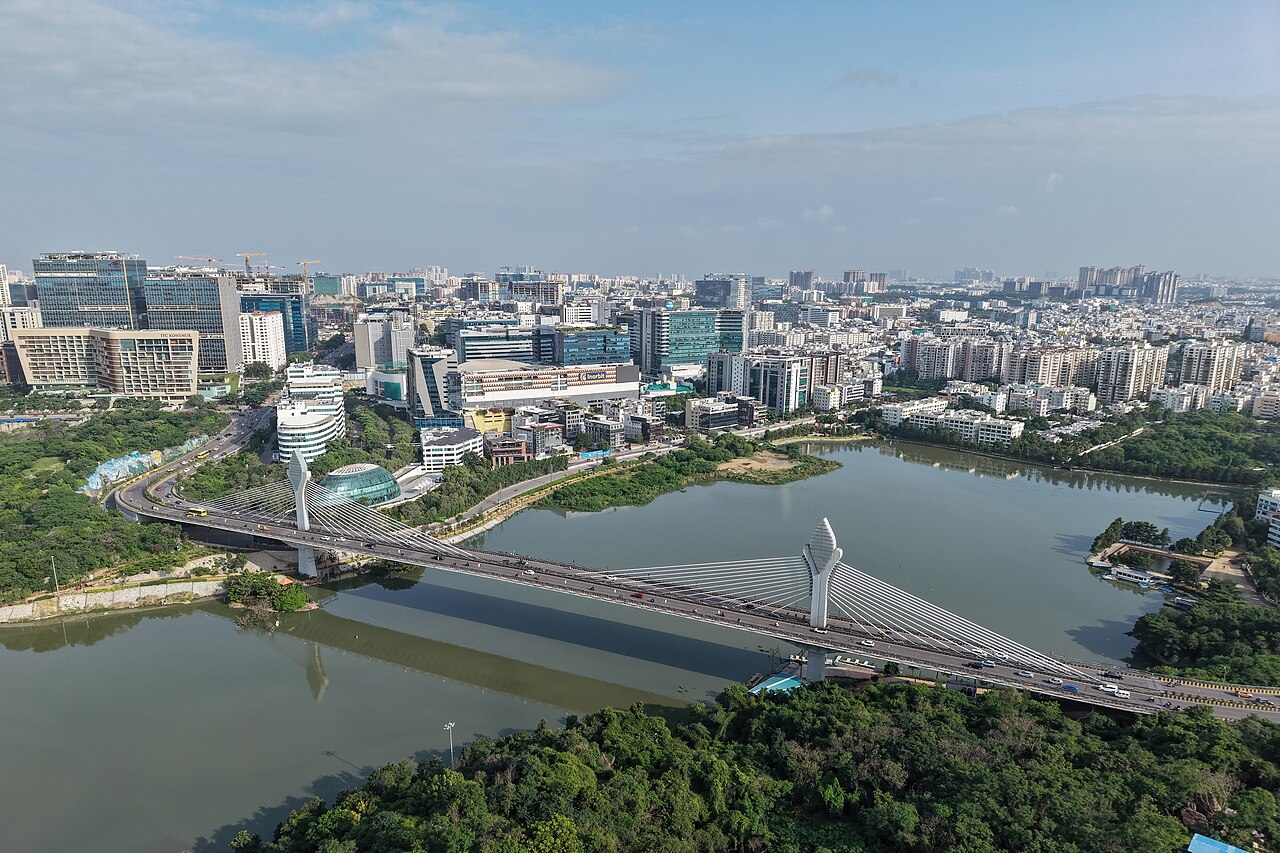
Technology and pharmaceuticals
A planned western corridor for offices, and a pharmaceutical industry older than the towers.
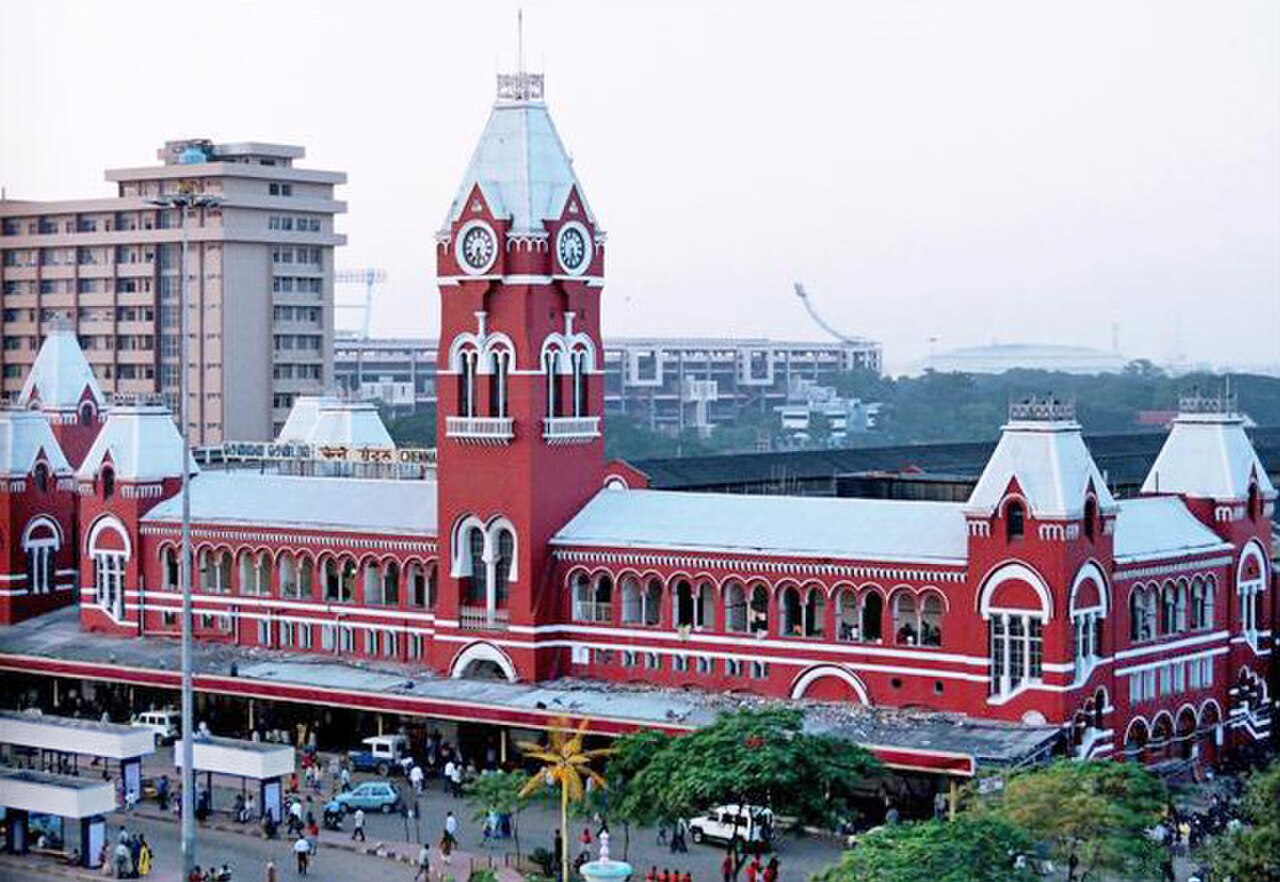
Port, automobiles, software
A factory and port city that also exports software, with housing pulled south along the OMR.
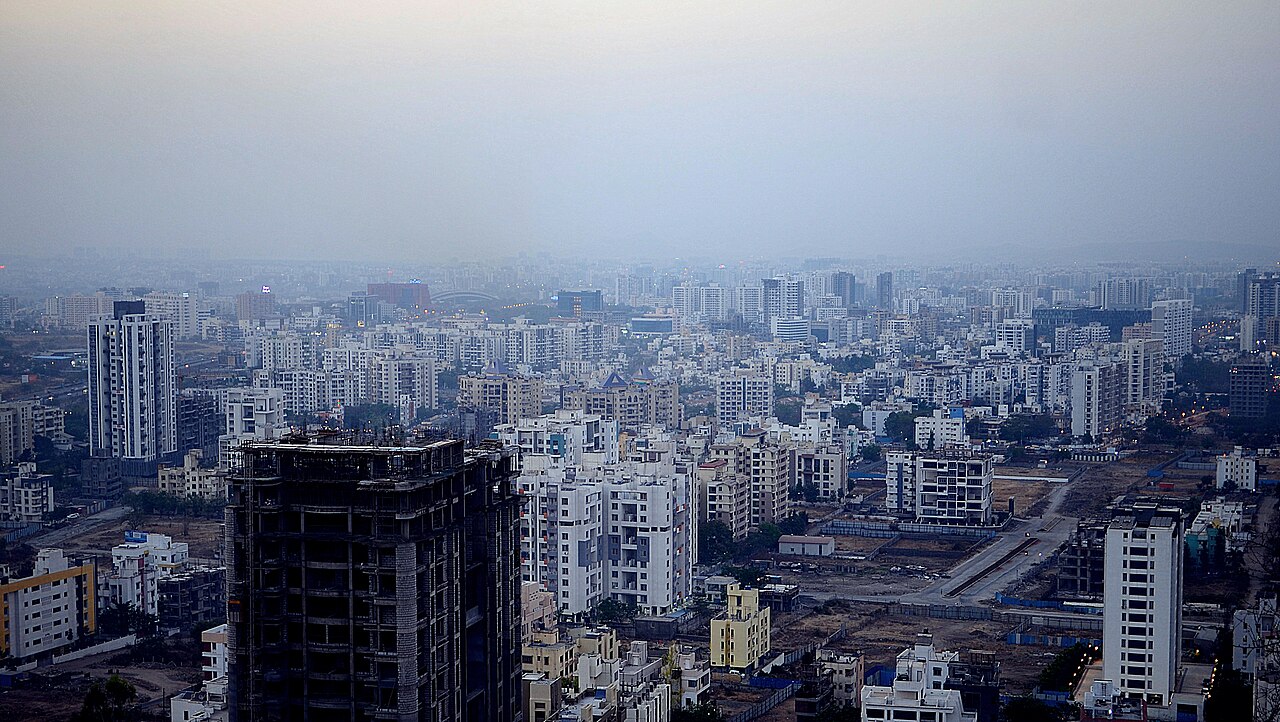
Engineering and software
Automobiles and engineering in one belt, technology offices in another, under Maharashtra’s rules.
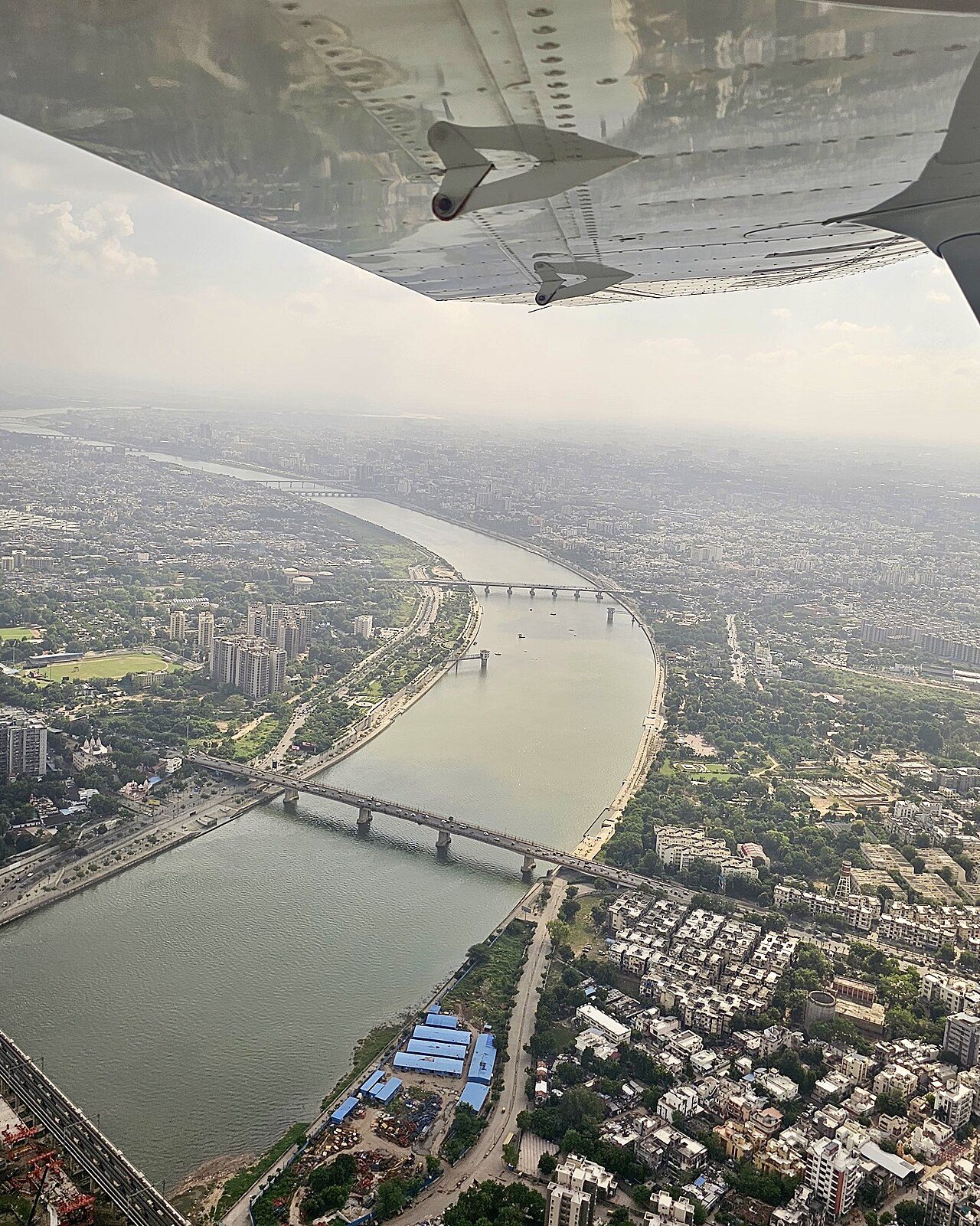
Gujarat’s commercial city
Trade, small and large factories, and a financial centre in the next city that sits outside this housing market.
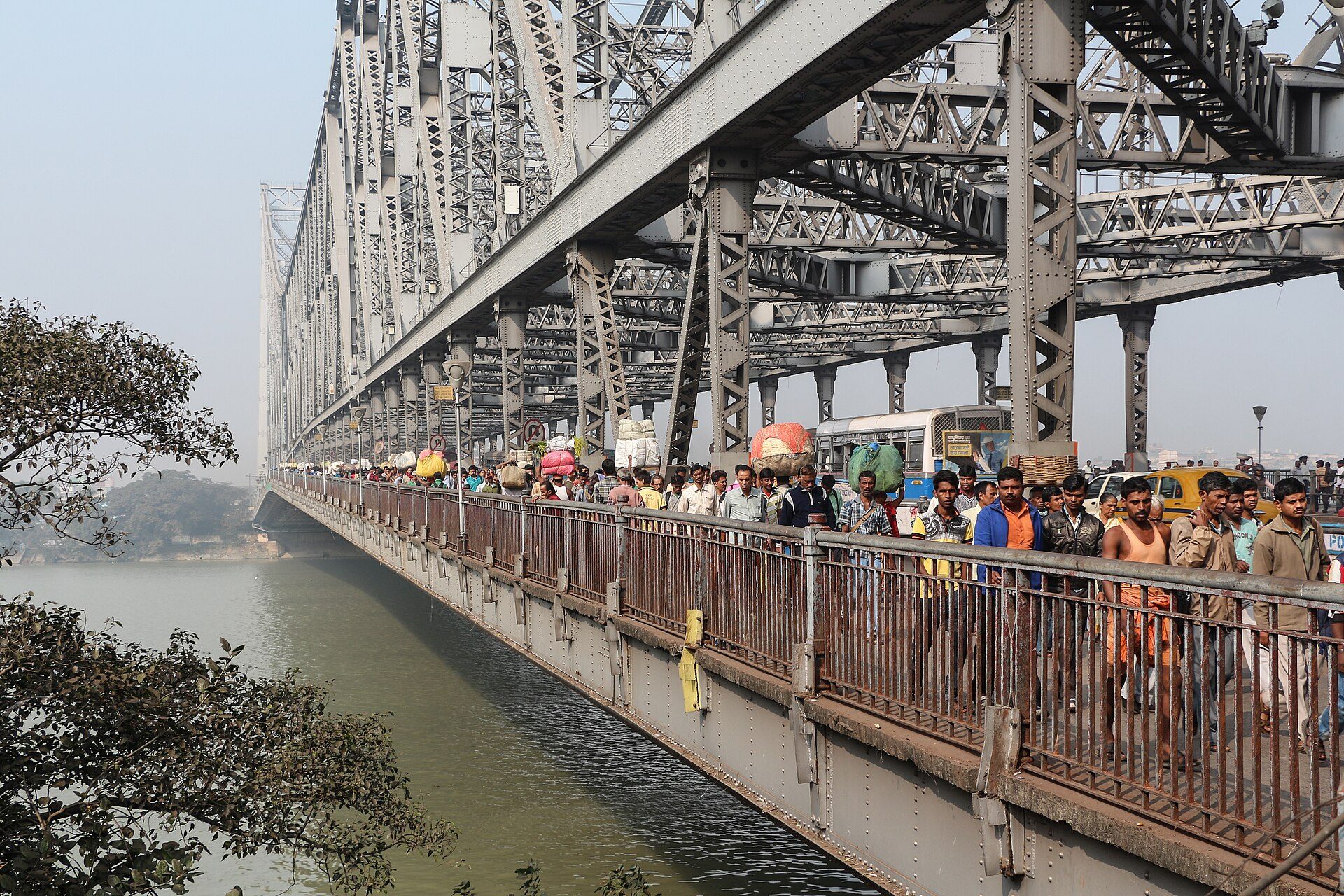
Eastern commercial capital
An older port and office city, with technology floors at Salt Lake and New Town.
A group of local economies
Jaipur, Lucknow, Kochi, Coimbatore, Indore, Surat, Visakhapatnam and Chandigarh, read as local economies.
Each section carries the date it was last reviewed and the documents it was read against.
A large domestic economy. Completed growth figures and partial-year external accounts come from different releases.
MoSPI’s 31 August 2026 national-accounts publication updated real GDP growth for FY 2025-26 to 7.8%, and the first revised estimate for FY 2024-25 to 7.2%, on the 2022-23 base. Services, manufacturing and household spending all sit inside that aggregate. The payroll that fills a particular building sits outside it.
Several property markets under one foreign-exchange statute, each with a state regulator operating under a national Act.
Residential, office, retail, industrial, warehousing, data centres and hotels serve different tenants. Mumbai, the National Capital Region, Bengaluru, Hyderabad, Chennai, Pune, Ahmedabad and Kolkata sit under different state governments. The pages below keep those distinctions and leave yields off.
Open the Mumbai briefOpen the Delhi NCR briefOpen the Bengaluru briefOpen the Hyderabad briefOpen the Chennai briefOpen the Pune briefOpen the Ahmedabad briefOpen the Kolkata briefOpen the Tier 2 cities brief
Company formation is already briefed as its own research. This page only points there, so the city essays are written once.
Bengaluru, Mumbai, Delhi NCR, Hyderabad, Chennai and Pune each have a startup brief. Sector notes cover software exports, regulated finance, laboratories, factories and the domestic household. The property consequence — offices, housing, warehouses — is on the city pages of this market, not inside the company essays.
A population distributed across the Gulf, North America, Britain, Southeast Asia, Australia, Africa and the Caribbean. Remittances are one flow inside a wider network.
The Ministry of External Affairs counted 37.3 million overseas Indians in January 2026, split between 17.8 million Indian citizens abroad and 19.5 million persons of Indian origin. The largest communities on that table are the United States, the United Arab Emirates, Canada, Saudi Arabia and Malaysia.
Household spending is a national-accounts fact. The shop, the app and the warehouse are local.
UPI processed 24.07 billion transactions in September 2026, worth about ₹29.37 lakh crore, across 756 banks. That is the payments rail under both the kirana and the large formal retailer. The national total is silent on which city added a mall.
Domestic capability is a factory that runs, an input that is still imported, and a target that has not yet been commissioned.
Electronics, pharmaceuticals, automobiles, refined fuels, steel, food and a growing defence order book are real production. Semiconductors, some chemical inputs and most crude oil are still dependence. A production-linked incentive is a policy. It becomes capacity when the line is operating.
Trade, services exports, a diaspora, and membership of forums. Each of those is a specific ledger.
India sells software and pharmaceuticals into rich markets, buys fuel and components, sends people and firms abroad, and sits in the G20 and in BRICS. Each of those is an economic fact with its own ledger.
Open the international position page
A young population is a workforce that still has to be employed, housed and trained. Any dividend is the outcome of that work.
The last published census is 2011. Census 2027 was notified on 5 September 2026, with a reference date of 1 March 2027 for most of the country. Until those totals exist, GRIP uses rounded United Nations figures and says so.
Payments and identity are already operating. Roads, metros, ports and power decide whether a building can be used.
Digital rails let a firm start further along. A container, a commuter and a litre of water still depend on physical systems, and those systems are city-specific. A project that exists only as an announcement remains a proposal.
The national economy arrives as a set of urban economies with different governments and different commutes.
Mumbai is finance, a port and a land-constrained island city. Delhi NCR spans three states. Bengaluru and Hyderabad are technology labour markets. Chennai and Pune mix factories with offices. Ahmedabad sits in Gujarat’s trading economy, with GIFT City next door as a financial centre distinct from the housing market. Kolkata is an older commercial capital with a technology edge at Salt Lake and New Town. Smaller cities are grouped so that this hub does not rank them.
Open the Mumbai briefOpen the Delhi NCR briefOpen the Bengaluru briefOpen the Hyderabad briefOpen the Chennai briefOpen the Pune briefOpen the Ahmedabad briefOpen the Kolkata briefOpen the Tier 2 cities brief
Related briefings
Markets and cities
Finance and a port, a technology labour market, and a capital region spread across three states. One country, three property markets.
Research note25 October 20262 min read
Global economy and macro
37.3 million overseas Indians in January 2026, split between citizens abroad and persons of Indian origin. Transfers are one line in a wider set of ties.
Research note25 October 20262 min read
Global economy and macro
Formal retail has followed households into cities a brochure still treats as secondary. The shop, the app and the warehouse are separate buildings.
Research note25 October 20262 min read
Nearby on the map
 South Asia
Colombo and southern coasts
An Indian Ocean island: Colombo and the south coast are different markets, and both sit closer to the state’s finances than the ASEAN cities do.
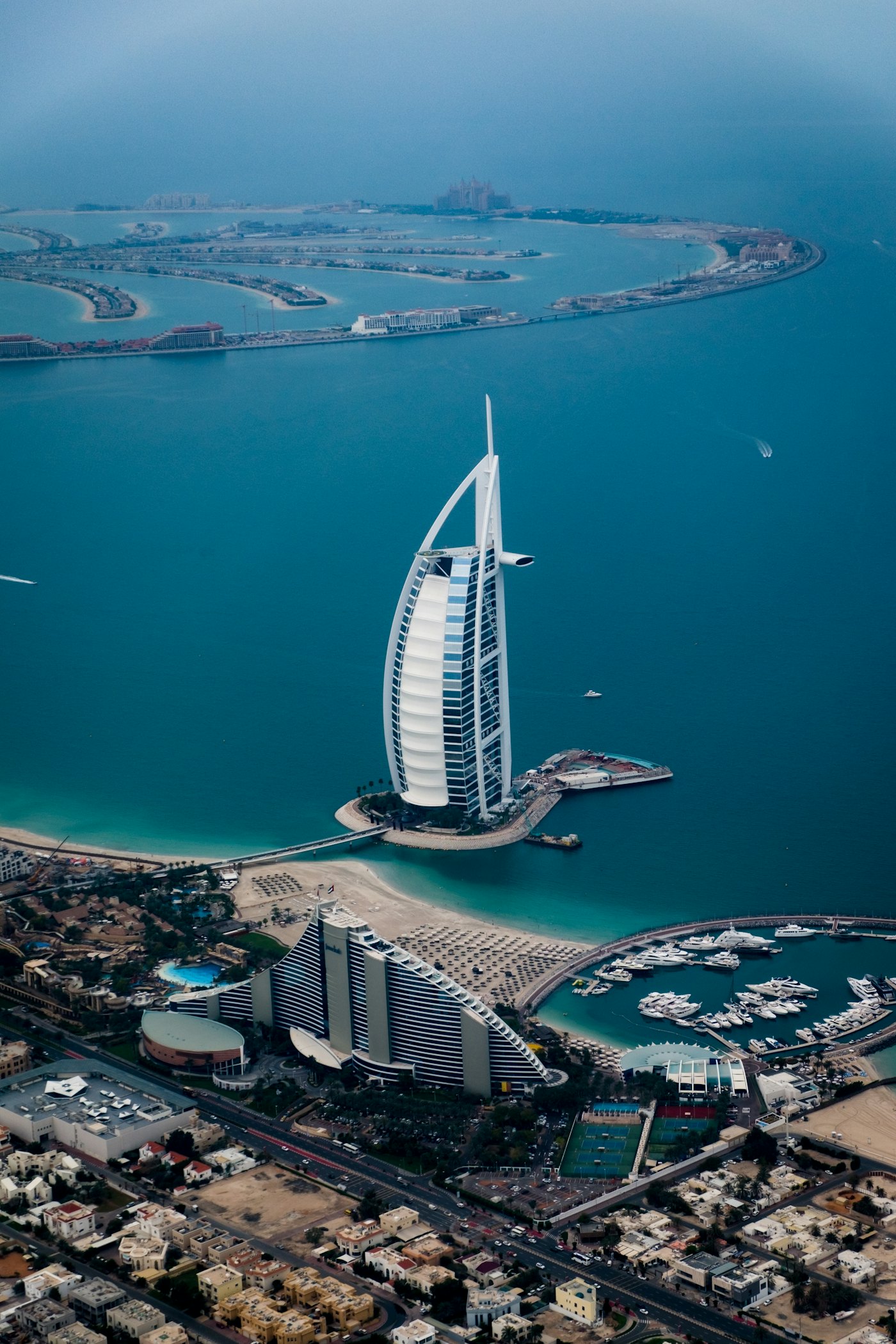 Middle East
Dubai, Abu Dhabi, Sharjah, Ras Al Khaimah
International capital, a large expatriate population, and two cities that should not be treated as one product.
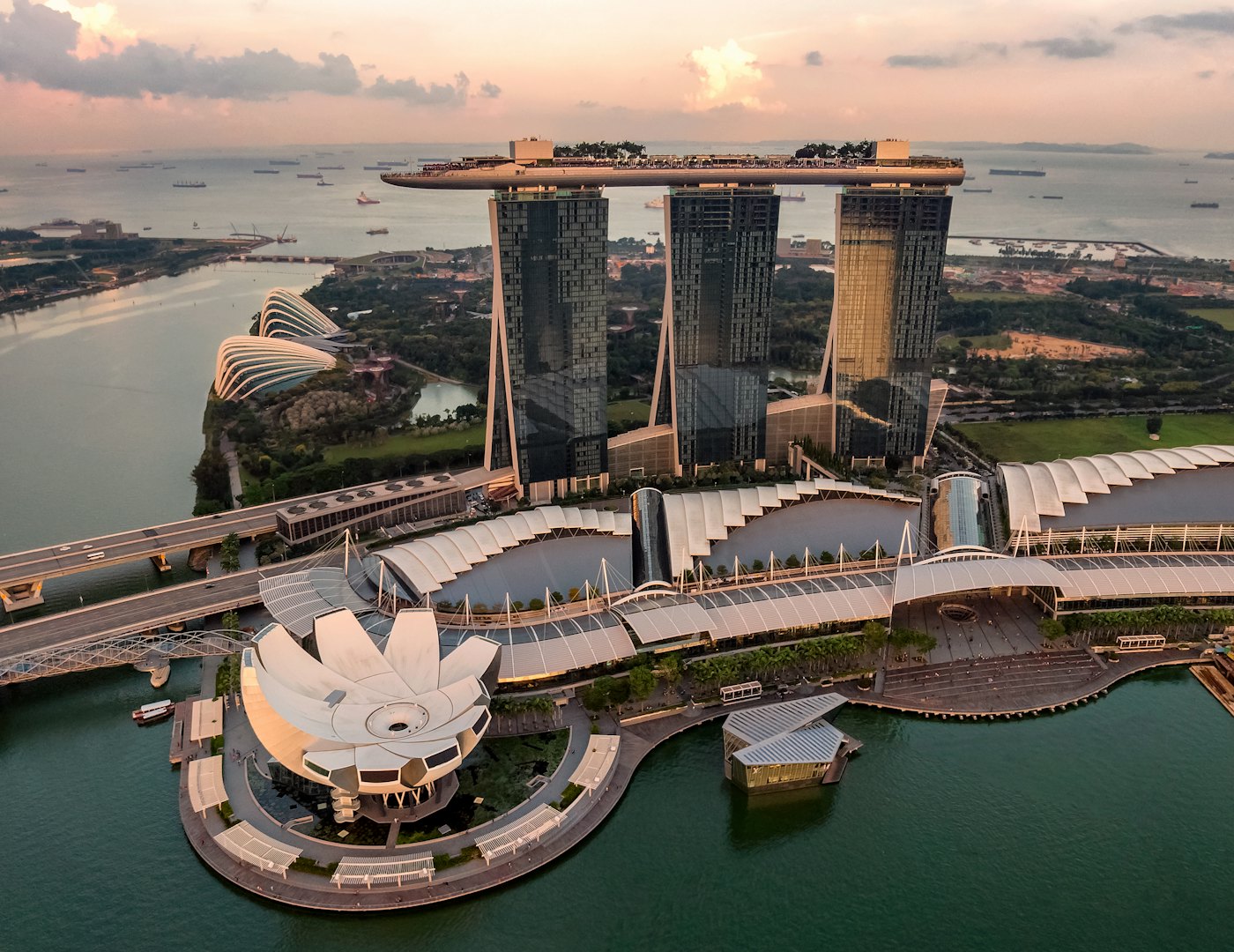 Southeast Asia
City-state
A clear, expensive reference market. Limited land, and prices that show it.
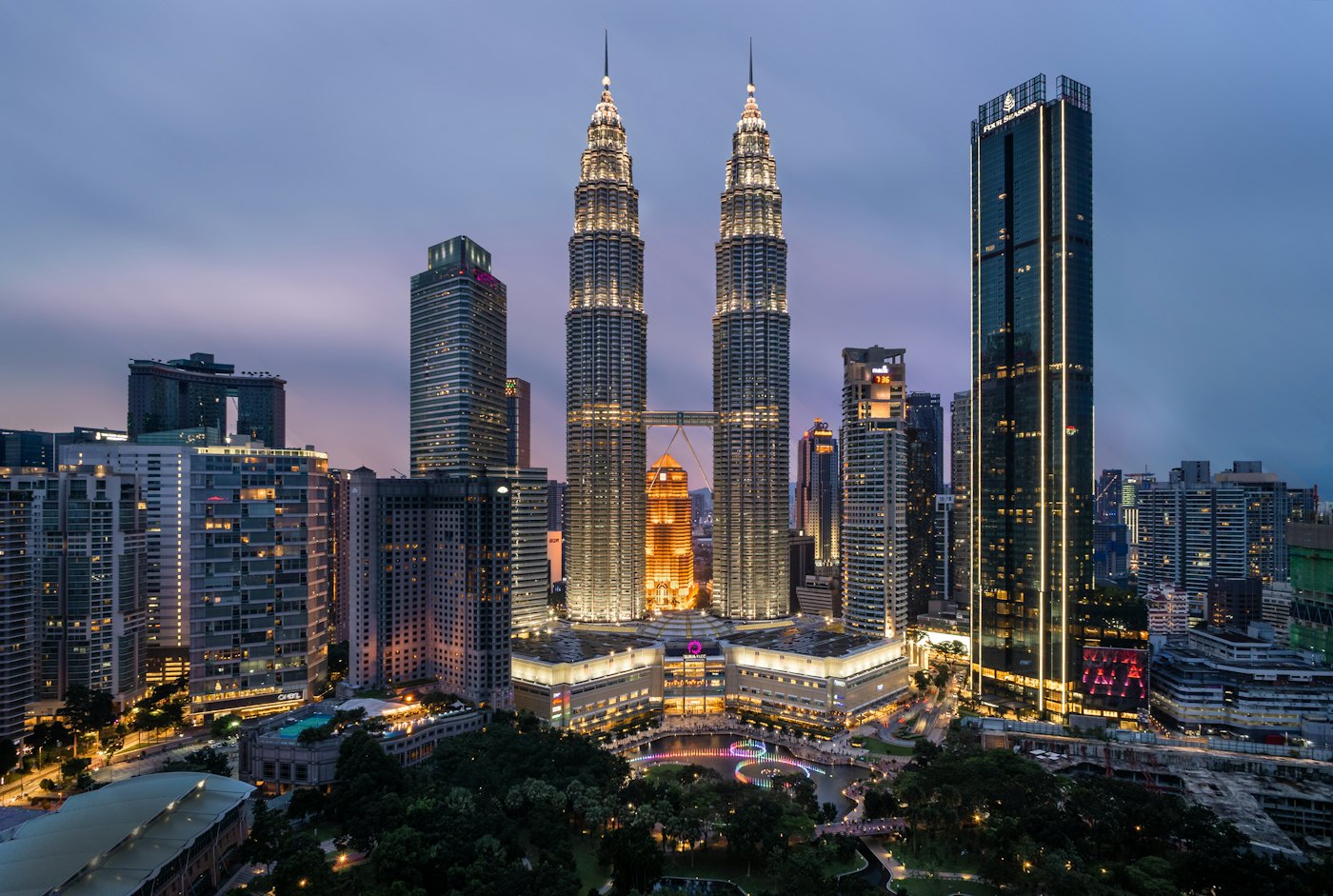 Southeast Asia
Kuala Lumpur, Johor and Penang
A bilingual commercial hub with a mixed urban fabric and a long history of regional capital passing through.
Across GRIP
The same place, on a related page.
Continue with GRIP
If this market belongs on a research list, write to GRIP, or continue with the rest of the region.