Who typically looks here
Technology staff, founders, and households posted in by Indian and foreign firms.
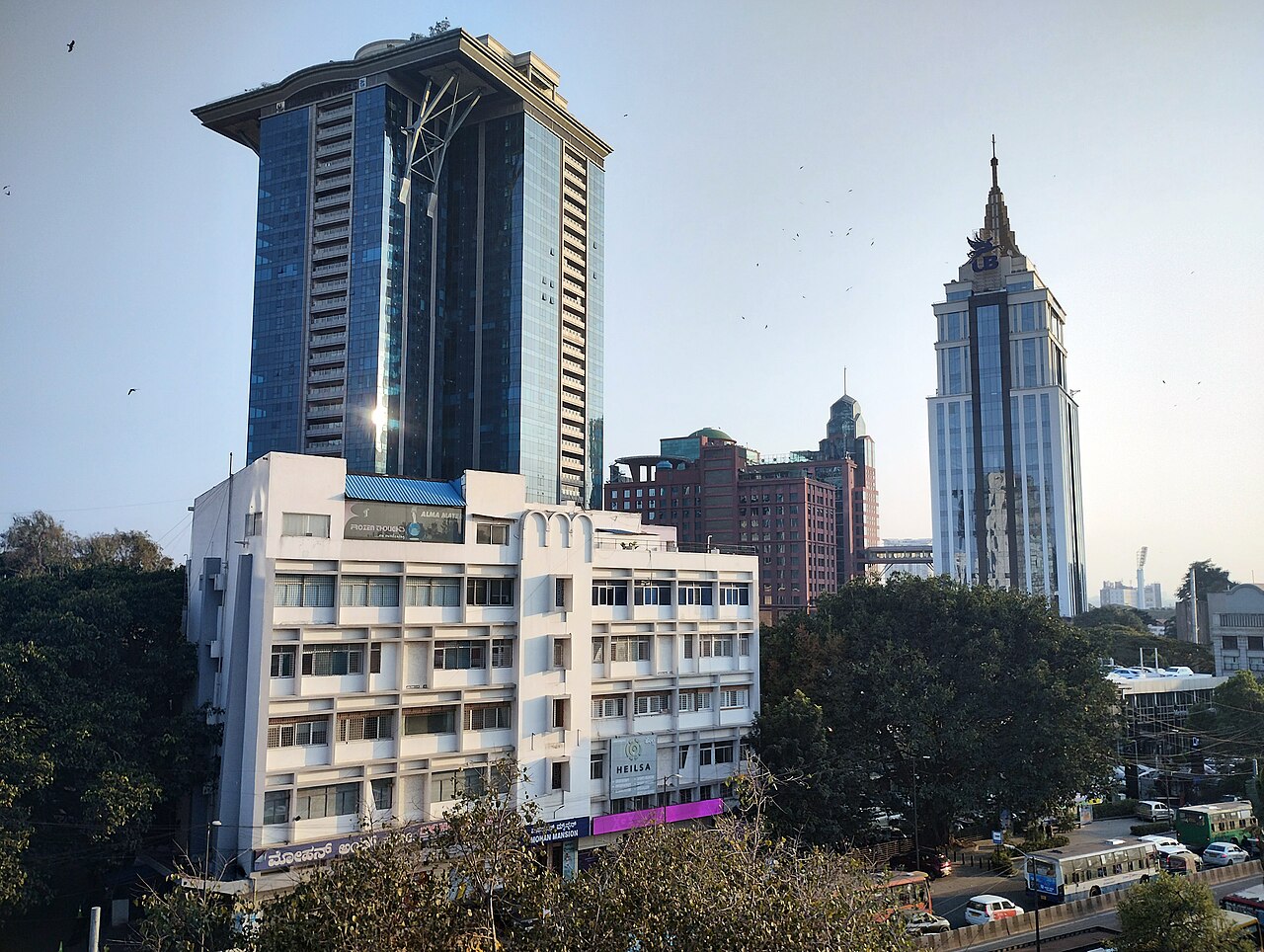
Product companies, global capability centres and the large services exporters hire here in volumes no other Indian city matches. The old city still has the administration, the older public sector and a residential market of its own.
The startup brief is the company reading. This page is the street those employees travel, and the title they rent or buy.
Technology staff, founders, and households posted in by Indian and foreign firms.
Which side of the Outer Ring Road the job is on, and how water and the commute behave in a dry month.
A local labour market with its own title system. The national pages carry the statute and the macro figures.
The payroll is software, product engineering, shared services and a growing set of laboratories and deep-technology teams. Public-sector research and an older industrial base sit underneath. Karnataka’s domestic consumer market is real. The office towers were built for the export and product payroll.
Hiring here changes housing demand along the commute. A funding announcement changes it only once there is a signed lease and a cohort that needs beds.
Offices are campuses and towers on the Outer Ring Road, in Whitefield, in Electronic City and in a handful of core and north-side clusters. Residential follows those belts: apartments for renters in their twenties and thirties, plotted developments further out, and an older apartment stock closer in. Villas at the edge are a different buyer.
Many technology workers rent for years. The sales market is end users plus domestic investors who know the rental pool is other technology staff. That pool moves with hiring, rather than with a national housing slogan.
The ring road is the organising idea, and also the traffic. Whitefield grew with the eastern campuses. Electronic City grew with the southern ones. The north, toward the airport, is the later front. Indiranagar, Koramangala and Jayanagar are residential and high-street markets that pre-date the campuses and still hold people who work in them.
A campus address and the neighbourhood where staff will actually live are often two municipal problems. Read both.
The airport is north of the city, far from Electronic City. Metro lines that are open help particular corridors and have not replaced the road commute on the ring. Water is the constraint households plan around in dry years: tanker dependence at the edge is a cost and a political fact. Power is less of a daily crisis than it once was for the campuses, and still an assumption in the brief.
Suburban rail and further metro phases will matter on the day they carry passengers. Until then they are a map.
The occupier is young, salaried and mobile between Indian technology cities. Rental demand is therefore deeper than in a city of homeowners only. Retail and restaurants follow the same belts. Warehouses sit on the highways out of the city and serve Karnataka and the south, rather than the campuses themselves.
Foreign buyers are present and secondary. The volume is Indian salaries.
Traffic is a location risk inside the same municipal corporation. Water is a location risk at the periphery. Office supply has been heavy enough, in past cycles, that a new tower and an old campus do not share a leasing story. Title on converted land at the edge needs the conversion, the khata and the building plan read together.
Related GRIP research
These are GRIP briefs, not city reports. They sit next to a Bengaluru reading.
Startup investing
Bengaluru has the deepest engineering pool. Mumbai, Delhi NCR, Hyderabad, Chennai and Pune are separate company markets, already briefed as such.
Research note25 October 20262 min read
Markets and cities
Finance and a port, a technology labour market, and a capital region spread across three states. One country, three property markets.
Research note25 October 20262 min read
Real estate research
The floors global tenants occupy sit in a handful of corridors. They track hiring in services exports more closely than the national growth print.
Research note25 October 20262 min read
Across GRIP
The same place, on a related page.
Also in India
Finance and the port
A land-constrained city of headquarters, markets and a working harbour.
Capital region, three states
Delhi, Gurugram and Noida share a labour market. They keep separate land laws.
Technology and pharmaceuticals
A planned western corridor for offices, and a pharmaceutical industry older than the towers.
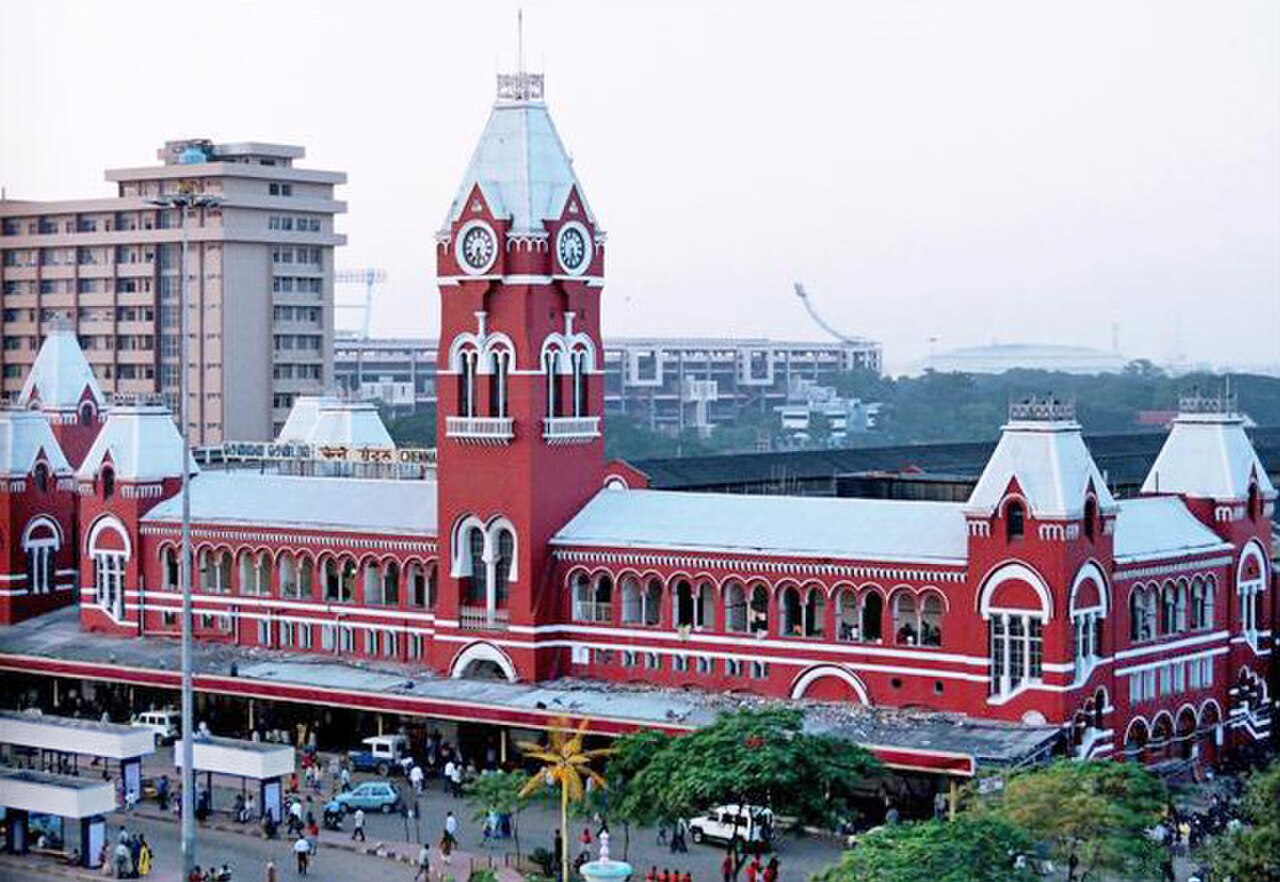
Port, automobiles, software
A factory and port city that also exports software, with housing pulled south along the OMR.
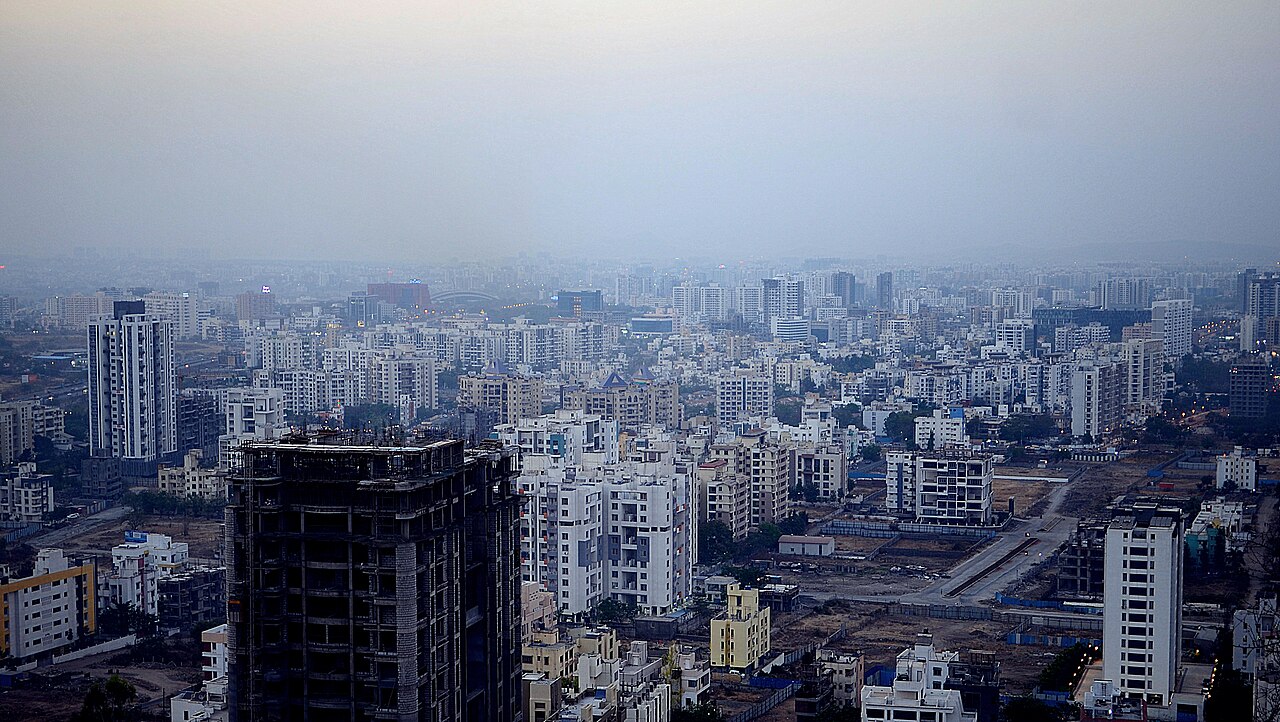
Engineering and software
Automobiles and engineering in one belt, technology offices in another, under Maharashtra’s rules.
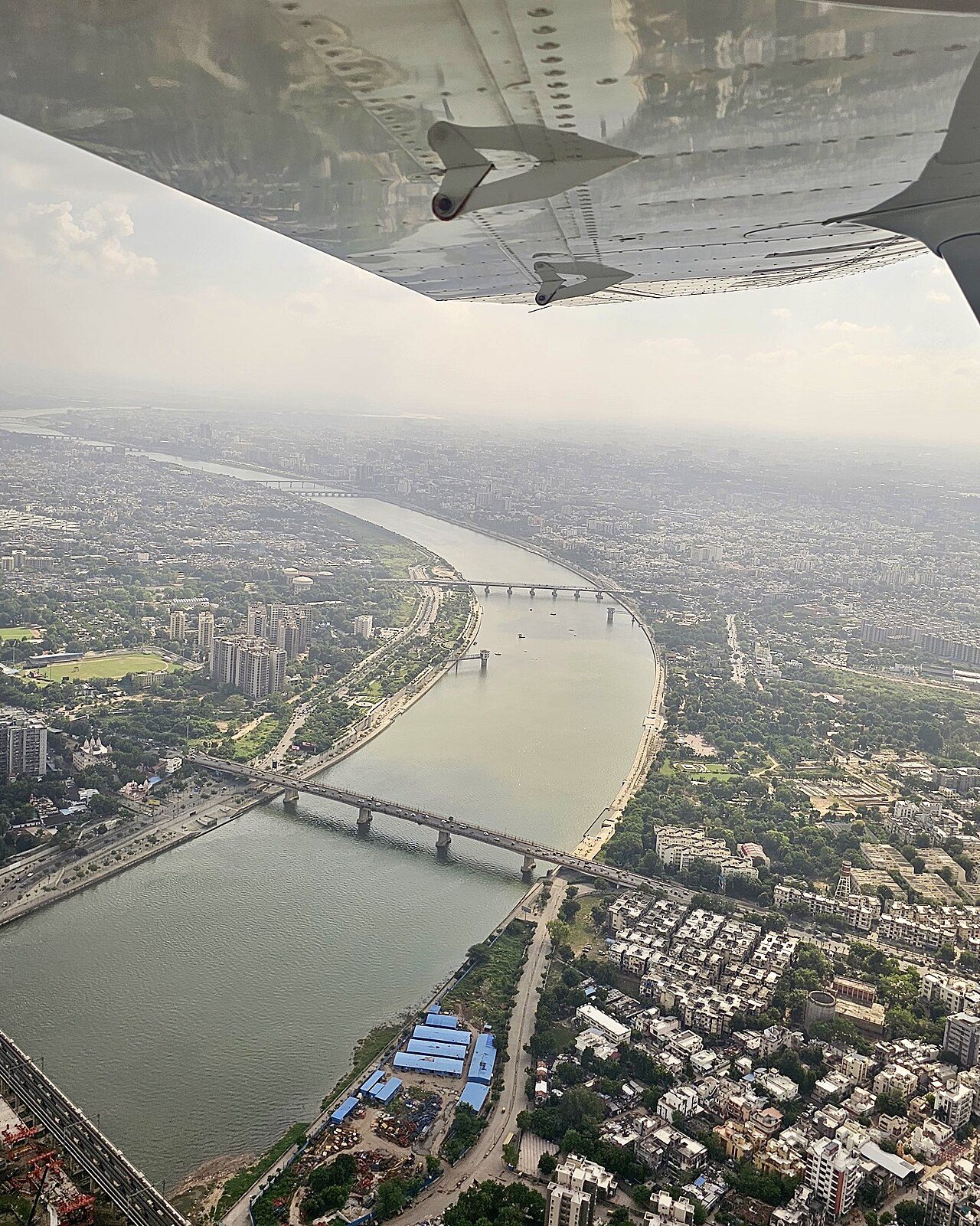
Gujarat’s commercial city
Trade, small and large factories, and a financial centre in the next city that sits outside this housing market.
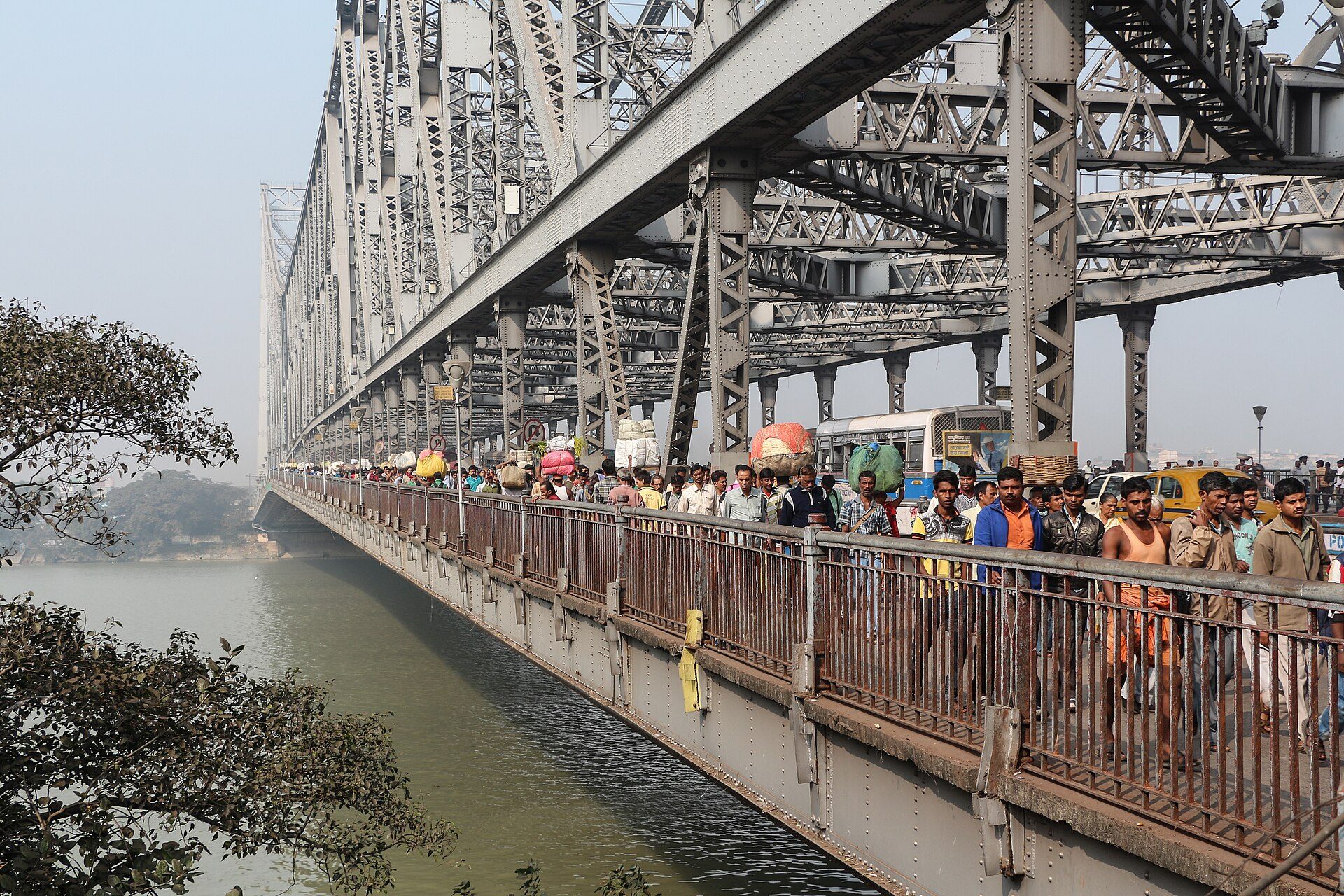
Eastern commercial capital
An older port and office city, with technology floors at Salt Lake and New Town.

A group of local economies
Jaipur, Lucknow, Kochi, Coimbatore, Indore, Surat, Visakhapatnam and Chandigarh, read as local economies.
Continue with GRIP
If this city belongs on the list, write to GRIP, or return to the country brief.