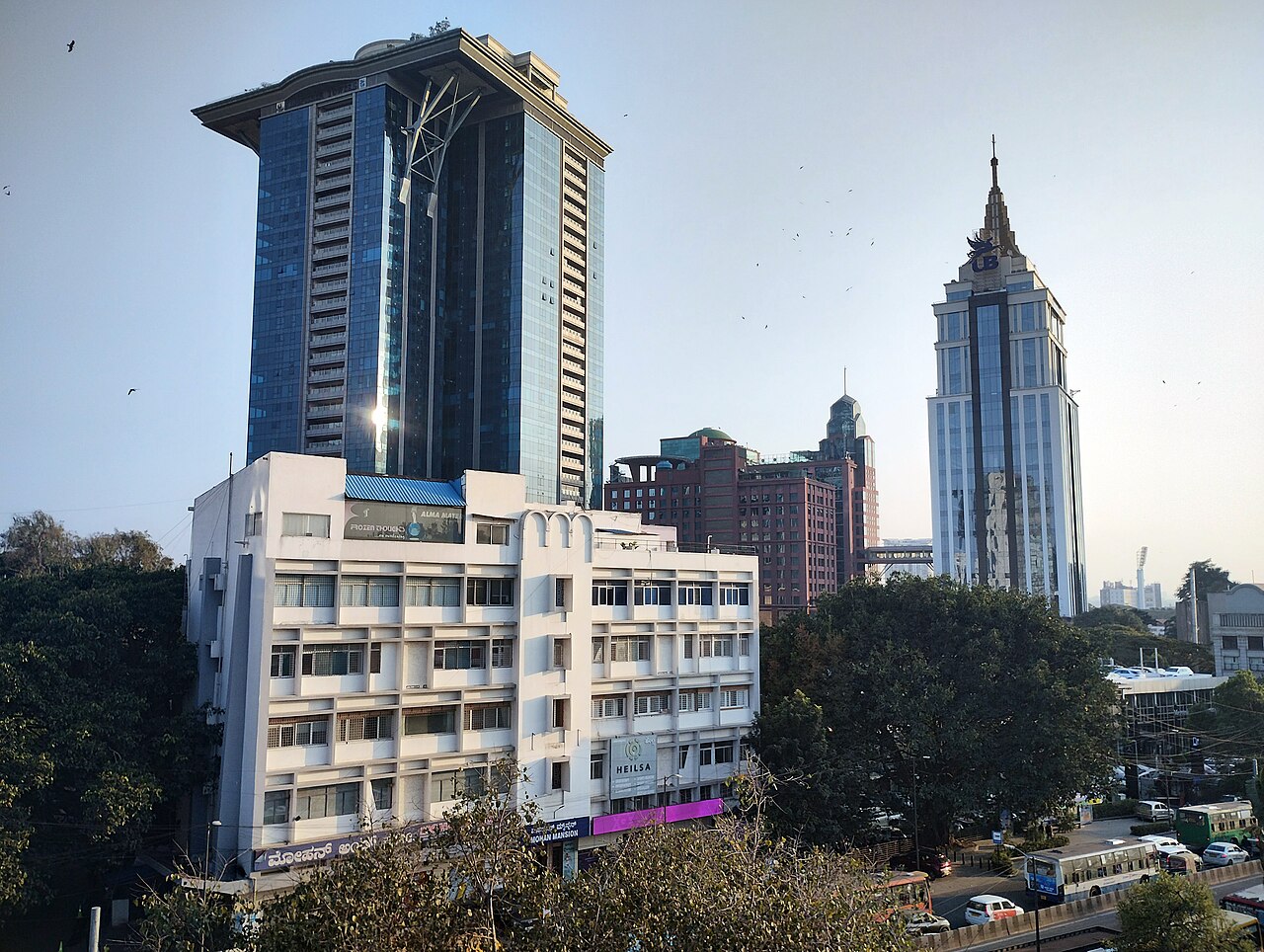
Engineering labour market
Bengaluru
The deepest pool of product and export-engineering employers. The city is also a municipal system under strain.
India
A continental company market. Bengaluru, Mumbai, Delhi-NCR, Hyderabad, Chennai and Pune do not share a state government, a customer, or a labour pool.

Startup EcosystemsIndia
India is not one startup city with a large hinterland. It is a union of states, a single companies registry, a single foreign-exchange regime, and several urban labour markets that barely overlap. A firm can be incorporated in a morning and still be unable to hire, invoice, or deliver in the city where the customer sits.
Two public facts shape the private market more than any campus story. The Ministry of Corporate Affairs keeps the register of companies and limited liability partnerships. The National Payments Corporation of India operates UPI, a bank-to-bank payments interface that private apps sit on. Aadhaar, under UIDAI, is the identity layer those systems assume. These are infrastructure. They are not a business model, and they do not belong to the startups that use them.
Startup India recognition, administered with DPIIT, is a narrower object than entrepreneurship. It is an administrative status for entities that meet a notified definition. The definition has been revised, including for a longer window in deep technology. GRIP does not copy the turnover or age tests. They live on the notification. Most Indian firms will never be inside that definition, and many firms that matter economically are family companies, services exporters, or contractors.
Capital has a domestic statute and an offshore habit. SEBI’s Alternative Investment Fund regulations are the licence for pooled venture vehicles at home. The International Financial Services Centres Authority regulates fund management inside GIFT City, which is an Indian financial centre with a different rulebook, not a foreign country. Cross-border cheques still meet the Reserve Bank’s foreign-exchange framework. A Delaware or Singapore holding company does not switch that framework off.
Sector briefs, linked from this page, separate software exports, regulated finance, laboratories, factories, and the domestic household. Chennai and Pune are briefed as their own cities. Smaller centres are gathered in one note so they are not forced into a ranking.
Separate urban systems, in the order they are discussed.
Engineering labour market
The deepest pool of product and export-engineering employers. The city is also a municipal system under strain.

Capital and the financial centre
SEBI, the exchanges, and the people who allocate Indian savings. Engineering density is not the reason to be here.
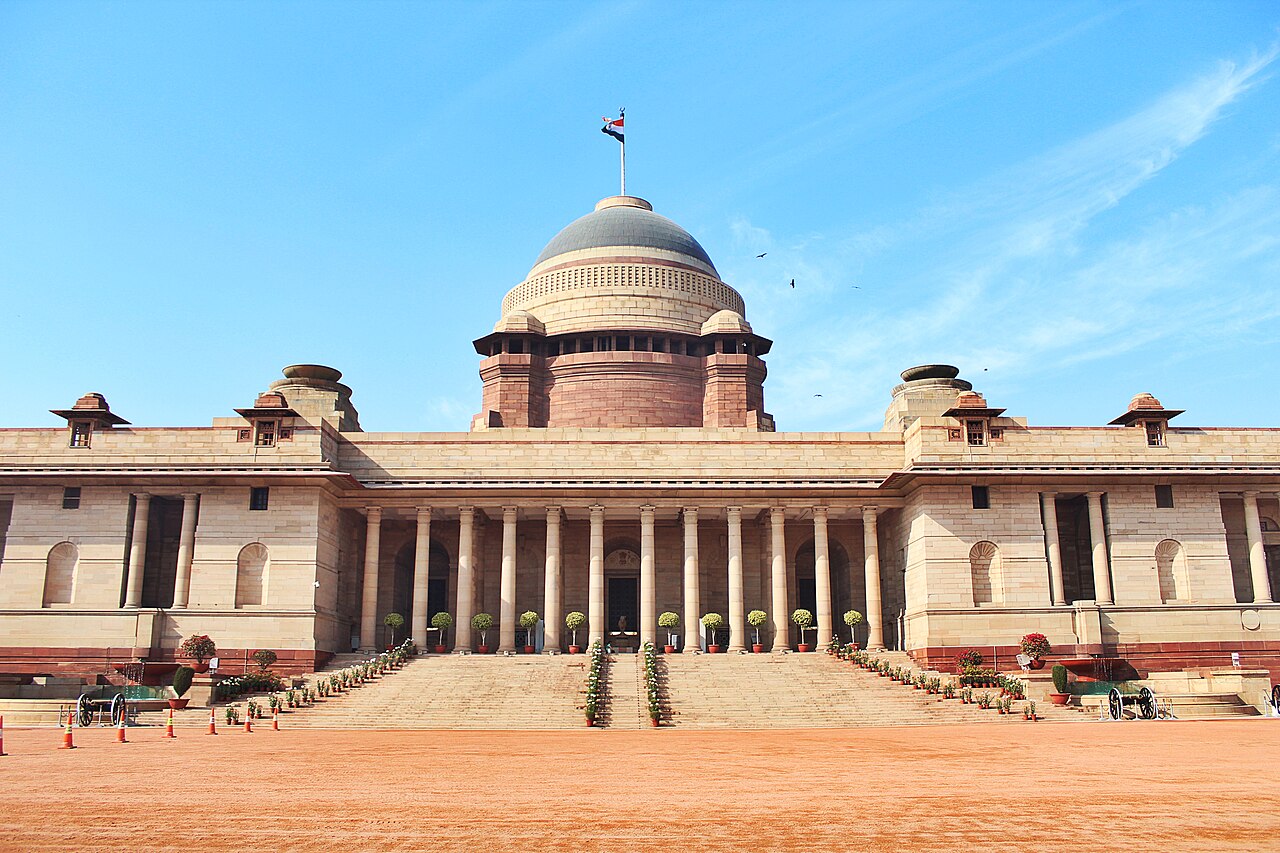
Three jurisdictions, one labour draw
The political capital plus Gurugram and Noida. Policy customers, corporate headquarters, and three different state systems.
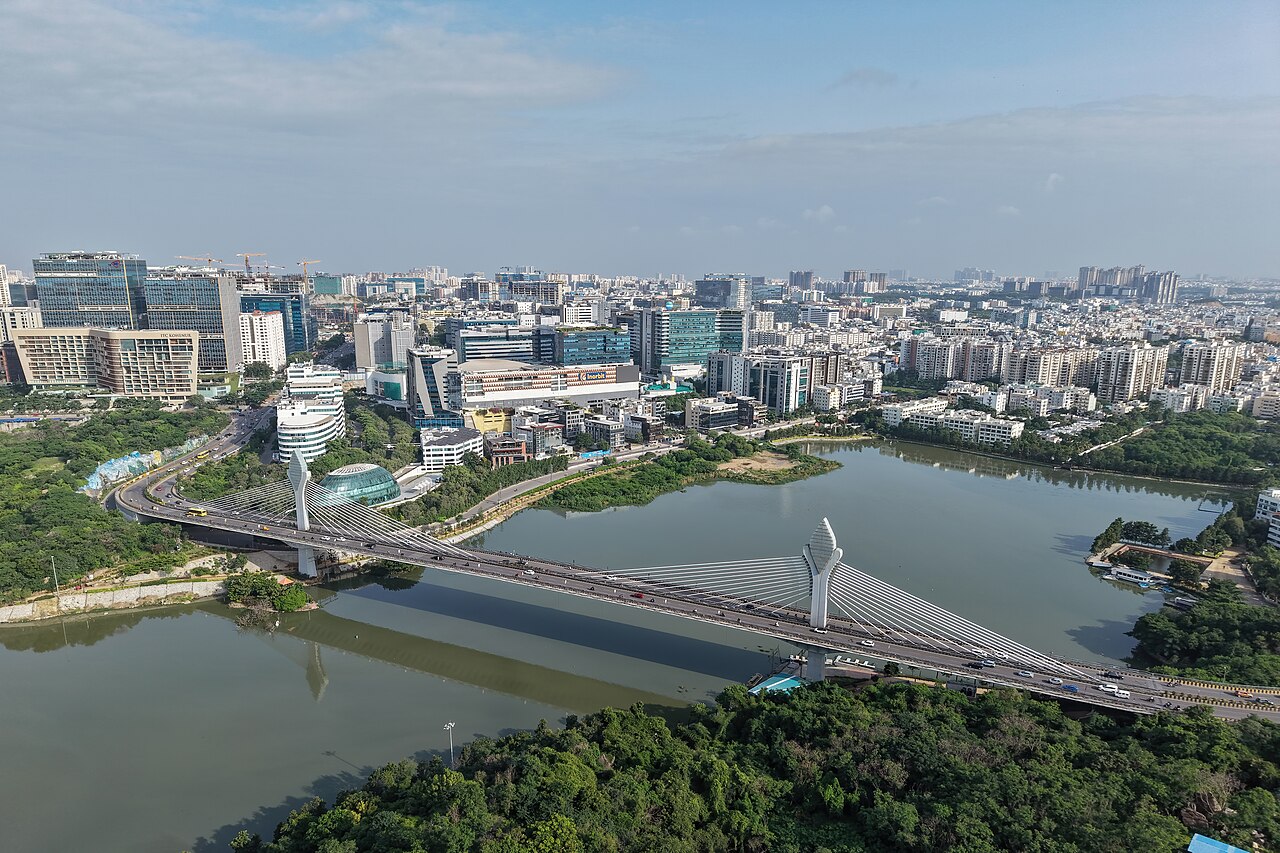
Services, life sciences, and a state project
A planned technology district and a life-sciences corridor in Telangana, with a different cost structure from Mumbai or Bengaluru.
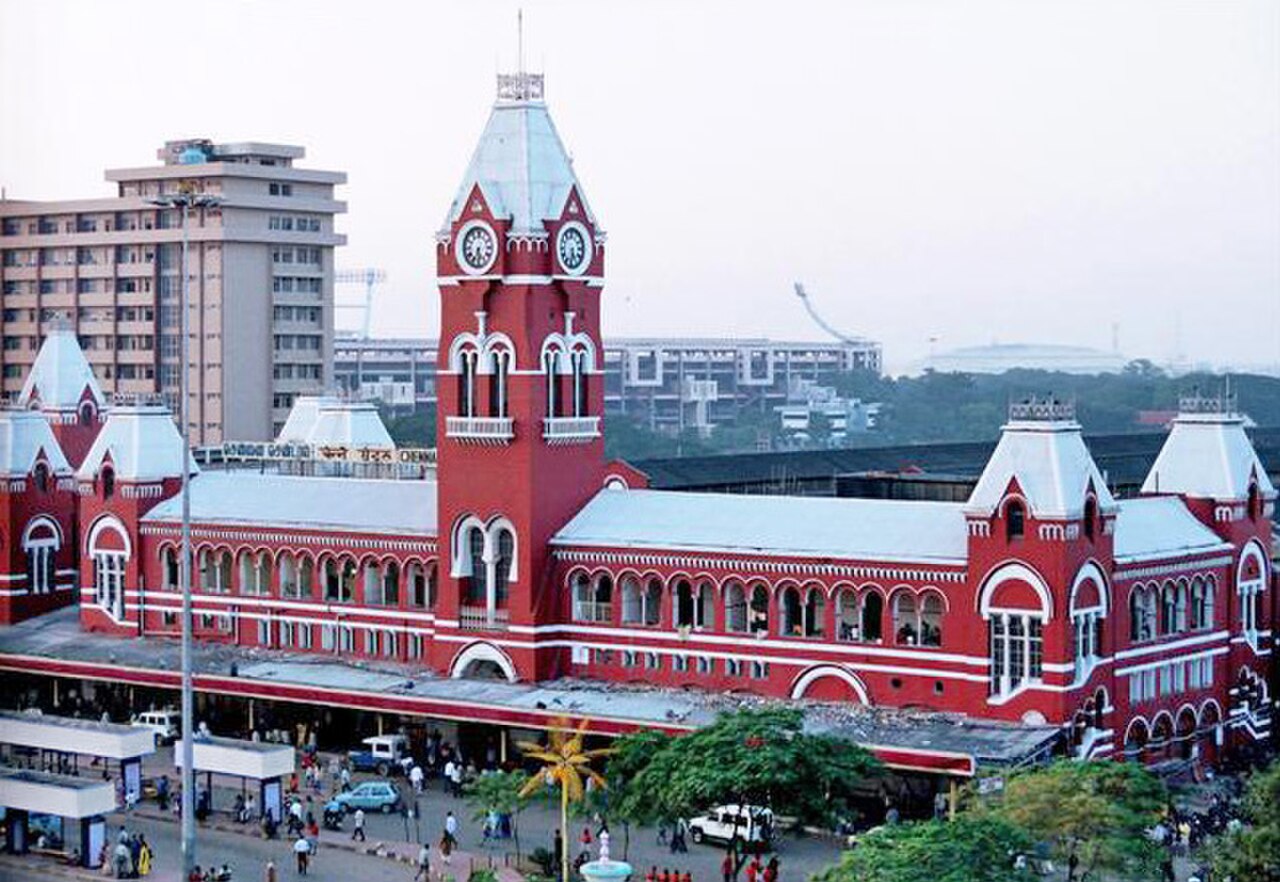
Factories, a port, and a research park
Tamil Nadu’s commercial capital. Software, hospitals, and an automotive and electronics belt are different industries that share a city.
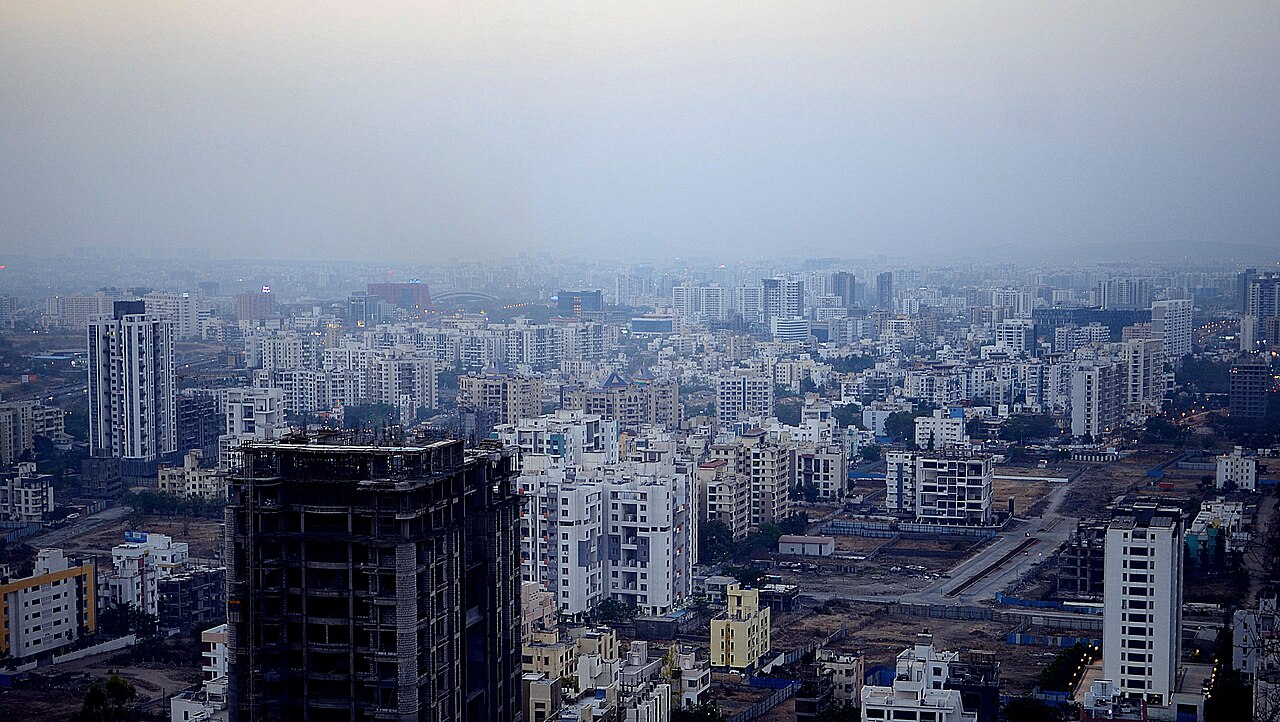
An engineering and manufacturing city
Automotive and mechanical engineering on one map, software parks on another, and a financial capital a few hours away that it should not imitate.
Themes are research notes on industries: where the work sits, and which rule applies.
The same ten questions for every major cluster. Answers are qualitative. They are not scores, and they do not rank countries against each other.
The briefs that can stand alone are Bengaluru, Mumbai, Delhi-NCR, Hyderabad, Chennai, and Pune. They do not share a state government. A seventh note, emerging centres, covers smaller urban systems without pretending they are one city or a ranked list.
Sector briefs sit beside the city briefs. A SaaS company and a factory supplier are not two points on one city ranking. They are different maps.
The sectors written out in this cluster are SaaS, fintech, artificial intelligence, deep tech, consumer technology, manufacturing, health tech, climate tech, plus the cross-cutting questions of startup finance, talent, and domestic market scale. ‘Leading’ here means present enough to brief. It is not an external league table, and none is cited.
Services export remains the large technical employer underneath several of these labels. Ignoring it makes every sector look more like a product story than it is.
Domestic pooled funds sit under SEBI’s AIF regulations. Cross-border money sits under the foreign-exchange framework, often through a foreign holding company. GIFT City is a third rulebook, not a third country. The startup-finance brief is the longer note.
The supply is a large graduate and services workforce, uneven by city, with a scarce layer of people who have shipped and sold a product. Institutions such as the IITs and IISc matter and do not dominate hiring. The talent brief is the longer note.
Companies are central. Labour, land, and many licences are local. Financial products meet the Reserve Bank or SEBI. Devices meet CDSCO. Recognition under Startup India is optional and definitional. No cap or turnover test is copied onto these pages.
Domestic scale is real, and prices and languages differ inside it. Export of services and software is a second market, in someone else’s currency. National-accounts series exist and are not reproduced. The domestic-market brief says how to use the fact without a single TAM number.
The main metros connect to each other, to the Gulf, and to Singapore more easily than they connect to their own edges at a weekday hour. Singapore and the UAE are places Indian companies put holding companies and regional teams. Those places do not replace an Indian operating company. A port city such as Chennai is a different international fact from a software campus.
Identity and retail payments are ahead of urban roads, water in some cities, and freight. Power is an assumption inside campuses and a risk outside them. Manufacturing inherits state industrial infrastructure. Software inherits the payments rail and the airport.
The binding constraints are city-specific wages, compliance across states, the gap between a services résumé and a product rôle, and the foreign-exchange and tax friction of a cross-border cap table. Political and regulatory attention rises once a consumer company becomes infrastructure. None of these is solved by a ranking.
The structural facts that can still matter in a decade are the domestic number of customers, the technical workforce, and the public payments and identity rails. They do not guarantee that a given company, city, or sector captures them. Nothing here picks a city, or dates a result.
The word covers too much. A kirana, a services exporter with a thousand employees, a campus company, and a venture-backed product firm are different animals. Only the last is what this vertical means by a startup, and even that firm usually sits on top of a much larger services and trading economy.
Family capital and promoter control remain ordinary. A startup that takes outside money is choosing a different governance habit, not joining a national type. Caste, language, and city networks still decide who gets the first customers. Pretending the market is a single meritocratic funnel is a research error.
The working vehicles are a private limited company and a limited liability partnership, both on the Ministry of Corporate Affairs register. A partnership firm can also qualify for Startup India recognition. Recognition is optional. Incorporation is the legal fact.
Founders often add a foreign holding company so that overseas investors can take a share under a law those investors already know. That choice creates a second company, a second tax file, and a foreign-exchange question about how money moves into the Indian operating company. It is a structure, not a trick, and it does not replace Indian company law for the entity that employs people.
Domestic venture funds that pool money from Indian and foreign investors generally sit inside SEBI’s AIF regulations. The regulations have been amended repeatedly. The text read for this page is the version SEBI marks as last amended in November 2025. Category labels and investment conditions are in the regulations. They are not repeated here.
Angel money, corporate venture, and family offices exist beside that regime and are not the same licence. GIFT City, under IFSCA, is where a fund can be managed inside India on an international-centre rulebook. It does not move the operating company’s customers, staff, or state licences to Gujarat. Foreign venture capital still has to enter under the foreign-exchange and FDI framework the Reserve Bank and the government maintain. That framework is a living document.
The deepest public technology is not a startup. UPI moves money between bank accounts through private applications. Aadhaar is an identity system. Account aggregators and public digital goods sit in the same family: state or quasi-state rails that private firms are allowed to build on. A company that wraps a rail is not the owner of the rail.
The large technology employer in India is still export services: implementation, support, and engineering for clients abroad. Product companies hire from that labour pool and compete with it for people. Hardware, semiconductors, and laboratory science are real and much thinner. A services exporter and a product company hire for different work.
English is a working language in the firms this page is about, which is not true of the whole labour market. Engineering colleges produce volume. Quality and willingness to join an unproven company vary sharply by city and by the outside option of a services salary.
Returnees from the United States and from other Asian offices matter in some product companies and are irrelevant in others. A hiring plan that assumes a national market for senior product managers will discover it is a few cities, and that those cities do not share a cost of living.
The Indian Institutes of Technology, the Indian Institute of Science in Bengaluru, the Indian Institutes of Management, and the IIITs are public institutions with different charters. They produce graduates and, in some departments, research. They do not have a duty to produce companies.
Most founders did not come from the most famous campus. Treating IIT Bombay or IISc as the ecosystem is a way of ignoring Hyderabad, Pune, Chennai, and the private engineering colleges that staff the services industry. Those colleges are uneven. Uneven is not the same as irrelevant.
Company law is central. Labour, land, and many licences are state subjects or are administered locally. A firm that is lawful in Karnataka is not thereby finished with Haryana or Uttar Pradesh. GST replaced a tangle of indirect taxes with a different tangle. It is national. It is not simple.
Sector regulators matter more than the companies act once the product touches money, health, telecoms, or insurance. The Reserve Bank, SEBI, IRDAI, and TRAI each run their own process. FDI policy is consolidated and then amended. A paragraph in a foreign brief that states ‘the cap’ without a date is already stale. This page refuses the cap.
The World Bank discontinued the Doing Business report in September 2021 after data irregularities. GRIP does not use those country ranks, for India or for anyone else. Cost here means rent, payroll, professional fees, and the time senior people spend on filings.
Those costs are city facts. A Bengaluru engineering salary and a Hyderabad engineering salary are not interchangeable, and neither is a Mumbai rent. Compliance cost is also a stage fact: a twenty-person company and a company with a foreign holding structure do not have the same advisor bill. No index on this page will rank the cities.
Digital identity and retail payments are ahead of urban transport and, in some cities, water and reliable local roads. A product that assumes UPI can reach a customer a logistics network cannot. Power is better than it was in the services campuses and still an operating assumption outside them.
Airports connect the main cities to each other and to the Gulf and to Singapore more easily than the cities connect to their own peripheries at a weekday hour. For a software firm that is an inconvenience. For a company that moves goods, it is the business.
The domestic market is large, price-sensitive, and multilingual. A product that works for an English-speaking professional in one metro can fail in the next state for reasons that have nothing to do with the software. Public procurement is a separate market, with its own payment habits.
Export of services remains the path that brings foreign currency without winning a consumer. That path trains managers and also pulls the best operators toward client work. Selling to Indian enterprises, to the state, and to households are three go-to-market problems. Scale-up stories that collapse them are not research.
The distinctive innovation of the last decade is institutional: public rails for identity and payments, which let private companies start further along. Process innovation in logistics, credit assessment, and low-cost delivery is more common than a new scientific platform.
Laboratory science is concentrated and does not automatically become a company. Where it does, the constraint is usually a long regulatory path. Calling every consumer app ‘deep tech’ empties the term. DPIIT’s own recognition rules now distinguish a deep-technology window. The distinction is administrative. It is still a useful warning against the empty term.
A city product becomes a national company only if distribution, language, state rules, and working capital allow it. Payments infrastructure removes one excuse. It does not remove warehouses, collection, or a state licence.
Public markets exist. BSE and NSE are the securities infrastructure, under SEBI’s listing rules. Most startups will not list, and a listing is not a research conclusion. The alternative exit, a sale to a strategic buyer or to a later fund, depends on foreign-exchange rules if the buyer is abroad. Scale, in India, is usually a domestic operating problem before it is a capital-markets event.
Across GRIP
The same place, read from another desk.
Continue with GRIP
Country briefs are the law and the national system. City briefs are where hiring, customers and rent actually happen.