Who typically looks here
Automotive and electronics staff, software employees, and port-related businesses.
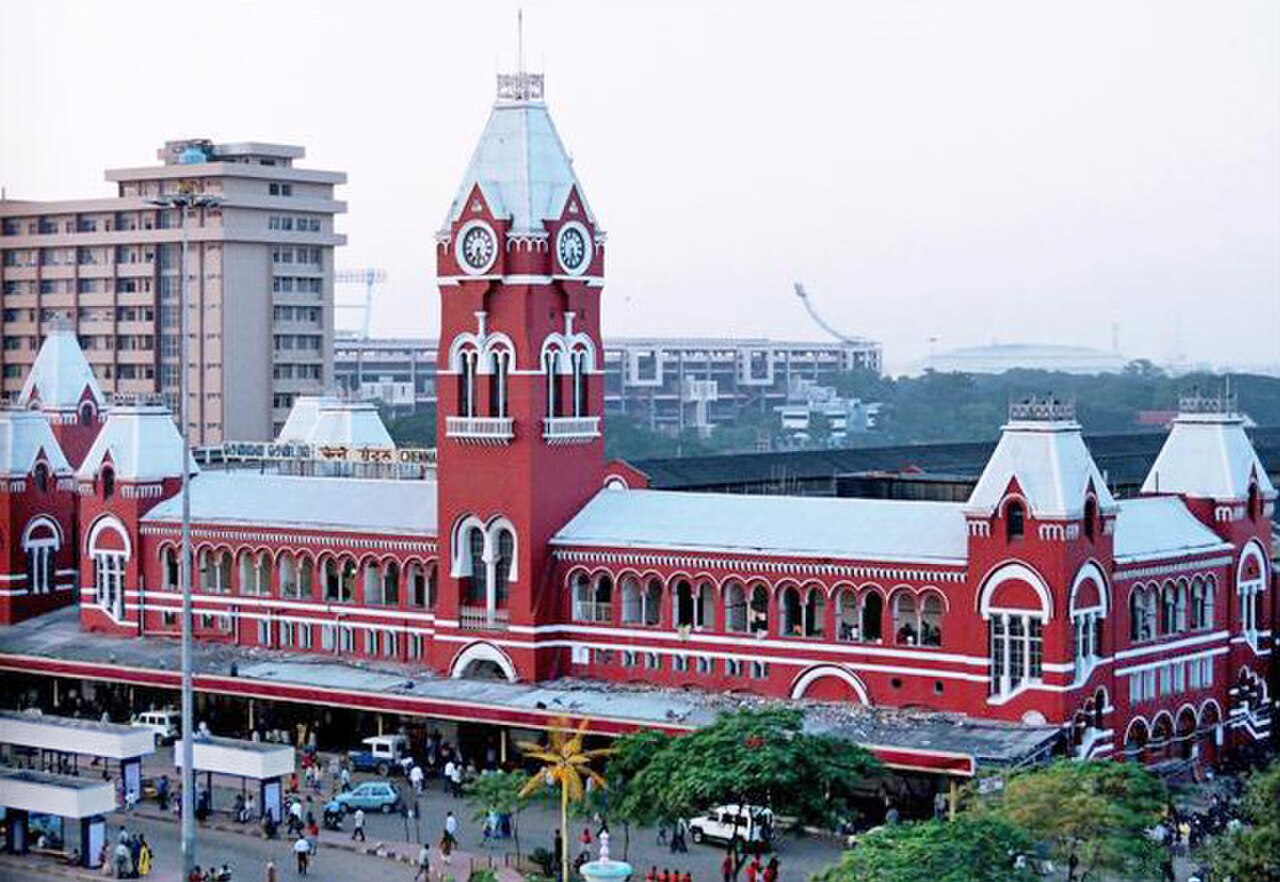
The port and the industrial belts to the north and west make goods. The Old Mahabalipuram Road to the south holds a long ribbon of software offices and the apartments that followed them. The old centre still has trade, administration and hospitals.
Tamil Nadu’s industrial policy is the context. The building is still a Chennai title, with state stamp duty and the state RERA register.
Automotive and electronics staff, software employees, and port-related businesses.
Which corridor the job is on: south for many offices, west and north for many plants.
A local labour market with its own title system. The national pages carry the statute and the macro figures.
Vehicle and component plants, electronics assembly and the port are the industrial base. Software and global capability work are the office base. Both hire at scale, and they hire in different suburbs. That is why a single ‘Chennai residential yield’ would be a fiction even if this page printed yields.
The startup and manufacturing briefs cover the company side. Housing follows the plants and the OMR as two demands.
OMR apartments were built for software salaries and have the usual ribbon-development problems: a long road, uneven social infrastructure, and projects at different stages of completion. The centre and the western neighbourhoods house people who work in the older economy. Industrial land at Sriperumbudur and Oragadam is a factory market.
Retail malls serve the same split. Warehouses serve the port and the plants. A data-centre hall, where one is operating, is there because of the cable landing and the power, which is a different reason from the apartments.
Guindy, Taramani and the OMR are the technology addresses. Anna Salai and Nungambakkam remain commercial in the older sense. Sriperumbudur and the western industrial belt are where a supplier park means a factory. The port is in the north.
A visitor shown one OMR tower has seen one product. The city’s employment is wider than that road.
The airport, the port and the suburban rail are the inherited system. The metro lines that are open help the core and some of the commute. OMR itself is a road, and the road is the constraint. Water and drainage in the monsoon are operating facts on a flat coastal plain. Electronics and auto plants care about the highway to the west more than about the beach.
A corridor announced along a future line is a different place from the OMR, which already has the offices.
Software staff rent and buy along the south. Industrial staff live closer to the plants, often in a wider catchment. The consumer market is the city’s own large population. Housing demand is overwhelmingly local. Office demand is company leases.
Hospitality follows business travel and a limited leisure coast south of the city, which is a different stay from a weekday apartment.
Ribbon supply on the OMR can outrun the shops, the schools and the drainage. Factory demand moves with export orders and with a single manufacturer’s plan. Flooding is a risk the city is built around, and it still has to be underwritten. Title on the industrial edge turns on zoning and on whether the incentive plot is the same plot as the factory.
Related GRIP research
These are GRIP briefs, not city reports. They sit next to a Chennai reading.
Startup investing
Operating factories, an incentive, a corridor on a map and a semiconductor approval are four different facts.
Research note25 October 20262 min read
Real estate research
An open metro, a working port and a corridor that exists only on a drawing each do something different to land.
Research note25 October 20262 min read
Real estate research
The floors global tenants occupy sit in a handful of corridors. They track hiring in services exports more closely than the national growth print.
Research note25 October 20262 min read
Across GRIP
The same place, on a related page.
Also in India
Finance and the port
A land-constrained city of headquarters, markets and a working harbour.
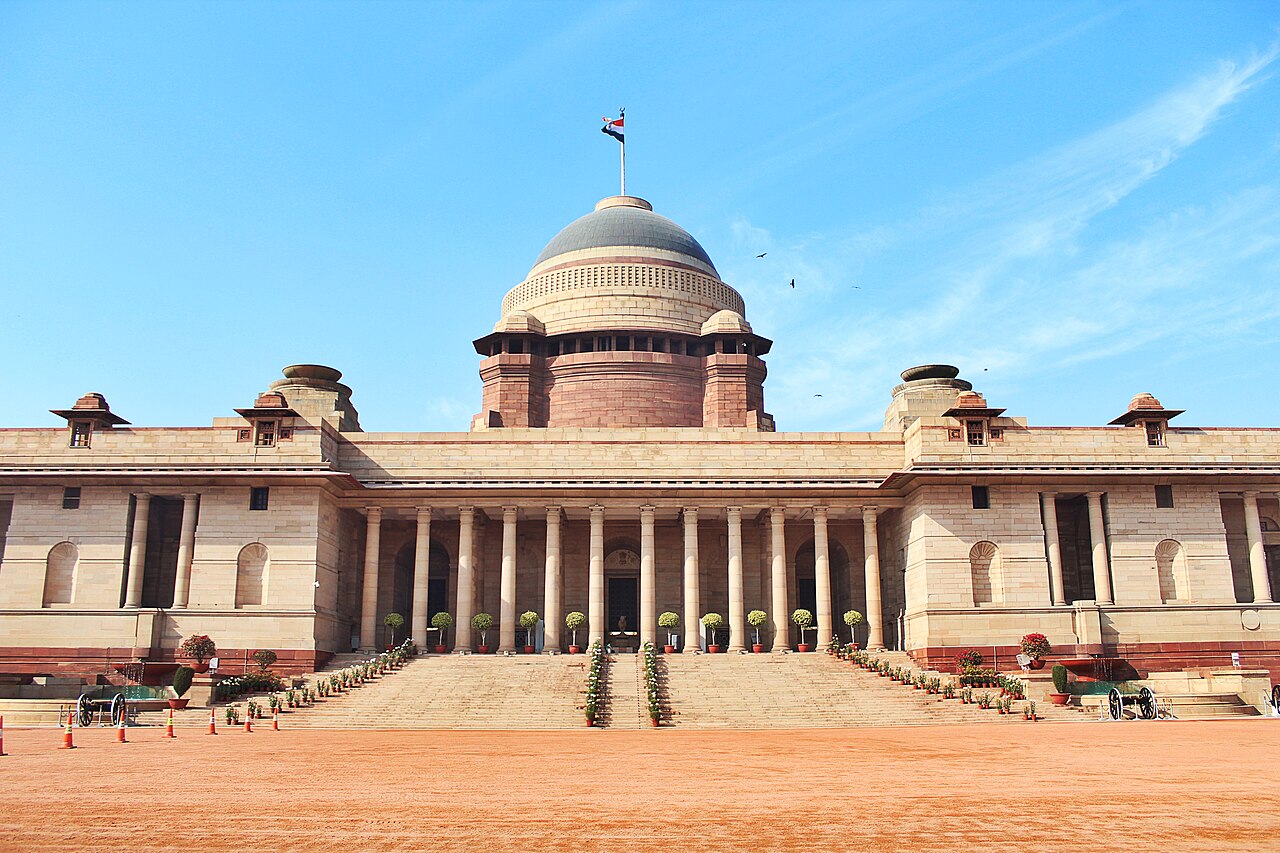
Capital region, three states
Delhi, Gurugram and Noida share a labour market. They keep separate land laws.
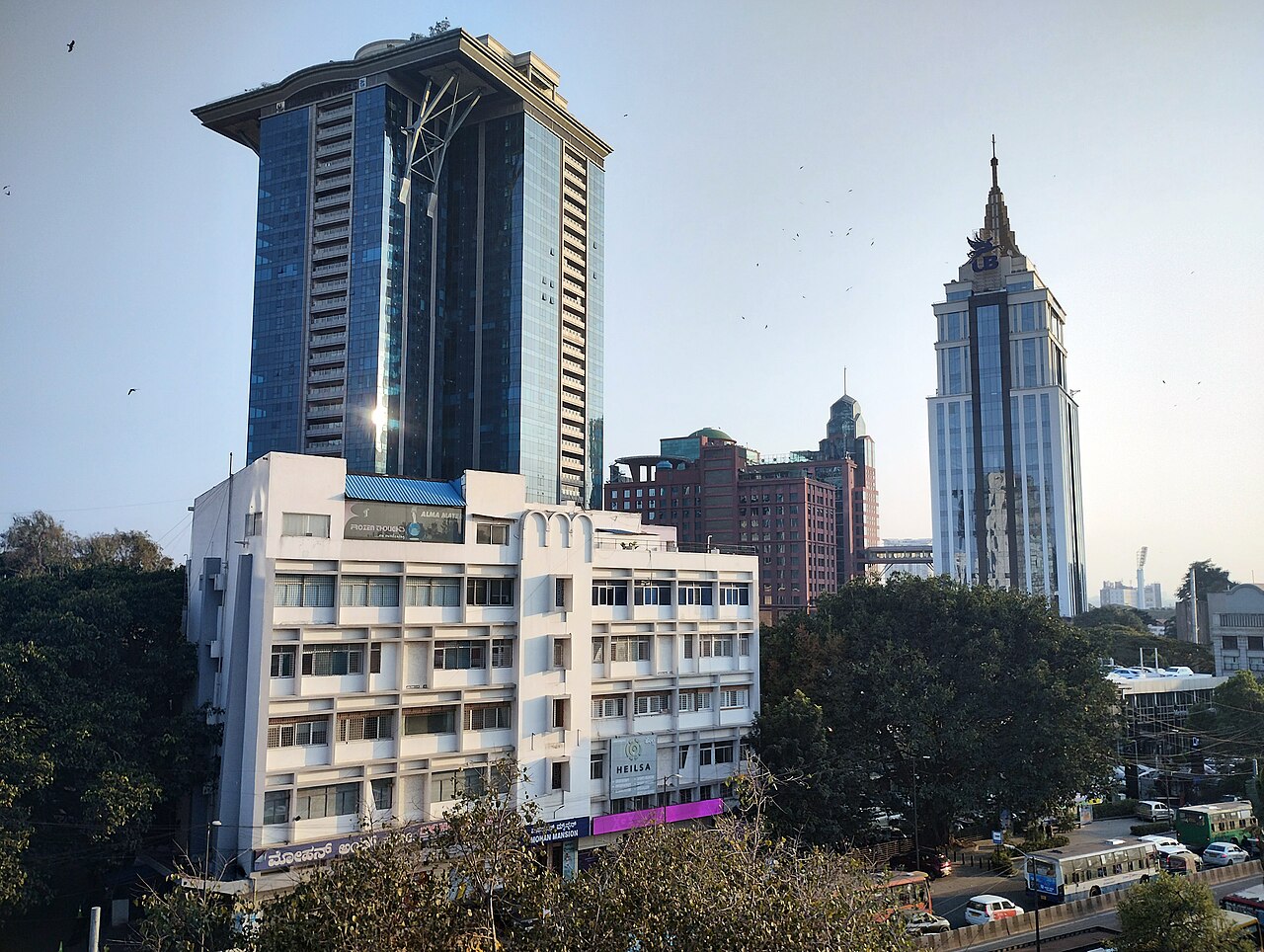
Technology labour market
Engineering payrolls, campus offices, and a city that grew faster than its roads and its water.
Technology and pharmaceuticals
A planned western corridor for offices, and a pharmaceutical industry older than the towers.
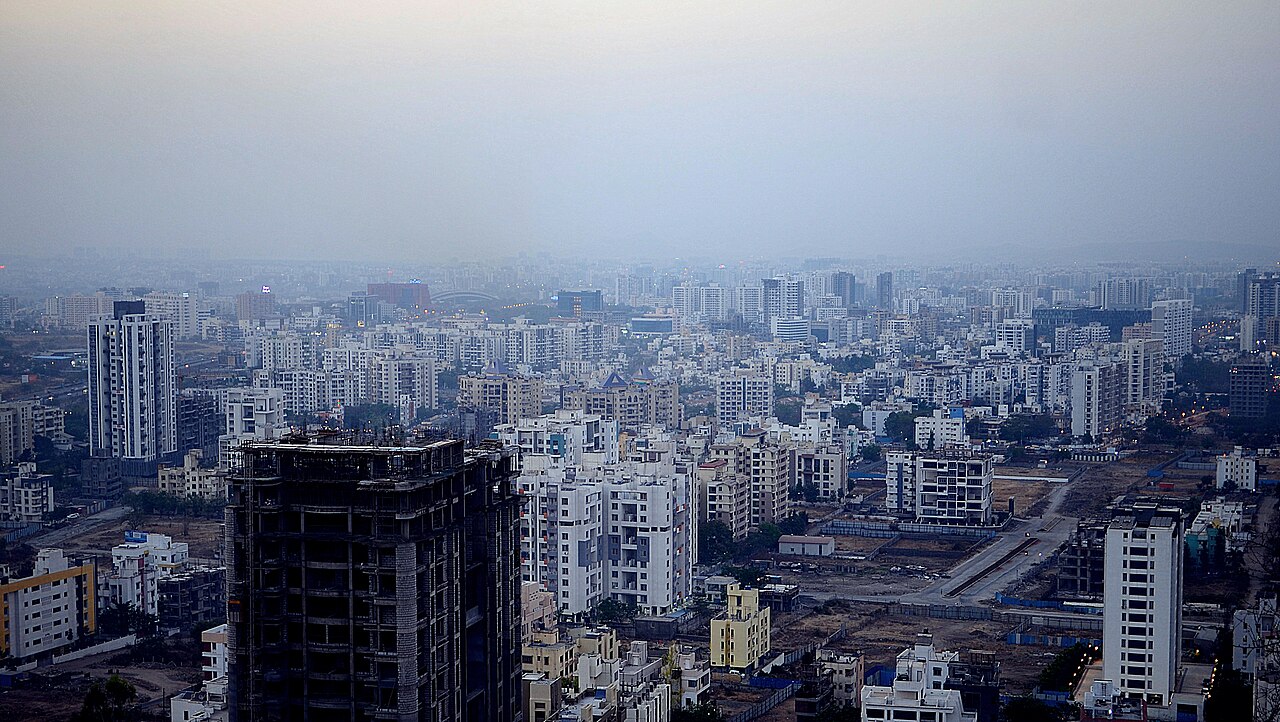
Engineering and software
Automobiles and engineering in one belt, technology offices in another, under Maharashtra’s rules.
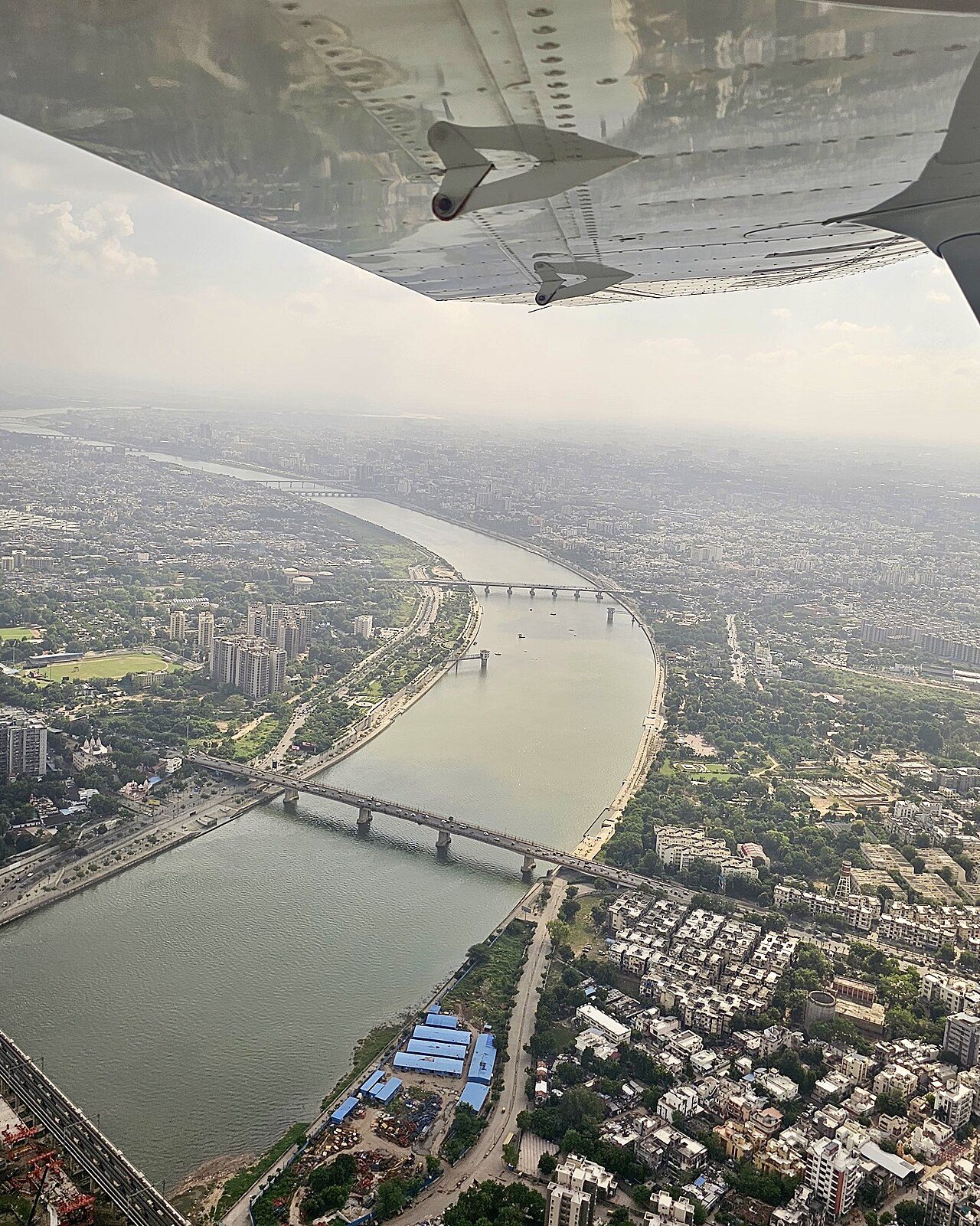
Gujarat’s commercial city
Trade, small and large factories, and a financial centre in the next city that sits outside this housing market.
Eastern commercial capital
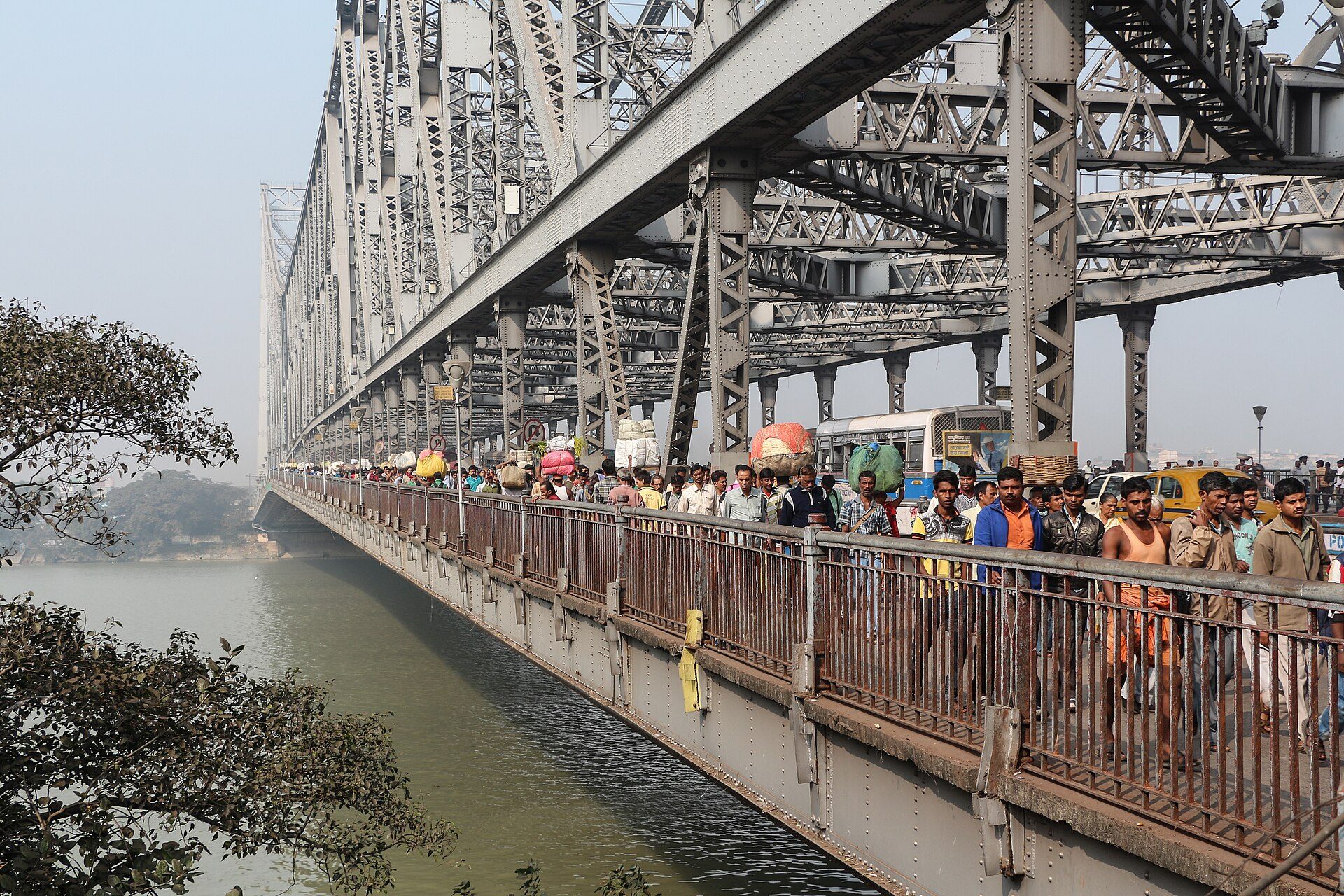
An older port and office city, with technology floors at Salt Lake and New Town.
A group of local economies
Jaipur, Lucknow, Kochi, Coimbatore, Indore, Surat, Visakhapatnam and Chandigarh, read as local economies.
Continue with GRIP
If this city belongs on the list, write to GRIP, or return to the country brief.