Who typically looks here
National retailers, logistics operators, local industrialists, and households who live in the city rather than commute from a metro.
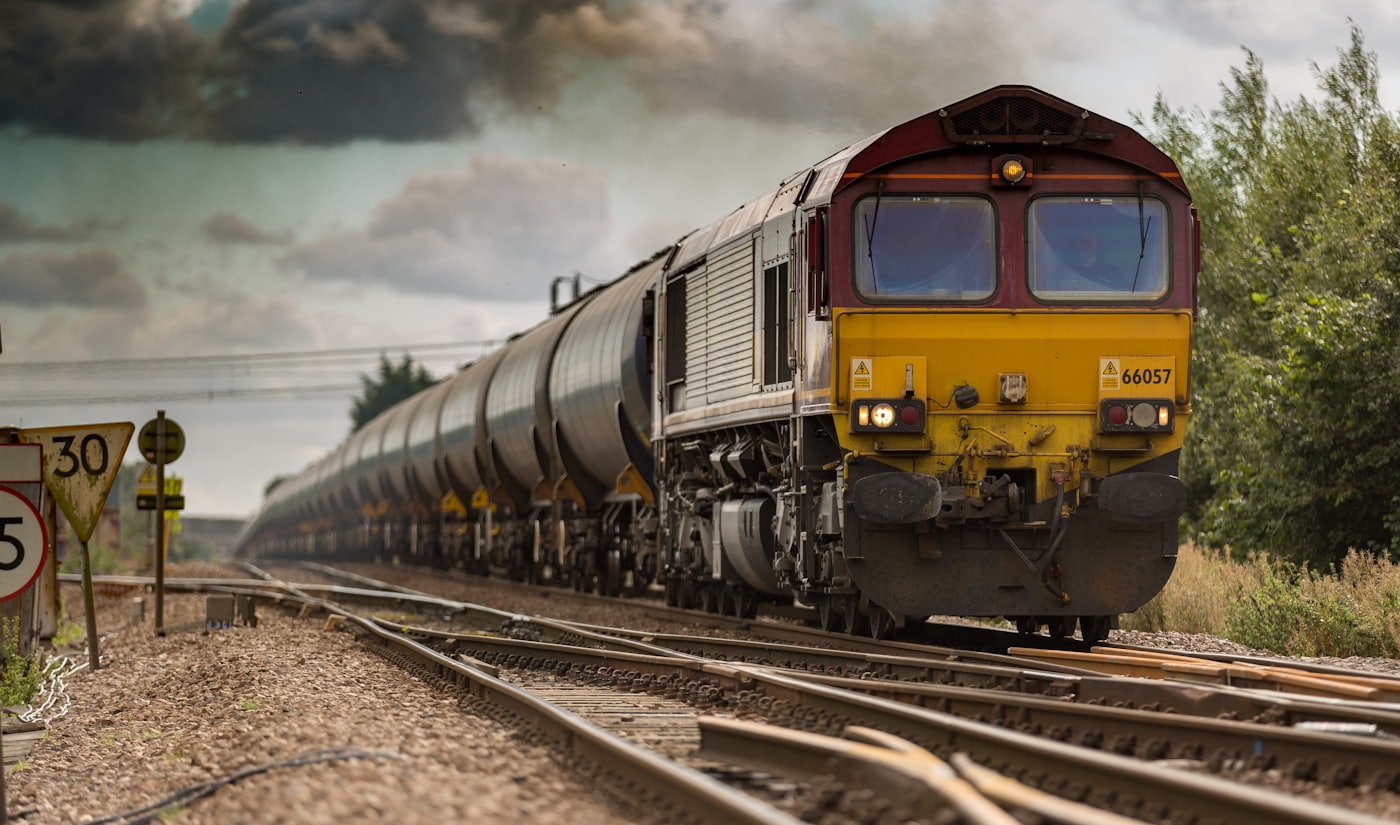
National firms now open stores, warehouses and sometimes small offices in cities that a foreign property brochure still skips. The reason is consumption, a local industrial cluster, or a government and education base. There is no score attached.
Jaipur, Lucknow, Kochi, Coimbatore, Indore, Surat, Visakhapatnam and the Chandigarh tri-city are the names a first reading should be able to place. Nashik, Nagpur, Vadodara, Bhubaneswar and Guwahati belong in the same conversation and do not become identical by being listed.
National retailers, logistics operators, local industrialists, and households who live in the city rather than commute from a metro.
The local employer and the state title. The tier 2 label does not describe the tenure.
A local labour market with its own title system. The national pages carry the statute and the macro figures.
Surat is an industrial and trading city of national weight in textiles and diamonds, and it is grouped here because this layer does not give it a solo brief. Coimbatore is engineering. Visakhapatnam is a port and a public-sector and industrial city. Kochi is a port, a back-office and tourism-linked service economy. Jaipur combines administration, tourism, crafts and a growing consumer market. Lucknow is a state capital whose consumption and some offices follow government. Indore is central India’s commercial city. Chandigarh is a planned capital shared, in its region, with Mohali and Panchkula.
Each of those sentences is a reason to open the local record. None of them is a return.
The property that national capital actually touches is usually a leased store, a warehouse on the highway, a small office, or a hotel. Residential property is overwhelmingly local end users. Plotted schemes at the municipal edge are where speculative cycles show up. They should be read as local land, with conversion and road access, on a different scale from a Mumbai tower.
Offices exist, including for shared services in a few of these cities. They are a much thinner stock than the Outer Ring Road. Calling them ‘the next Bengaluru’ turns a research note into a slogan.
The useful geography is the road to the nearest metro or port, the municipal boundary, and the industrial estate that already has tenants. A mall in the centre and a shed on the bypass serve different customers. Universities and hospitals are often the stable employers when the factory is the volatile one.
State rules differ as much here as they do between the metros. Kerala, Rajasthan, Uttar Pradesh, Tamil Nadu, Madhya Pradesh, Gujarat, Andhra Pradesh and the Chandigarh region’s several jurisdictions do not share a development authority.
Airports have improved the connection to Mumbai, Delhi and Bengaluru, which is why a manager will put a store here. A deep office market does not follow from the airport alone. Highways are the logistics asset. Metro projects, where a city has one under construction, matter on opening. Power and water decide whether a plant stays.
The infrastructure essay on the India hub is the national test: operating, or only announced. It applies with extra force where the announcement is the main thing a distant investor has seen.
Shoppers are local households, which is why the retail essay points here. Workers are local too. Rental demand is teachers, hospital staff, a thin layer of corporate transferees, and students. It is a real rental market and a small one beside the metros.
A national retailer signing five stores is a consumption fact. It is weak evidence for house prices.
The characteristic risks are thin resale, plotted schemes ahead of services, and a single employer. A port city moves with trade, a state capital with government spending, and a factory city with one industry. Liquidity is local. FEMA applies as it does elsewhere, and a buyer who needs a deep exit will not find one merely because the city was described as emerging.
Related GRIP research
These are GRIP briefs, not city reports. They sit next to a Tier 2 cities reading.
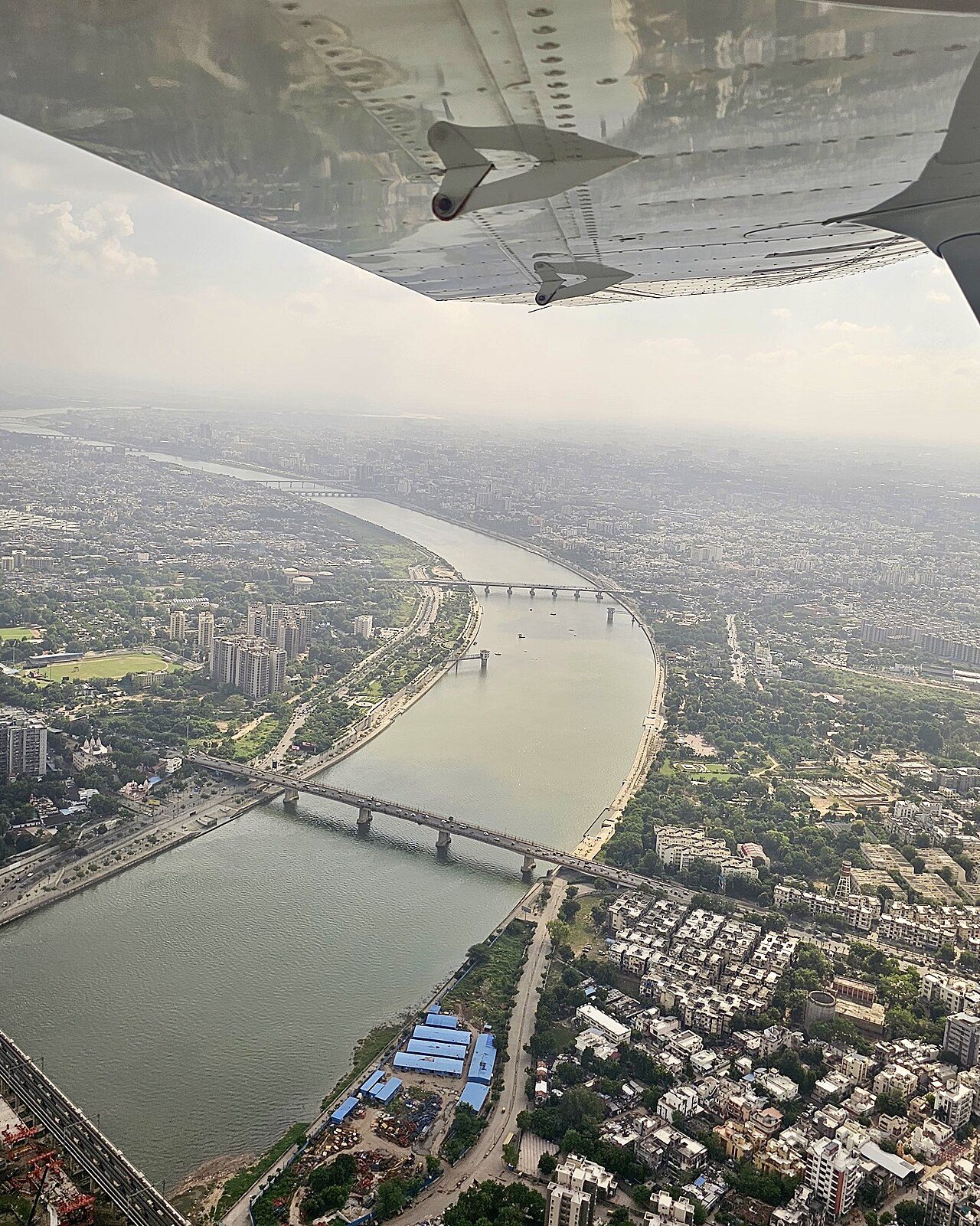
Markets and cities
National firms now open stores, sheds and small offices in cities well outside Mumbai’s skyline. Those cities still have separate markets.
Research note25 October 20262 min read
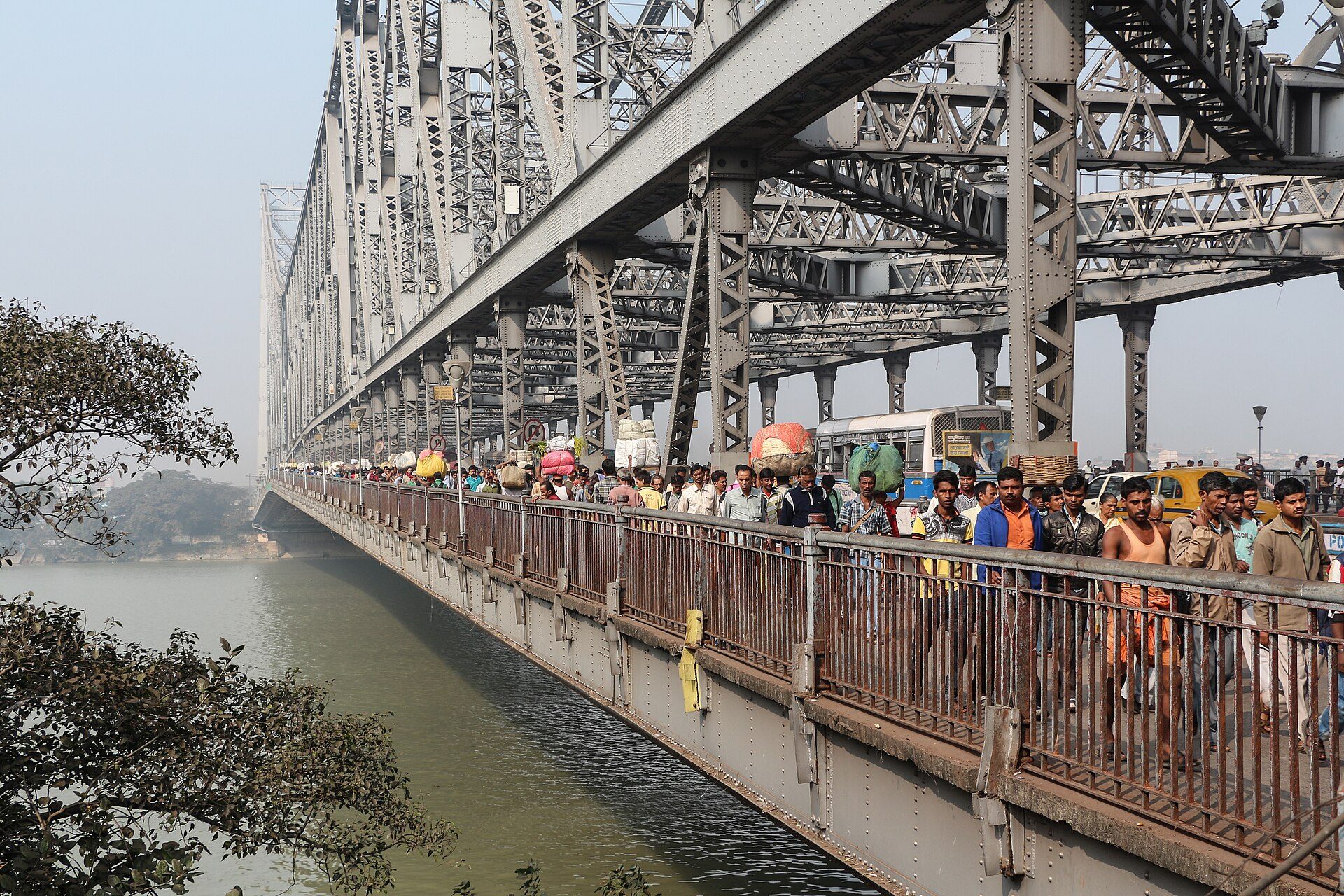
Global economy and macro
Formal retail has followed households into cities a brochure still treats as secondary. The shop, the app and the warehouse are separate buildings.
Research note25 October 20262 min read
Real estate research
A store, a dark store and a highway shed answer the same consumption with three different buildings.
Research note25 October 20262 min read
Across GRIP
The same place, on a related page.
Also in India
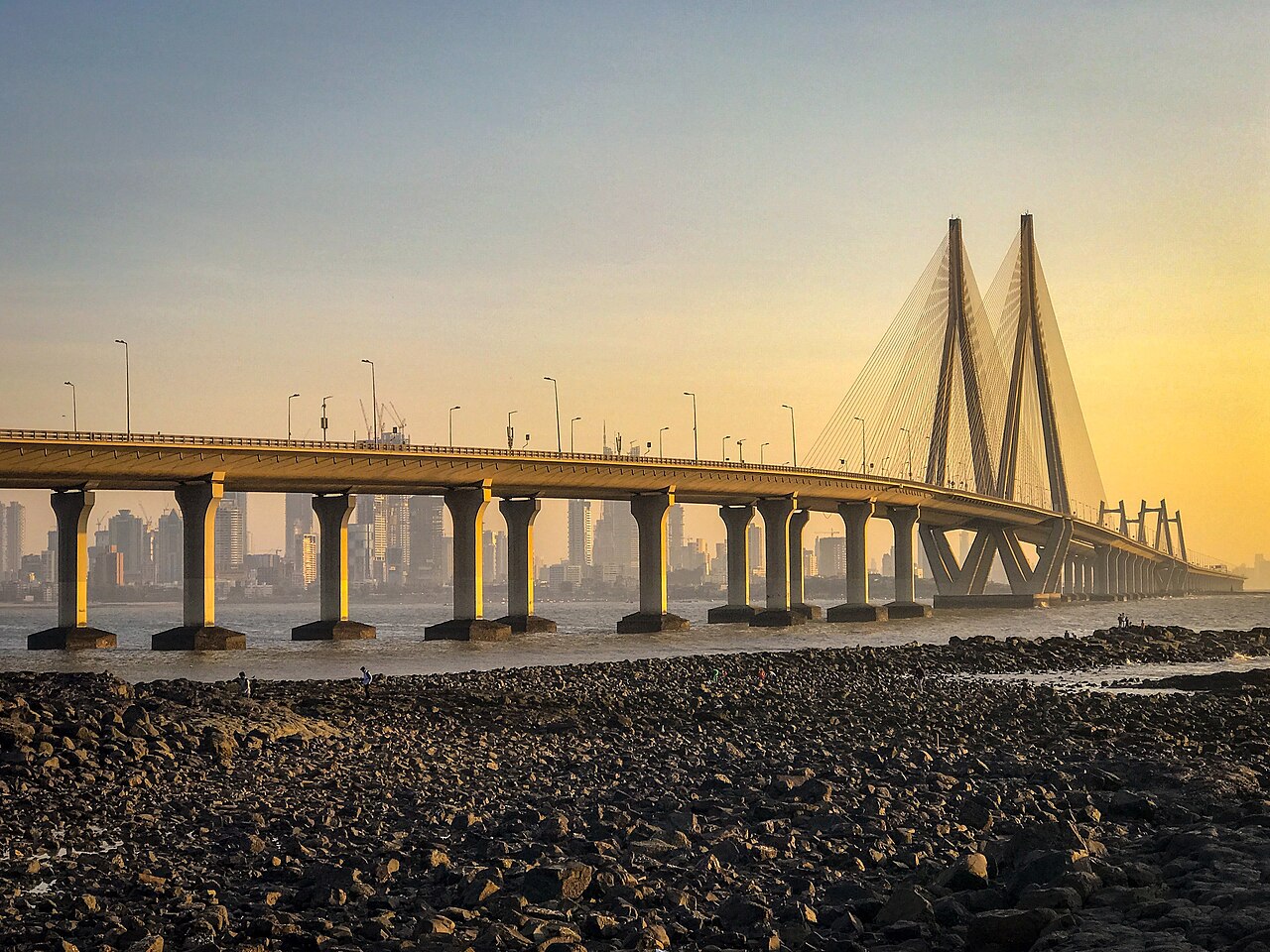
Finance and the port
A land-constrained city of headquarters, markets and a working harbour.
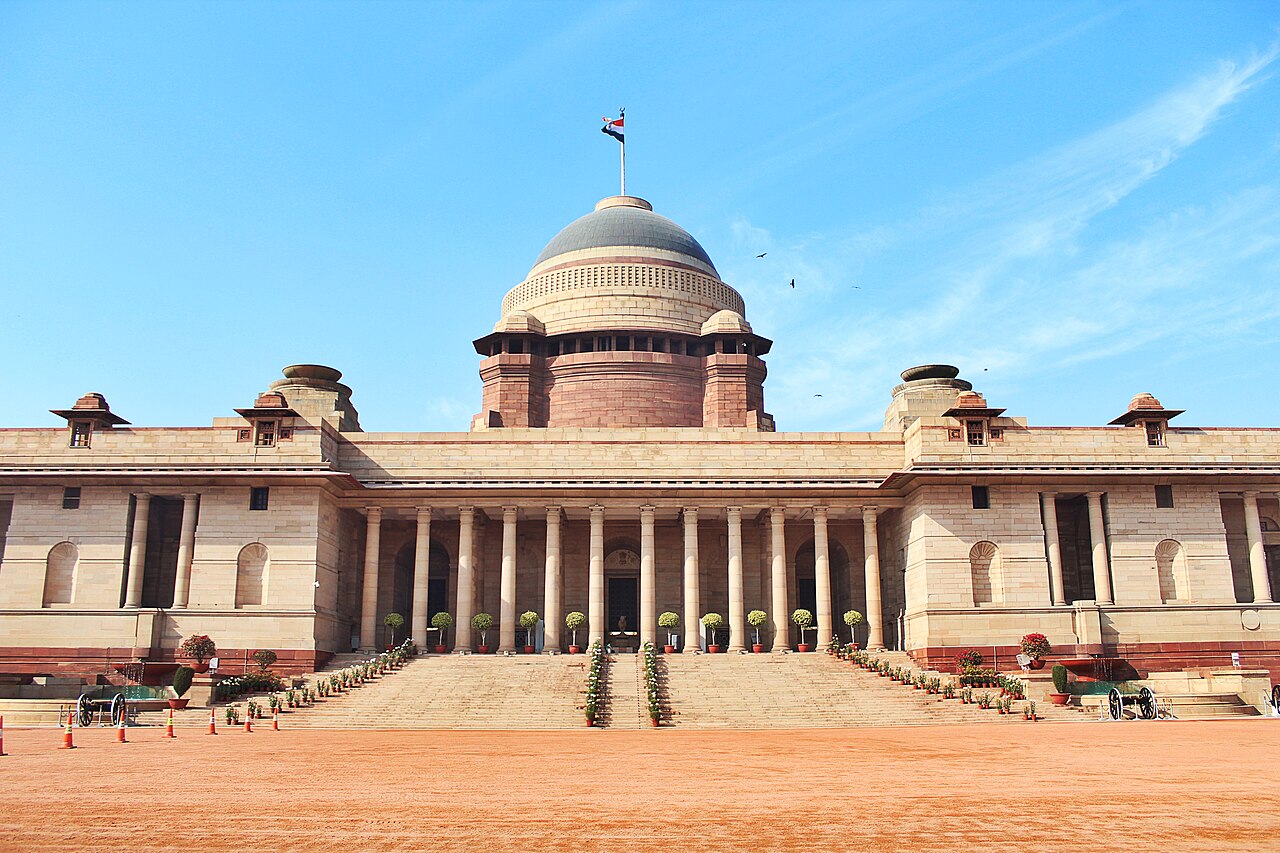
Capital region, three states
Delhi, Gurugram and Noida share a labour market. They keep separate land laws.
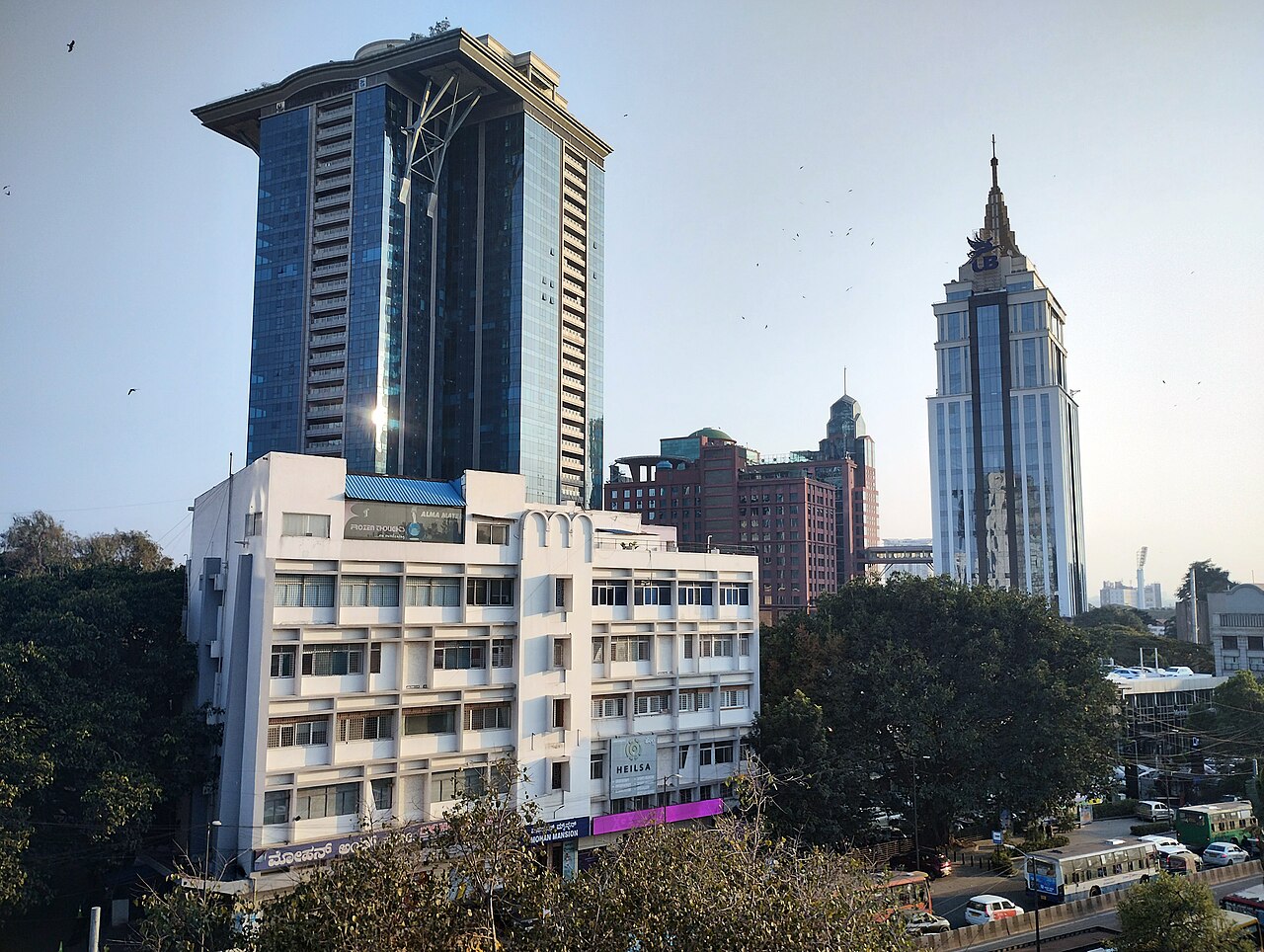
Technology labour market
Engineering payrolls, campus offices, and a city that grew faster than its roads and its water.
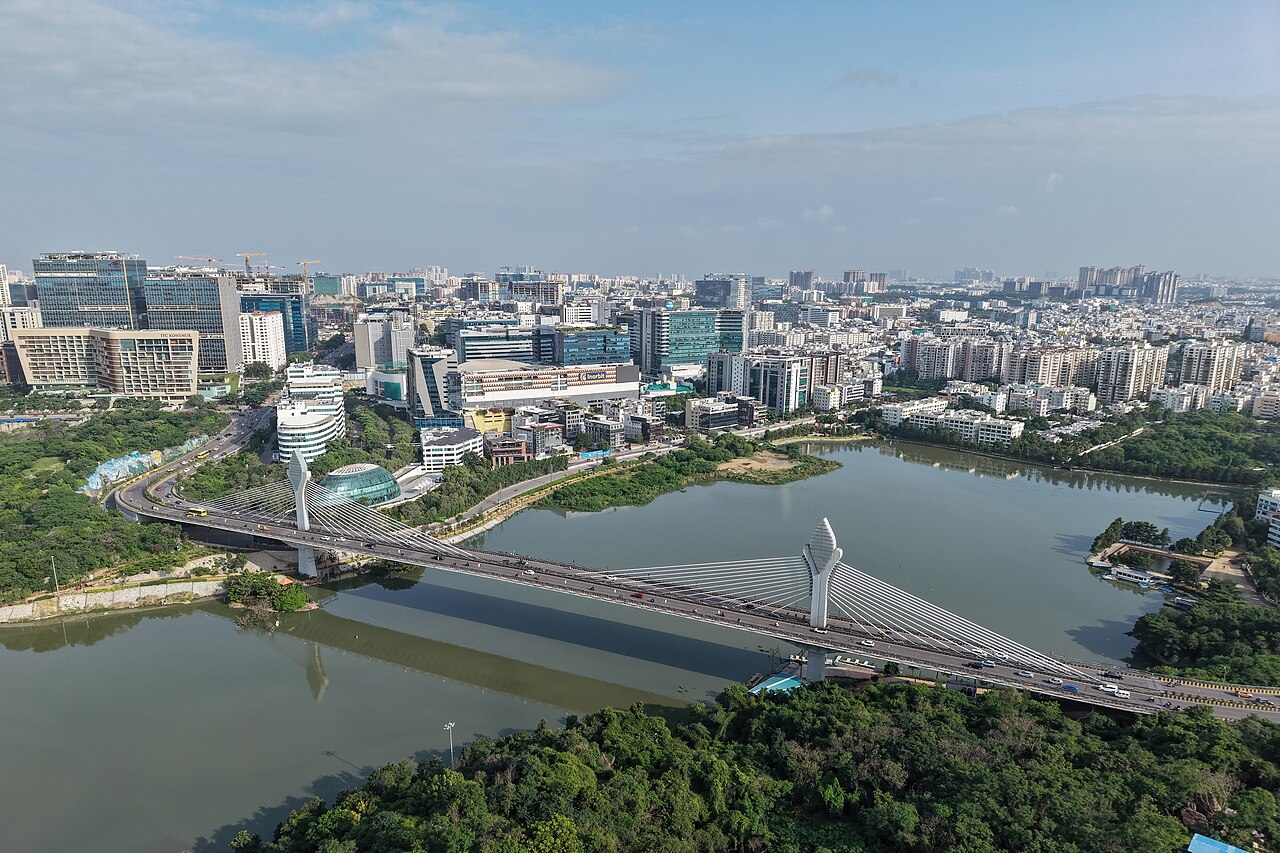
Technology and pharmaceuticals
A planned western corridor for offices, and a pharmaceutical industry older than the towers.
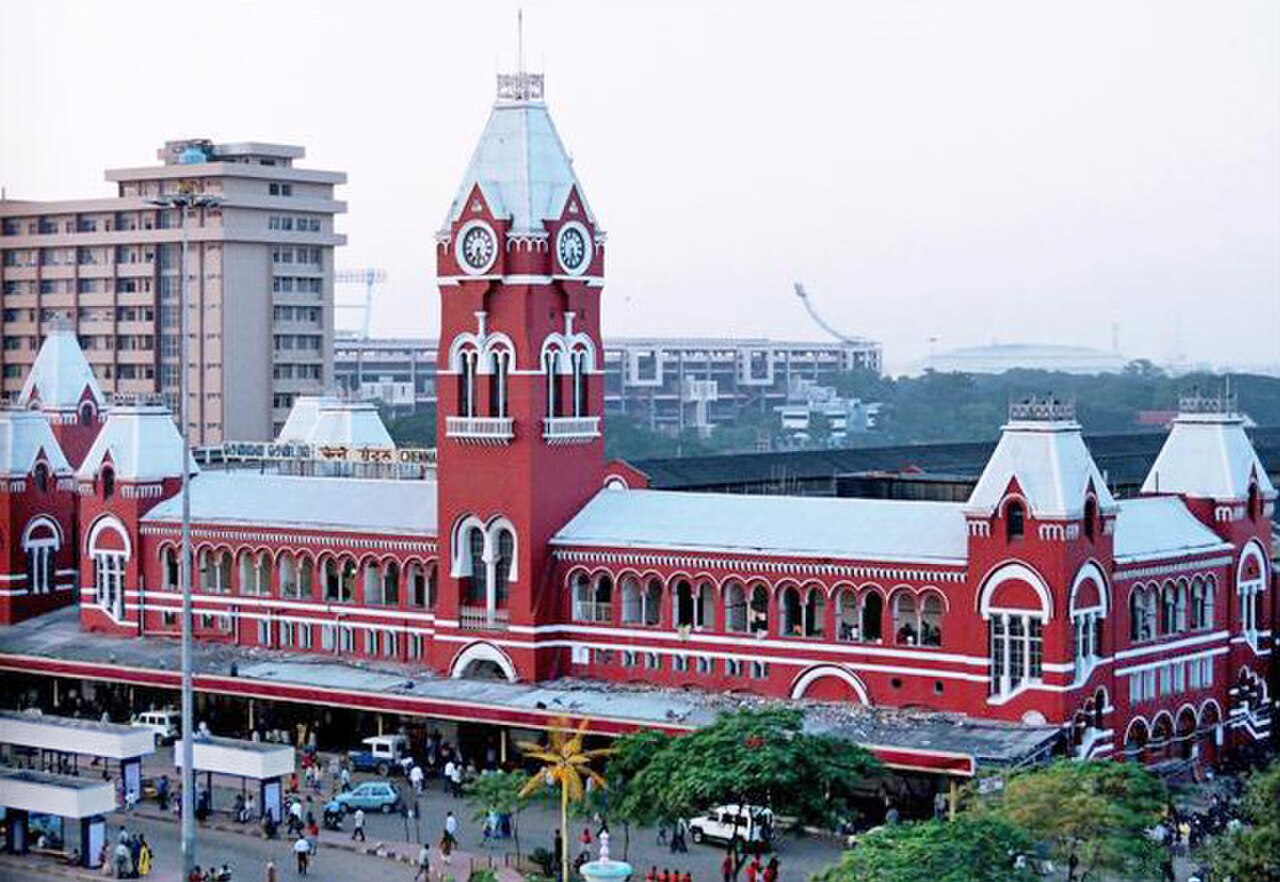
Port, automobiles, software
A factory and port city that also exports software, with housing pulled south along the OMR.
Engineering and software
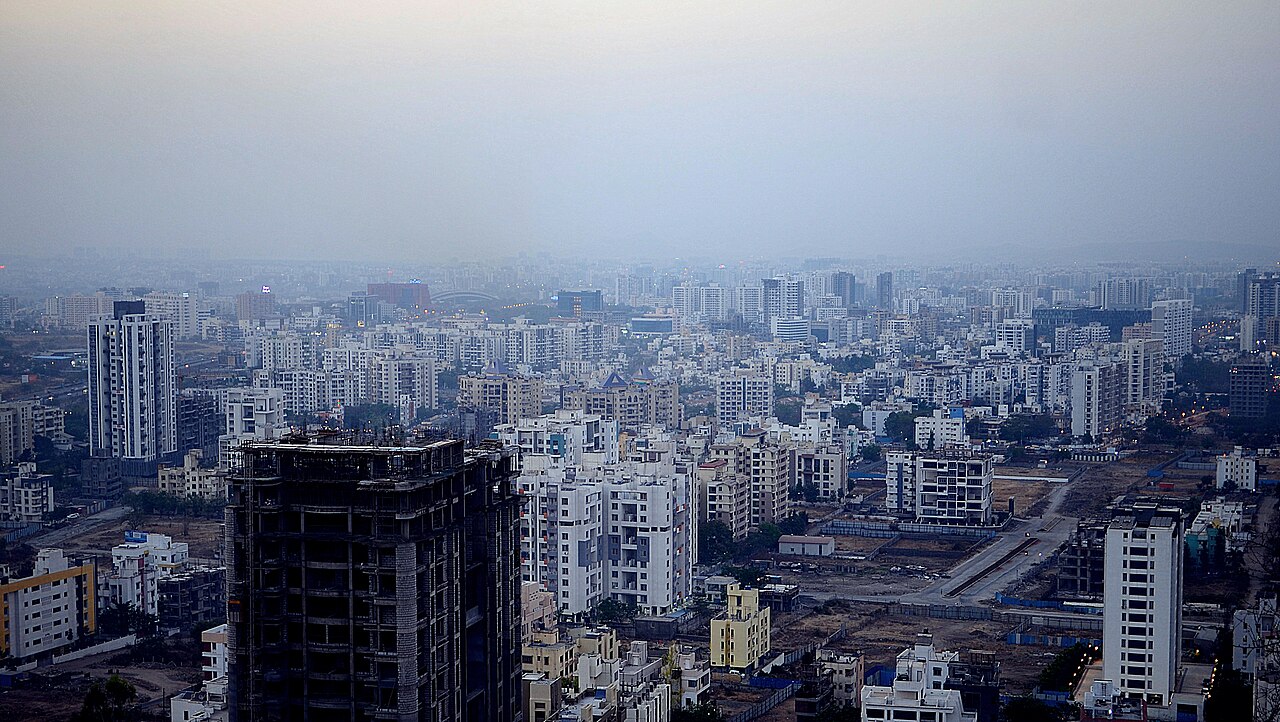
Automobiles and engineering in one belt, technology offices in another, under Maharashtra’s rules.
Gujarat’s commercial city
Trade, small and large factories, and a financial centre in the next city that sits outside this housing market.
Eastern commercial capital
An older port and office city, with technology floors at Salt Lake and New Town.
Continue with GRIP
If this city belongs on the list, write to GRIP, or return to the country brief.