GRIP LibraryGlobal economy and macro
India’s consumer economy beyond the metros
Formal retail has followed households into cities a brochure still treats as secondary. The shop, the app and the warehouse are separate buildings.
GRIP EditorialResearch note25 October 20262 min read
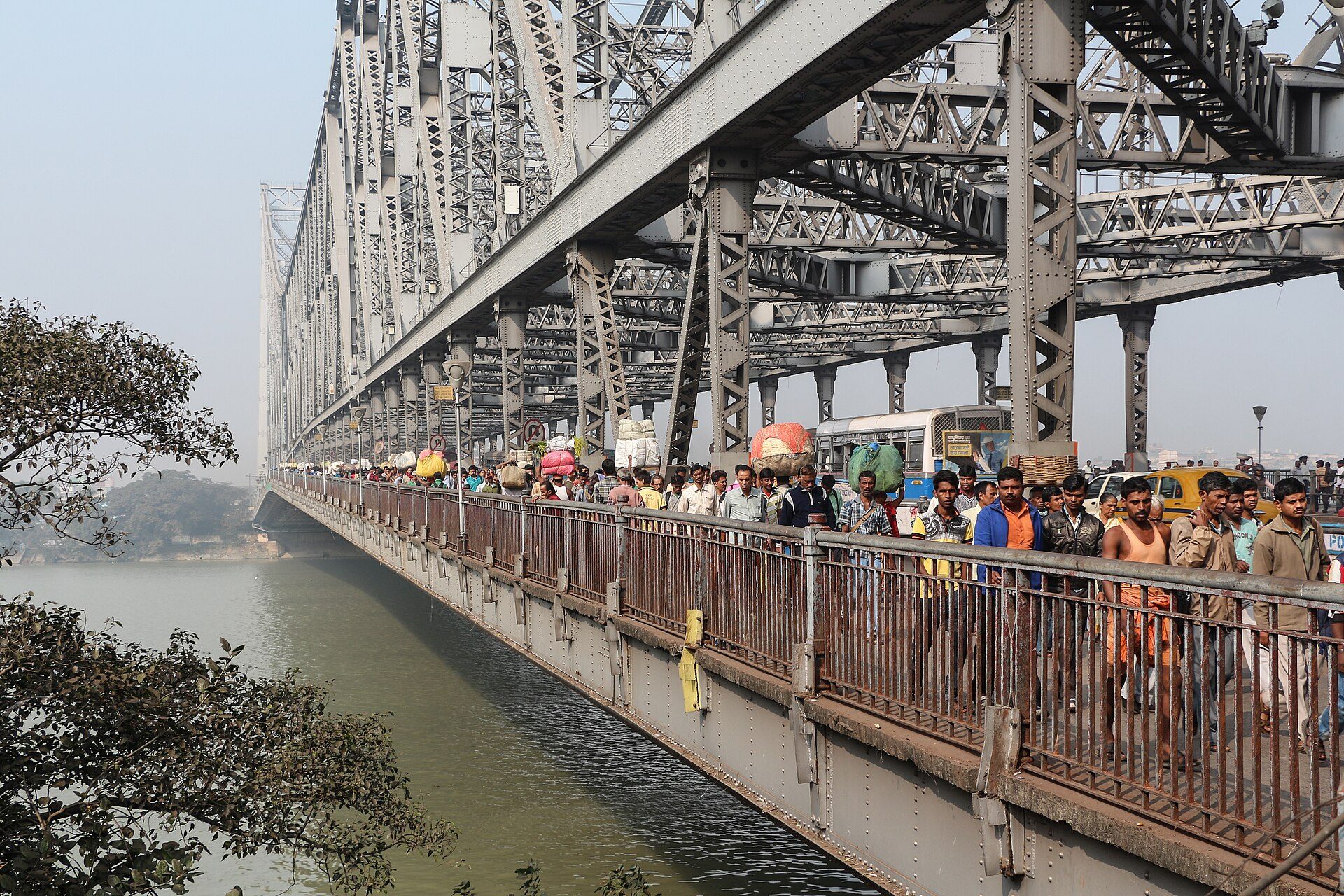
World Bank Data360 still classifies India as lower-middle income, with 2025 GDP per capita near US$2,700. At that income level a very large number of households add one more formal purchase at a time. A luxury street in south Mumbai is a thin slice of that consumer economy.
Where the next store opens
National chains now treat Jaipur, Lucknow, Kochi, Coimbatore, Indore, Surat and the Chandigarh region as ordinary catchments. Kolkata’s consumer market was never small; its office skyline simply grew more slowly than Hyderabad’s, which confused observers who use towers as a proxy for spending. Food and everyday goods are the volume. Apparel, electronics and home goods are the mall. Luxury is a thin layer and easy to over-read.
Beside the chains, the wholesale market and the neighbourhood shop still do most of the country’s retailing. GST and a digital payment make many of those shops visible to the tax system without turning them into a listed retailer. What is formalised is the record of a sale. Ownership changes only when the lease actually changes hands.
Payments, without a false map
UPI processed 24.07 billion transactions in September 2026, worth about ₹29.37 lakh crore, across 756 banks. That rail sits under the kirana and the chain alike. NPCI’s state table leaves a large unclassified residual, so a ranking of states by payments is a weak guide to where the money was spent. The national series is the figure worth citing.
The property translation is specific. A mall needs a catchment and parking. A high street is a row of small titles. A dark store for quick commerce needs to sit inside a few kilometres of dense housing, fed by a larger shed on a highway. Employment sits in all three, much of it contracted. The retail and warehousing essay follows the shed. The tier 2 note names the cities. The consumer economy is already wider than the first three skylines.
Sources
- UPI product statisticsNational Payments Corporation of IndiaSeptember 2026 row, read October 2026: 24,068.38 million transactions, value ₹29,37,396.67 crore, 756 banks live. A living table.
- India economy profileWorld BankData360, read October 2026: lower-middle-income classification; 2025 population rounded to 1.5 billion; 2025 GDP per capita about US$2,702; ILO-modelled female labour-force participation 32.4% in 2025.
- National Accounts Statistics 2026Ministry of Statistics and Programme Implementation · 31 August 2026Updates the provisional estimate of real GDP growth for FY 2025-26 to 7.8%, and the first revised estimate for FY 2024-25 to 7.2%. Constant prices, base year 2022-23. The 5 June 2026 provisional estimate had put FY 2025-26 at 7.7%.
Markets in this briefing