GRIP LibraryReal estate research
Retail, warehousing and the logistics boom
A store, a dark store and a highway shed answer the same consumption with three different buildings.
GRIP EditorialResearch note25 October 20262 min read
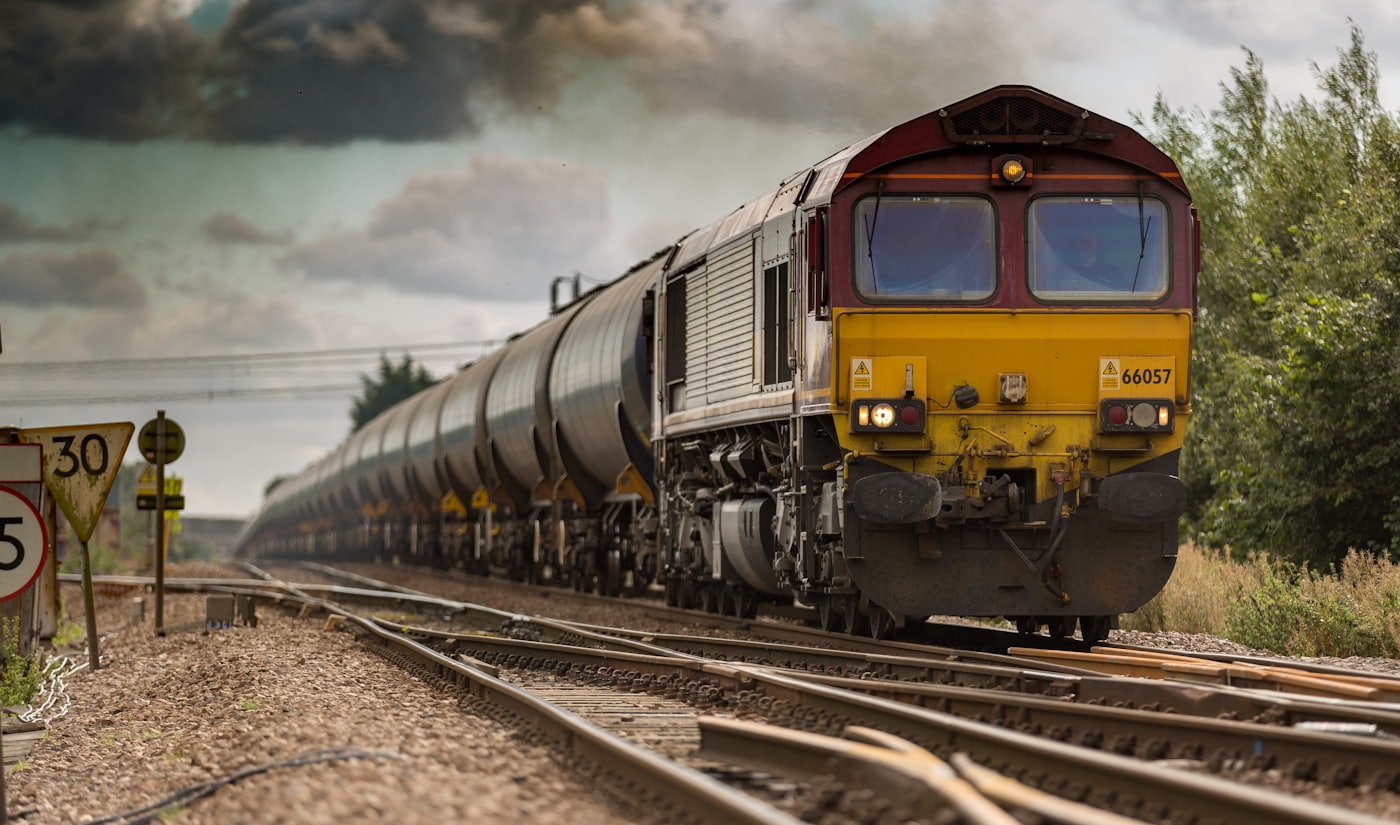
Consumption growth shows up in buildings only after it is translated into a format. A mall captures a catchment that will park. A high street captures a walk. A warehouse captures the replenishment of both, plus the factories and the import boxes. Quick commerce adds a fourth type: a small store close to housing, turned over by riders, fed from a larger shed. A logistics boom that does not name the building is how the wrong asset gets bought.
Why the sheds multiplied
Formal retail and e-commerce need stock held forward of the old wholesale market. Manufacturing corridors need supplier parks. Ports need land that a truck can leave in the same day. UPI’s scale — 24.07 billion transactions in September 2026 — is the collection rail. The shed is a separate asset. The goods deficit in the external account is a reminder that many of the boxes were imported. April–August 2026 imports of US$366.0 billion have a physical form, and some of that form sits in an Indian warehouse before it is sold.
The geography follows the highways and the gates: the Jawaharlal Nehru Port’s hinterland, the roads west and east of Delhi, the approaches to Chennai and to Mundra, and the bypasses of cities where a national retailer has just opened. Tier 2 sheds are often the newer, simpler buildings. Metro sheds often sit on more expensive land. One does not stand in for the other.
Employment and the limit of the story
Jobs sit in the shed, the cab of the truck, the dark store and the delivery roster. A large share is contracted. That is an employment fact and a political one, and a newer building does not settle it. Land aggregation, the difference between a road that was announced and the road in use, and the state title are the underwriting questions. No absorption in million square feet is printed. A consultant’s tally can be read beside this mechanism. It should not replace it.
Sources
- UPI product statisticsNational Payments Corporation of IndiaSeptember 2026 row, read October 2026: 24,068.38 million transactions, value ₹29,37,396.67 crore, 756 banks live. A living table.
- Developments in India’s balance of payments, August 2026Reserve Bank of India · 15 October 2026April–August 2026 is a partial year. Merchandise exports US$219.9 billion, imports US$366.0 billion, services exports US$180.0 billion, net services US$85.8 billion, net transfers US$66.8 billion, net FDI US$13.8 billion.
Markets in this briefing