GRIP LibraryMarkets and cities
Mumbai, Bengaluru and Delhi NCR: three economic machines
Finance and a port, a technology labour market, and a capital region spread across three states. One country, three property markets.
GRIP EditorialResearch note25 October 20262 min read
A national growth rate of 7.8% in real terms for FY 2025-26, on MoSPI’s updated provisional estimate, describes an aggregate. Choosing a city takes a separate reading. Mumbai, Bengaluru and the National Capital Region are the three urban economies a foreign reader is most likely to treat as ‘India’. They produce different goods, answer to different governments, and fill different buildings.
Mumbai sells coordination
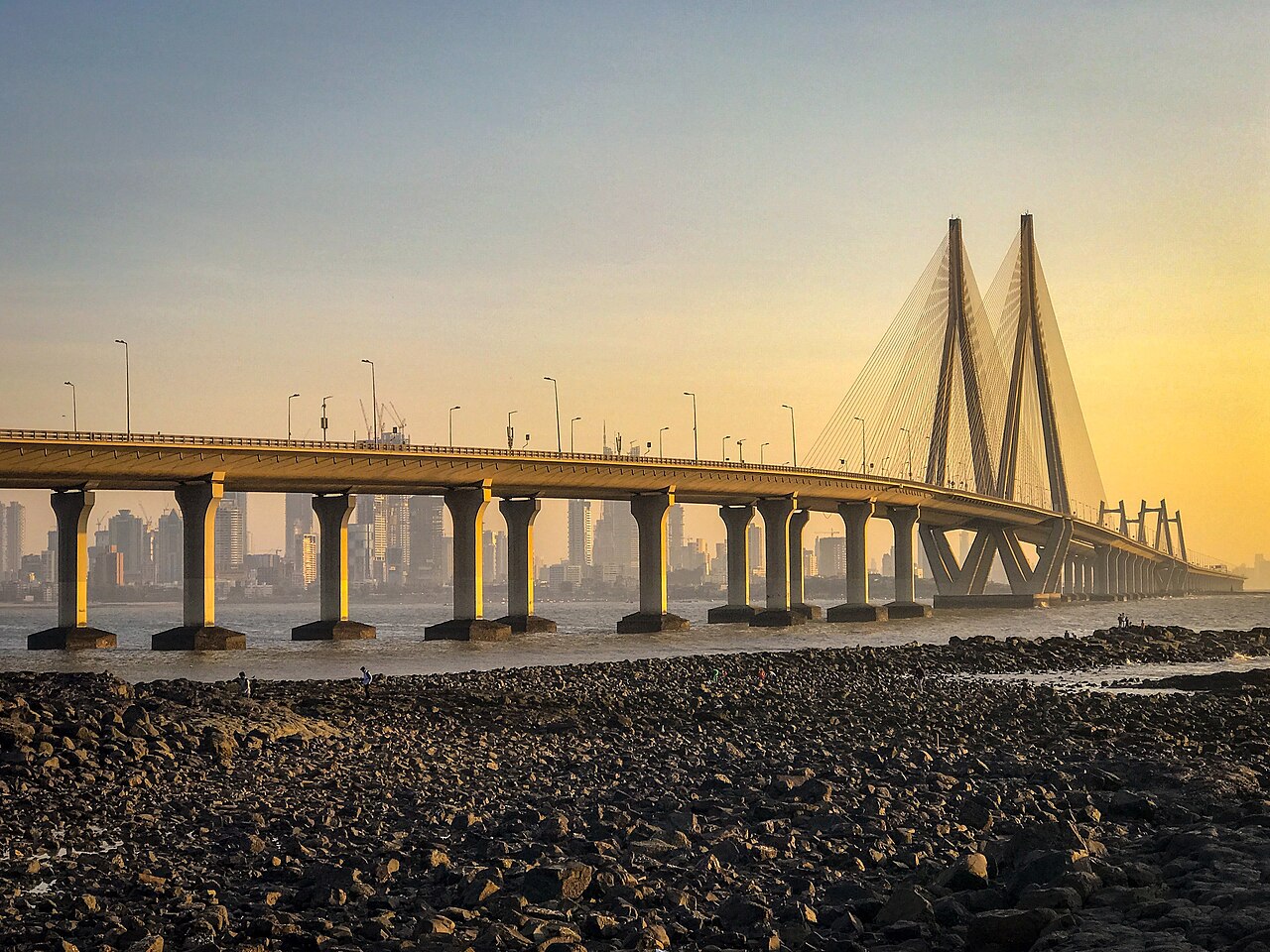
Mumbai’s weekday is finance, headquarters, markets, media and a working port. Land on the old island is the constraint, so supply is redevelopment as much as greenfield towers. Offices that institutions will actually take are in the old centre, in the converted mills of Lower Parel, and in Bandra-Kurla. The people who staff them live further up the suburban railway. A sea-facing photograph skips that split.
The property that matches this economy is a headquarters floor, a professional apartment, and a warehouse on the far side of the harbour near the Jawaharlal Nehru Port. Those three assets share a city name and very little else. Redevelopment risk — the society, the transit accommodation, the occupation certificate — belongs to the island city.
Bengaluru sells engineering time
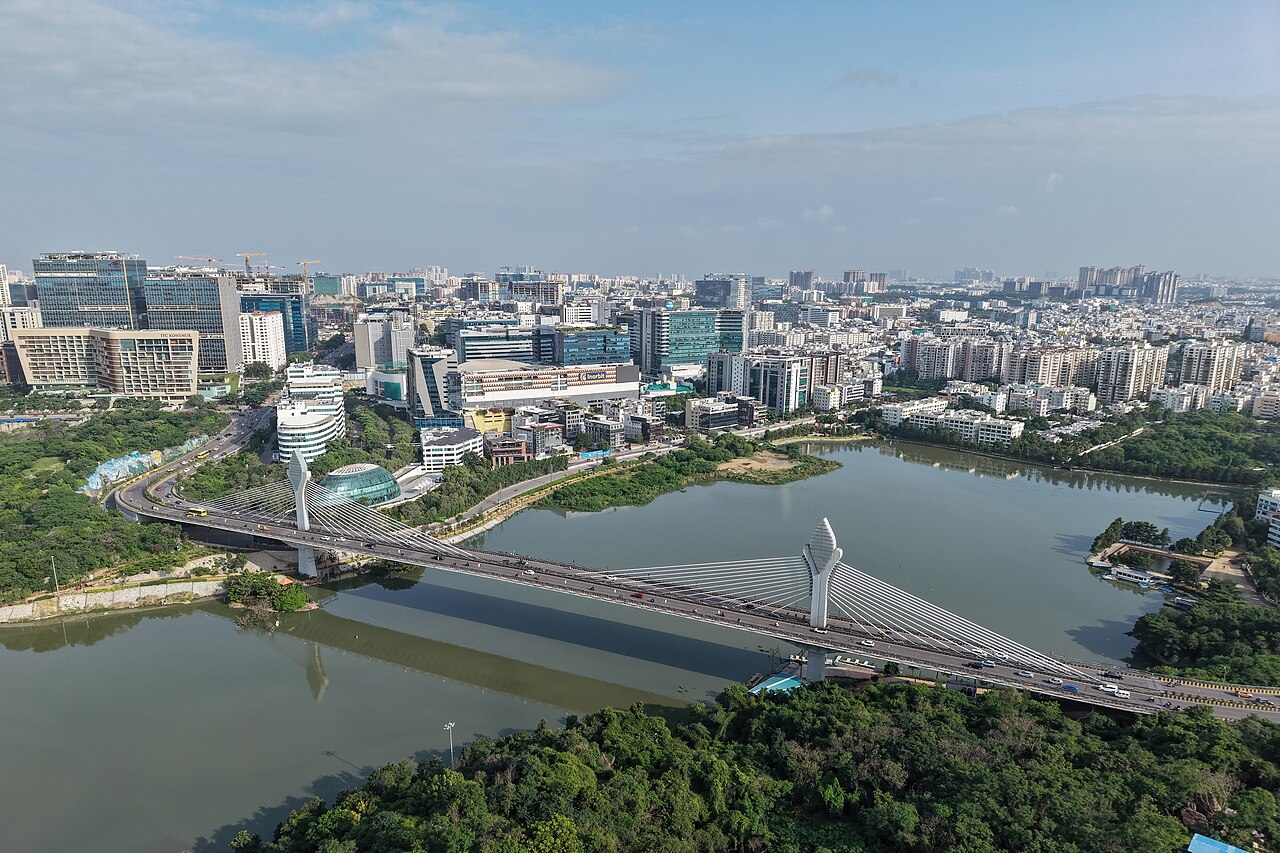
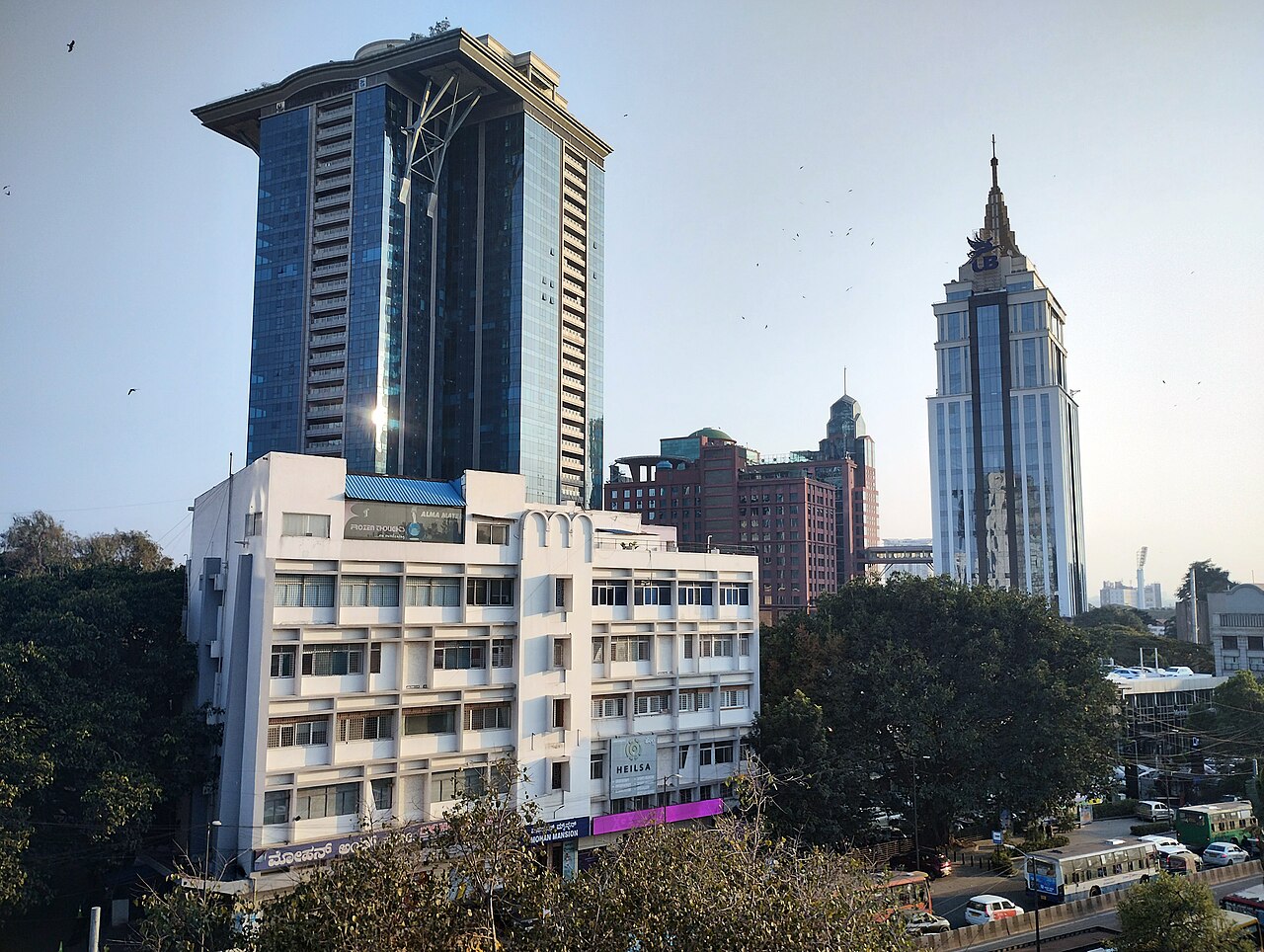
Bengaluru’s payroll is product engineering, services exports and global capability centres. Housing and offices follow the Outer Ring Road, Whitefield and Electronic City more than the historic core. The occupier is young and often a renter. The flats fill when those employers hire, which is a local fact rather than a national housing slogan. Water in a dry year and the ring-road commute are location risks inside a single municipal map.
A funding round and a lease are different documents. The startup essays cover the companies. The city brief covers the street. A campus announcement is a weak reason to underwrite a tower at the wrong end of the commute.
Delhi NCR sells access to the state, from three land laws
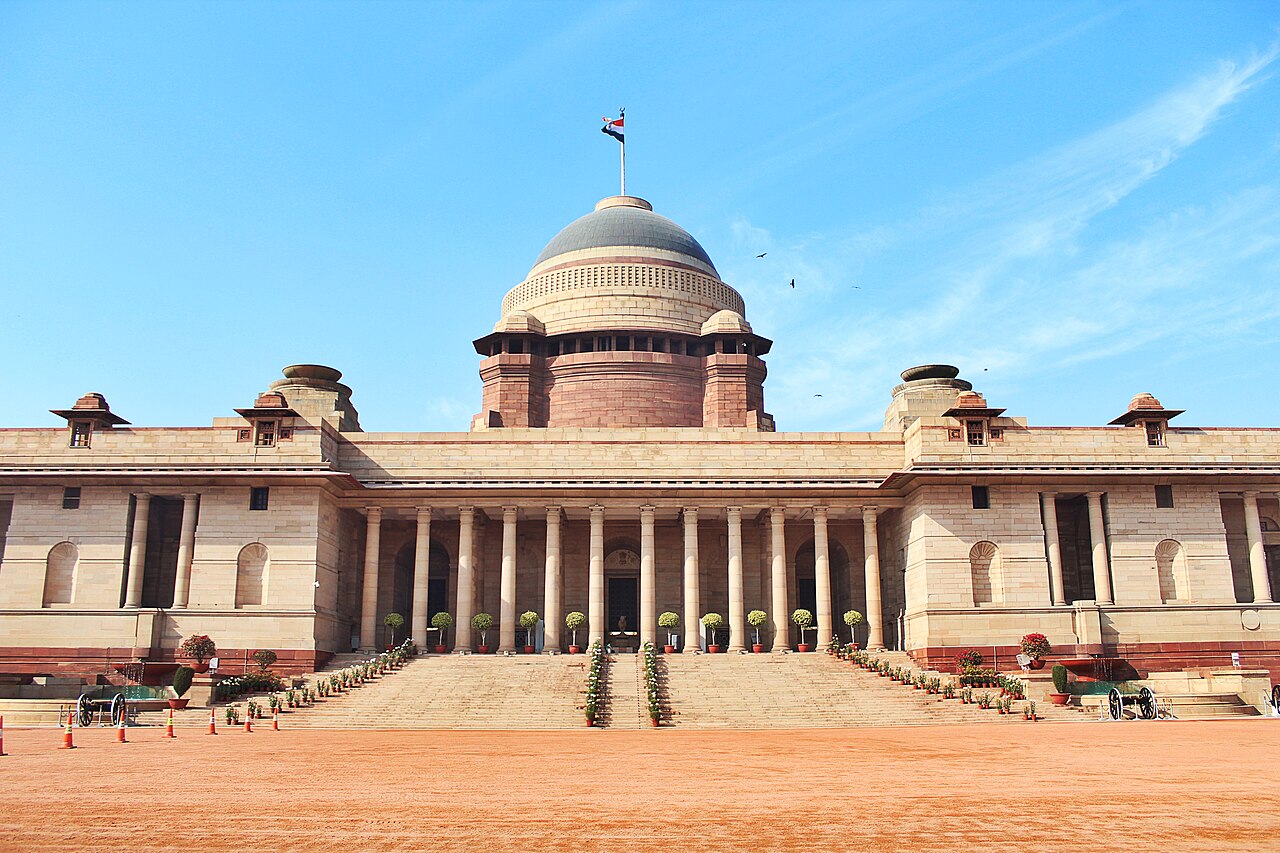
Government sits in Delhi. A large share of the private offices sits in Gurugram and in Noida, because that is where the land and the state rules allowed them. Haryana, Uttar Pradesh and the National Capital Territory each run stamp duty, a RERA authority and a development-control regime. The metro joins the labour market. Title stays with the state where the land sits.
Read the three economies against the job that would pay the rent. Then read FEMA once, on the India real-estate page, if the buyer lives abroad. The statute is the same in all three cities. The title record is not.
Sources
- National Accounts Statistics 2026Ministry of Statistics and Programme Implementation · 31 August 2026Updates the provisional estimate of real GDP growth for FY 2025-26 to 7.8%, and the first revised estimate for FY 2024-25 to 7.2%. Constant prices, base year 2022-23. The 5 June 2026 provisional estimate had put FY 2025-26 at 7.7%.
- Foreign Exchange Management (Acquisition and Transfer of Immovable Property in India) Regulations, 2018Reserve Bank of India · 26 March 2018FEMA 21(R)/2018-RB. An NRI or OCI may acquire immovable property other than agricultural land, a farmhouse or plantation property, with consideration through permitted banking channels. Later amendments, if any, sit in the consolidated direction.
Markets in this briefing