Who typically looks here
Financial and professional staff, headquarters teams, and households already tied to the city.
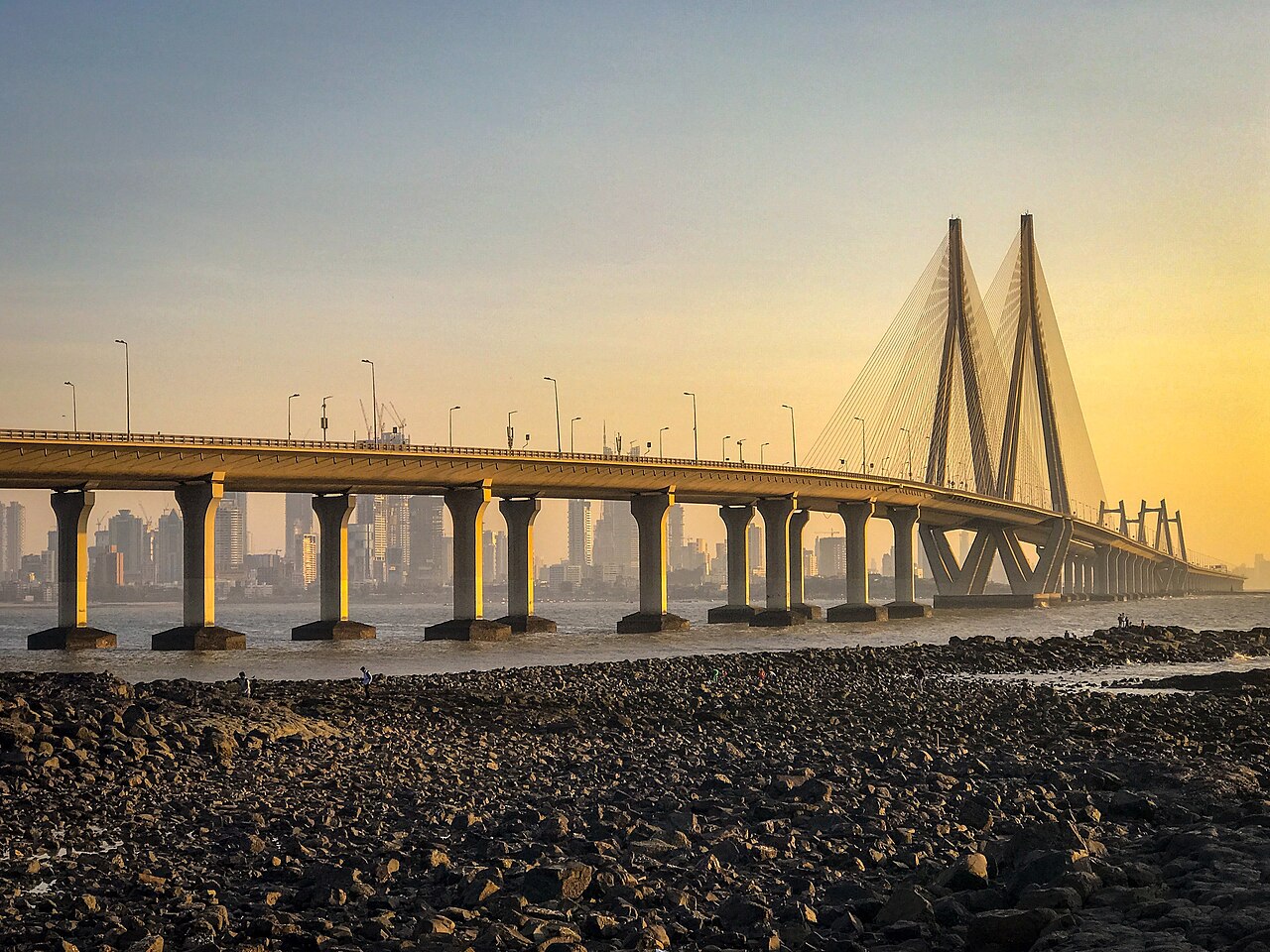
The old island city still holds the exchanges, the older offices and a housing stock that can only grow by rebuilding. The suburbs and Navi Mumbai hold the larger share of people, a lot of the newer offices, and the road to the Jawaharlal Nehru Port.
An NRI or OCI purchase is read under FEMA 21(R). Stamp duty is Maharashtra’s. The state RERA authority holds the project register. Those rules are on the India real-estate page.
Financial and professional staff, headquarters teams, and households already tied to the city.
Whether the building is an island-city redevelopment, a suburban tower, or an office in Bandra-Kurla.
A local labour market with its own title system. The national pages carry the statute and the macro figures.
Banking, markets, insurance, media, the film industry and the regional headquarters of industrial groups still set the weekday. The port and the airport move goods and people the offices depend on. Manufacturing survives in the wider metropolitan belt more than in the old centre.
The startup brief for the city is a separate page. It covers financial technology, media and headquarters-adjacent firms. This page is the buildings those firms and their staff use.
Residential property in the island city is dominated by redevelopment of cessed buildings, mill land and society plots. Suburban housing is a larger, newer stock of apartments along the rail lines and the western and eastern express corridors. Offices split between the old central business district, Lower Parel’s converted mills, and Bandra-Kurla.
Slum rehabilitation and mill-land projects are part of supply. They are slow, legally crowded, and specific to the plot. A finished occupation certificate and a society still in negotiation are different stages of the same skyline.
South Mumbai remains the address for institutions that do not need a campus. Lower Parel and Worli took the overflow into taller floors. Bandra-Kurla is the purpose-built office district. Andheri and the area toward the airport mix offices, studios and middle-class housing. Navi Mumbai is a planned city with its own municipal history, its own airport project and a claim on port-related logistics.
A brochure that says Mumbai and shows only a sea-facing tower has skipped the place where most of the workforce lives. The harbour crossing and the suburban railway still organise that split.
Suburban rail is the mass system that already runs. The metro lines that are open add capacity on particular corridors. The sea link and the trans-harbour link change some car journeys and do not abolish the rail commute. The international airport is in the north of the city. The Jawaharlal Nehru Port is across the harbour, which is why warehouses there are a different market from a flat in Colaba.
A project sold against a future metro station is a bet on opening day. The lines a commuter can ride this week are the infrastructure.
Occupiers are local professional households, financial staff, and a smaller set of expatriates on company housing. Rental demand follows those payrolls and the academic calendar of a few colleges. End-user buyers and domestic investors are both present in new launches. A foreign buyer under FEMA is a real category and a small share of the volume.
Retail is high streets plus a limited number of successful malls. The consumer market is the city’s own population, with tourism a thin overlay.
Title in a redevelopment, the time members spend in transit accommodation, and the gap between a sale and an occupation certificate are the standing risks. Flooding in the monsoon is a street fact, sharper in some wards than others. Office risk is the renewal of large tenants in Bandra-Kurla and Lower Parel. Concentration of financial jobs is a strength and a single-industry exposure at once.
Related GRIP research
These are GRIP briefs, not city reports. They sit next to a Mumbai reading.
Markets and cities
Finance and a port, a technology labour market, and a capital region spread across three states. One country, three property markets.
Research note25 October 20262 min read
Real estate research
The floors global tenants occupy sit in a handful of corridors. They track hiring in services exports more closely than the national growth print.
Research note25 October 20262 min read
Real estate research
FEMA decides who may buy. RERA decides how a project is registered. Neither document states a yield.
Research note25 October 20262 min read
Across GRIP
The same place, on a related page.
Also in India
Capital region, three states
Delhi, Gurugram and Noida share a labour market. They keep separate land laws.
Technology labour market
Engineering payrolls, campus offices, and a city that grew faster than its roads and its water.
Technology and pharmaceuticals
A planned western corridor for offices, and a pharmaceutical industry older than the towers.
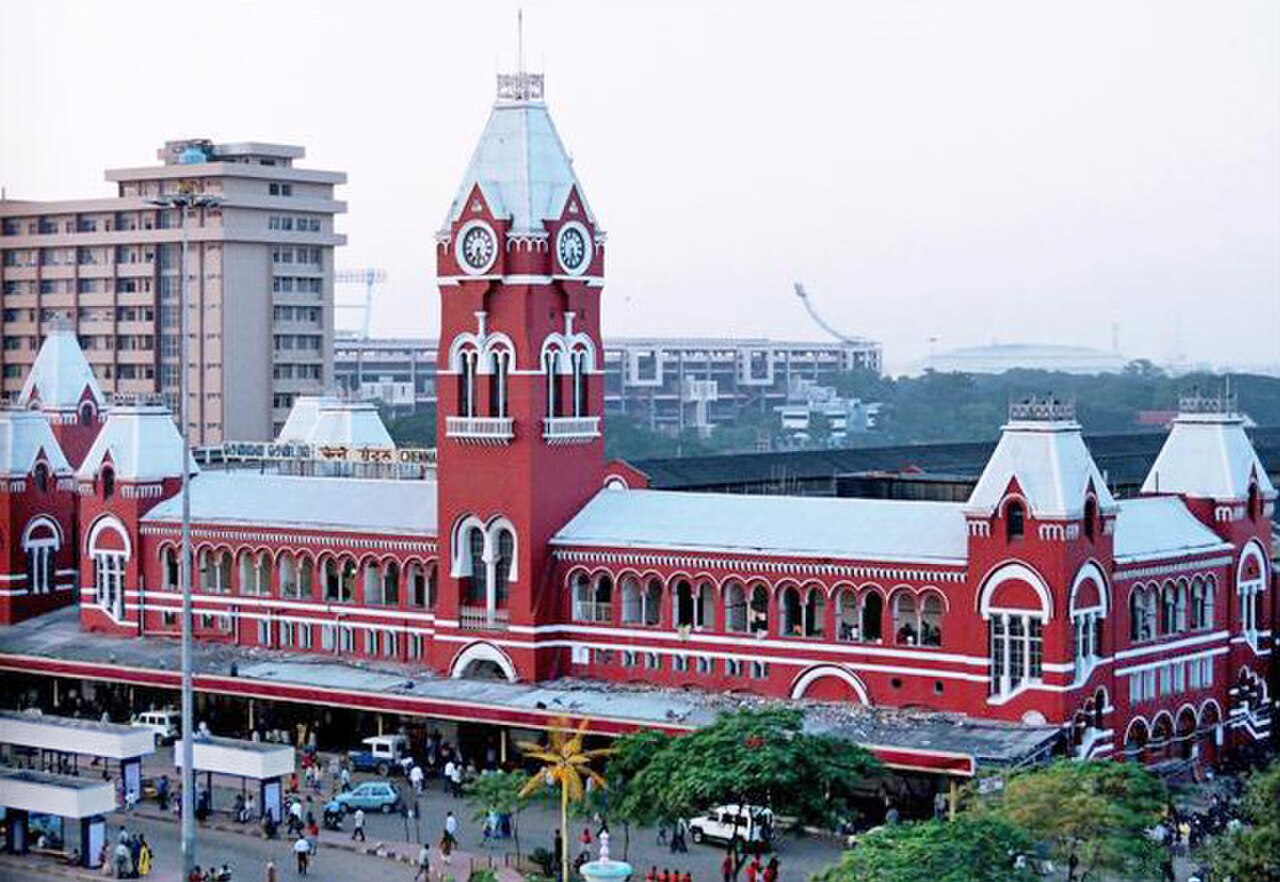
Port, automobiles, software
A factory and port city that also exports software, with housing pulled south along the OMR.
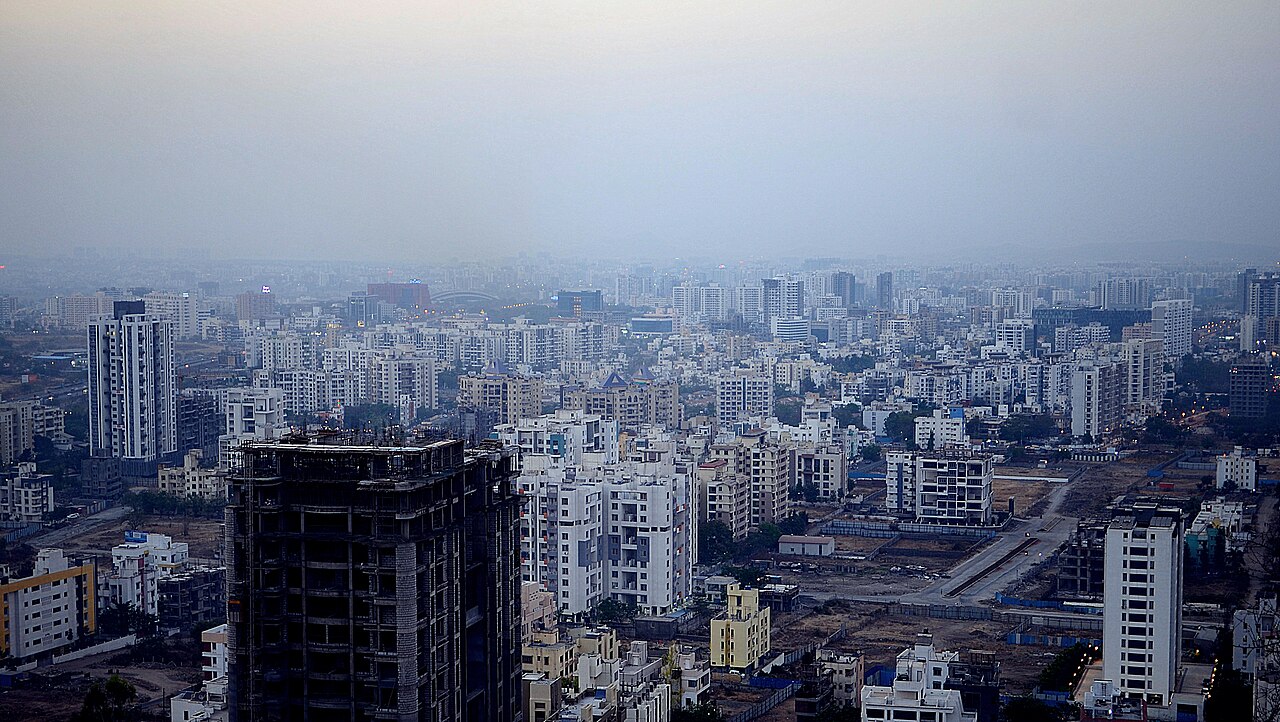
Engineering and software
Automobiles and engineering in one belt, technology offices in another, under Maharashtra’s rules.
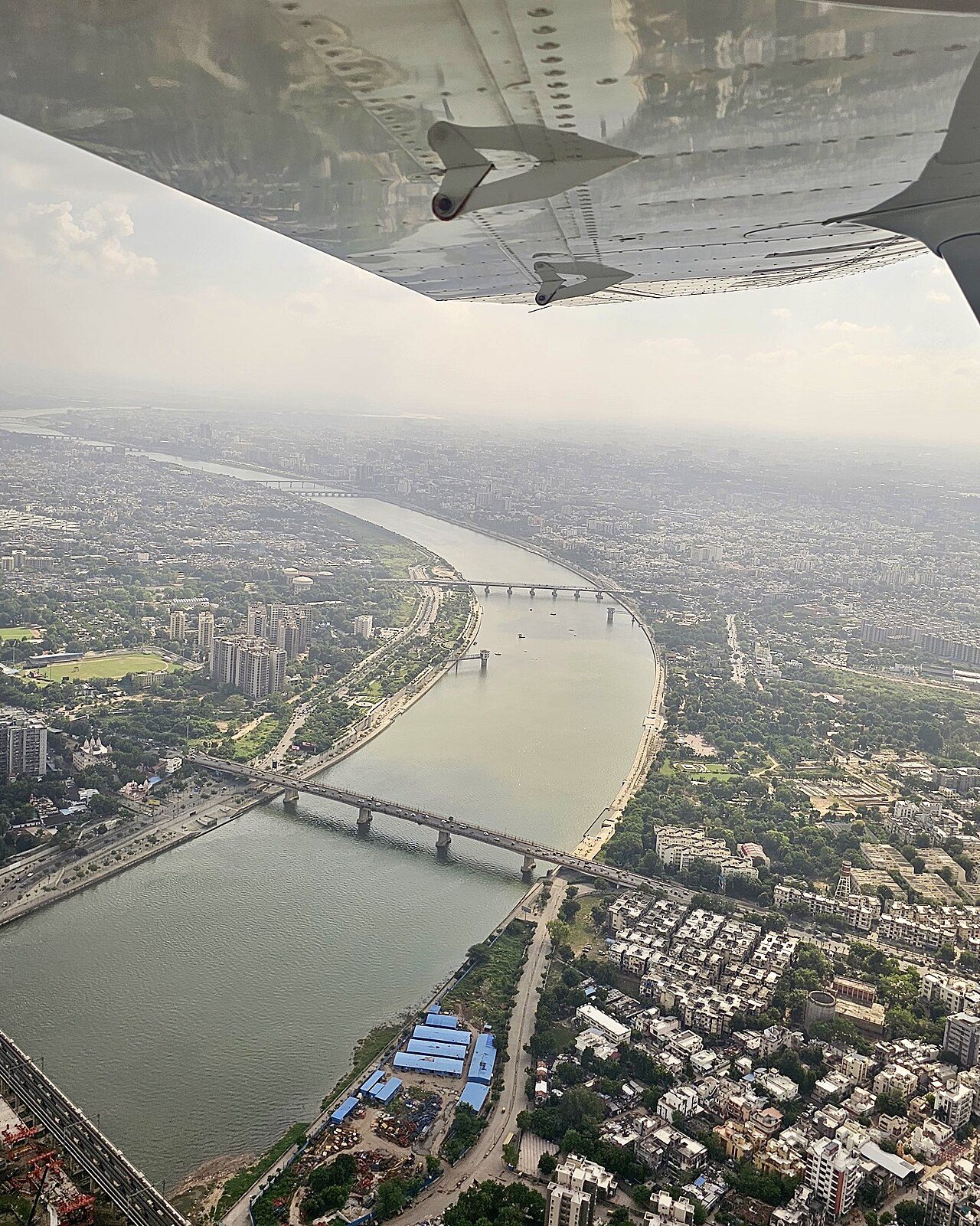
Gujarat’s commercial city
Trade, small and large factories, and a financial centre in the next city that sits outside this housing market.
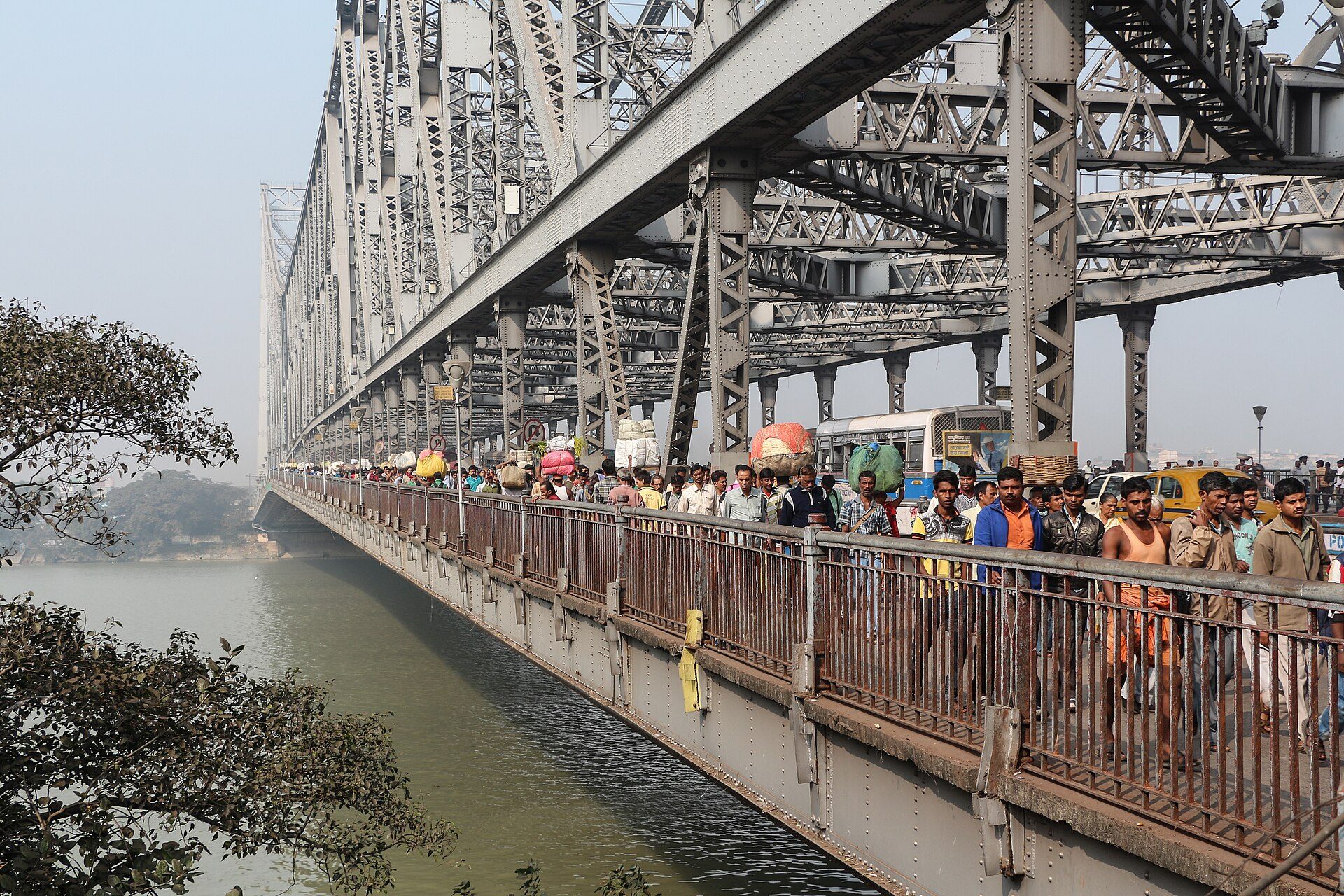
Eastern commercial capital
An older port and office city, with technology floors at Salt Lake and New Town.

A group of local economies
Jaipur, Lucknow, Kochi, Coimbatore, Indore, Surat, Visakhapatnam and Chandigarh, read as local economies.
Continue with GRIP
If this city belongs on the list, write to GRIP, or return to the country brief.