Who typically looks here
Engineering staff, technology employees, and students who stay on as workers.
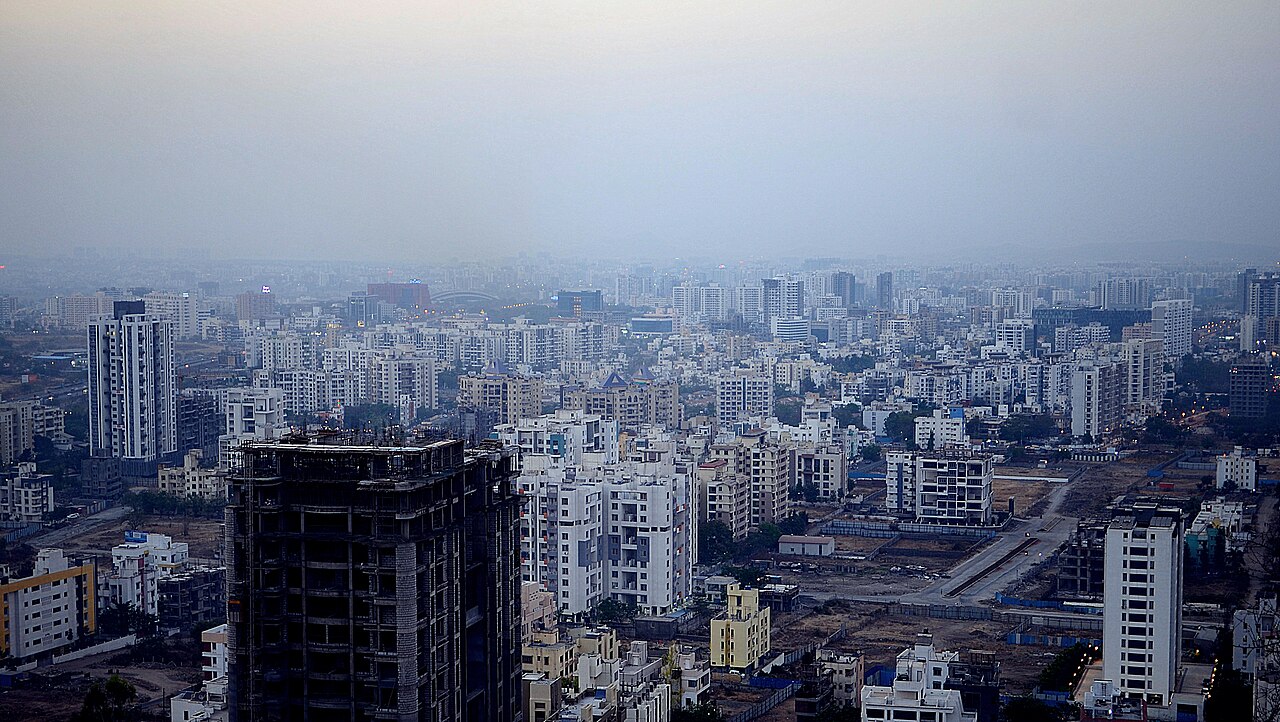
Chakan, Pimpri-Chinchwad and the industrial estates make vehicles and parts. Hinjawadi, Kharadi and Magarpatta hold technology and shared-service offices. The city between them is colleges, a cantonment history and a large residential market.
The state is Maharashtra, as in Mumbai, with a different municipal map. Pune and Pimpri-Chinchwad are neighbours. A title needs the corporation that actually issued it.
Engineering staff, technology employees, and students who stay on as workers.
Whether the week is spent in a plant, in Hinjawadi, or in the city colleges and hospitals draw people to.
A local labour market with its own title system. The national pages carry the statute and the macro figures.
The industrial payroll is automobiles and components, plus a wider engineering base. The office payroll is software and global capability centres that chose Pune as a Bengaluru alternative and then became their own market. Education is a third employer and a reason the city renews its young population from outside.
Both payrolls are real. Averaging them into one housing story puts the wrong tenant in the building.
Hinjawadi is a technology township with apartments built for its staff, and with the traffic that follows a single road in and out. Kharadi and Magarpatta are office-and-housing districts on the east. The industrial towns have worker housing, plotted layouts and a different price conversation. The core has older apartments and bungalows.
Offices here are campuses more often than trophies. Residential launches have, at times, run ahead of the roads that serve them.
Hinjawadi and the surrounding villages are the west-side technology cluster. Kharadi, Viman Nagar and Magarpatta are the east. Chakan and Talegaon are industrial. Pimpri-Chinchwad is a municipal corporation with its own industrial weight, and it needs its own reading.
The airport sits to the north-east. Distance from it is a poor way to choose a plant that ships by road.
Roads and the Mumbai expressway organise freight and the weekend. City roads organise the slow weekday into Hinjawadi. Metro sections that are open help pieces of the commute. Water on the plateau is a seasonal constraint, as in other Deccan cities. Power for industry belongs in the project record as an operating line.
A metro drawn on a hoarding is a proposal. The access road is the one the buses use at 8 a.m.
Young technology staff rent near Hinjawadi and the eastern offices. Industrial employment supports a wider, more local owner-occupier market. Students distort some inner rental streets and leave them in summer. End-user families from Pune itself are the spine of the sales market.
Retail follows these households. Logistics sheds sit on the highways toward Mumbai and Nashik, serving plants as much as shops.
The Hinjawadi commute is a location risk that a new tower at the far end makes worse. Industrial demand moves with vehicle cycles. Two municipal corporations mean two sets of local permissions. Overbuilding of apartments aimed at a technology tenant who may rent instead of buy is the cycle risk.
Related GRIP research
These are GRIP briefs, not city reports. They sit next to a Pune reading.
Startup investing
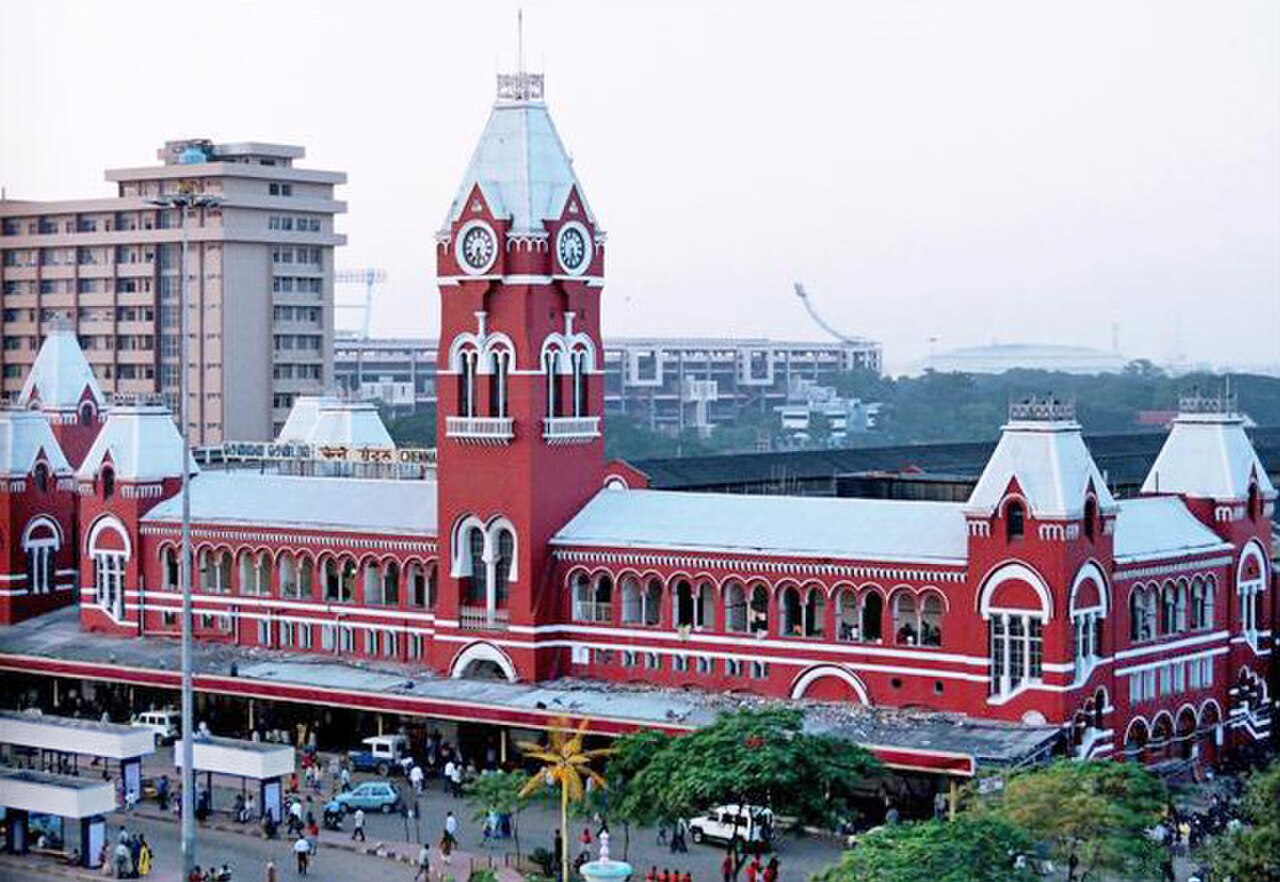
Operating factories, an incentive, a corridor on a map and a semiconductor approval are four different facts.
Research note25 October 20262 min read
Startup investing
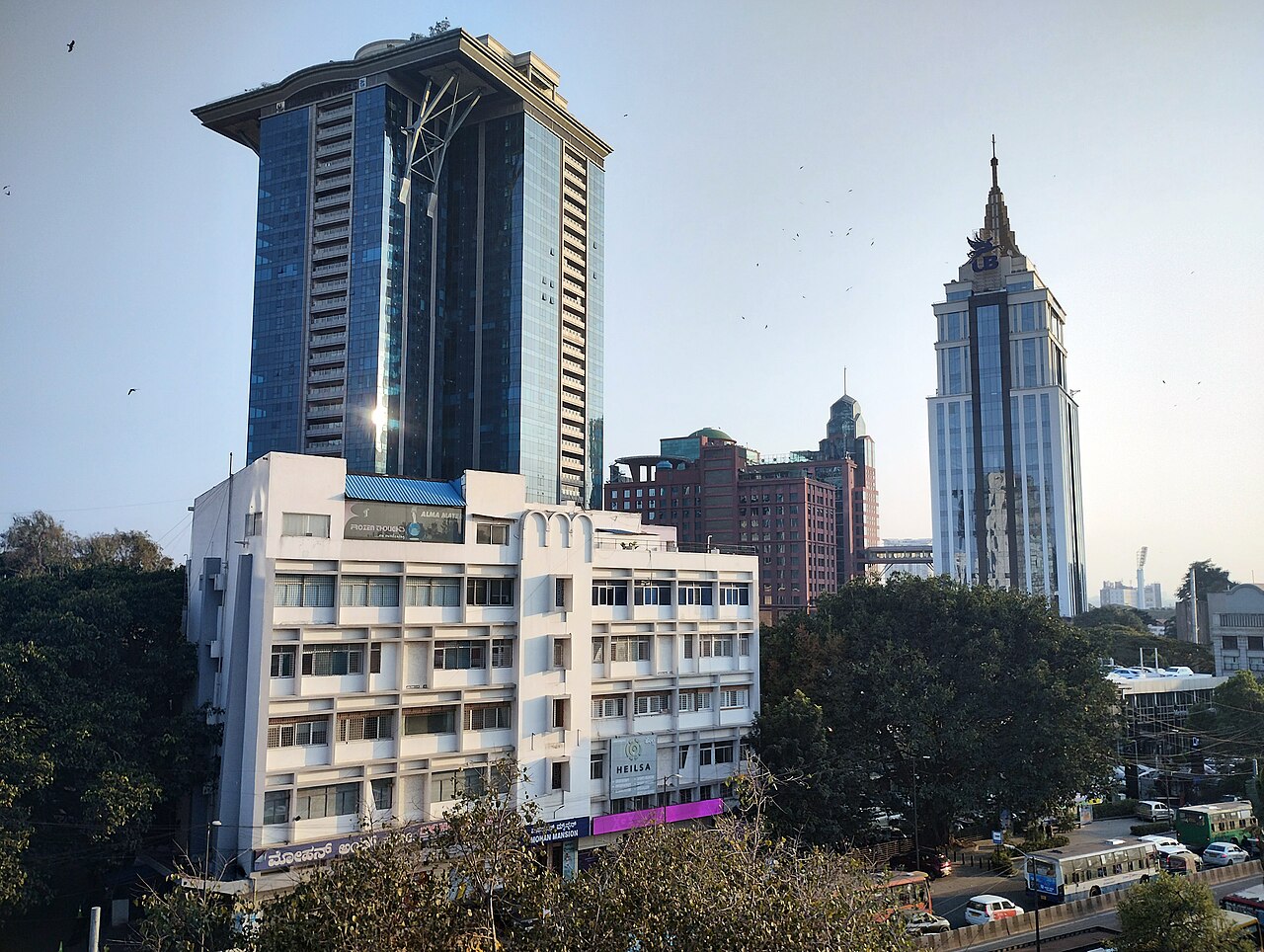
Bengaluru has the deepest engineering pool. Mumbai, Delhi NCR, Hyderabad, Chennai and Pune are separate company markets, already briefed as such.
Research note25 October 20262 min read
Real estate research
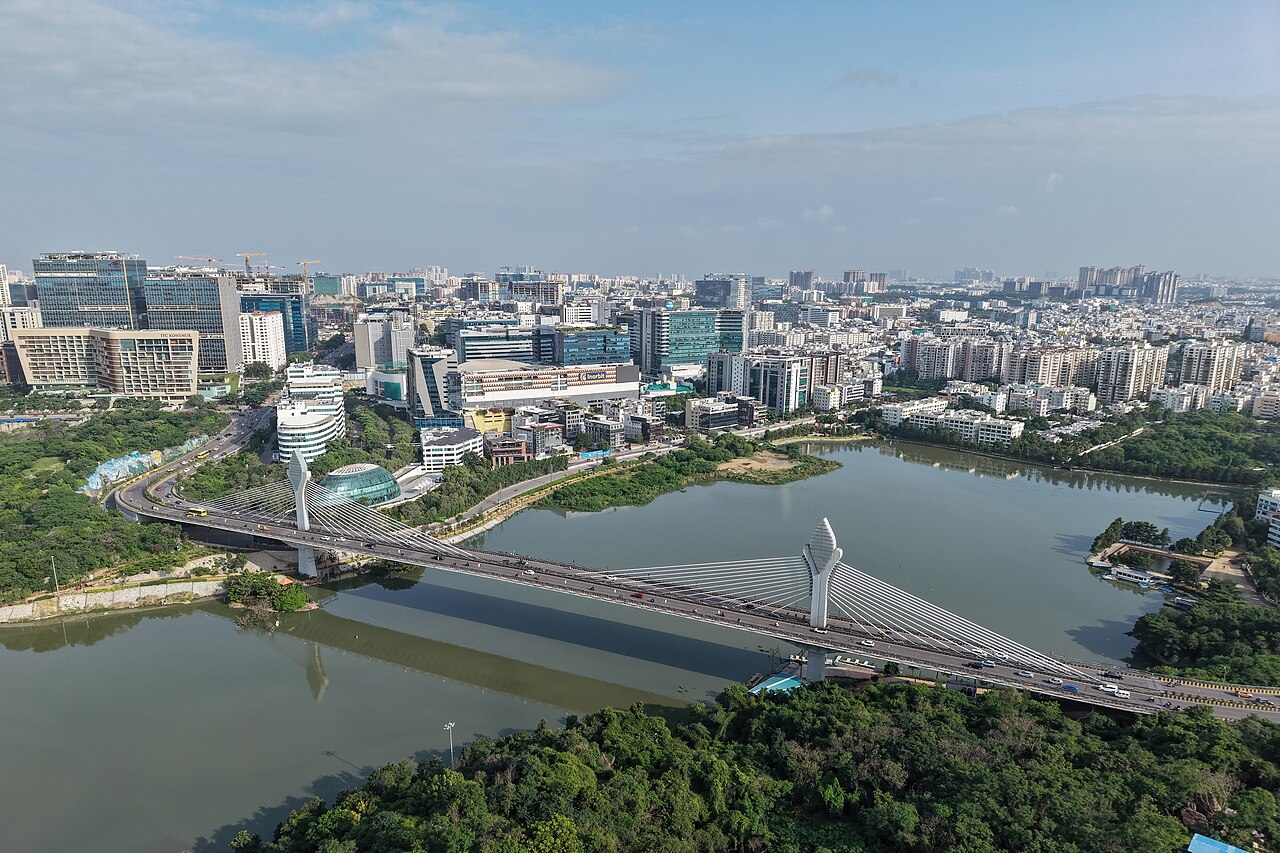
The floors global tenants occupy sit in a handful of corridors. They track hiring in services exports more closely than the national growth print.
Research note25 October 20262 min read
Across GRIP
The same place, on a related page.
Also in India
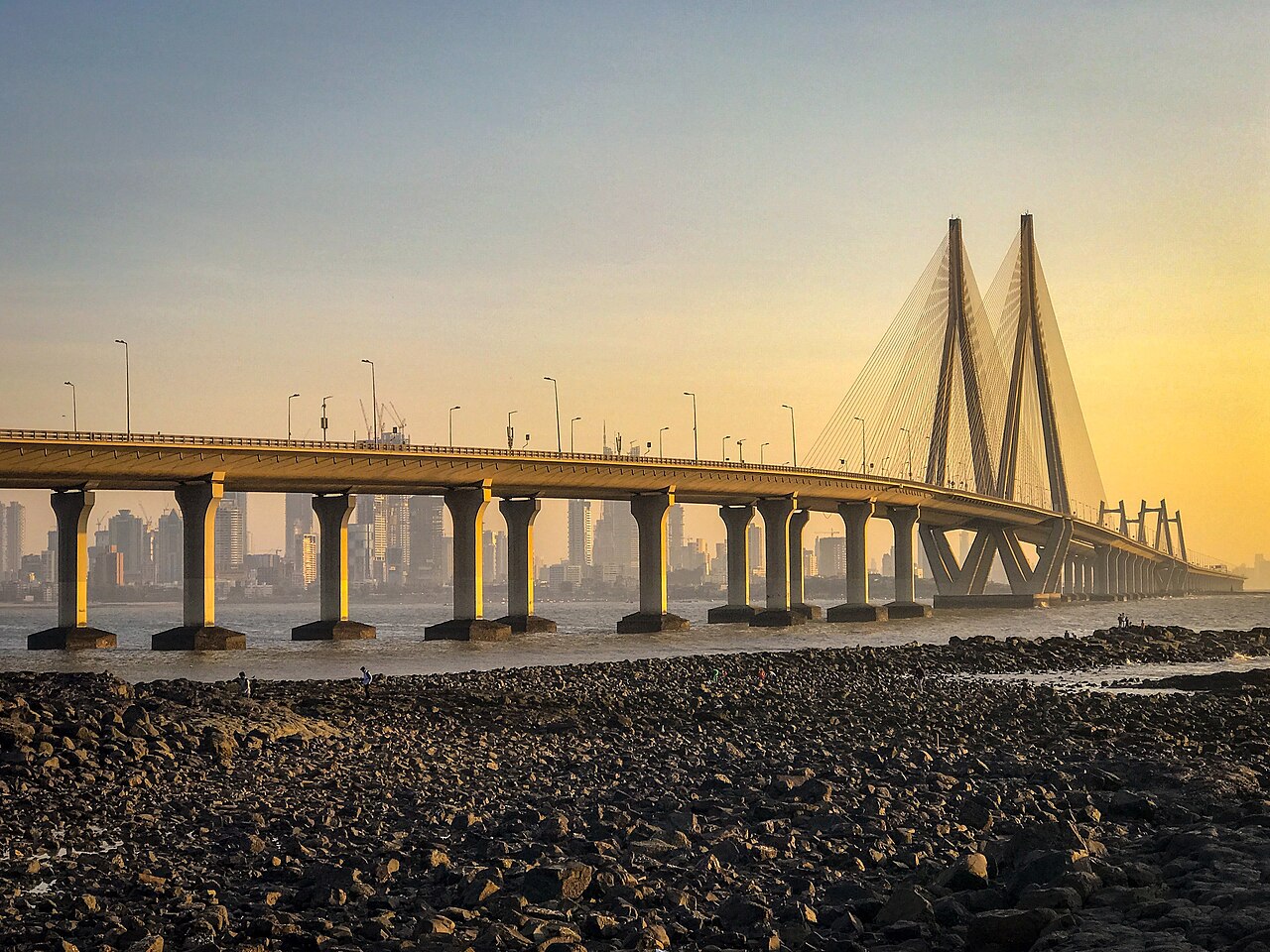
Finance and the port
A land-constrained city of headquarters, markets and a working harbour.
Capital region, three states
Delhi, Gurugram and Noida share a labour market. They keep separate land laws.
Technology labour market
Engineering payrolls, campus offices, and a city that grew faster than its roads and its water.
Technology and pharmaceuticals
A planned western corridor for offices, and a pharmaceutical industry older than the towers.
Port, automobiles, software
A factory and port city that also exports software, with housing pulled south along the OMR.
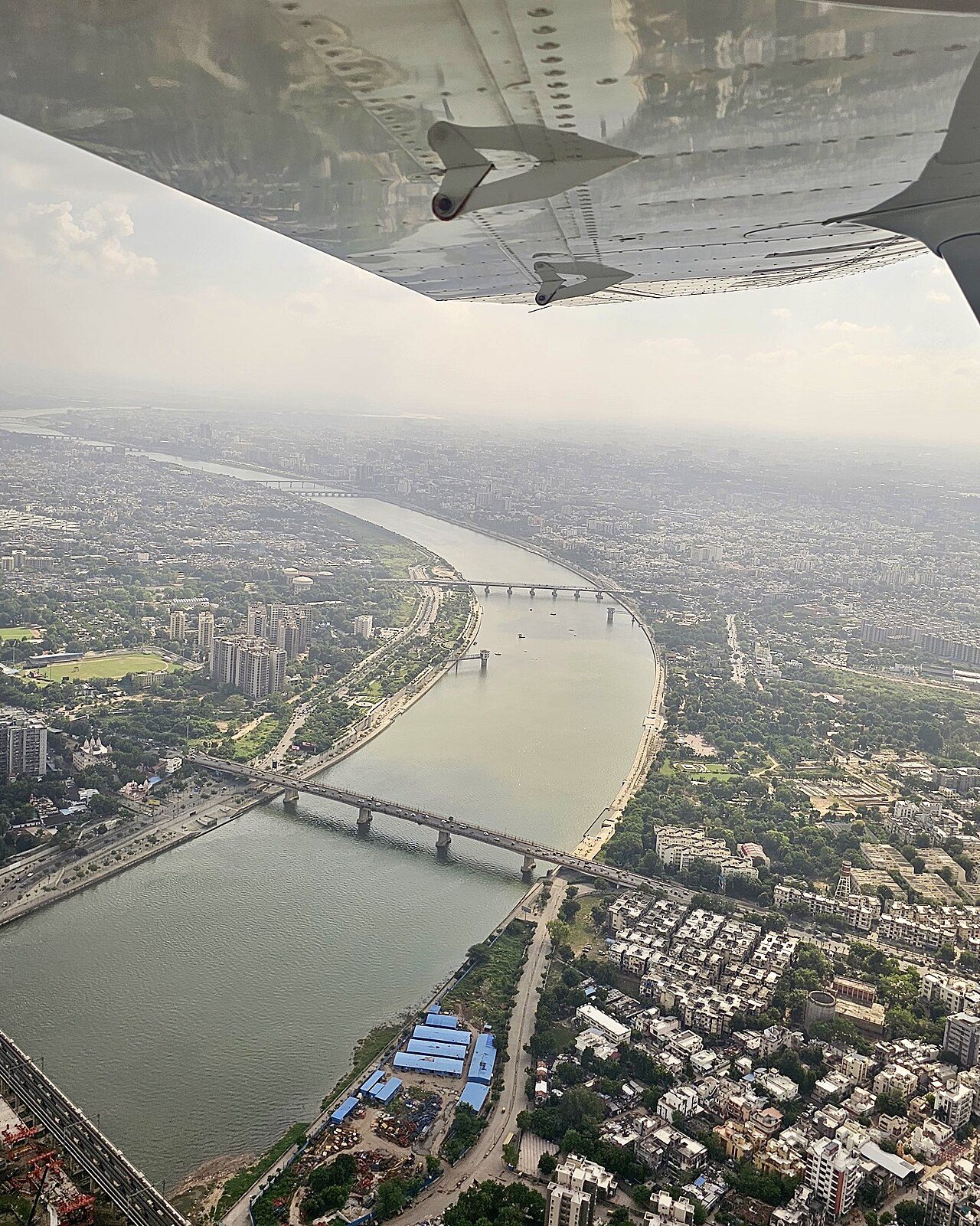
Gujarat’s commercial city
Trade, small and large factories, and a financial centre in the next city that sits outside this housing market.
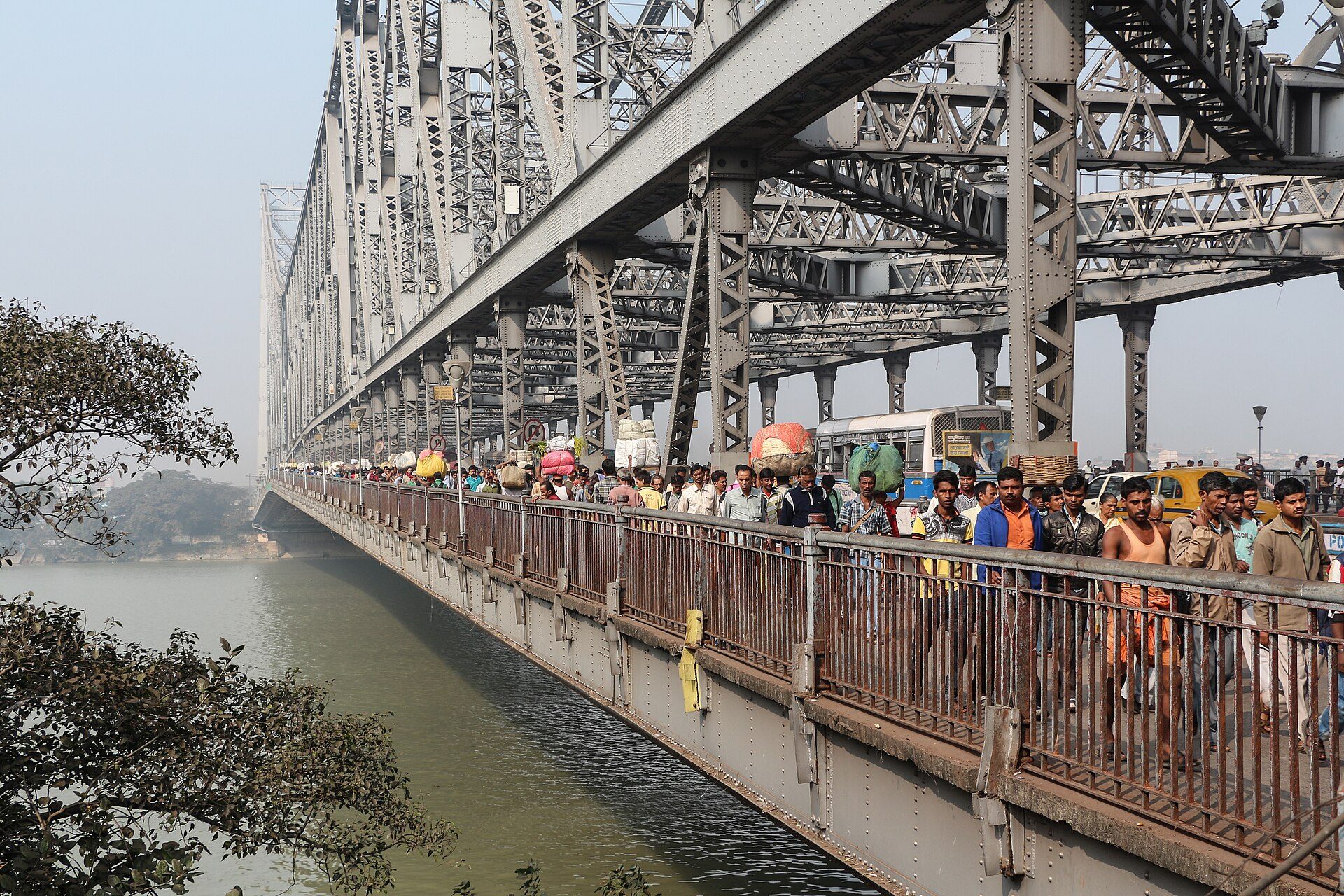
Eastern commercial capital
An older port and office city, with technology floors at Salt Lake and New Town.
A group of local economies
Jaipur, Lucknow, Kochi, Coimbatore, Indore, Surat, Visakhapatnam and Chandigarh, read as local economies.
Continue with GRIP
If this city belongs on the list, write to GRIP, or return to the country brief.