GRIP LibraryStartup investing
India’s manufacturing push: capability, ambition and constraints
Operating factories, an incentive, a corridor on a map and a semiconductor approval are four different facts.
GRIP EditorialResearch note25 October 20262 min read
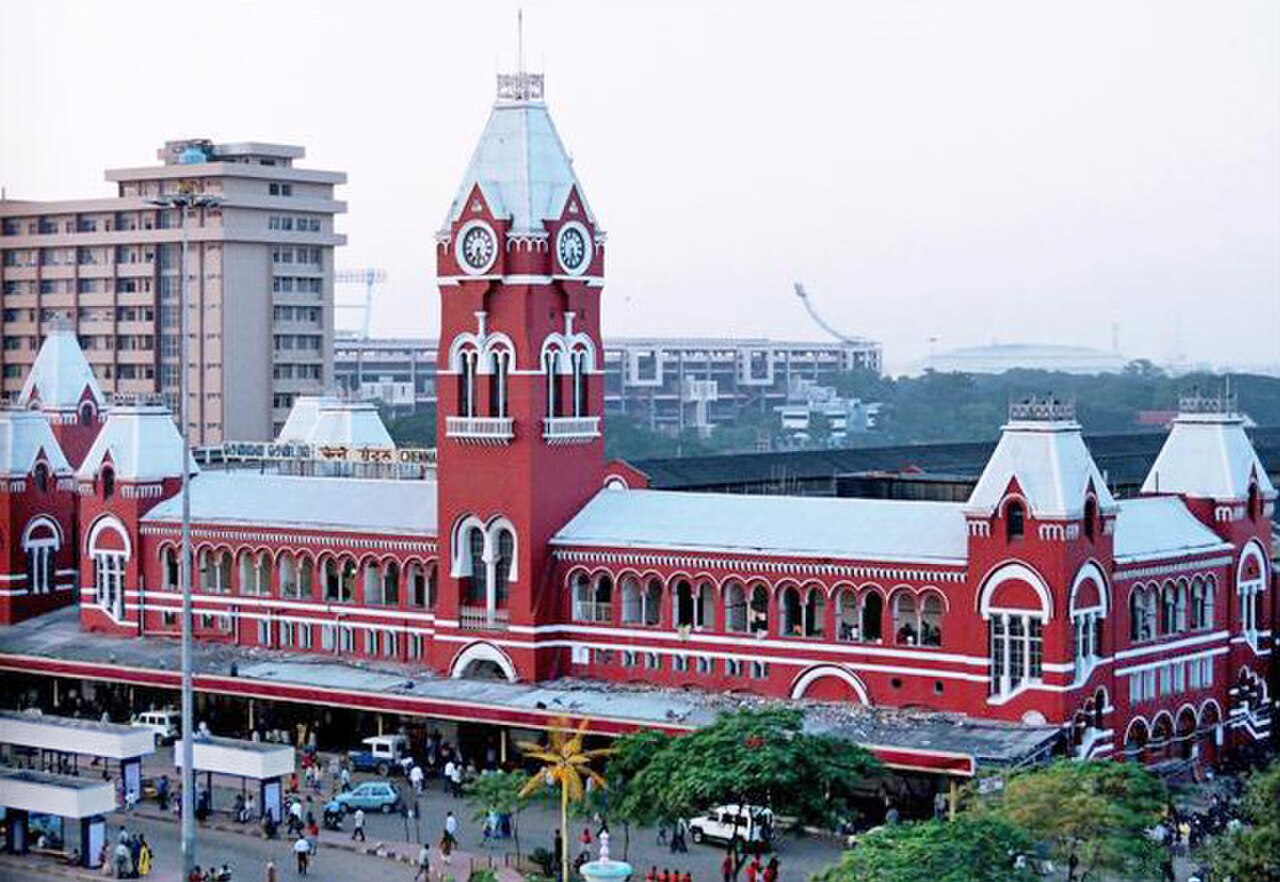
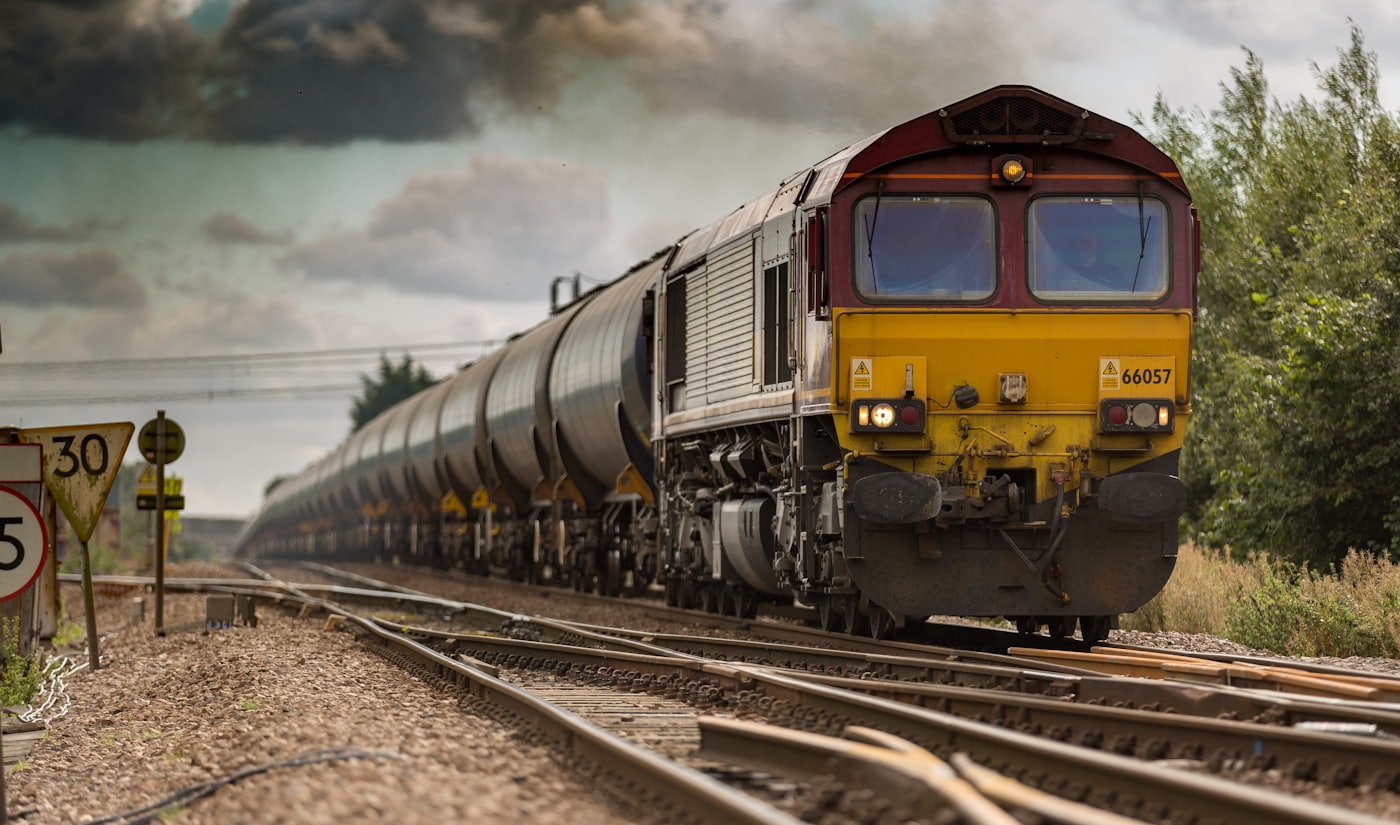
Manufacturing has carried a large share of recent real growth. The useful inventory of that sector starts with what already ships: vehicles and parts around Chennai and Pune, chemicals and engineering in Gujarat, generic formulations from a long pharmaceutical base, refined products, steel, textiles, processed food. Electronics assembly has deepened. Little of that base was created by the latest policy announcement.
Ambition has a paper trail
Production-linked incentives and state industrial policies have steered assembly and some component work into named parks. Industrial corridors are a land-and-rail proposition. They become a property fact when the plot is serviced and the line is open. Semiconductor policy is an attempt to add fabrication and packaging to a design strength that already exists inside global firms. An approval and a wafer are different events. This page does not copy an outlay or a capacity it has not opened in the ministry’s own table.
The import bill remains
In April–August 2026 merchandise exports were US$219.9 billion and imports US$366.0 billion. Crude, gold, electronics components, some solar inputs and capital goods sit on the import side. A domestic line changes that account when it produces at a cost a buyer will pay. A tariff is a policy instrument. Production starts when the line is operating.
Defence production has a larger home order book than it did, inside its own procurement rules. Renewable equipment has more domestic assembly, beside cells and materials that are still widely imported. Active pharmaceutical ingredients remain a more dependent line than finished formulations. A capability study has to state that dependence plainly. Treating the import as already retired is marketing.
What a factory asks of a city
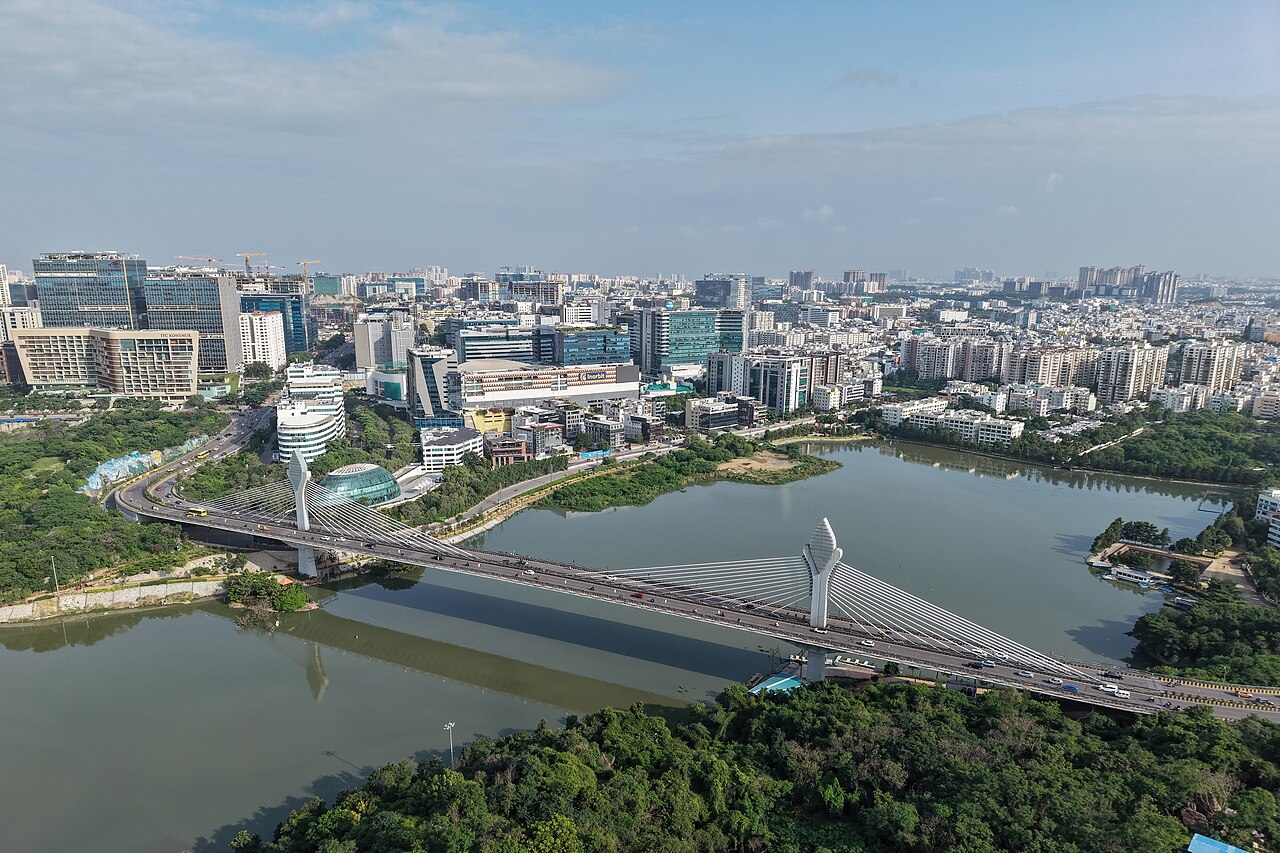
Power, water, technicians and a port or a highway that clears are the constraints a plant manager names first. Worker housing and supplier sheds belong in the same municipal conversation as the incentive letter. Chennai, Pune, Ahmedabad and Hyderabad each show a different mix of plant and office. The city briefs keep them apart, because a national industrial policy cannot describe a single park.
Sources
- Developments in India’s balance of payments, August 2026Reserve Bank of India · 15 October 2026April–August 2026 is a partial year. Merchandise exports US$219.9 billion, imports US$366.0 billion, services exports US$180.0 billion, net services US$85.8 billion, net transfers US$66.8 billion, net FDI US$13.8 billion.
- National Accounts Statistics 2026Ministry of Statistics and Programme Implementation · 31 August 2026Updates the provisional estimate of real GDP growth for FY 2025-26 to 7.8%, and the first revised estimate for FY 2024-25 to 7.2%. Constant prices, base year 2022-23. The 5 June 2026 provisional estimate had put FY 2025-26 at 7.7%.
Markets in this briefing