Who typically looks here
International professionals, entrepreneurs using the city as a base, and capital that wants a liquid, English-operating market in the region.
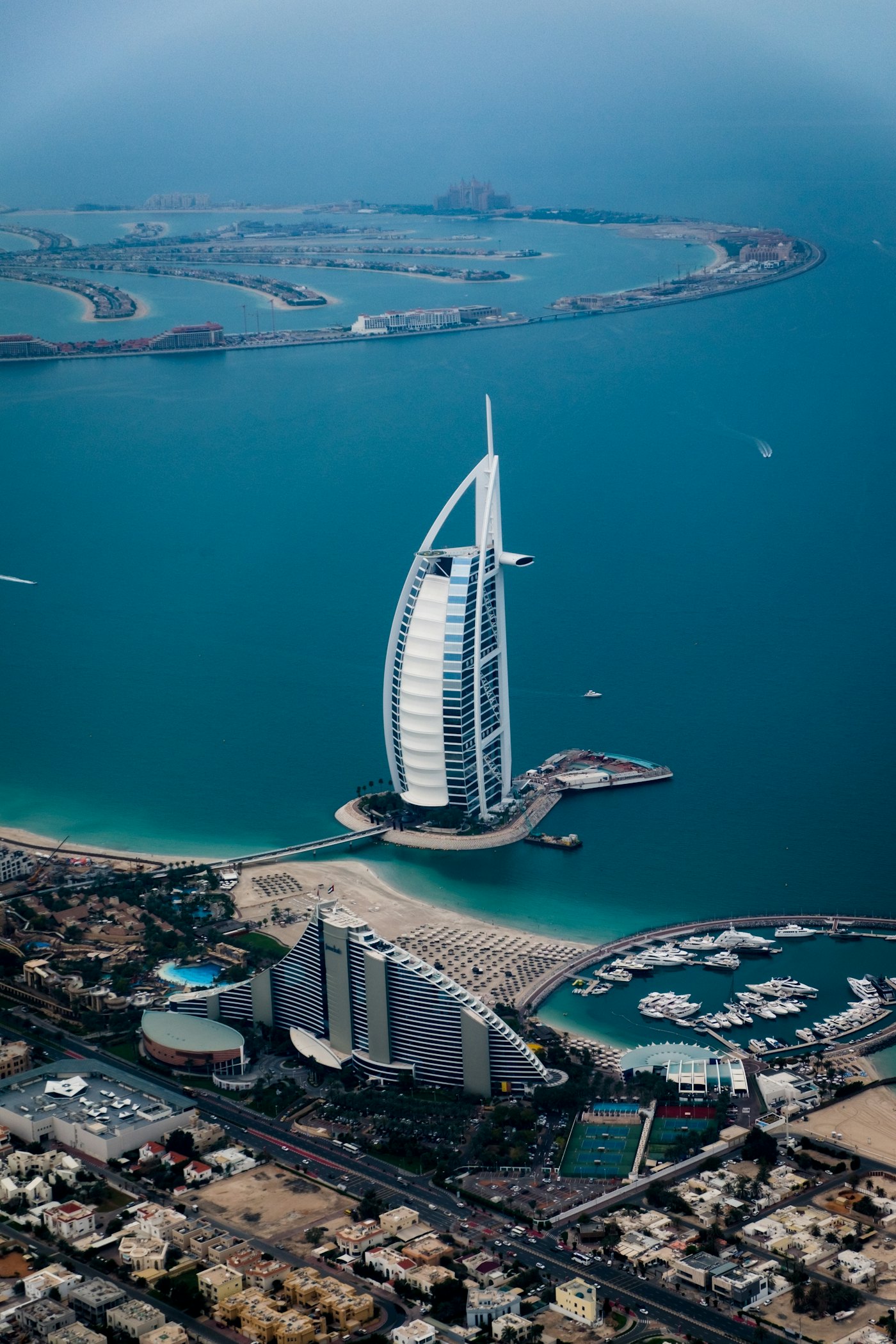
MarketsMiddle East
International buyers are a large part of this market, which is why completed sales are relatively easy to find. New supply can also arrive quickly. Freehold zones differ from each other, and Dubai and Abu Dhabi differ from each other.
Dubai is the louder market: a visitor economy, a large foreign-resident population, and a development machine that can add stock quickly. Freehold districts made the city readable to international buyers. Readable is not the same as even quality.
Abu Dhabi is a capital with a different tempo: more institutional, more public-sector gravity. Mixing the two into a single ‘UAE yield’ is how briefs go wrong.
Tax structure and residency pathways are part of why people look here. They are policy, and policy can be updated. Property should be able to stand as a place to live or let even if the surrounding incentives shift.
International professionals, entrepreneurs using the city as a base, and capital that wants a liquid, English-operating market in the region.
Freehold versus other tenures, developer delivery record, service charges, and whether your use case is Dubai, Abu Dhabi, or neither.
A fast, international market. Read the cycle, the building, and the emirate, in that order.
Foreign ownership
Reviewed 25 September 2026
Rule
In the areas named in the regulation, a non-UAE national may hold freehold without a time limit, or a usufruct, or a lease of up to 99 years. The regulation lists plots. It states no percentage of a building. Abu Dhabi’s zones are a separate instrument and are not given a number here.
Source
International buyers are a large part of this market. Designated freehold, an English-speaking professional layer and a deliberate hub strategy made the Emirates readable. Completed stock has tended to find buyers. Stock can also be added quickly. Dubai and Abu Dhabi do not move at the same speed. Risk appetite abroad, a wave of completions, or a change in the residency and tax rules that brought households can all shift the picture. The unit should still work as a place to live or let if those incentives move.
International buyers use freehold in designated areas. Other tenures exist and do not match freehold by default. Off-plan purchases sit inside escrow and developer-licensing rules, which have to be read in the current text. Residency routes and the tax structure are policy. They explain the interest. They are not the building.
Dubai’s freehold districts differ in who lives there, what the service charge is, and whether the tower is finished and occupied. Off-plan is a bet on delivery and on a future bid. A completed building has a tenant you can see. Abu Dhabi releases stock more slowly, and the public sector weighs more heavily. Averaging the two emirates hides both.
The cities are safe, international and extremely hot. Life is serviced. Some households want that. Others find it provisional. Test it with the school run and a commute in summer, on an ordinary weekday rather than from a waterfront image.
The core is new, and generally built to a high specification. Climate control is not optional, so energy and water sit inside a long holding. The service charge is what that specification costs. Put it in the budget before completion, not after the first year.
Oil, logistics, tourism, finance and the hub strategy sit under the property market, in different weights by emirate. Dubai leans on visitors, trade and new residents. Abu Dhabi leans on the public balance sheet. Supply arrives in waves. A busy quarter of sales does not mean last year’s towers are full.
A large expatriate population uses the cities for work and for companies. A financial-centre company regime is not a property title. Rent where the job actually is. If someone says a visa depends on the purchase, have that claim read by a person who is not selling the unit.
Dubai is faster and louder. Abu Dhabi is the capital. The other emirates have different prices and often a different commute. They should not be slipped into a Dubai brief. Say the emirate first, then the district.
Delivery dates slip. Service charges are real. Occupancy suffers when several buildings complete together. A tax break or a visa is not an investment case. Take the cycle, the building and the emirate in that order.
Related briefings

Investment basics
Income, preservation, diversification, lifestyle, legacy. Name the job. Then see whether the building can actually do it.
Brief26 August 20262 min read

Markets and cities
Relocation is a life decision with a property attachment. Reverse that order and the house starts making family decisions.
Brief7 August 20262 min read
Markets and cities
Passports got more useful. Title registers did not become universal. Plan for both facts at once.
Brief28 July 20262 min read
Nearby on the map
 Middle East
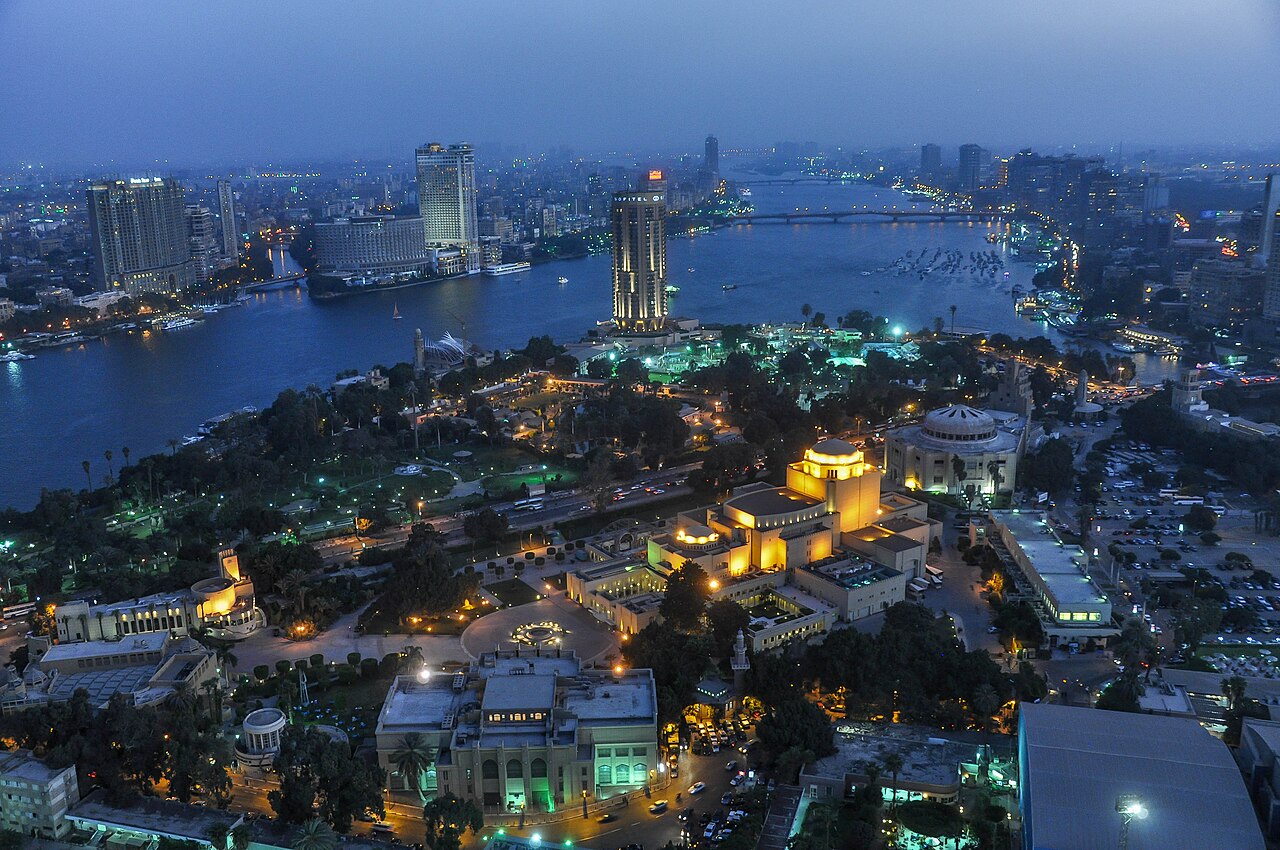
Cairo, the new cities, Alexandria, the Red Sea
A large domestic economy on the Nile, with a canal between the Mediterranean and the Red Sea.
 Southeast Asia
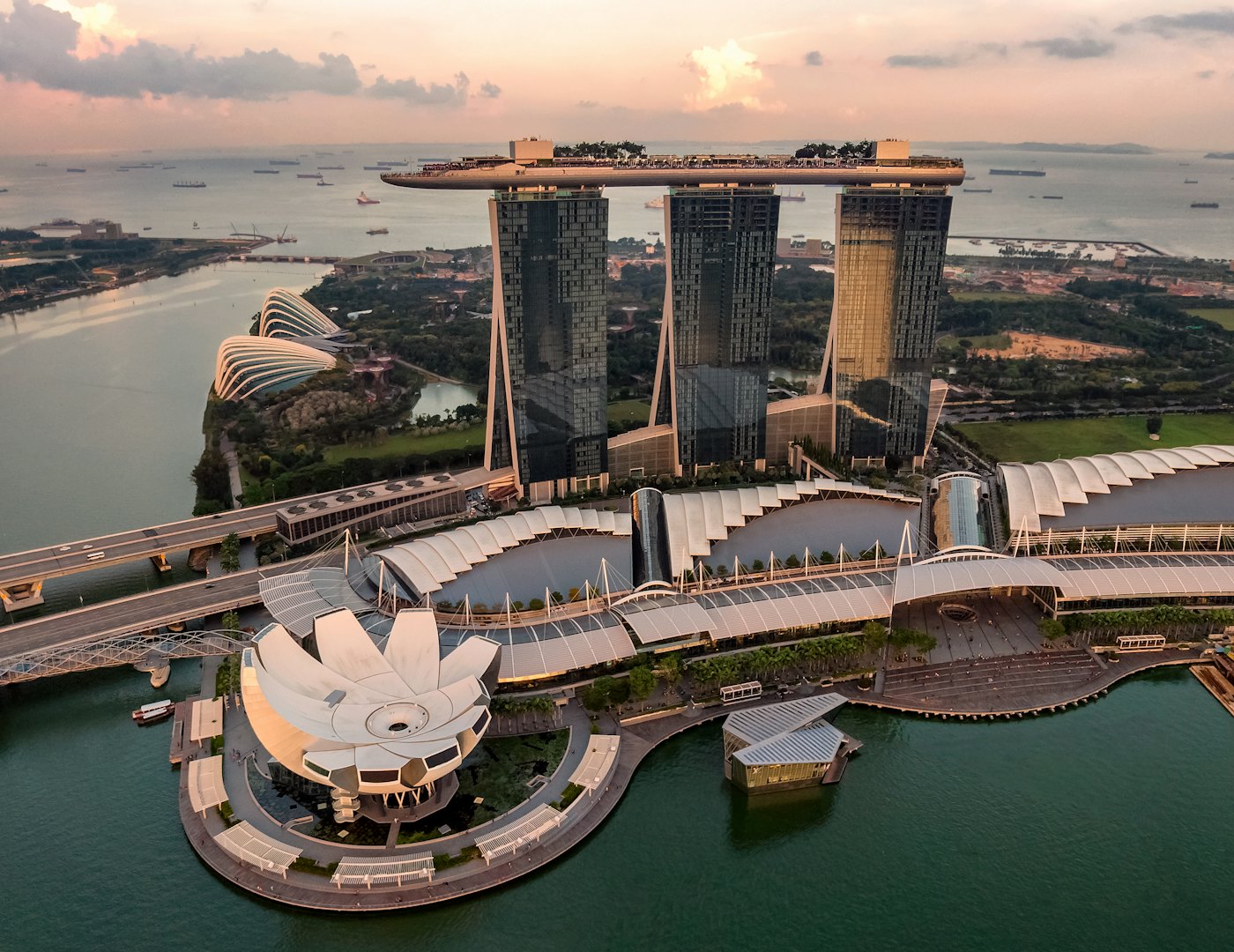
City-state
A clear, expensive reference market. Limited land, and prices that show it.
 Europe & Eurasia
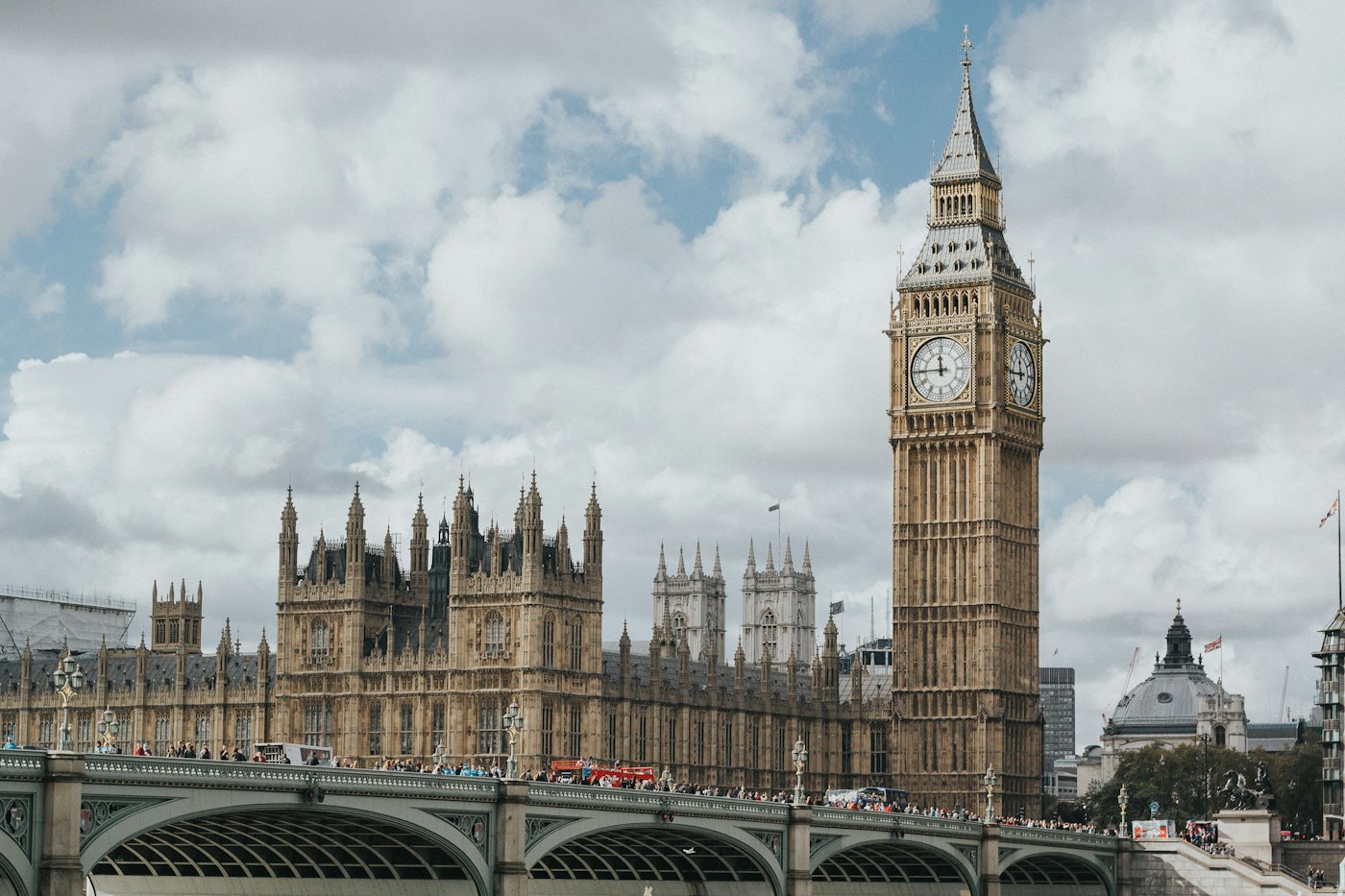
London, then the other cities
A deep, documented market, with London attached and with tax and planning rules that are written down.
 Europe & Eurasia
Tbilisi and Batumi
A compact capital on a historic crossing, with relatively open property access and a smaller, less liquid market.
Across GRIP
The same place, read from another desk.
Continue with GRIP
If this market belongs on a research list, write to GRIP, or continue with the rest of the region.