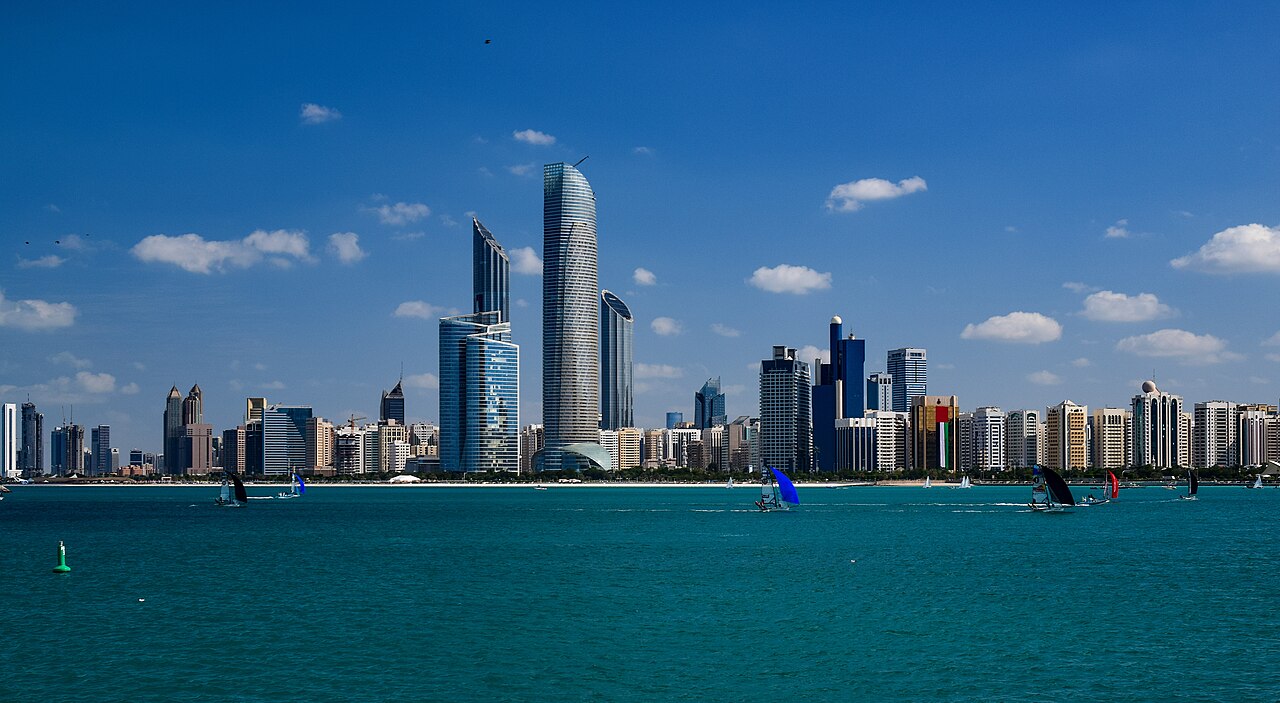
Sales, DIFC, and the mainland
Dubai
The regional office city. DIFC is a financial zone inside it, not a synonym for it.
Formation hubs
A formation and regional-office jurisdiction. DIFC and ADGM sit apart from the mainland. Customers still live in India, Africa, or the wider Gulf.
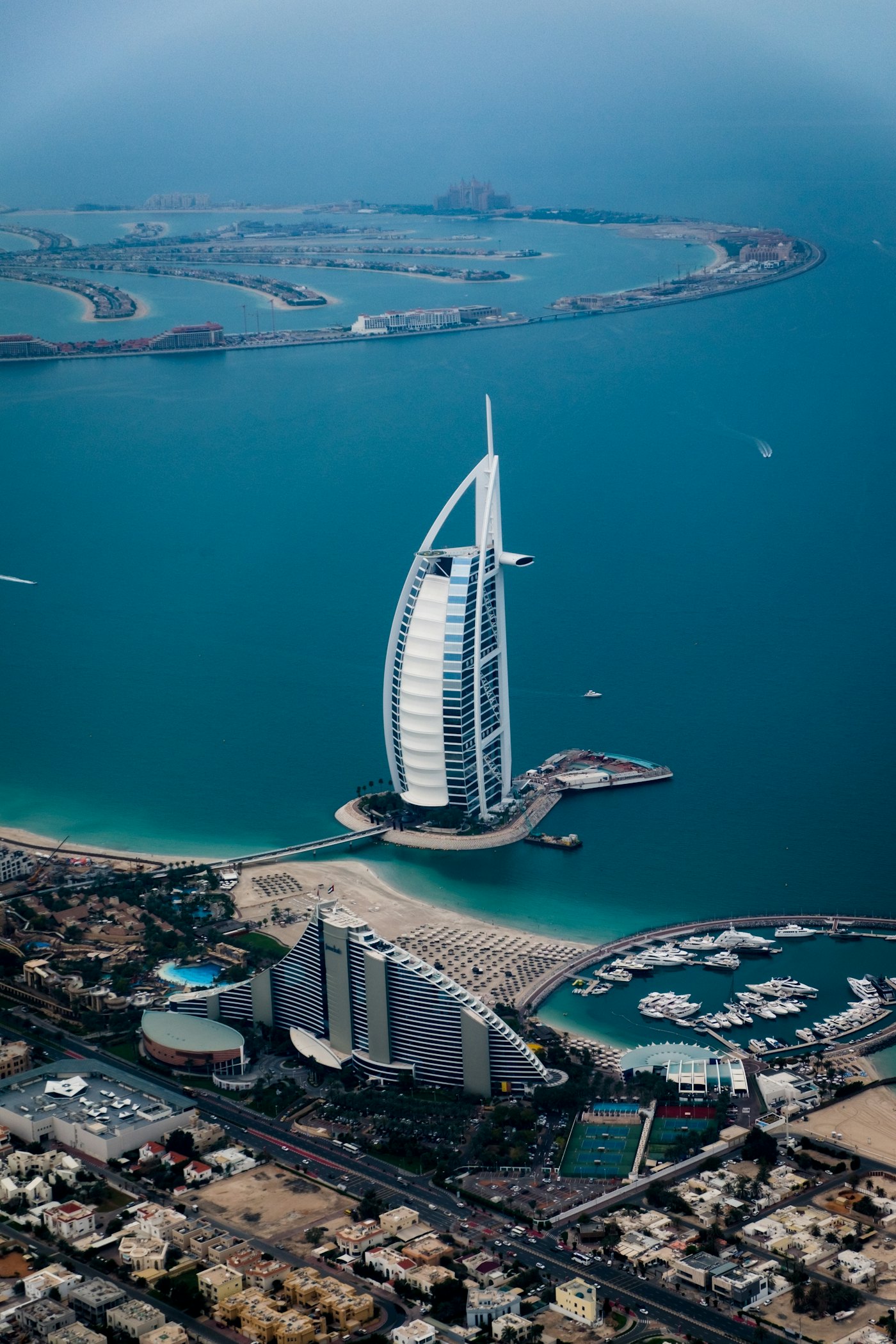
Startup EcosystemsUnited Arab Emirates
The Emirates are in this vertical because founders from other countries incorporate, bank, and hire small regional teams here. They are not in it as an emerging-market demand story. The property and residency brief already lives on the GRIP market page. This note is about the company, not the apartment.
Dubai International Financial Centre and Abu Dhabi Global Market are financial free zones. Each has its own companies regime, its own regulator, and courts that apply a common-law model inside the zone. A mainland company, licensed by the relevant emirate’s economic department, is a different legal object, with a different foreign-ownership history and a different permitted activity. Free-zone companies are often limited in what they may do onshore. The limitation is the point of the zone.
Indian, African, and wider Asian businesses use these zones as holding and treasury locations because the contract, the bank, and the time zone are convenient. Convenience is not commercial traction. Revenue still has to be earned under the law of the country where the customer is.
Separate urban systems, in the order they are discussed.
The visible founder is often not building for the Emirati household. The household market is small. The activity is regional management, trading, and a place to put a cap table. Local Emirati enterprise is a separate subject, tied to sponsorship histories and to state-linked capital, and should not be blended into the expatriate holding-company story.
Choose the zone before the brand of the city. DIFC, ADGM, and a mainland licence answer different questions: who regulates the financial activity, which court hears the shareholder dispute, and whether you may trade with a customer in Deira or on Abu Dhabi island. A formation agent’s comparison table is not legal advice. It is also not useless, if you then read the zone’s own law.
Family offices, sovereign-linked investors, and regional funds use the Emirates as a meeting point. Their mandates are not a seed fund for every sector that rents a desk. DIFC and ADGM regulate funds that are actually established inside the zone. A fund ‘based in Dubai’ may be a marketing address for a vehicle established somewhere else. Ask which regulator has the licence.
The technical base is adoption and sales, plus a growing state interest in Abu Dhabi in compute and life sciences. It is not a manufacturing delta and not a university system on the scale of India’s. A product team of forty can sit here. A supplier ecosystem of the Shenzhen kind does not.
The labour market is expatriate and visa-tied. People stay while the visa, the school, and the tax position work. That makes teams fast to assemble and fast to lose. Arabic and English both matter, depending on the customer. The engineer who wants a research campus will often not be in this market.
Branch campuses and a small set of national universities exist. They are not where a free-zone company finds most of its staff. Those firms hire people already trained in India, the Levant, Europe, or elsewhere. Treating the campus as the talent pool is a poor reason to choose the city.
Zone regulators are serious and narrower than a national government. Mainland regulation is the emirate plus federal law. Tax has changed: a federal corporate-tax regime now exists and free zones have conditions, not a vibe of automatic exemption. The current decree is the document. This page will not freeze a rate.
Rent, schooling, and visas are the cost stack. They are high relative to the operating cities of the companies that use Dubai as a headquarters. The cost is sometimes rational, as a legal and banking purchase. It is irrational when the whole engineering team is paying Dubai rents to serve customers who have never visited.
Airports, ports, and power are the reason regional headquarters work. The infrastructure is built for trade and for heat. It does not create a domestic market of continental size. Jebel Ali is a logistics fact for goods. It is irrelevant to a pure software company except as a reason the emirate can host the people.
Access from here is access to flights and to other people’s markets: Saudi Arabia, India, East Africa, the Levant. Each of those has its own foreign-investment rule. A Dubai company is a weak argument in a Riyadh procurement and a weaker one in an Indian FDI filing. Use the hub for what it clears, and clear the destination separately.
State programmes in artificial intelligence, logistics, and energy are real budget lines, especially in Abu Dhabi. They are not a general permission for a startup to claim the sector. Innovation that is mostly a regulatory arbitrage, a licence that is easier than at home, should be described as arbitrage.
Scale does not happen inside the Emirates for most of the companies that incorporate here. It happens in the market they sell to. The zone can scale the holding structure, the hiring of a regional team, and the banking relationship. Those are scale of a sort. They are not product-market scale. The GRIP market page covers living here. It should not be read as the demand study.
Related market brief
Across GRIP
The same place, read from another desk.
Continue with GRIP
Country briefs are the law and the national system. City briefs are where hiring, customers and rent actually happen.