Global InvestmentCross-border capital flows
How cross-border capital is recorded
Money crossing a border is recorded in categories. Property sits in those categories awkwardly. A non-resident buyer is not the same fact as a local occupier.
23 September 2026Updated 23 September 20268 min read
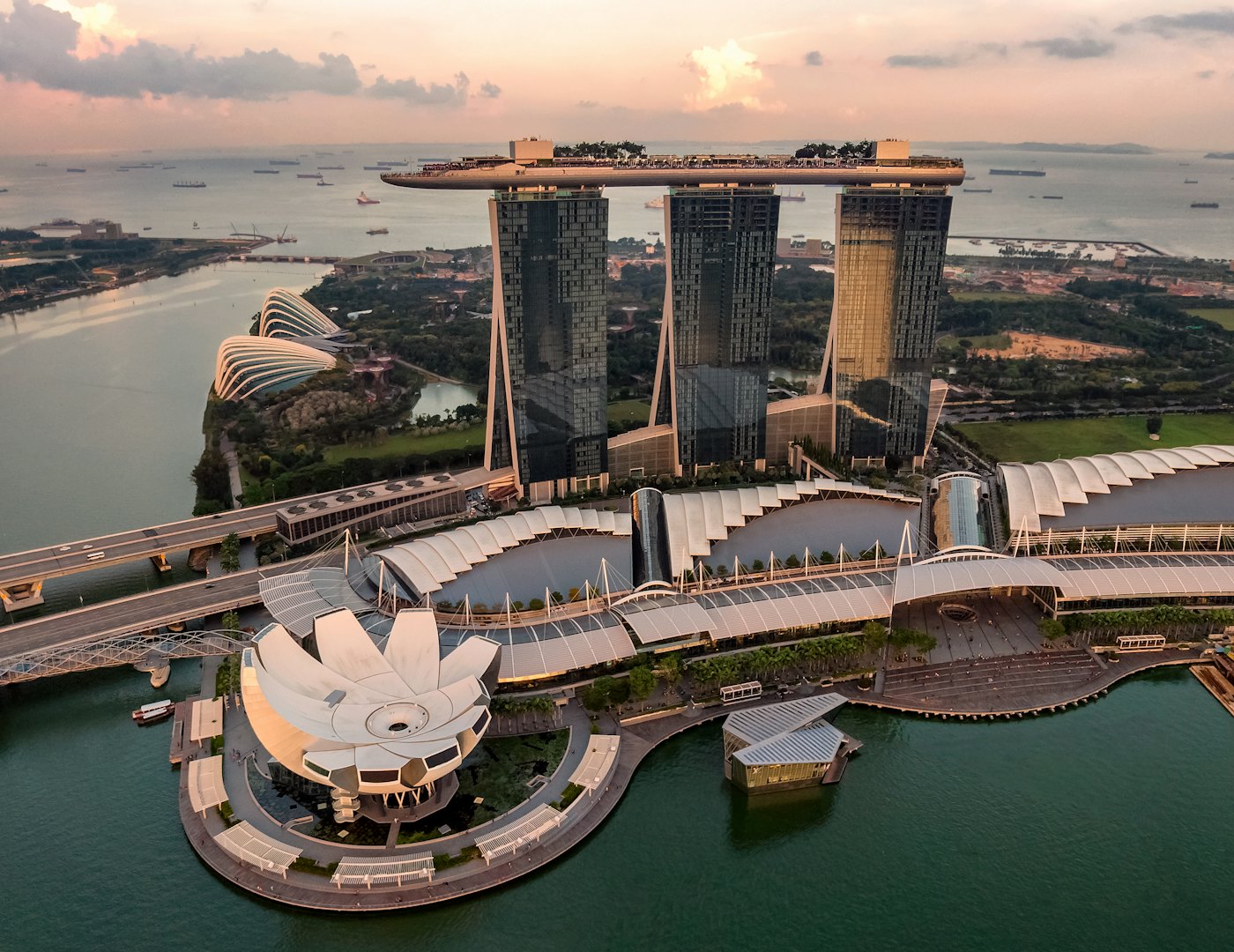
Cross-border capital flows are the transactions and positions between residents of different economies. The IMF’s BPM6 is the manual compilers use. It groups financial flows into direct investment, portfolio investment, financial derivatives, other investment, and reserves. Direct investment is the category associated with control or a significant degree of influence. Portfolio investment is the category of tradable claims that do not meet that test. The distinction is about the relationship, not about whether the money is ‘hot’ or ‘patient’. Those are commentaries. The manual is a classification.
Property is where the classification surprises people who think in sales language. The IMF’s direct-investment survey guide states that land and buildings owned by a non-resident are handled through a notional resident unit, so the non-financial asset stays in the host economy and the non-resident holds equity in the unit. Where the influence test is met, the relationship is direct investment. A dwelling can therefore appear in direct-investment statistics without the owner thinking of themselves as running a firm. That is an accounting fact. It is not a statement about title under local land law, which is a different document.
What a flow can and cannot explain
Flows help explain who was able to bid. They do not, by themselves, explain who will live in the building. A surge of non-resident purchases can lift prices in a district and leave occupancy to a separate local question. A reversal can be fast in a portfolio account and slow in a property registry, which is another way of saying the owner may not get out on the timetable of the flow. Singapore and the United Kingdom publish enough, and intermediate enough, that this gap is visible. The UAE and Malaysia show different versions of the same gap: foreign buying rules, local credit, and a tenant who may not be the buyer.
GRIP does not track a live flow and does not suggest following one. The research habit is to ask which category of capital a proposed purchase actually is, whose residency is on the other side, and what remains if that capital leaves. The occupier is the question that is still there after the account is closed.
Sources
- Balance of Payments and International Investment Position Manual, sixth edition (BPM6)International Monetary FundFunctional categories of cross-border investment. No flow or stock is quoted. The manual page was last marked updated in November 2013.
- Coordinated Direct Investment Survey Guide (2015), chapter 2: notional units for landInternational Monetary FundStatistical convention for non-resident ownership of land and buildings. Not a legal opinion on title.
No security is named or recommended. No expected return is stated. Cited series are used for concepts and classification methods. Their figures are not reproduced.
Related markets
Further reading
- What people mean by a real assetA building, a concession, and a share in a property company are not the same claim. ‘Real’ describes the object. It does not describe the outcome.
- Emerging is a classificationOfficial groupings exist to organise data. They are revised, they overlap, and they do not carry a required return or a required risk.
- Currency is part of the holdingA foreign asset is a currency position unless your future spending is in that same currency. The building does not cancel the unit it is priced in.
- GRIP LibraryForeign ownership is a local questionThere is no international standard for who may hold land. The jurisdiction in front of the title is the one that applies.