Who typically looks here
Households posted to Muscat, and buyers shown a coastal complex as if it were the national market.
MarketsMiddle East
Muscat is the city. Salalah is a seasonal coast with a narrower legal exception. A non-Omani purchase is read against the integrated-tourism-complex decree, not against a Dubai comparison.
Oman is not a smaller Dubai. At the end of May 2026 the official count was 5,388,513 people, of whom 1,538,312 lived in Muscat governorate. Housing demand follows that concentration: government, the port, the airport and private firms.
Royal Decree 12/2006 allows ownership inside a licensed integrated tourism complex. Royal Decree 29/2018 then closes listed places to non-Omani ownership, leaving that complex route standing, and leaving the Wilayat of Salalah outside the Dhofar ban. A project name does not prove the licence.
Households posted to Muscat, and buyers shown a coastal complex as if it were the national market.
Whether the complex is licensed under the 2006 decree, and whether the plot sits inside a 2018 prohibition.
A small market with a narrow foreign-ownership route. Scale and the licence come before the view.
Figures
Only a named release is printed. The date on each line is that release, not the day this page was read.
Population
5,388,513
As of 31 May 2026
National Centre for Statistics and Information
Released 21 June 2026
End of May 2026, from the June 2026 monthly bulletin. Up 1.6 percent on May 2025.
Muscat governorate
1,538,312
As of 31 May 2026
National Centre for Statistics and Information
Released 21 June 2026
28.6 percent of the sultanate. Dhofar, the governorate that contains Salalah, was 535,623 in the same table.
Foreign ownership
Reviewed 25 September 2026
Rule
A non-Omani may own land or a built unit in an integrated tourism complex licensed by the competent authority, for accommodation or investment. The state may reserve a complex to Omanis. The executive regulations set the conditions. A residence permit may be granted to an owner and first-degree relatives. It is not conferred by the sale.
Source
Rule
Without prejudice to that complex route, non-Omanis may not own land or property in the governorates and places listed in Royal Decree 29/2018, including Dhofar except the Wilayat of Salalah, Musandam, Al Buraimi, Al Dhahirah and Al Wusta, and stated mountains and wilayats.
Source
City briefs
Muscat is the working city. Salalah is a wilayat with a visitor season and a narrower ownership map.
Each section carries the date it was last reviewed and the documents it was read against.
Muscat is the market that matters for scale. At the end of May 2026 the National Centre for Statistics and Information put the governorate at 1,538,312 people, 28.6 percent of a national population of 5,388,513. Government, ports, the airport and private firms are why those households are here. A coastal scheme aimed at a non-resident is a small slice of that city.
Al Mouj and Muscat Hills are names buyers are shown. They are not, by themselves, the legal category. Royal Decree 12/2006 allows ownership, including by a non-Omani, inside an integrated tourism complex that has been licensed. The Ministry of Heritage and Tourism publishes the regulations. A brochure does not issue the licence. The Muscat brief keeps the districts apart from Salalah.
No price or rent. A development name is not treated as a licence.
Dhofar governorate had 535,623 residents at the end of May 2026. Salalah is a wilayat inside it, not the whole governorate. Royal Decree 29/2018 prohibits non-Omani ownership in Dhofar except the Wilayat of Salalah, and it does so without prejudice to the integrated-tourism-complex route. Being outside that geographic ban is not a general freehold. A non-Omani purchase still needs a positive permission, which for this reader is the licensed-complex route in the 2006 decree.
The khareef brings visitors and a different calendar from Muscat’s working year. A full season is not a year-round tenancy. The Salalah brief is that distinction.
No price or rent. A development name is not treated as a licence.
The ordinary rule is restriction. Royal Decree 29/2018 lists governorates, wilayats and mountains where a non-Omani may not own land or property, and it leaves the 2006 integrated-tourism-complex statute standing. Royal Decree 12/2006 allows an Omani or a non-Omani to own land or a built unit in a complex licensed by the competent authority, for accommodation or investment, in a form the law already recognises. The state may still reserve a complex to Omanis. The executive regulations set the conditions.
Article 8 of the 2006 decree says a non-Omani owner may be granted a residence permit for themselves and first-degree relatives. The grant is not in the sale contract. The regulations, written with the immigration authority, set the stipulations. GCC citizens have a separate instrument, Royal Decree 21/2004, and are not this card.
No price or rent. A development name is not treated as a licence.
The tenant who pays a long let in Muscat is usually attached to a job, a school or a government contract. Expatriate compounds and ordinary Omani family housing do not clear together. A complex marketed to a foreign buyer can be aimed at a seasonal or absentee occupier. That occupier is not the civil servant or the port engineer.
Salalah’s visitor months can fill a short stay and still leave a long let dependent on who actually lives in the wilayat. No rent is printed. The useful record is who was in the building last year, and in which months.
No price or rent. A development name is not treated as a licence.
Muscat’s connections that can be used today are the airport, the port at Sultan Qaboos, and the road network along the coast. There is no metro to underwrite a tower against. A scheme described as minutes from the airport should be driven at the hour the household would drive it.
Salalah has its own airport and its own roads, and the khareef changes how those roads feel. A national infrastructure slogan does not join the two cities. The population figures above are the scale: Muscat is the concentration, Dhofar is much smaller, and the rest of the sultanate is not a single housing market.
No price or rent. A development name is not treated as a licence.
Oman is a small market next to the United Arab Emirates. The May 2026 count is 5.4 million people in the whole sultanate, and under a third of them are in Muscat governorate. A building that needs a deep pool of foreign resale buyers is being asked to find them inside that scale, or to import them.
Integrated tourism complexes are a licensed exception, not the width of the market. Most households will never buy in one. Treating a handful of coastal schemes as ‘Oman property’ describes the product foreign buyers are shown, and misses the city where people already live.
No price or rent. A development name is not treated as a licence.
The licence. A development sold as if it were an integrated tourism complex still has to be one under the 2006 decree and the current regulations. The 2018 decree shows that geography can be closed. A name on a gate is not the licence.
The tenant and the exit. Absentee ownership in a small city depends on a narrow set of next buyers. Service costs and empty months do not shrink because the photograph is of the sea. A residence permit that was part of the sales conversation can be revised without changing the title. Muscat and Salalah do not share a season or a resale pool.
No price or rent. A development name is not treated as a licence.
Nearby on the map
 Middle East
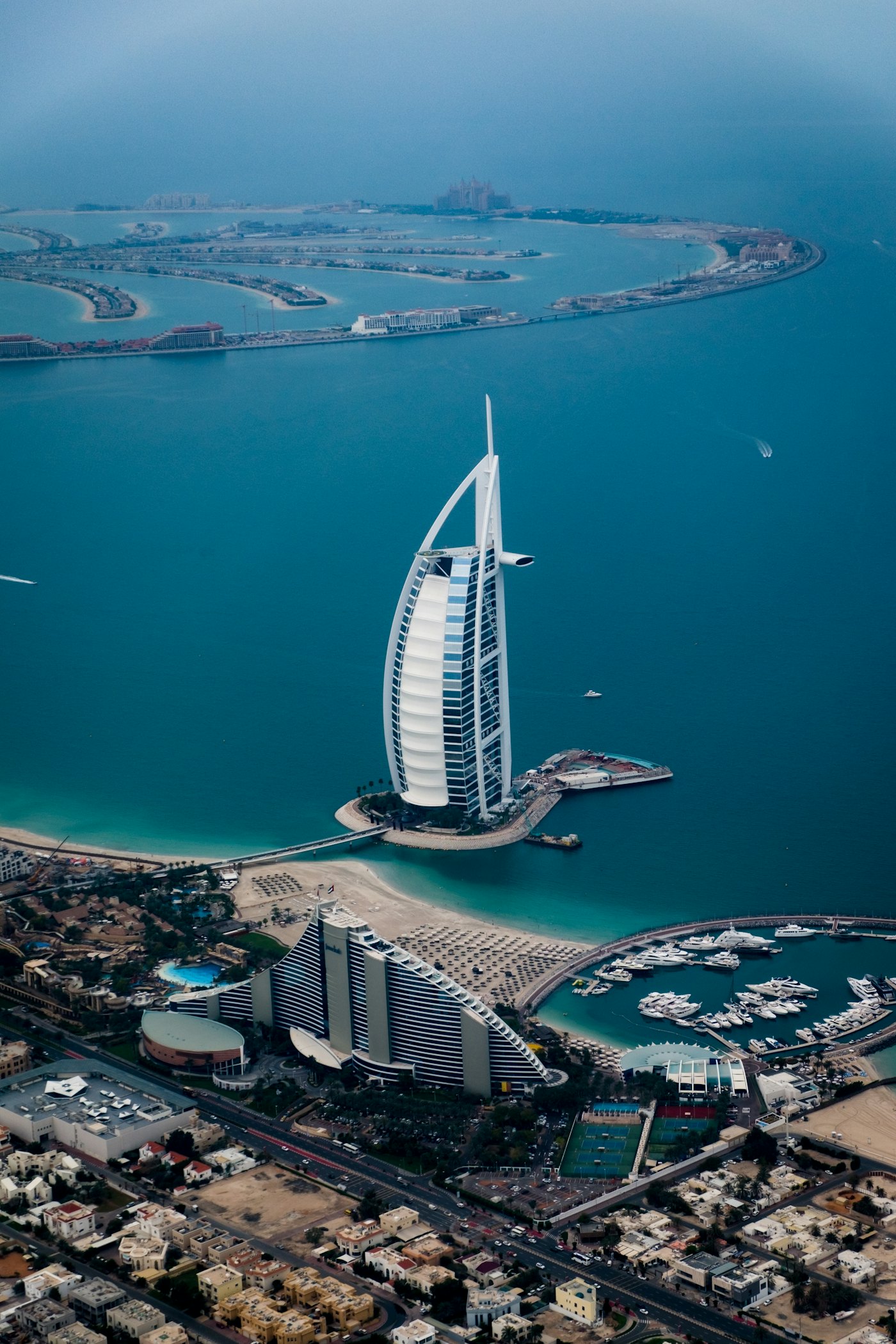
Dubai, Abu Dhabi, Sharjah, Ras Al Khaimah
International capital, a large expatriate population, and two cities that should not be treated as one product.
 Middle East
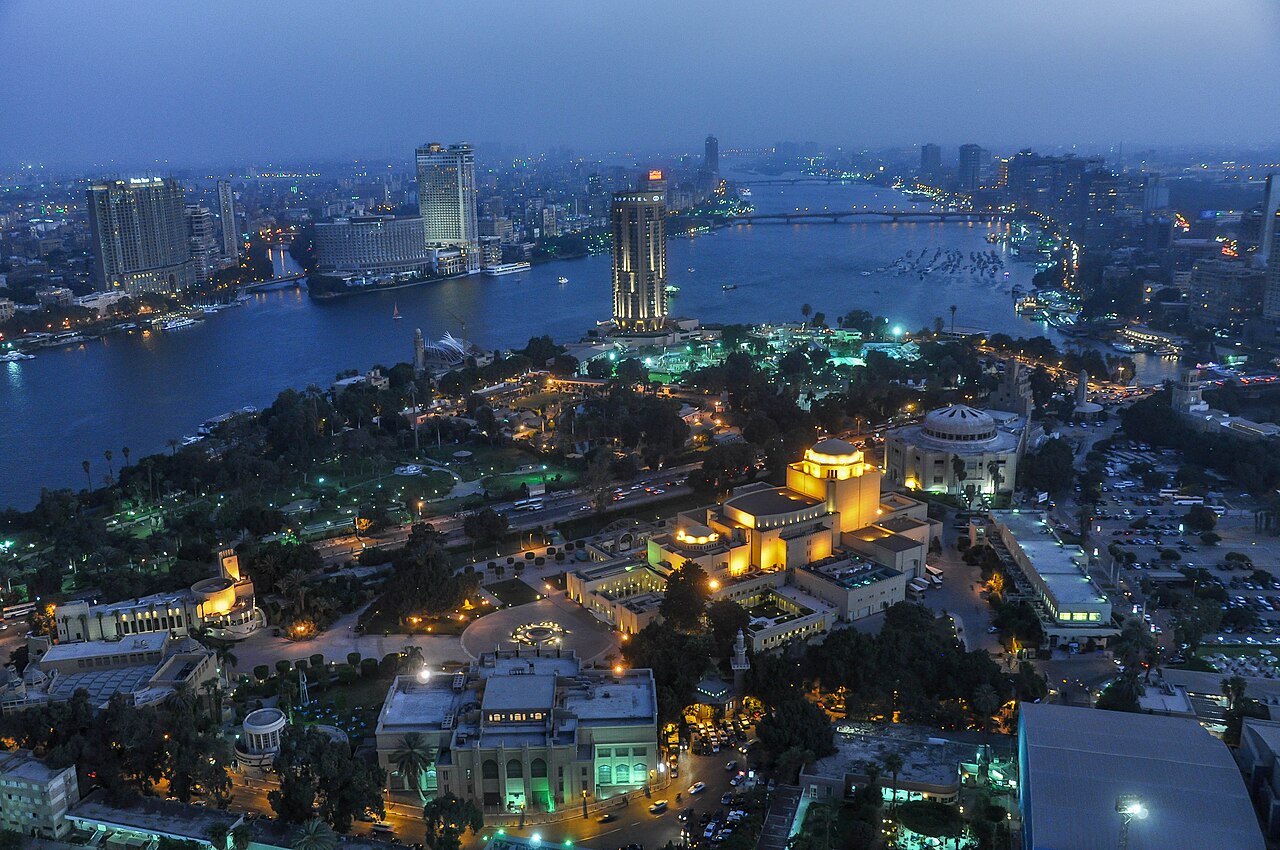
Cairo, the new cities, Alexandria, the Red Sea
A large domestic economy on the Nile, with a canal between the Mediterranean and the Red Sea.
Across GRIP
The same place, on a related page.
Continue with GRIP
If this market belongs on a research list, write to GRIP, or continue with the rest of the region.