Who typically looks here
Staff of firms that have their Manila office inside the estate, and households who want that grid specifically.
MarketsPhilippinesBonifacio Global City
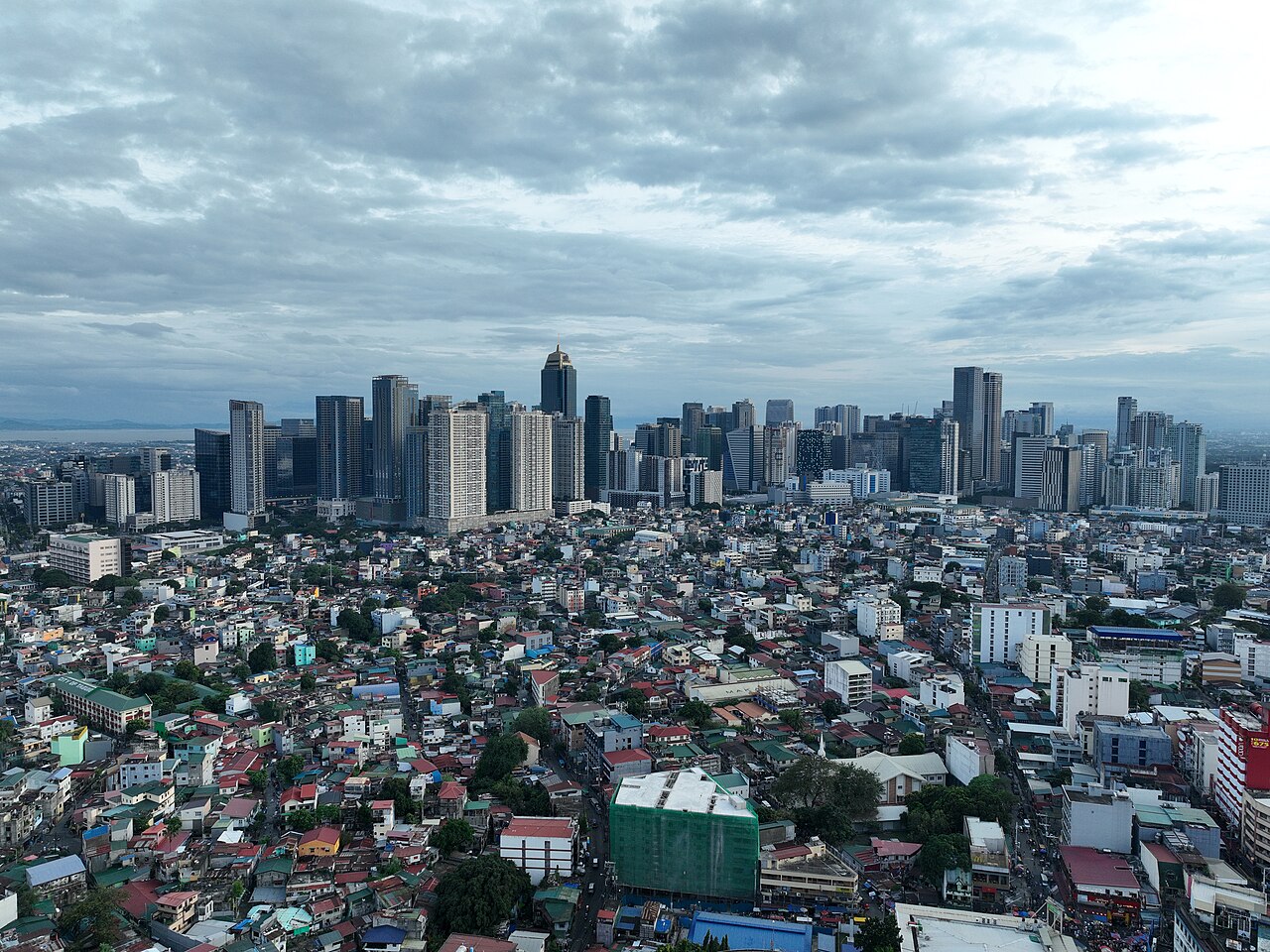
Bonifacio Global City is a planned estate inside Taguig. Photographs of the towers usually take in only part of the neighbourhoods the estate replaced.
BGC was planned on former military land as an office and residential estate: a street grid, parks and towers, managed more tightly than most of Metro Manila. That is the product. It sits in Taguig, beside barangays that were not rebuilt to the same plan.
Firms moved here from Makati, and new firms started here. The housing inside the estate and the housing that looks at the estate from Guadalupe, Cembo, Pembo, Rizal and the Western Bicutan side answer to different streets, different flood paths and often different city halls.
Staff of firms that have their Manila office inside the estate, and households who want that grid specifically.
Whether the unit is inside the estate or only within sight of it, and which city the title names.
A planned district with a hard edge. The edge is the analysis.
BGC’s economic role is offices: shared services, technology, professional firms and regional headquarters that chose a masterplanned grid over the older Makati avenues. Retail and restaurants followed the payroll. They are not an independent reason for the district to exist.
Employment inside the estate does not automatically become a tenant inside the estate. Staff housing spills into Taguig, Makati, Pasig and Mandaluyong. The commute across the boundary is part of the labour market.
Inside the grid the stock is almost entirely condominium and office strata, plus retail podiums. The streets are planned, the sidewalks are wider, and the association environment is closer to a private estate than to a typical Manila barangay. That has a cost, and it has house rules.
Across the boundary the fabric is older and lower: dense residential streets, small lots, a different building stock. A unit marketed as BGC can sit on that side of the line. The view of the towers is not membership of the estate.
High Street, Bonifacio High Street, and the avenues of the central grid are the pedestrian core. Uptown and the northern edge pick up later phases. McKinley Hill and McKinley West are related but distinct clusters, with their own gates and a different walk to the office core.
The names of the surrounding barangays matter because they are where people actually live: Cembo, West Rembo, East Rembo, Pembo, Comembo, Rizal, Pinagsama. Jurisdiction over parts of this edge has been disputed between Makati and Taguig. Which city hall governs the specific lot is a document. A listing does not settle the dispute.
The estate was planned around cars, buses and a walkable internal grid, not around a railway station at every block. Links to MRT-3 at Guadalupe and to the wider road network are the practical exits. They clog. Internal trips on foot work better here than in most of the capital. The trip out does not.
Drainage inside the planned streets is not the same system as the creeks and low streets outside them. A ground-floor unit on the edge needs its own flood history. Future rail that might reach Taguig is a delivery question.
Corporate leases, furnished units and a younger professional tenant are the demand the estate was built to catch. Buildings compete with each other at the end of a lease. An older tower with a known administrator can be full while a new phase is still finding occupiers.
The spillover rental market outside the estate is larger and more local. An edge building should not be underwritten on an interior-grid rent. Short stays are constrained by house rules.
The lifestyle offer is the grid itself: parks, sidewalks, supermarkets and restaurants within the estate. It is genuine, and it stops at the boundary. Schools that families use are often a drive away. The drive belongs in the decision.
Noise is less about street life than about construction phases and about the roads at the perimeter. A Saturday walk up High Street is a weak test of a Monday exit.
The business environment is why the district exists. Firms came for floors that could be leased in a planned setting, with security and a presentation they were willing to show a client. If the firm leaves, or shrinks the floor, the housing story changes with it.
Campus-style BPO buildings and headquarters towers do not employ the same hours. Shift times decide which buildings feel occupied at midnight.
Inside the estate the offer to a foreign buyer is a condominium unit, not the land under the grid. The building’s foreign share is its own ledger. A side arrangement does not reach the land.
McKinley, the central grid and a tower outside the estate can sit in different jurisdictions. Counsel should read the title, the city and the association rules together.
Concentration. A district this planned can add a large number of units on a predictable calendar. Competition between buildings is the ordinary risk. So is paying estate prices for a unit that is only near the estate.
Jurisdiction on the edges, flooding outside the grid, and a corporate tenant base that can shrink when a firm consolidates.
Related GRIP research
These are GRIP briefs, not city reports. They sit next to a Bonifacio Global City reading.
Startup investing
Startups, headquarters and industrial parks do not just need offices. They rearrange housing, hospitality and the next street.
Brief19 July 20262 min read

Investment basics
Income, preservation, diversification, lifestyle, legacy. Name the job. Then see whether the building can actually do it.
Brief26 August 20262 min read
Real estate research
There is no international standard for who may hold land. The jurisdiction in front of the title is the one that applies.
Brief9 June 20262 min read
Across GRIP
The same place, read from another desk.
Also in Philippines
Capital region
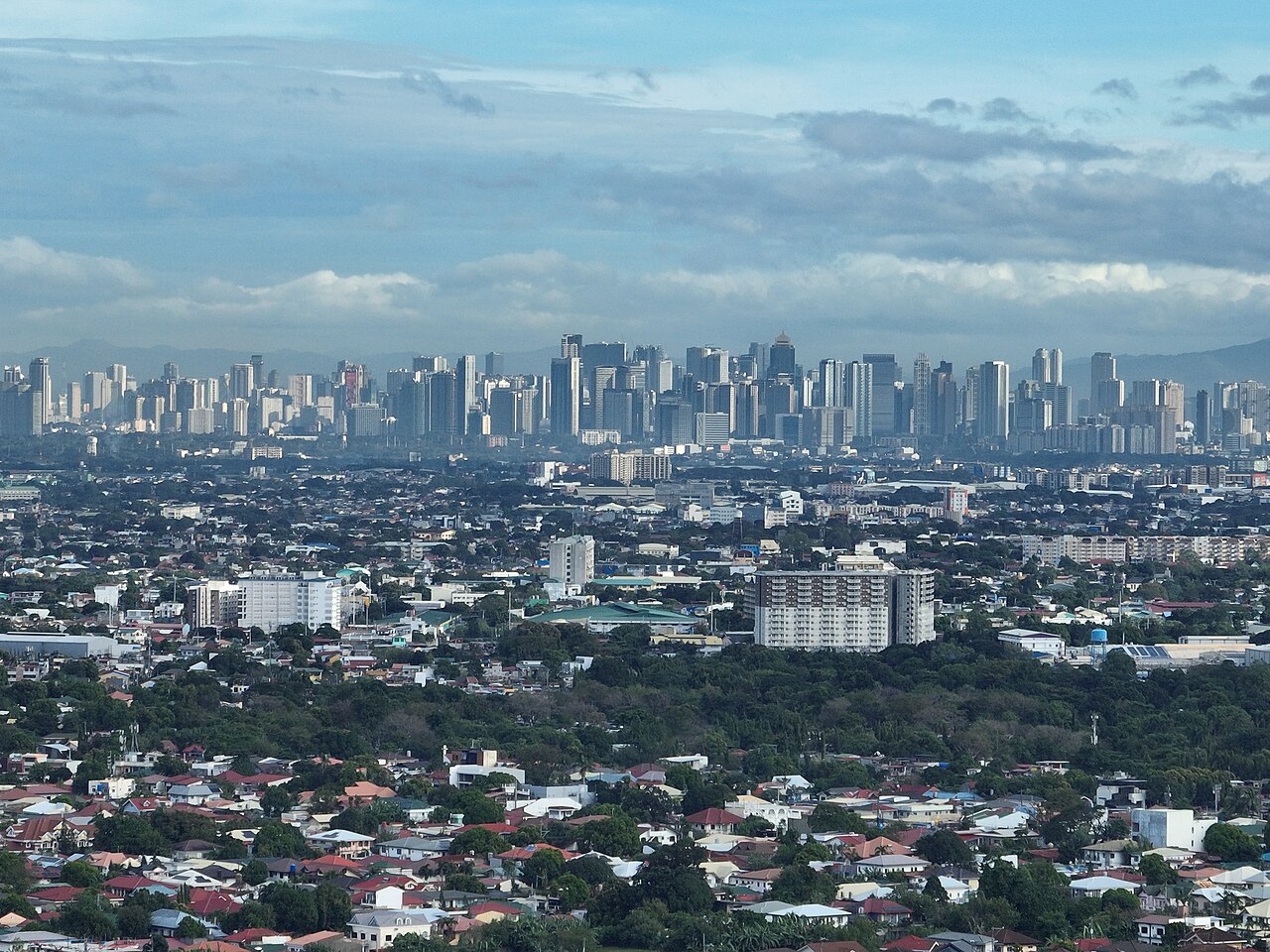
Sixteen cities and one municipality, one labour market, and almost none of the same street.
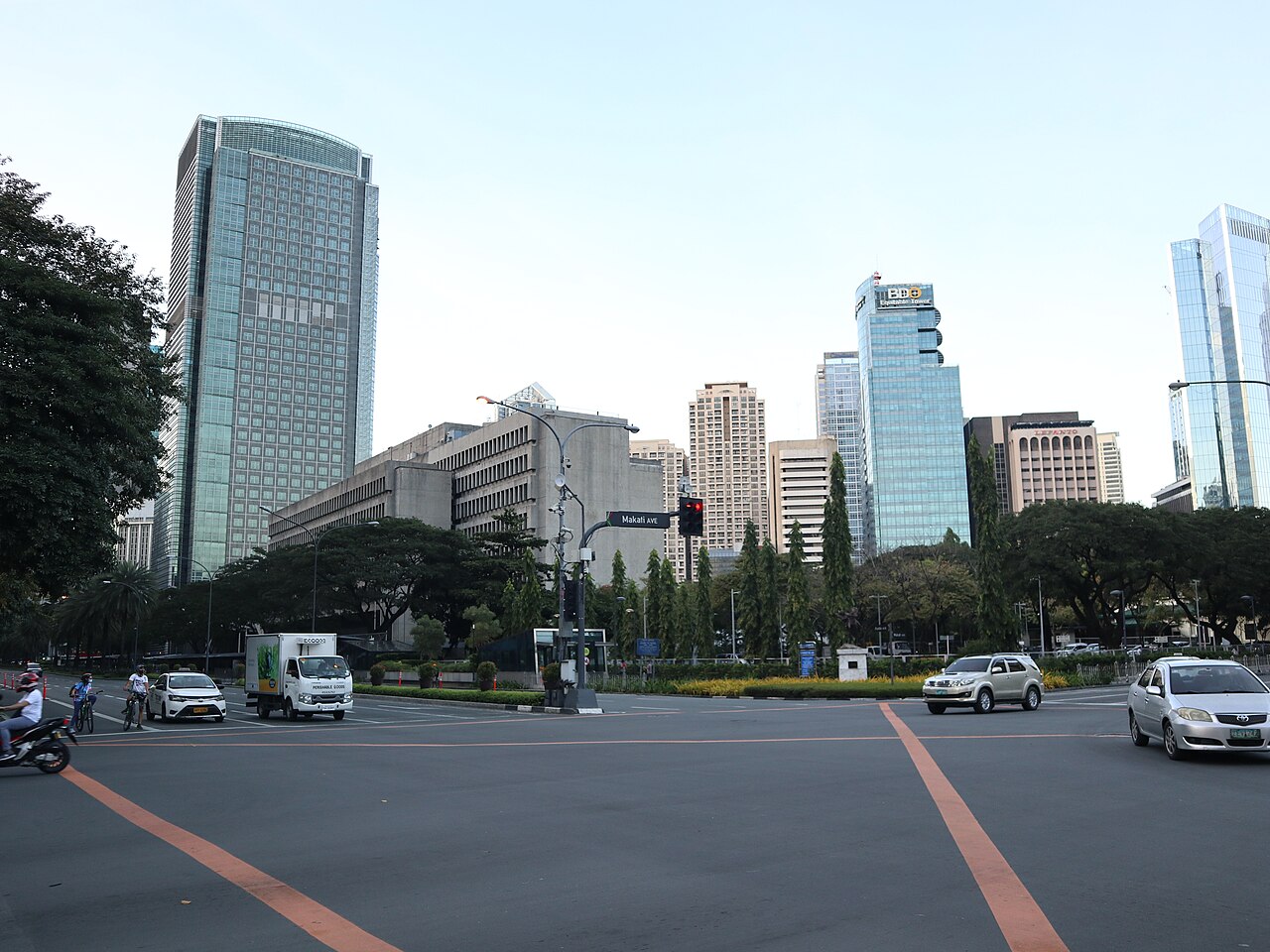
Established business district
The older corporate centre: offices, hotels and a residential grid that was built around them.
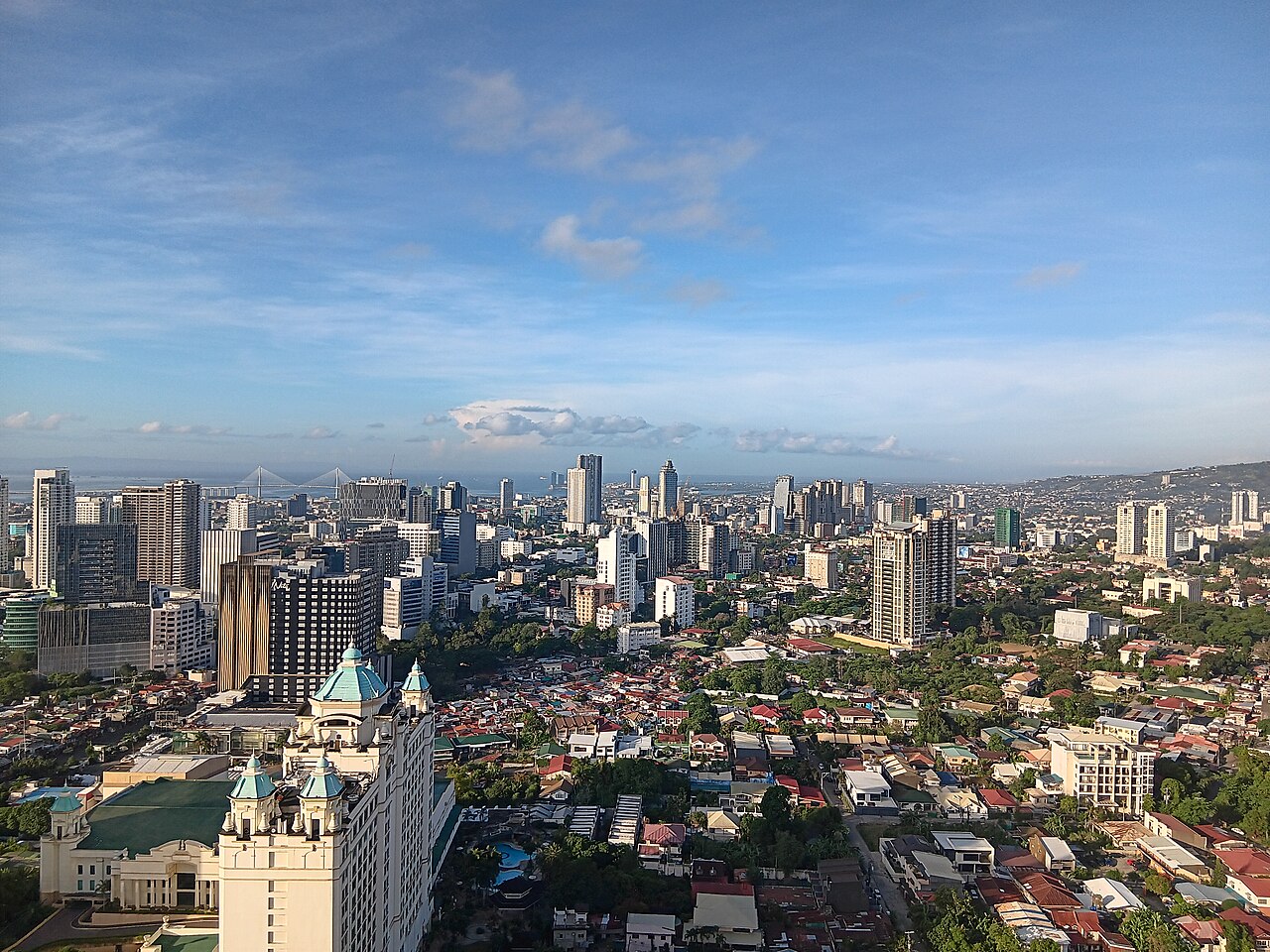
Visayas centre
A metropolitan area split across cities, a strait, and a bridge that is not the whole commute.
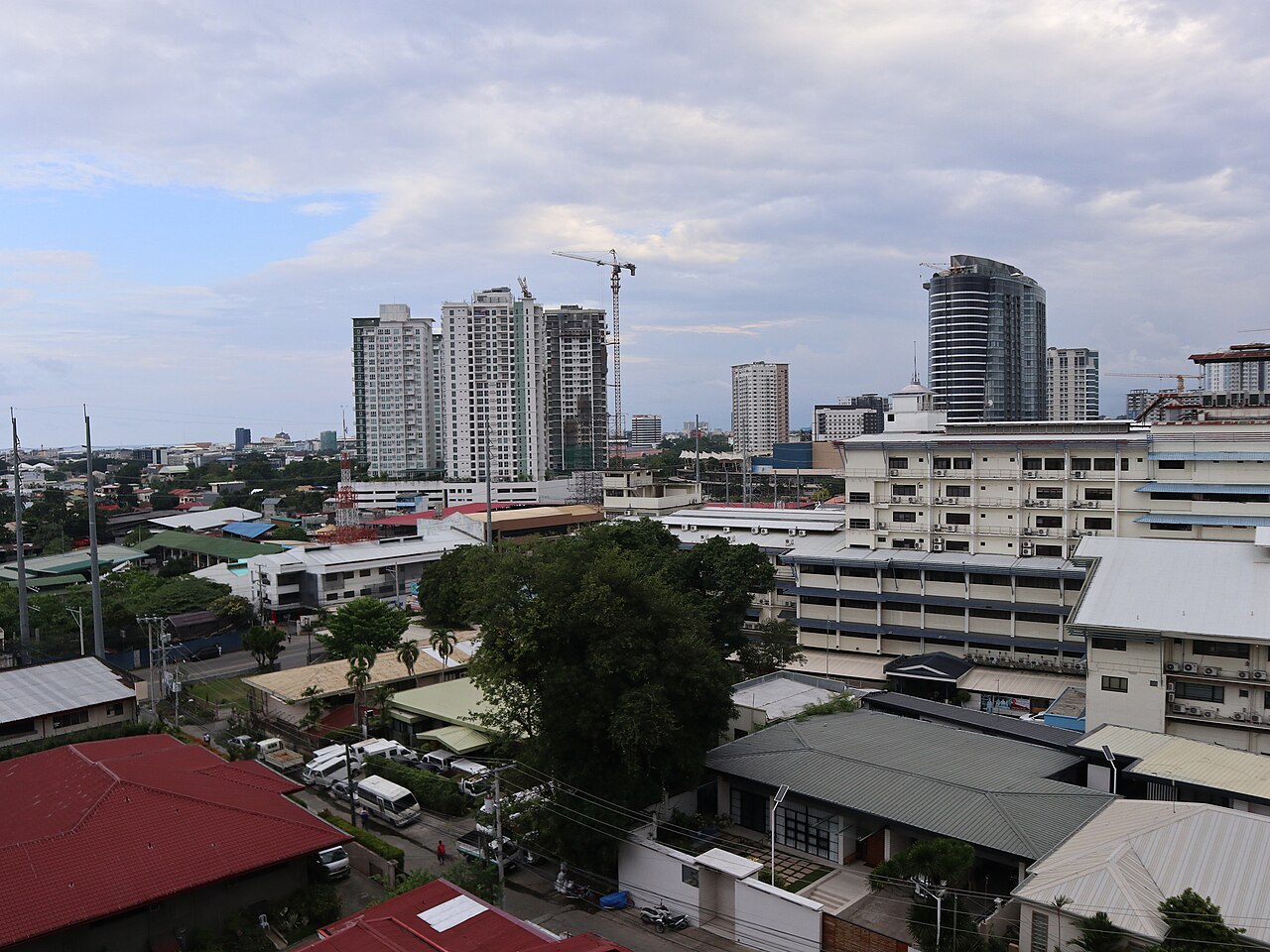
Mindanao centre
The main city of Mindanao: a regional capital with its own trade, services and government.
Continue with GRIP
If this city belongs on the list, write to GRIP, or return to the country brief.