Who typically looks here
Corporate staff, the professional rental market, and families who need the capital’s schools, hospitals and flights.
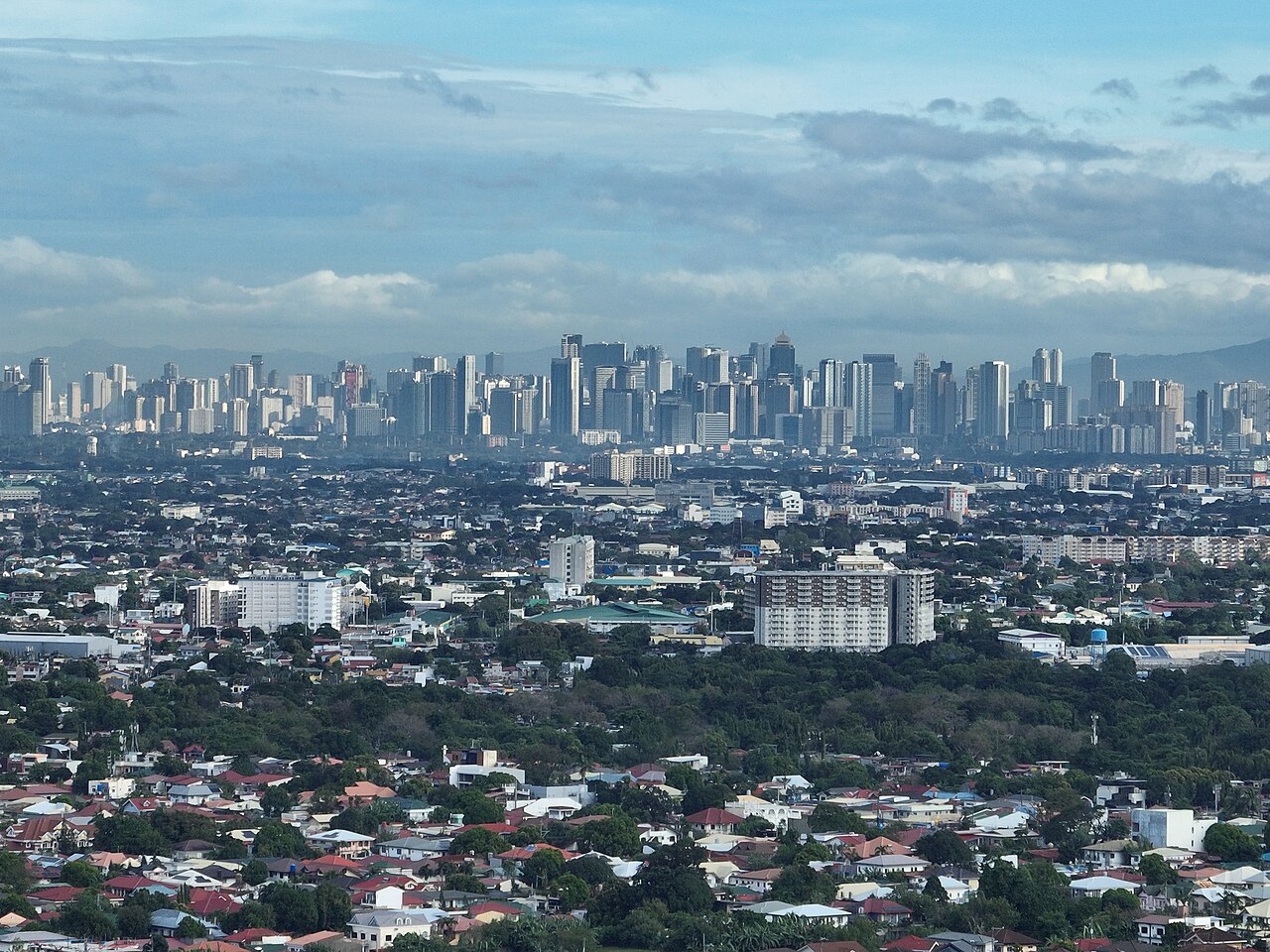
MarketsPhilippinesMetro Manila
Metro Manila is the jobs region. Makati and Bonifacio Global City are districts inside it, not substitutes for the whole commute.
Metro Manila is a group of cities with their own mayors, zoning and street networks, tied together by work. Quezon City, Manila, Makati, Taguig, Pasig, Mandaluyong, Parañaque and the rest do not share a housing market just because they share a traffic jam.
Corporate and professional demand concentrates in a few business districts. Most households live somewhere else and travel in. A brief that starts and ends at Makati or Bonifacio Global City describes those two districts and misses the region.
Corporate staff, the professional rental market, and families who need the capital’s schools, hospitals and flights.
Which city the title sits in, and whether the weekday trip to work survives rain.
A labour market first. The district decides the building.
Government, finance, professional services, retail and the largest concentration of business-process work in the country sit here. Manufacturing and the port economy pull other parts of the region. Housing follows payrolls, then the roads and the three operating rail lines that only partly reach them.
Makati and Bonifacio Global City are the corporate cores most foreign readers already know. Ortigas, the Bay Area, Alabang and Quezon City’s own centres employ people who will never set foot in those two. A national services story does not say which cluster is hiring.
The trade most foreign buyers see is condominium strata. Landed houses, townhouses and older low-rise apartments still house a large share of residents, often in cities foreign buyers are not shown. Vertical villages near the business districts and a family house in Quezon City are different objects.
Many towers were built for end-users and small investors at once. Completion, occupancy and a working management office are separate facts. An older block with a known administrator and a new tower still on a developer’s books do not share a resale pool.
Makati’s Ayala corridor and Bonifacio Global City in Taguig are the two briefs GRIP treats on their own pages. They are not the region. Ortigas, straddling Pasig and Mandaluyong, is a third office cluster. The Bay Area in Pasay and Parañaque grew beside the airport and entertainment sites. Alabang, in Muntinlupa, is a southern suburban centre.
Quezon City is the largest city by population and has its own employment, universities and housing. The City of Manila holds the old centre, the port edge and Intramuros. Name the city before the tower.
Which lines are open, and which are still in delivery, is on the country infrastructure section. The test on this page is the walk. LRT-1, LRT-2 and MRT-3 do not cover the business districts evenly, and a station on a map can still be a jeepney or a long walk from the lobby.
EDSA is the structural road. It fails at the peak and in heavy rain. Flooding is site-specific: a creek, a drainage basin, a ground floor. Power cuts and water interruptions still appear by building and by barangay. Ride the trip, and ask about the last flood on that lot.
Longer lets follow offices, shared-service floors, universities and a smaller expatriate pool around Makati, BGC, Ortigas and a few residential pockets. A tower aimed at that pool can miss the much larger local tenant, who may want a different city and a different rent.
Short stays are a house-rules and local-ordinance question. A platform listing does not bind the building.
Schools and private hospitals are the practical case for living in the capital rather than a second city. International schools cluster, which is why a few corridors stay on shortlists. Heat is constant. The rainy season changes the commute more than the photographs suggest.
Daily food, malls and the parish or the mosque organise the week. Visit on a working day, including one with rain.
English is a working language in offices, which is one reason shared services and regional work sit here. Headquarters, banks, law firms and BPO campuses do not share a postcode. The business question for a household is where the shift starts, and whether staff housing is the same district as the client meeting.
Local government is city by city. Permits, zoning and business taxes are not a single Metro Manila file.
The national land rule is in the country brief. What changes by city is the hall that issues the permit, and the condominium corporation’s own foreign share. That share is a building fact, read from the corporation’s ledger rather than from a marketing percentage.
A lease of land, or a purchase through a Filipino spouse, is a different legal file. Nominee arrangements that put land in someone else’s name are a known hazard. The building’s city is also the city hall the buyer deals with.
Traffic and flood risk that a dry Sunday will not show. Service charges and thin association funds in large towers. Extra supply in particular corridors. Mixing Makati, BGC and a Bay Area tower as if they shared a tenant.
A policy change can remove a whole class of occupier. The offshore-gaming floors were the recent example: a tenant pool created by a licence can leave when the licence is withdrawn.
Related GRIP research
These are GRIP briefs, not city reports. They sit next to a Metro Manila reading.
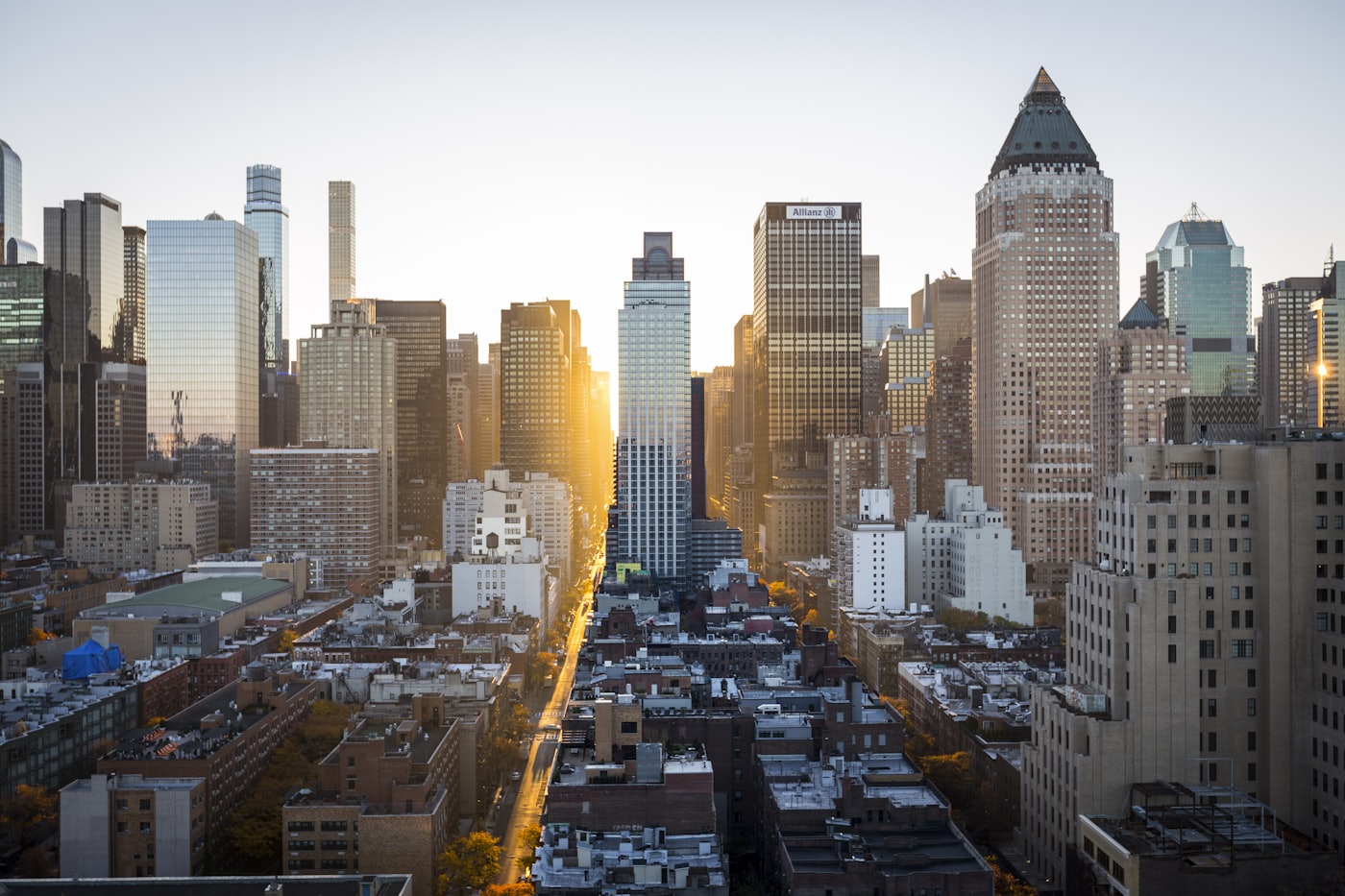
Markets and cities
A property is a local object attached to a labour market, a legal system and a set of daily habits. Start there.
Brief8 September 20262 min read

Global economy and macro
A street does not get expensive by itself. Work, credit and infrastructure arrive first, or they don’t.
Brief21 August 20262 min read
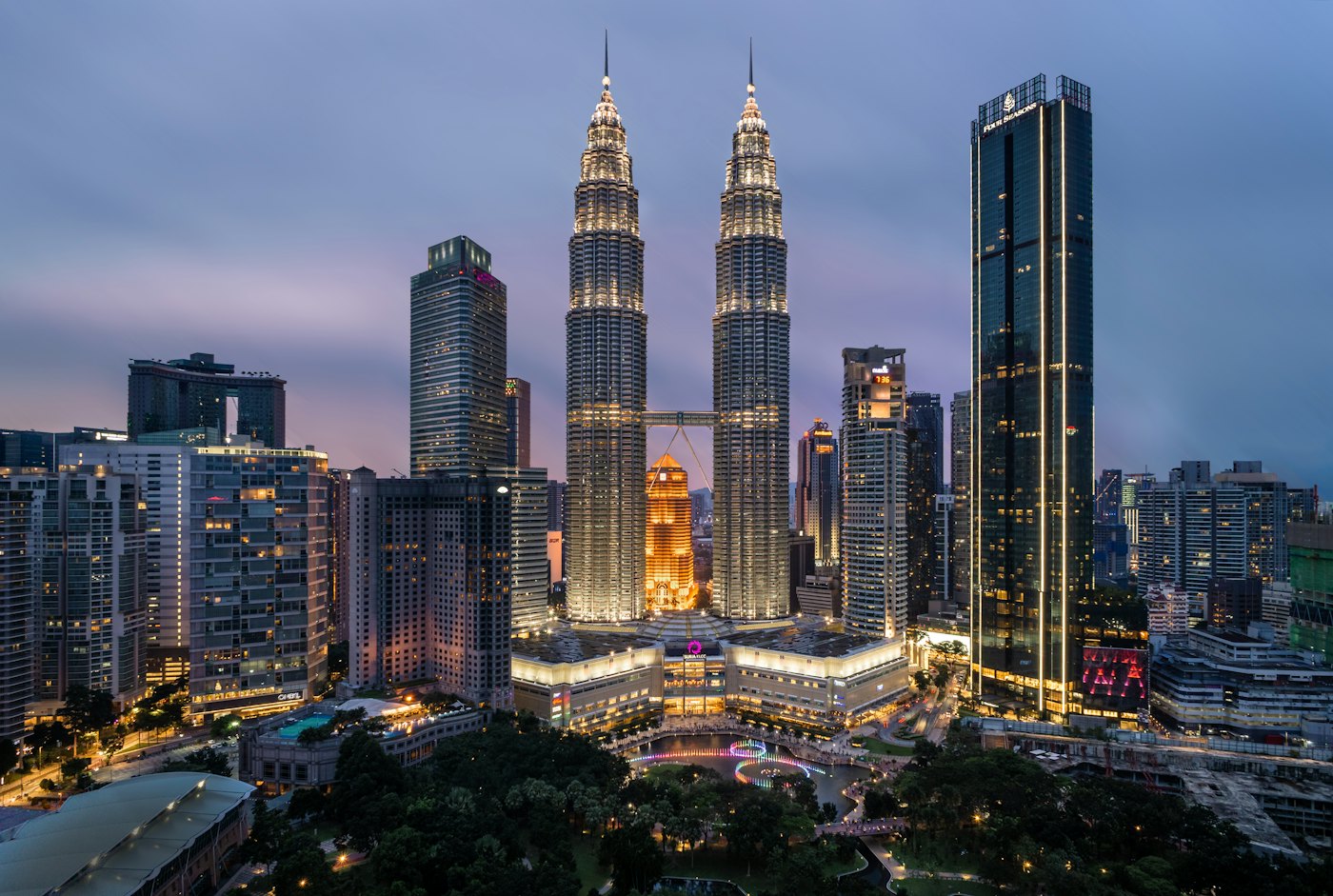
Startup investing
Startups, headquarters and industrial parks do not just need offices. They rearrange housing, hospitality and the next street.
Brief19 July 20262 min read
Across GRIP
The same place, read from another desk.
Also in Philippines
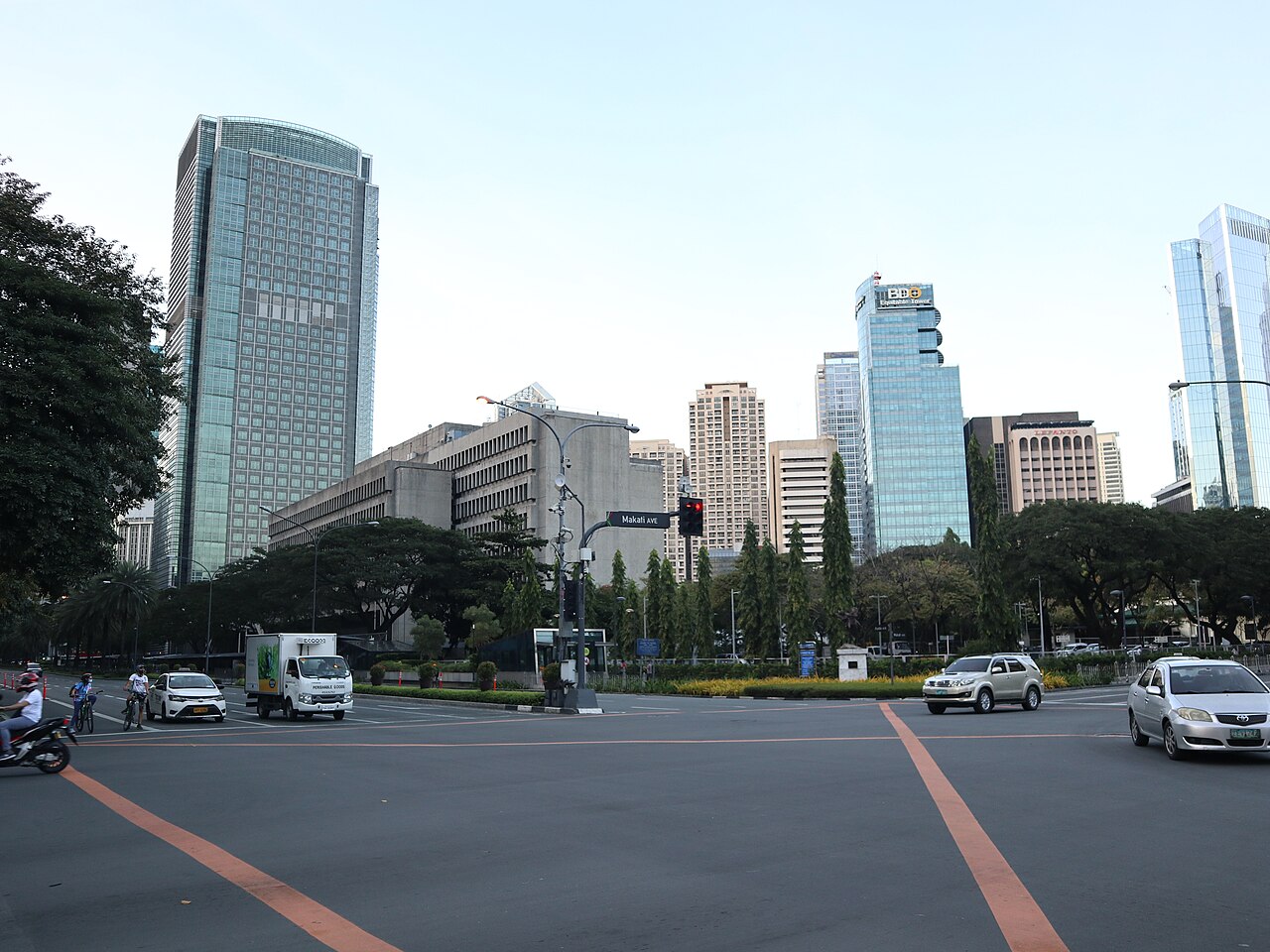
Established business district
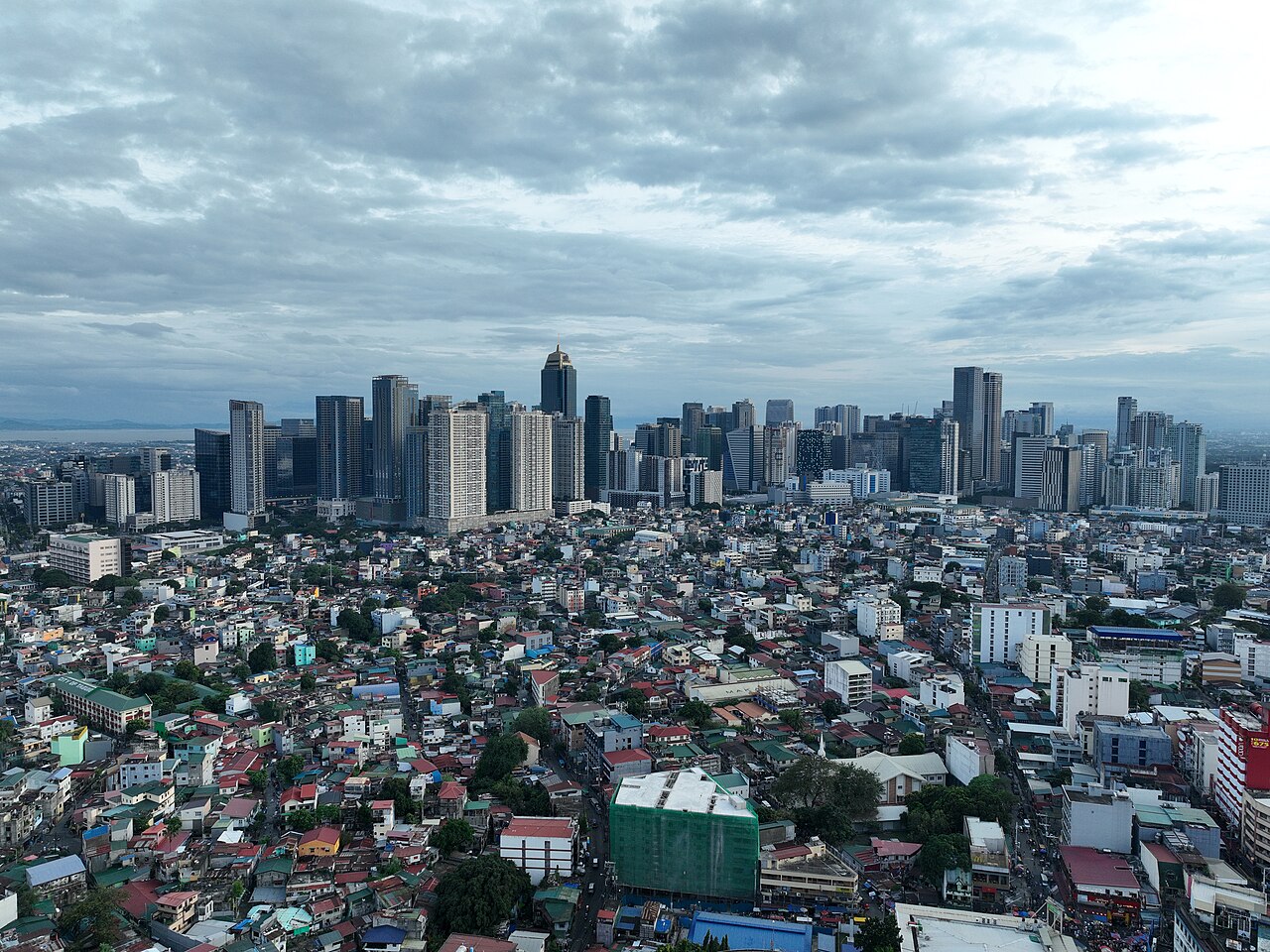
The older corporate centre: offices, hotels and a residential grid that was built around them.
Planned business district
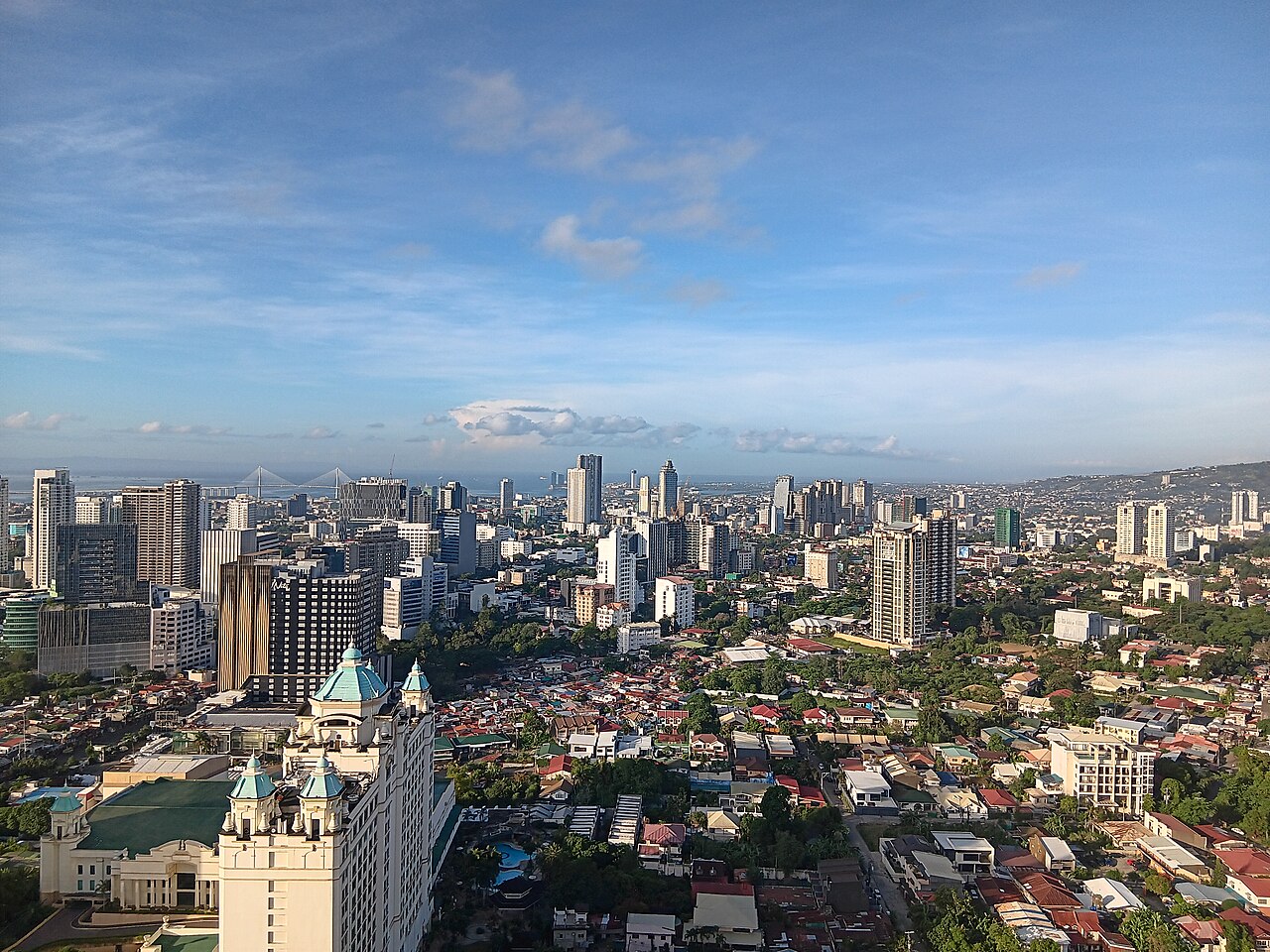
A masterplanned estate in Taguig. The towers are the district. The streets around them are other cities.
Visayas centre
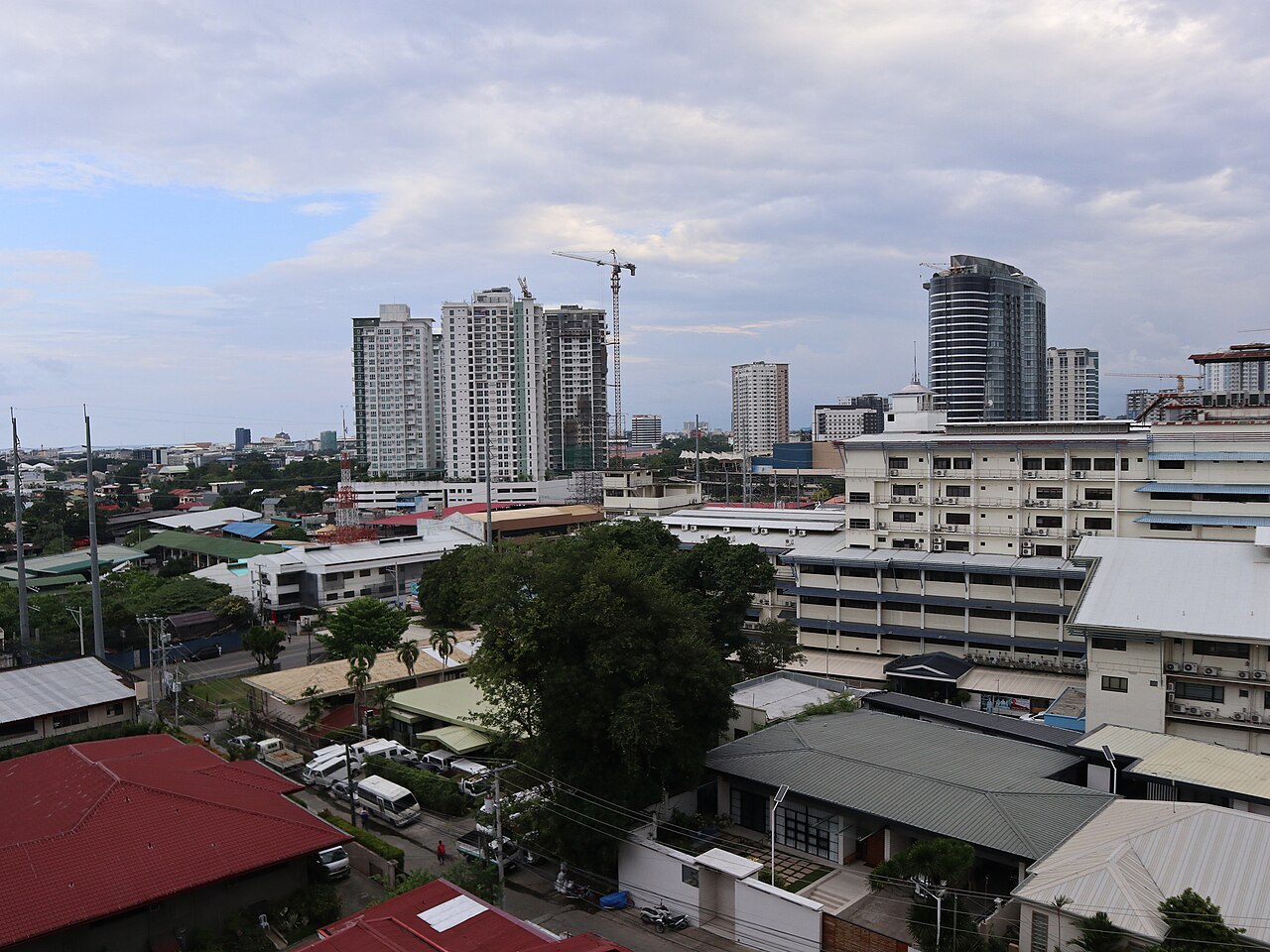
A metropolitan area split across cities, a strait, and a bridge that is not the whole commute.
Mindanao centre
The main city of Mindanao: a regional capital with its own trade, services and government.
Continue with GRIP
If this city belongs on the list, write to GRIP, or return to the country brief.