GRIP LibraryStartup investing
Where firms cluster, space gets interesting
Startups, headquarters and industrial parks do not just need offices. They rearrange housing, hospitality and the next street.
GRIP EditorialBrief19 July 20262 min read
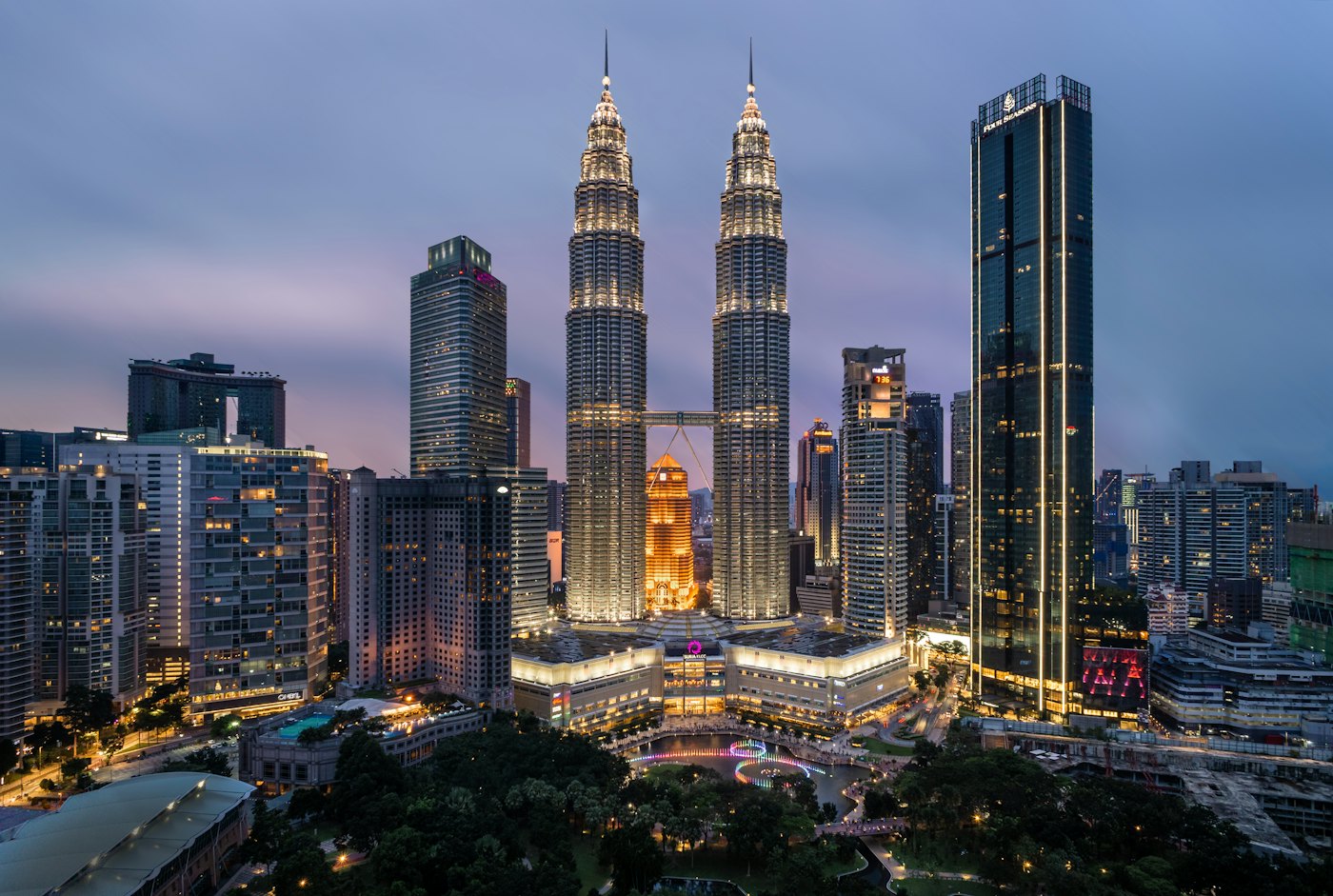
A city that is easy to start or base a firm in will pull a particular kind of resident: younger, more mobile, more likely to rent first. Housing near that cluster follows those people. It does not follow the sector label.
Logistics parks, hospitals, universities and government precincts do the same job with different people. The GRIP question is not ‘is this a startup hub?’ It is ‘what kind of occupier does this economy produce, and what do they need to live next to?’
Space as a lagging indicator
Offices and apartments follow firms with a delay. Sometimes the delay is years. Buying the housing because a campus was announced is a bet on delivery, hiring and the bus route. Some of those bets work. They are still bets.
For entrepreneurs reading GRIP the other way around (choosing a city in which to build a firm) the property market is a cost of living and a signal. Expensive can mean scarce talent. Cheap can mean thin demand. Neither is a verdict. Both belong on the same page as tax and customers.
Markets in this briefing