China
Beijing
The political and research capital. Regulatory risk is local because the rules are written here.
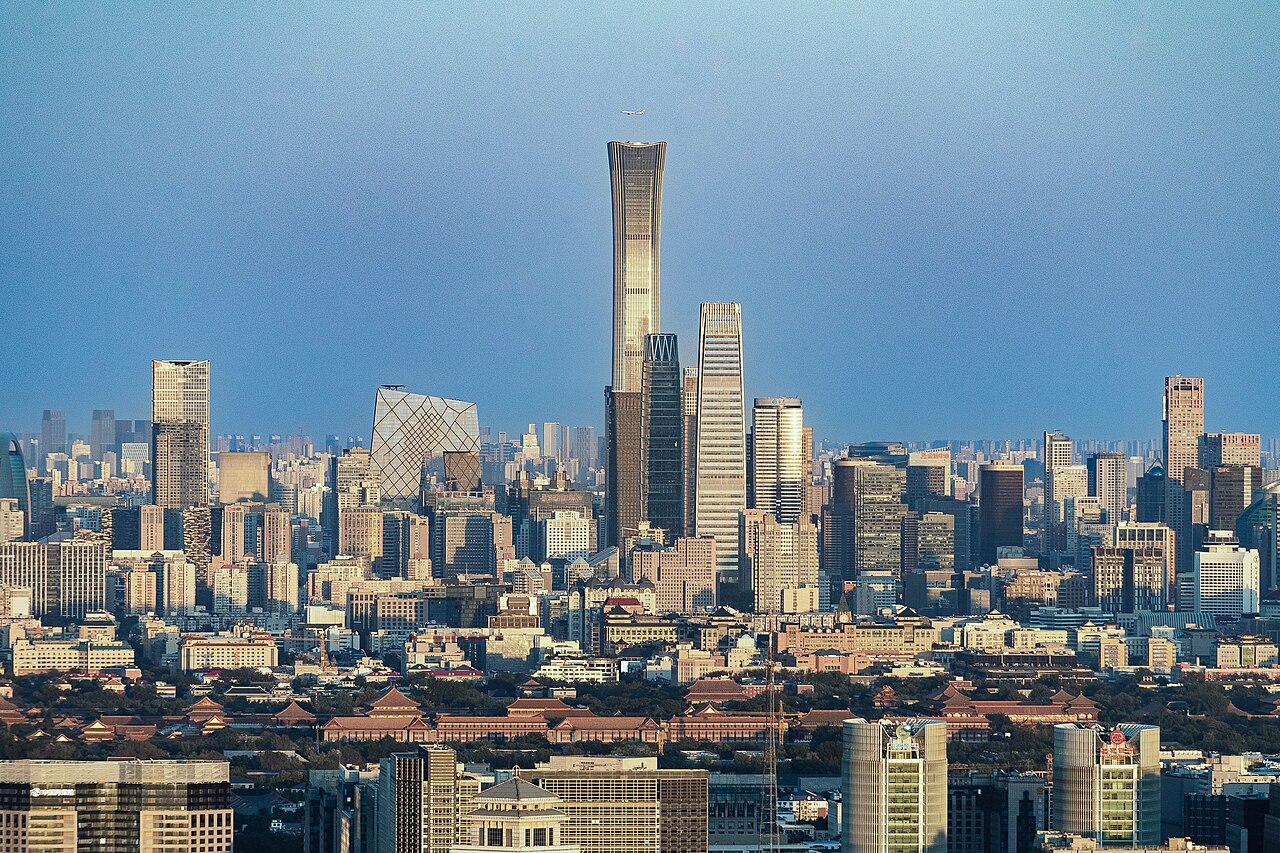
Startup EcosystemsChinaBeijing
Rules, universities, headquarters
Role
Beijing concentrates ministries, the Chinese Academy of Sciences, Tsinghua, Peking University, and the headquarters of firms that have to be near the state. Zhongguancun is the district most often named as the technology area. The name is an administrative and real-estate fact. It is not a guarantee of a company’s quality.
A founder who needs a licence, a standard, or a decision about data will end up dealing with institutions in this city even if the engineers sit in Shenzhen or Hangzhou.
What is distinct
Content, education, and data-heavy consumer products carry more political attention here than a factory-tooling firm in Guangdong. The foreign-investment negative list is national. The intensity of supervision is not evenly felt.
The city’s research base is the reason deep-technology claims are more plausible here than in a pure sales office. Plausible is not the same as incorporated, licensed, or allowed to export.
Also in China
Across GRIP
Elsewhere in the research
The same place, read from another desk.
- Startup EcosystemsCities in this systemThe country file lists the cities in the order they are discussed.
- Real EstateHow a building is readUse, tenure and the building itself.
- EconomyEconomy deskCountry notes where they exist. No forecast is attached.
- InfrastructureInfrastructure deskA physical system plus a way of charging for it. Announced projects are not operating assets.
- Startup EcosystemsChina startup ecosystemCompany formation, capital, and scale. Property is a separate file.
- RelocationRelocation deskThe right to remain and the right to own are not the same permission.
Continue with GRIP
Read the country rulebook next.
A city can hire. It cannot invent a different companies act, a different sanctions regime, or a different exchange control.