Who typically looks here
Households with a job or a course in the city-region, and readers who have been offered Manchester as a smaller London.

MarketsUnited KingdomManchester
Manchester is a diversified urban economy inside a city-region. A flat in the centre, a house in Trafford and a campus at Salford Quays do not share a council or a tenant.
Greater Manchester Combined Authority is the city-region body. It does not issue a housing licence or decide an ordinary planning application. Those stay with the council on the street. Manchester, Salford and Trafford are different authorities, which is why a flat at Salford Quays and a house in Trafford can share a tram and still sit under different rules.
The United Kingdom page holds the split between English, Scottish and Welsh tax. This page stays inside Greater Manchester.
Households with a job or a course in the city-region, and readers who have been offered Manchester as a smaller London.
Which council the building sits in, whether it is a flat or a house, and which line actually runs.
One city-region, several housing markets. The tram does not cover all of them.
Each section carries the date it was last reviewed and the documents it was read against.
The labour market is professional services, media, universities and the airport, spread across more than one borough. The University of Manchester, Manchester Metropolitan and the University of Salford sit in different places, and the letting streets follow them.
MediaCity, the production campus at Salford Quays, is in Salford. The planning authority is Salford’s, even when the firms are described as Manchester media. Manchester Airport sits in the south of the conurbation. Manchester Airports Group states that the ten Greater Manchester councils are shareholders, together with an infrastructure fund. The airport is a workplace and a landholding. A house near the runway and a city-centre flat are different holdings.
Apartments dominate the core and the Quays. Houses dominate Trafford, Stockport, south Manchester and the boroughs further out. A one-bedroom flat beside an office and a family house near a school are different assets, with different service charges and different buyers.
The English private tenancy is the letting statute. The House of Commons Library records that the Renters’ Rights Act 2025 received Royal Assent on 27 October 2025, and that from 1 May 2026 assured shorthold tenancies in the private rented sector became periodic assured tenancies, with possession through grounds rather than a section 21 notice. Scotland and Wales use different statutes. A licence under the Housing Act 2004 is still a council decision, so a house that needs one here may not need the same licence in the next city.
Most houses are freehold. Flats are usually leasehold, and in the North West the official leasehold-dwellings release finds leasehold houses as well, a pattern much less common in London. The term and the repairing duty are in that lease. A block of at least 18 metres or seven storeys, with at least two homes, can meet the Building Safety Act occupation test. A terrace does not.
Stamp Duty Land Tax applies in England. Where the purchase is a higher-rates transaction, HMRC’s manual, updated on 1 September 2026, states that the higher rates are 5 percentage points above the standard residential rates for an effective date on or after 31 October 2024. The bands themselves stay on the rates page. The English Housing Survey for 2024 to 2025 puts owner occupation at 65 percent of households in England, private renting at 19 percent and social renting at 16 percent. Those are national shares. They are not this city’s rent.
Demand in the centre leans on young workers and on the universities. Demand in the suburbs leans on households who already work in the city. Student streets empty in the summer. A professional tenancy does not. Purpose-built student buildings are an operating asset. A house let to undergraduates is a house in multiple occupation where that council requires a licence.
A weekend let is a side use. It is not the occupier this page is written around. The short-stay brief covers that product.
Metrolink, mapped by Transport for Greater Manchester, is the operating tram. It changes which inner districts are a simple trip to the centre. It does not cover the whole city-region.
Local buses were brought into the Bee Network under franchising. The combined authority records the last phase joining on 5 January 2025. A better bus changes a bus journey. It does not add a tram stop. Only a journey on the current map belongs in a holding.
Related GRIP research
These are GRIP briefs, not city reports. They sit next to a Manchester reading.

Real estate research
Freehold, leasehold, strata, quota, company. The words are dull. They are also the asset.
Brief3 September 20262 min read

Startup investing
Startups, headquarters and industrial parks do not just need offices. They rearrange housing, hospitality and the next street.
Brief19 July 20262 min read

Investment basics
A long hold is a design: cash, condition, and a reason to still want the asset later.
Brief29 June 20262 min read
Across GRIP
The same place, on a related page.
Also in United Kingdom
Capital
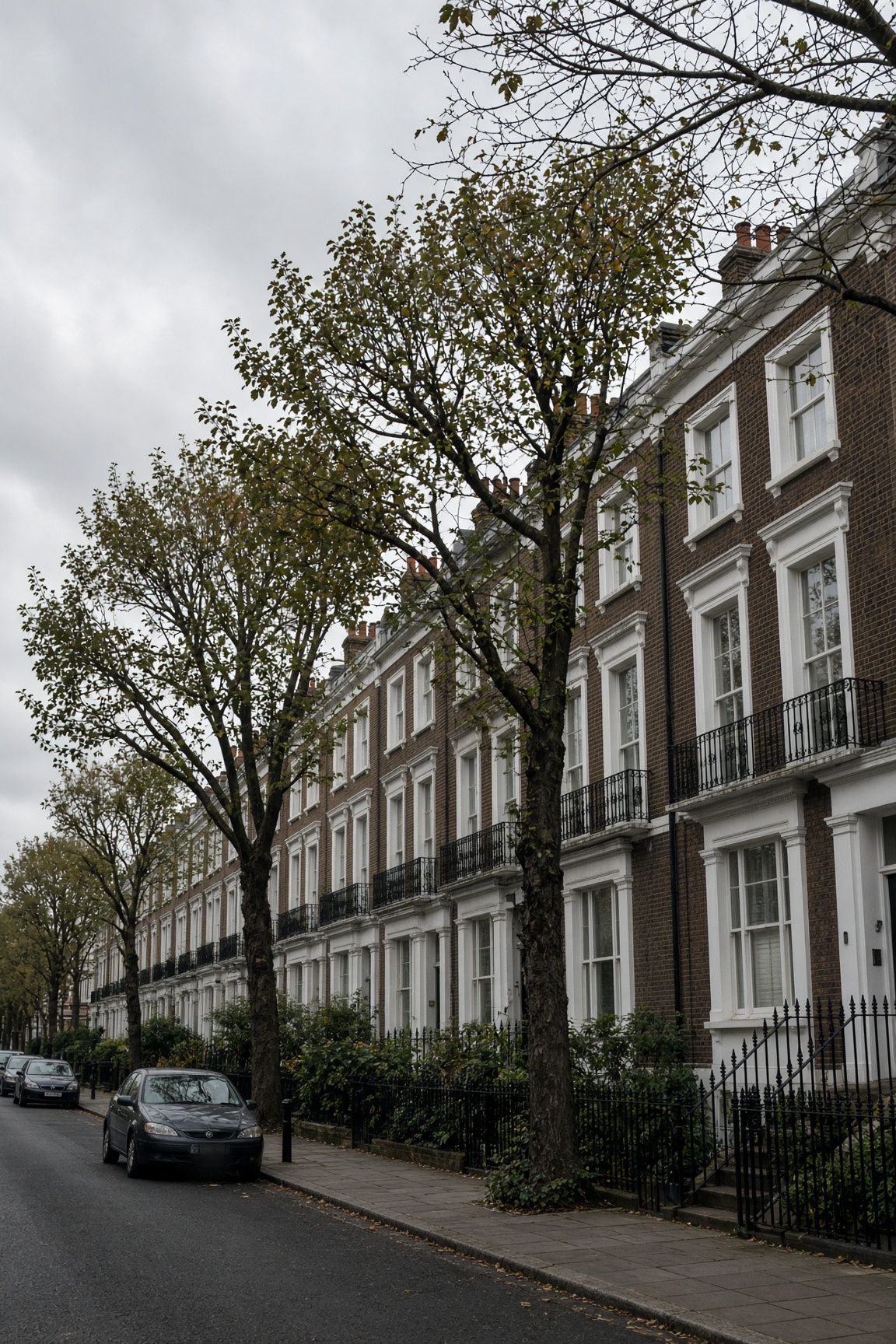
Several housing markets inside one city: a central label, the boroughs, and the jobs that actually pay the rent.
Port city
Six councils, an urban railway, and a waterfront that is not the terrace behind it.

Regional commercial city
Legal and financial services, two universities, and a station that is open. A tram is not.

North East centre
Two universities, an operating Metro, and a local flat that looks like a house.

West Midlands centre
A city council inside a seven-council authority, with a railway still under construction.

Five cities
Manchester, Liverpool, Leeds, Newcastle and Sheffield, each with its own employers.
A short-stay holding
What a short-stay building has to earn, survive and obey. Not where to take a holiday.
Continue with GRIP
If this city belongs on the list, write to GRIP, or return to the country brief.