Who typically looks here
Egyptian households, people posted to the capital, and buyers who need the city for work rather than for a holiday.
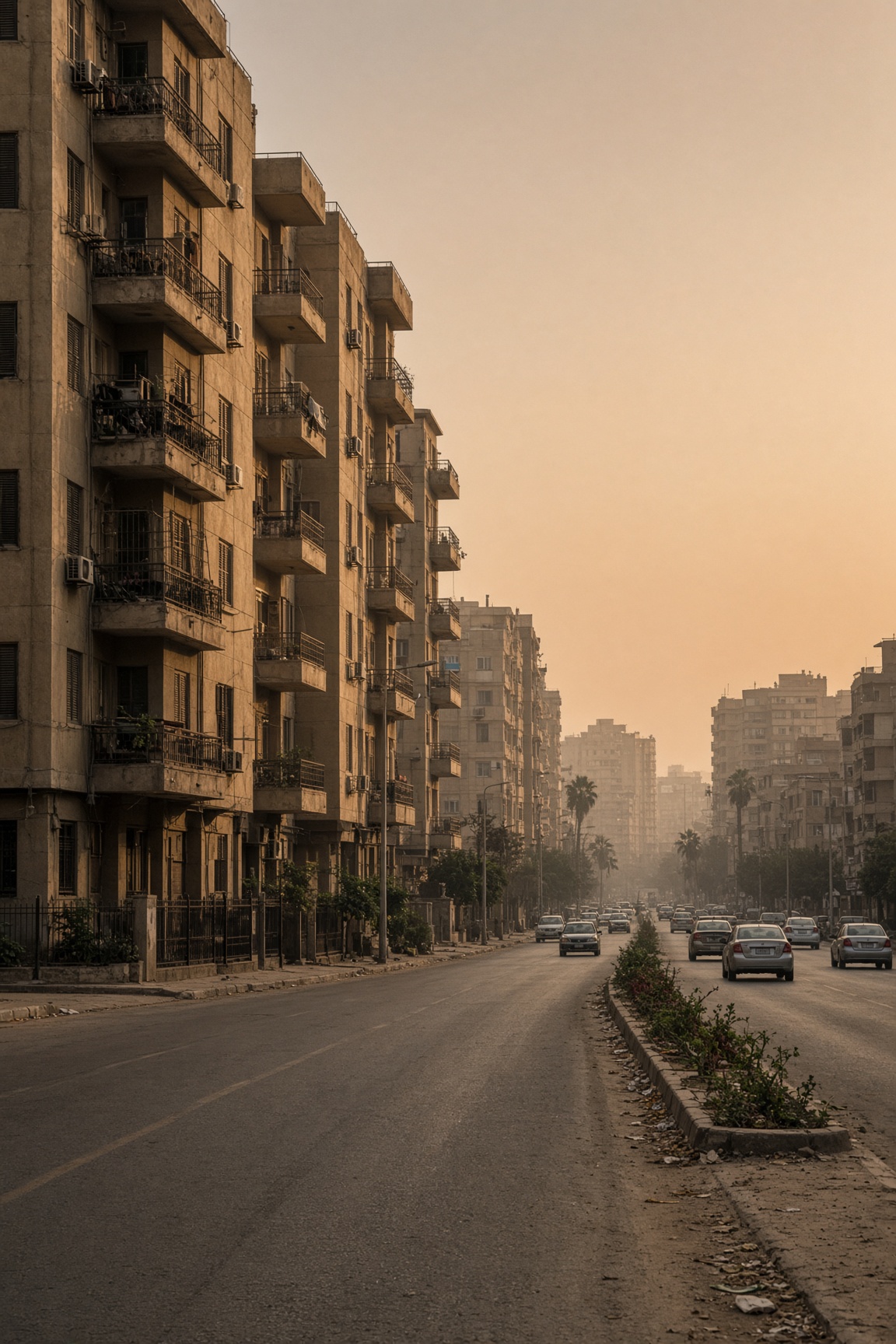
Greater Cairo is the capital region: Cairo governorate, Giza, and Qalyubia, plus the new cities on the desert edge. People cross those lines to work. Permits and titles do not.
The formal apartment market is what a foreign buyer is usually shown. A large part of the city’s housing was built outside that system. Both are Cairo. The informal stock is easy to miss on a compound tour.
Egyptian households, people posted to the capital, and buyers who need the city for work rather than for a holiday.
Which governorate the title sits in, whether the contract is registered, and whether the tenancy is under the Civil Code or an older controlled rent.
A working capital first. New Cairo and the administrative capital are other pages.
Government, banks, universities, and the offices of firms that sell to the rest of the country are concentrated here. Industry and the port functions sit more in the wider region and in other cities. Housing demand follows payrolls, and the schools and hospitals that come with them.
Giza is not a suburb in the casual sense. It is a governorate with its own dense districts, including Dokki and Mohandessin, tied to the same labour market. Treating ‘Cairo’ as the east bank only drops half the city.
The historic centre is walkable, dense, and full of buildings from several eras. Many of the apartments a household actually rents are in mid-rise blocks, not in towers. Compound housing is the exception inside the old city and the rule on the desert edge.
Informal areas are a housing system: incremental building, services that arrive late, and a resale market that looks different from a registered compound. They matter to how the city works. They are a different market from the compound.
Downtown and Garden City are the old commercial and diplomatic core. Zamalek is an island of older residential blocks. Heliopolis, to the northeast, is a planned twentieth-century district with its own centre. Mohandessin and Dokki, in Giza, are professional neighbourhoods tied to the university and to private clinics.
Each of those has a street life the new cities do not copy. Each also has traffic, ageing buildings, and a mix of old and new rental contracts. The district name on a listing is the start of the reading, not the end.
The metro is the piece of infrastructure that changes which neighbourhoods are usable without a car. It does not reach everywhere, and it does not cancel the river bridges at peak hour. Elevated roads move some trips and create their own edges.
The airport sits to the northeast. The desert highways leave from the edges toward Suez, Ain Sokhna, and Alexandria. For a household that stays in the centre, those roads are occasional. For a household that lives in a new city and works downtown, they are the week.
Rental demand in the established districts is local and in pounds: families, students, and people who work nearby. Furnished apartments for foreigners and short postings exist and are a small part of the stock.
A building can contain a controlled old tenancy and a new Civil Code lease on different floors. The facade will not say which. The Egypt page separates Law No. 4 of 1996 from the older rent laws. Apply that here before assuming a vacant flat sets the rent for the block.
The draw is the river, the museums, the food, and a city that does not close when the tourists leave. Density, noise, heat, and air quality are the counterweight. Neighbourhood choice matters more than the word Cairo.
International schools and private hospitals are real and unevenly placed. A posting that depends on one of them should start from that address, not from a view of the Nile.
The business city is the place where a licence meets a customer. Banks and professional firms still keep a central presence even when some of their staff sit in New Cairo. A company that needs a ministry will spend time here regardless of where the housing is.
Forming the company is a General Authority for Investment matter when the project is an investment project. Renting an office is a lease. They are not the same appointment.
Law No. 230 of 1996 applies in the capital as it does elsewhere outside the special zones. The conditions on number, area, and purpose, and the exclusion of antiquities, are on the Egypt page and in the statute. Downtown includes buildings and objects the antiquities law actually covers. A pretty facade can be a constraint.
Foreign buyers are a thin share of Cairo’s housing demand. The market does not clear because of them. That is a reason the city is a real market. It is also a reason a foreign bid does not set the price.
Registration that lags the contract, old tenancies, buildings that have not been maintained, and traffic that defeats the address you chose. The pound is the rent currency. A foreign-currency budget moves with the rate the central bank publishes, which this page does not print.
The new cities on either side can pull some households out. They have not replaced the capital. A brief that skips Cairo for the newer towers is describing a project, not the country.
Across GRIP
The same place, read from another desk.
Also in Egypt
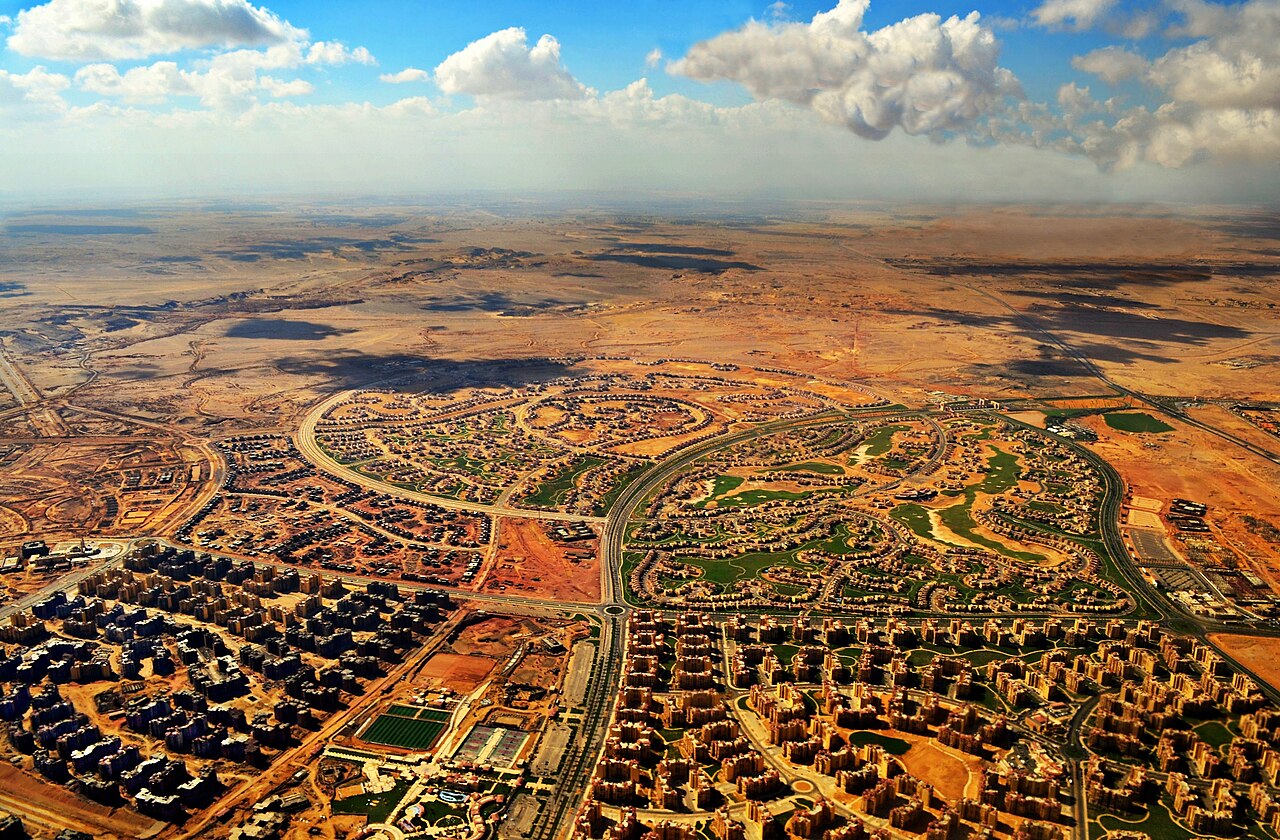
Eastern new city
A desert-edge city of compounds and campuses, east of Downtown and west of the administrative capital.
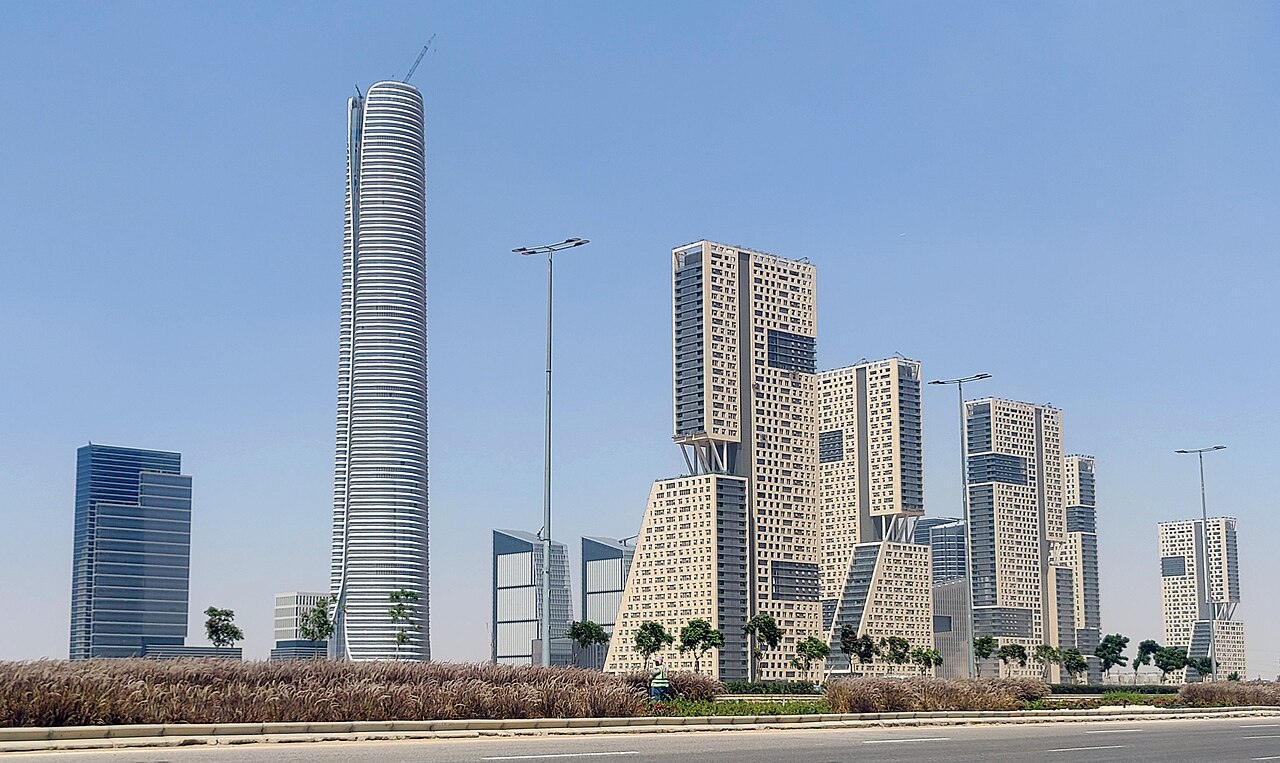
State project
A new seat of government, still becoming a city. Occupancy is the fact that matters, and it has to be seen.
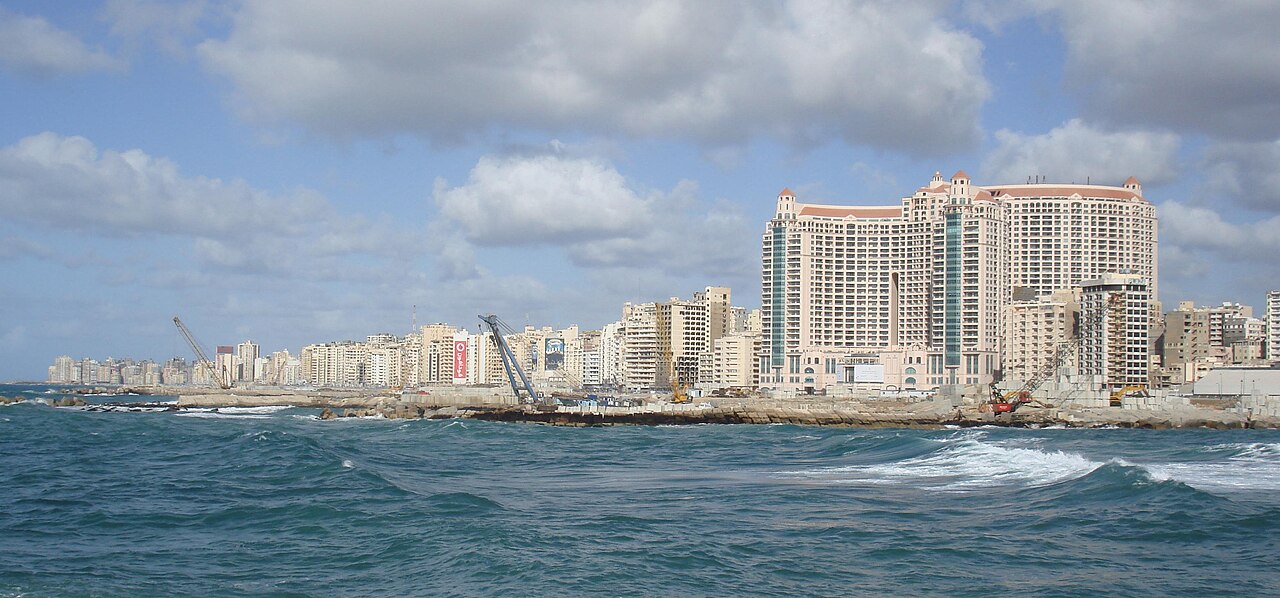
Mediterranean port
Egypt’s second city: a harbour, a university, and a Mediterranean coast with its own residents.
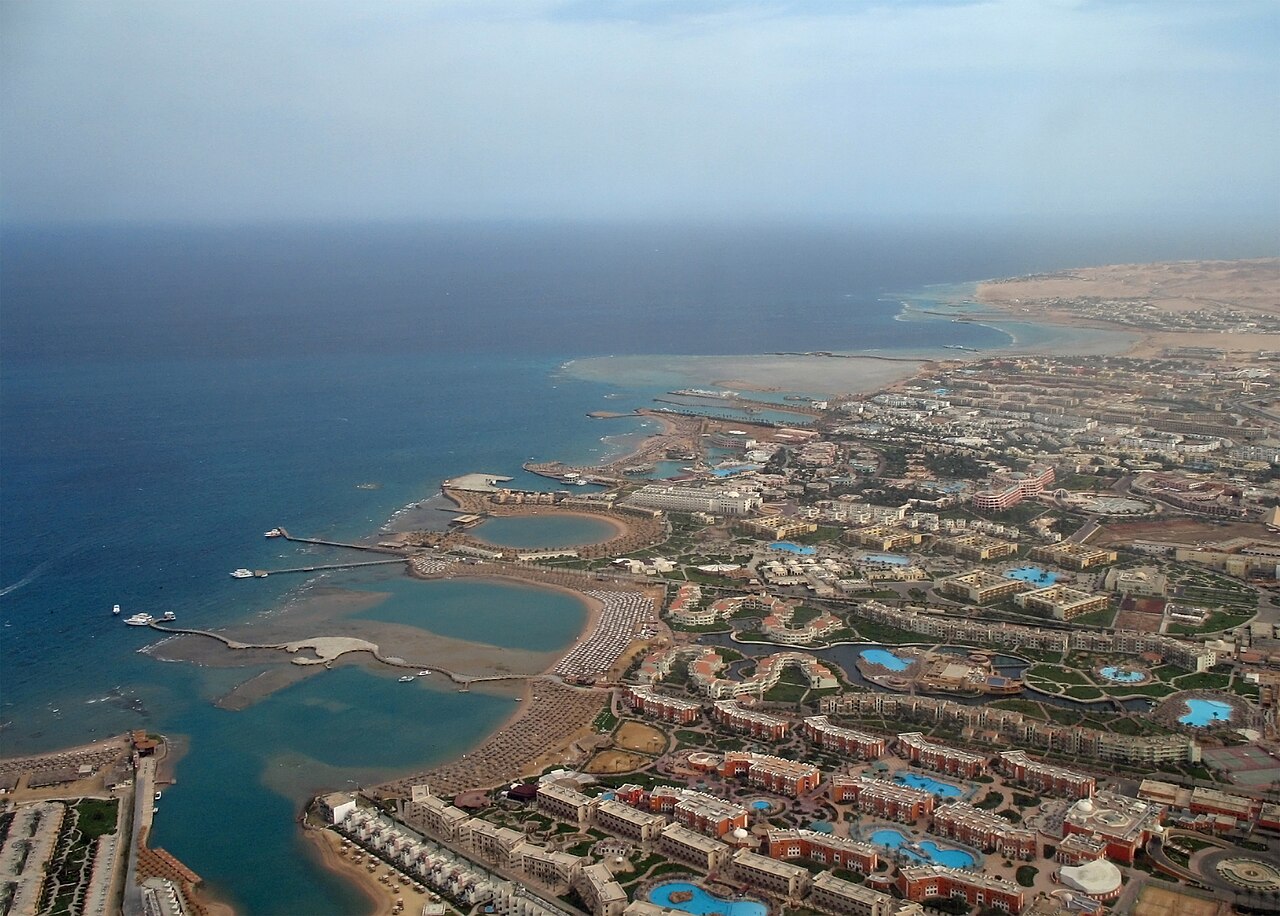
Coastal destinations
Hurghada is not Sharm El Sheikh, and neither is a Cairo flat. Tourism property, with a legal split at Sinai.
Continue with GRIP
If this city belongs on the list, write to GRIP, or return to the country brief.