Who typically looks here
Buyers responding to the government move, and developers selling into that expectation. Fewer people who already have to be at a desk there.
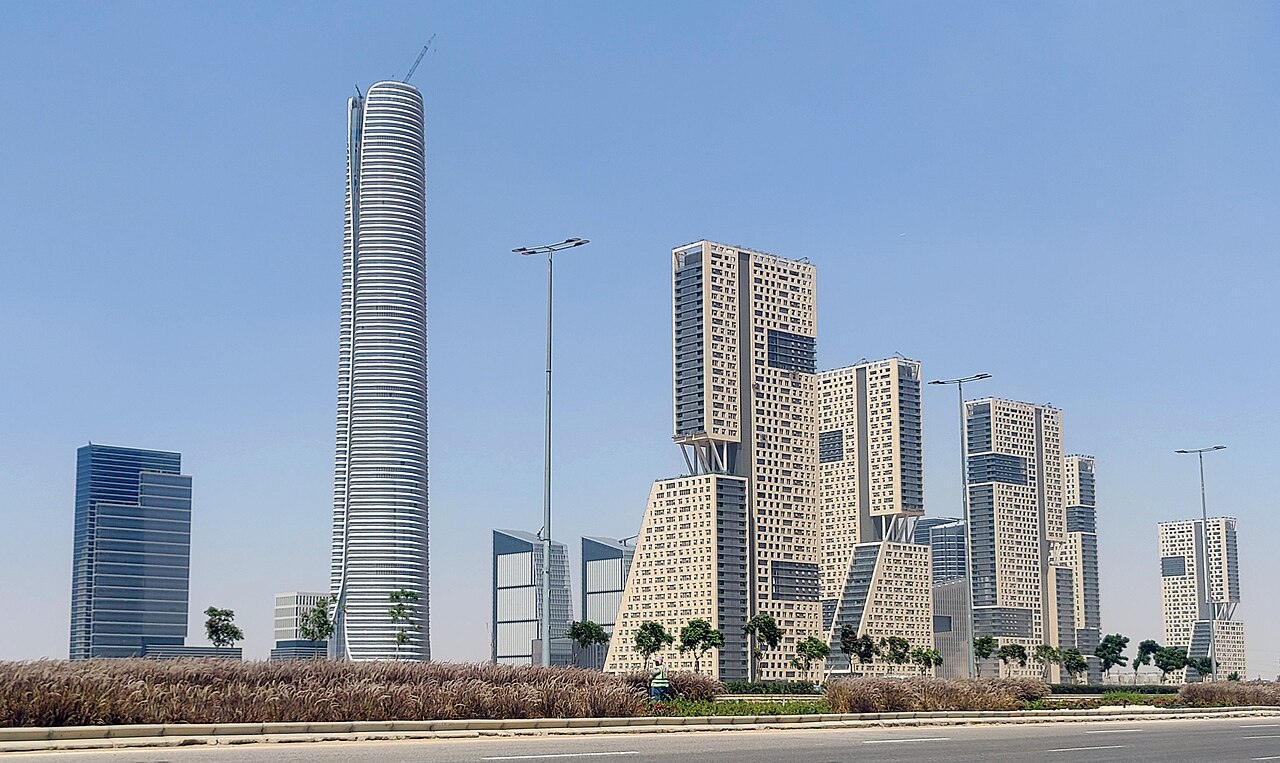
The New Administrative Capital was planned as a place to put government, and then housing, offices, and ceremonial space around it. It sits east of New Cairo, on desert land, and it is younger than that city.
Photographs of towers travel faster than residents. GRIP’s working assumption is that a district is a market when people sleep and work there on an ordinary week. This one should be checked against that test, not against the rendering.
Buyers responding to the government move, and developers selling into that expectation. Fewer people who already have to be at a desk there.
Whether the institution in question has moved, who owns the land, and what is actually finished on the street that would be used.
A national project, and a property market that is still forming beside an already occupied Cairo.
The economic role, if the plan holds, is government and the private activity that follows ministries. That is a different engine from New Cairo’s schools and households, and different again from Downtown’s existing firms. A ministry that has moved is a tenant. A ministry that has been announced is a press note.
Construction itself has been a large activity. Construction is not occupancy. When the cranes leave, the test is who remains.
The stock is new by definition: apartments and villas in planned districts, sold off-plan or in early phases, plus iconic commercial towers. There is no old building to compare them with, and no long resale history. That absence is the risk.
The photograph is the Iconic Tower under construction. It is a fair picture of the stage of the place. It is not a picture of a finished downtown.
Districts are numbered and branded rather than grown. The government quarter, the residential neighbourhoods, and the business towers are planned as separate pieces. A buyer who does not know which piece they are in does not know the city, because the city is those pieces.
New Cairo is the nearest lived-in comparison, and it is still a drive. A shared eastern direction does not make them one market.
Roads and rail projects are part of the public story of the capital. GRIP does not treat a timetable as delivered infrastructure. Ride what is open. Drive the road that exists. Ignore the minute-count on a slide.
Distance from the old capital is the structural feature. If government moves and households do not, the result is a commuter campus in the desert. If neither fully moves, the result is a construction site that photographs well and is still thinly lived in.
Rental demand follows the people who have to be there: civil servants, contractors, and the services around them. Until those people are numerous, an investor letting to ‘the capital’ is guessing. A Cairo lease has a tenant you can name. This one often has a tenant you are waiting for.
Daily life, where it has started, is the life of a new planned district: wide streets, new plants, and little of the informal city that makes Cairo usable on foot. Some households will want exactly that. It is a preference. It is not yet a culture of the place.
Businesses that sell to the government have a reason to watch which buildings the state actually occupies. Businesses that sell to Egyptian consumers still have their customers in Cairo and the other cities. A branch here is a bet on the residents arriving.
The developer side is unusually close to the state. That can mean land and infrastructure. It can also mean that the rules of the district are the rules of a public project. Read the allocation, not the advertisement.
Foreign ownership is still Law No. 230 unless a plot is under a special regime that has been read. A strategic government district is a poor place to assume a general permission. Security zones and diplomatic compounds are not residential stock.
The risk is timing. Capital has gone into buildings ahead of the city they are supposed to serve. Some of that city may arrive. The brief does not assign a date. Currency and resale liquidity are the other risks, and they are sharper where there is no established occupier to take the other side.
The opportunity, such as it is, is narrow: a government that is serious about moving will pull some employment with it. The employment is the fact. The announcement is not.
Across GRIP
The same place, read from another desk.
Also in Egypt
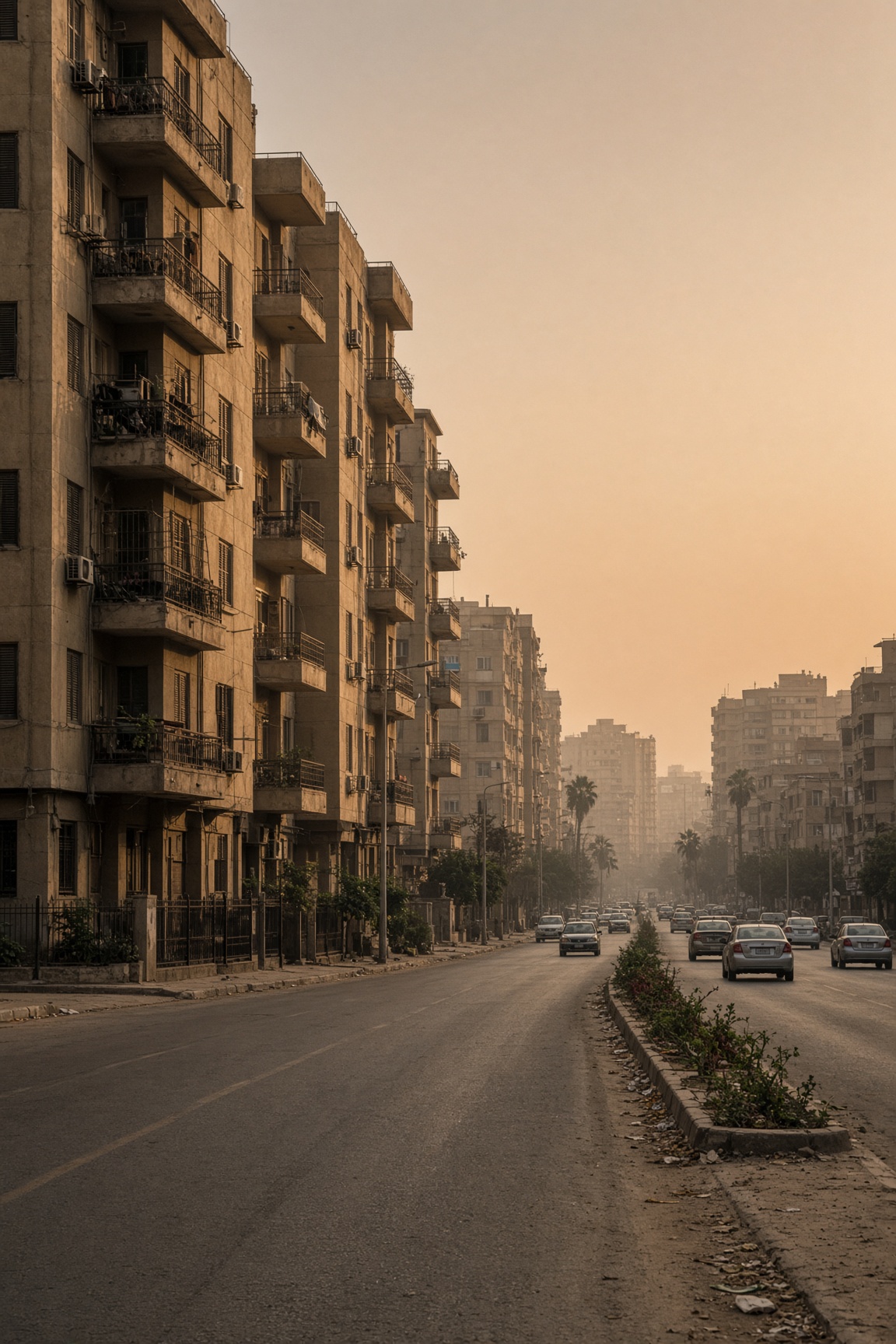
Capital
The jobs and the river. Greater Cairo crosses three governorates and then the desert cities on either side.
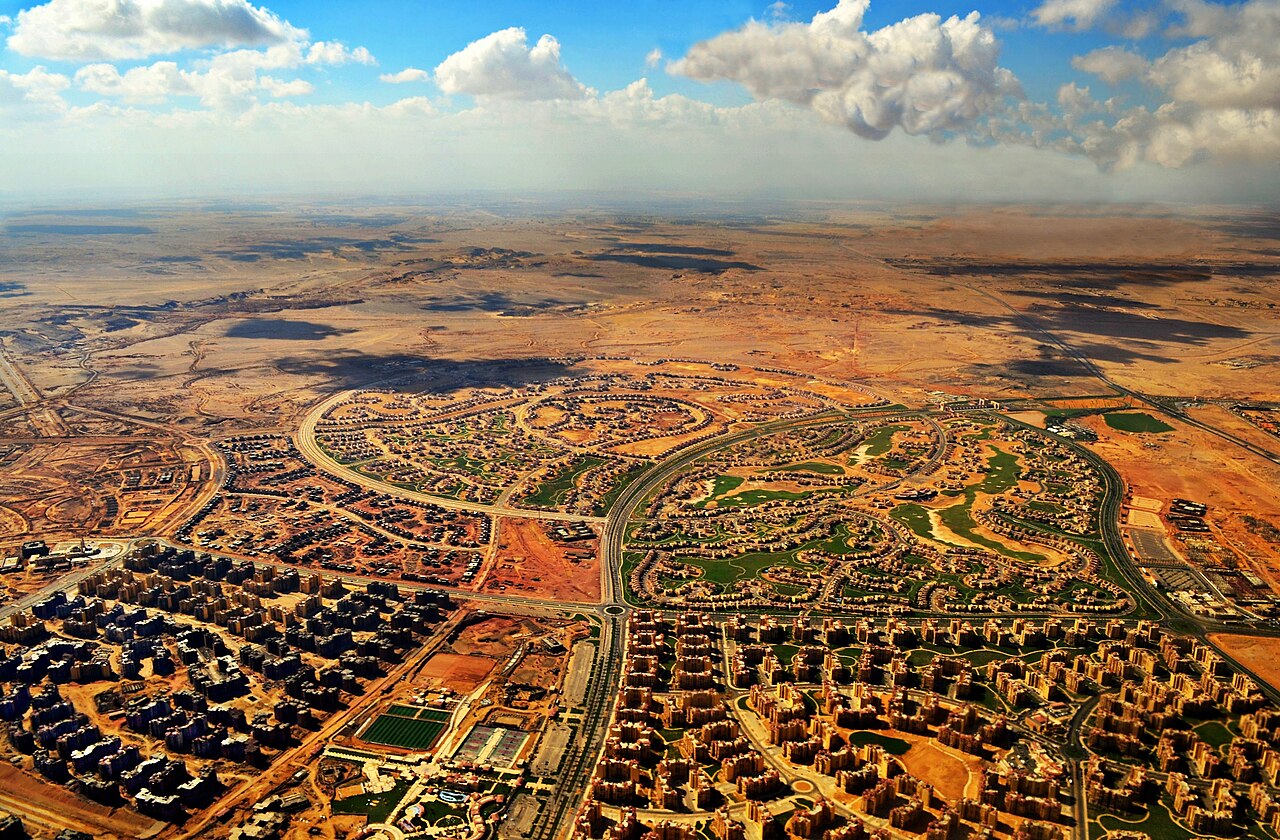
Eastern new city
A desert-edge city of compounds and campuses, east of Downtown and west of the administrative capital.
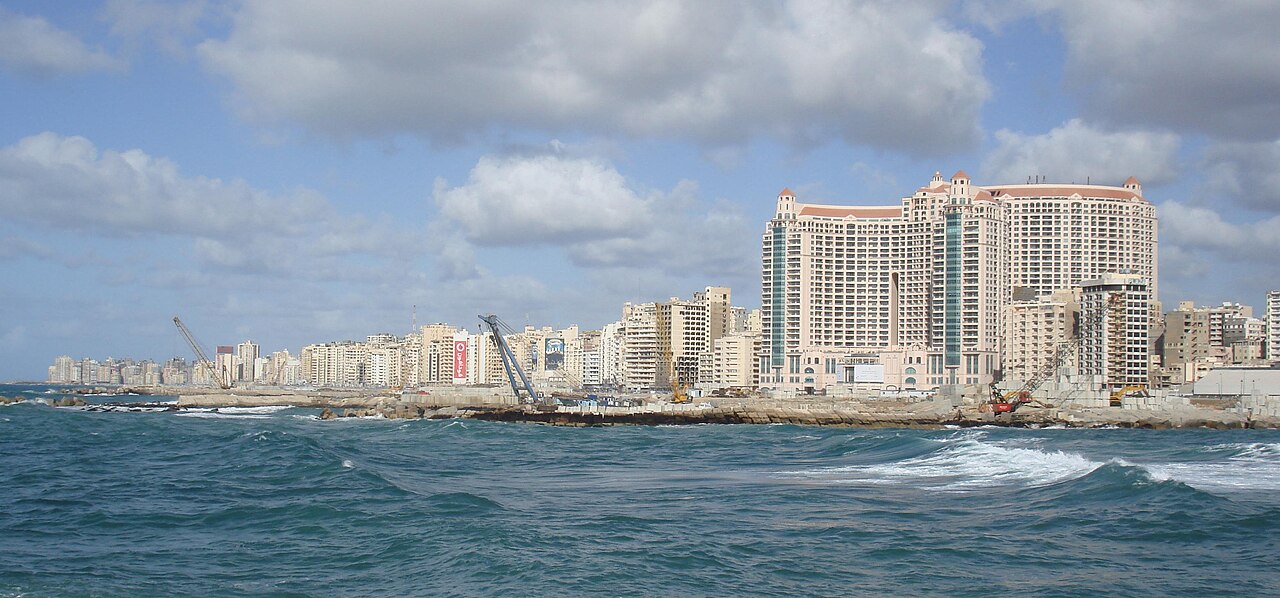
Mediterranean port
Egypt’s second city: a harbour, a university, and a Mediterranean coast with its own residents.
Coastal destinations
Hurghada is not Sharm El Sheikh, and neither is a Cairo flat. Tourism property, with a legal split at Sinai.
Continue with GRIP
If this city belongs on the list, write to GRIP, or return to the country brief.