Who typically looks here
Families who want a newer building and a school inside the compound belt, and some firms putting offices near those households.
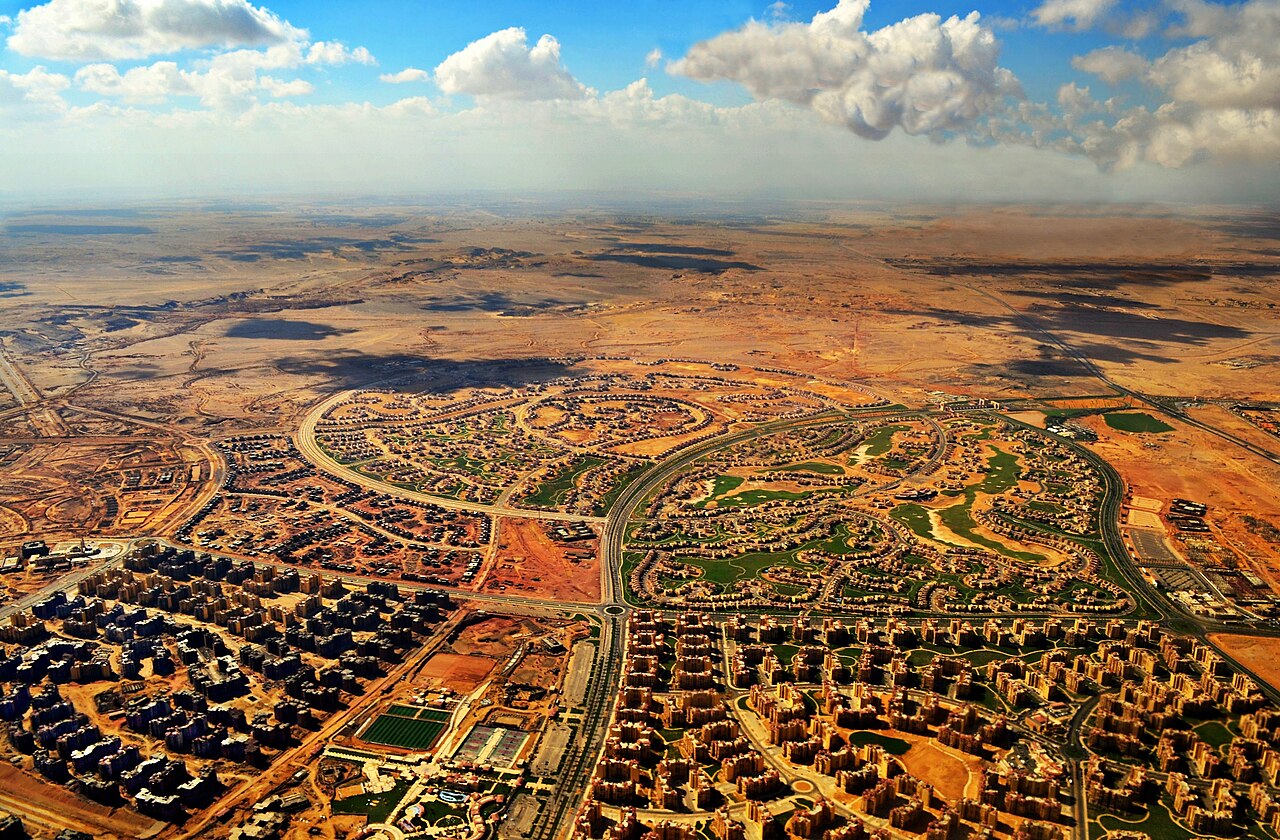
New Cairo sits on the eastern plateau, a new urban community under the housing ministry’s new-cities authority. Households, schools, and a layer of offices are already there. That is the difference from a project that is still a plan.
It is routinely confused with the New Administrative Capital, which lies further east and was started later, for a different purpose. The road connects them. The markets do not match.
Families who want a newer building and a school inside the compound belt, and some firms putting offices near those households.
Which compound, who the developer is, whether the land and the unit are registered, and how long the drive is on a weekday.
An occupied eastern city. Still a satellite of Cairo.
The economic role is residential first, then the schools, universities, clinics, and retail that a residential city accumulates. Private employers have offices here. The state bureaucracy is not why the city exists. That is the administrative capital’s brief.
The American University in Cairo’s campus is one reason a district feels established: students, staff, and the services around a university. It is not a general description of every compound on the plateau.
The product is the compound: apartments, townhouses, and villas behind a gate, sold by developers, often in phases. Finished phases and phases that are still sand can share a brand name. Visit the phase.
Service charges, shared walls, and the developer’s remaining control of the common areas are the holding reality. A villa on a wide road is not a substitute for a Zamalek apartment. The tenant, the car dependence, and the title path are all different.
Fifth Settlement is the name residents use for a large part of the occupied city. South of it, and further out, the compounds thin and the roads get newer. A listing that says only ‘New Cairo’ has not said where it is.
Shorouk and Badr are neighbouring new cities, not neighbourhoods of this one. Madinaty and other large compounds are their own estates inside the eastern story. The photograph on this page is one compound edge, not the whole plateau.
Roads are the infrastructure. Public transport is thinner than in the old city, and daily life assumes a car. The connection west into Cairo, and east toward the administrative capital and Suez, is a highway question.
Water, power, and drainage were built for the city rather than inherited. They are why building here is possible. A phase that is ahead of the network is a delivery problem, not a detail.
Tenants are largely Egyptian households and some expatriates tied to schools and companies. Leases that fall under Law No. 4 of 1996 are contractual. That is the relevant regime for most of this stock, which is new. It does not make a rent in pounds into a hard-currency yield.
Holiday letting is not the logic. People live here in term time. A vacant compound in summer is a seasonal pattern, not evidence that the city failed.
Life is indoor and gated more than it is a street. Malls, clubs, and campuses substitute for the corniche and the downtown pavement. Heat and dust are the climate. The old city’s culture is a drive away, which some households want and some will not accept.
Firms that sell to these households, and regional offices that do not need to sit next to a ministry, can work here. A business that lives on government contracting will still spend its week closer to the state, whether that is historic Cairo or, as offices actually move, the administrative capital.
Investment-law licensing is national. A New Cairo address does not confer a zone incentive by itself. Read the plot’s designation.
The same Law No. 230 frame applies. Compounds sometimes market a smoother path for foreign buyers. The statute is still the statute, including the question of whether the company selling is itself a non-Egyptian owner of the land. Ask that before the finishing schedule.
The risk specific to this city is sameness of product: many compounds aimed at a similar household, delivered over years, on a plateau that still depends on Cairo for much of its work. Oversupply is a local fact when it happens. It is not a number this page will invent.
The other risk is confusion with the administrative capital. Buying one because of a headline about the other is a map error.
Across GRIP
The same place, read from another desk.
Also in Egypt
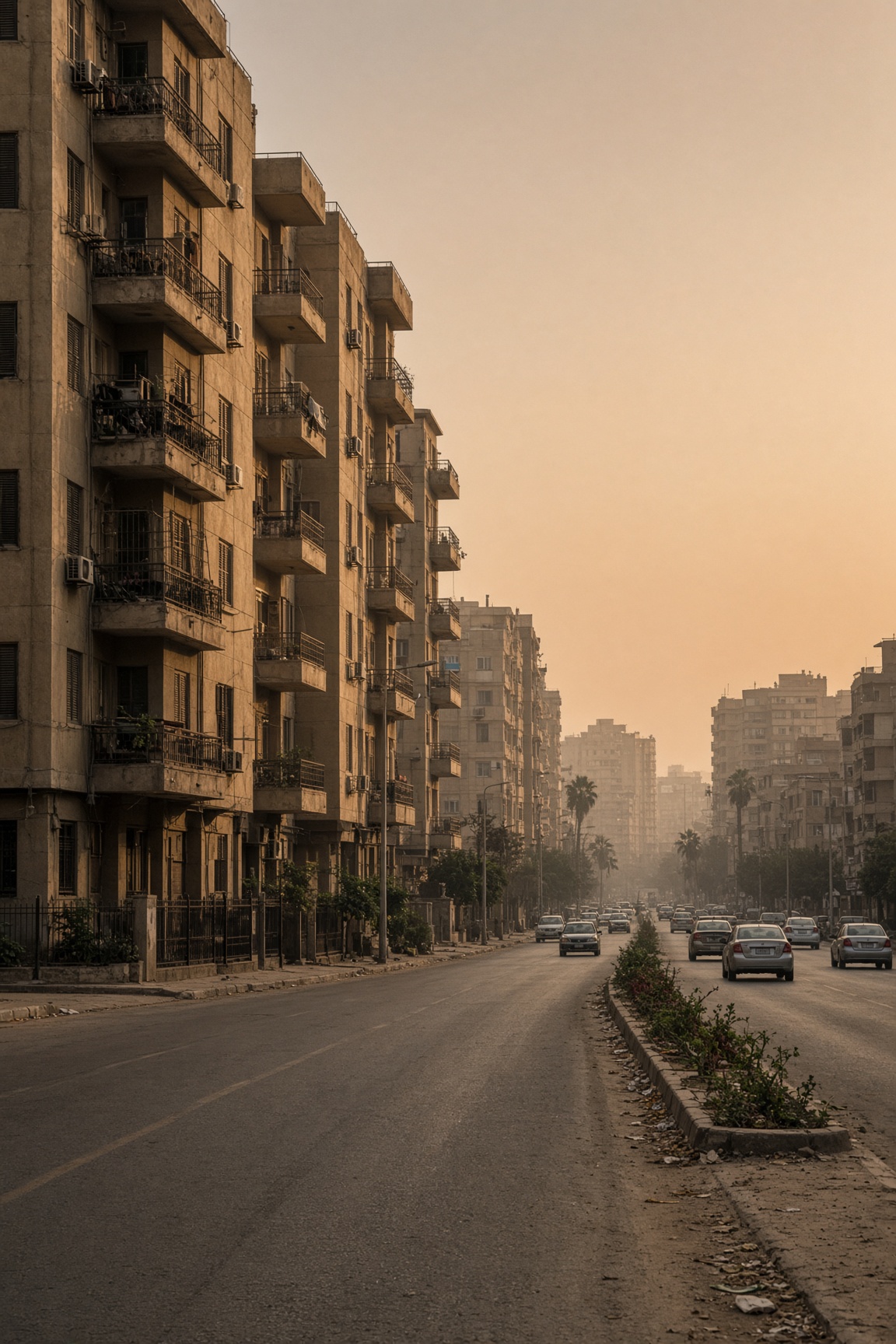
Capital
The jobs and the river. Greater Cairo crosses three governorates and then the desert cities on either side.
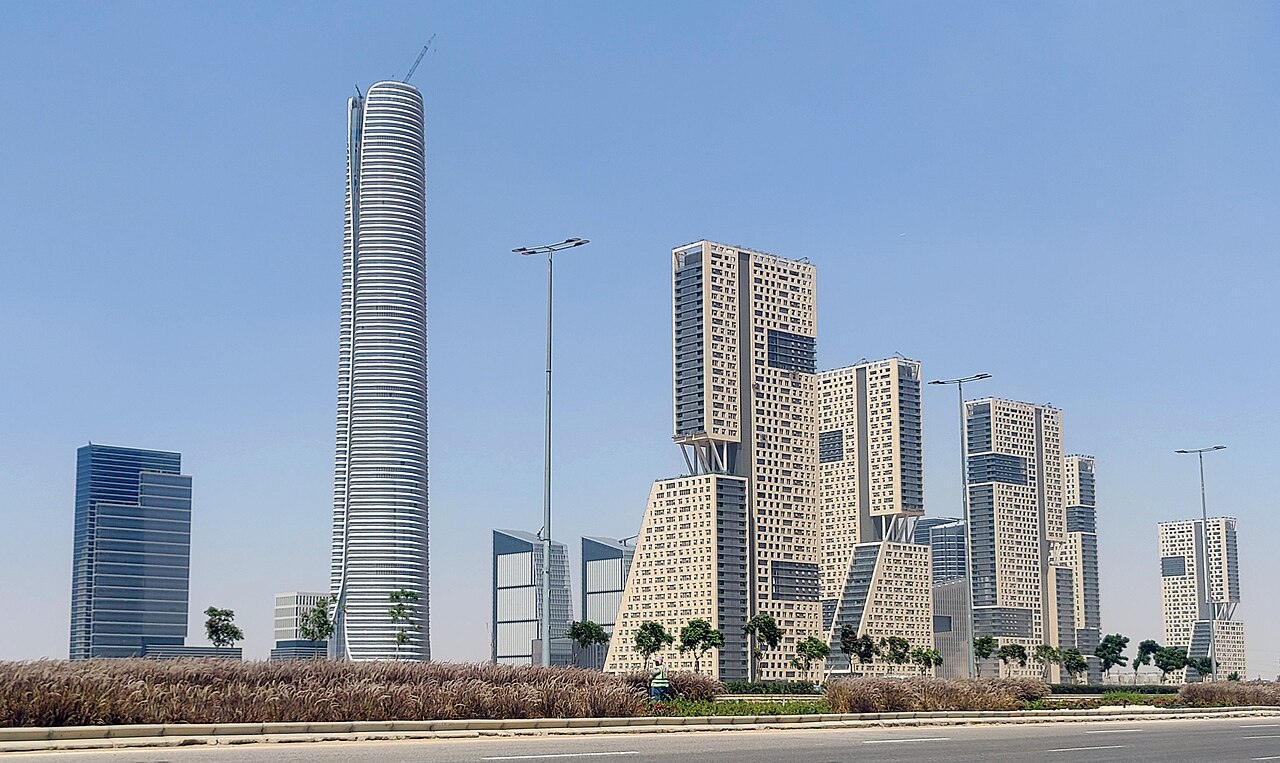
State project
A new seat of government, still becoming a city. Occupancy is the fact that matters, and it has to be seen.
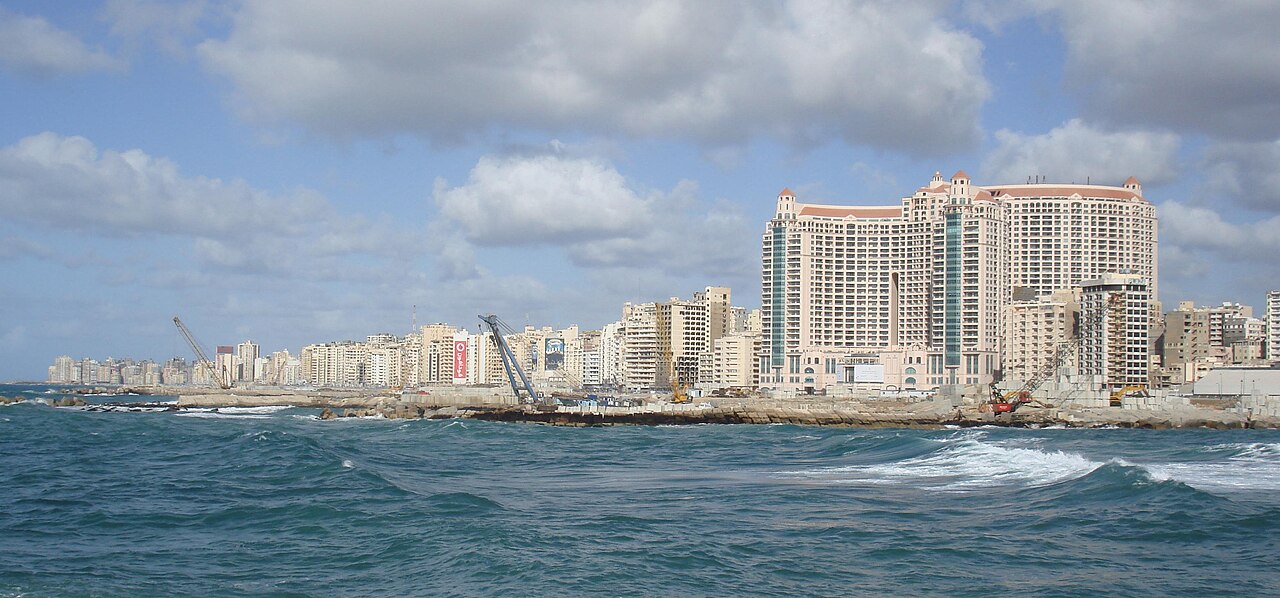
Mediterranean port
Egypt’s second city: a harbour, a university, and a Mediterranean coast with its own residents.
Coastal destinations
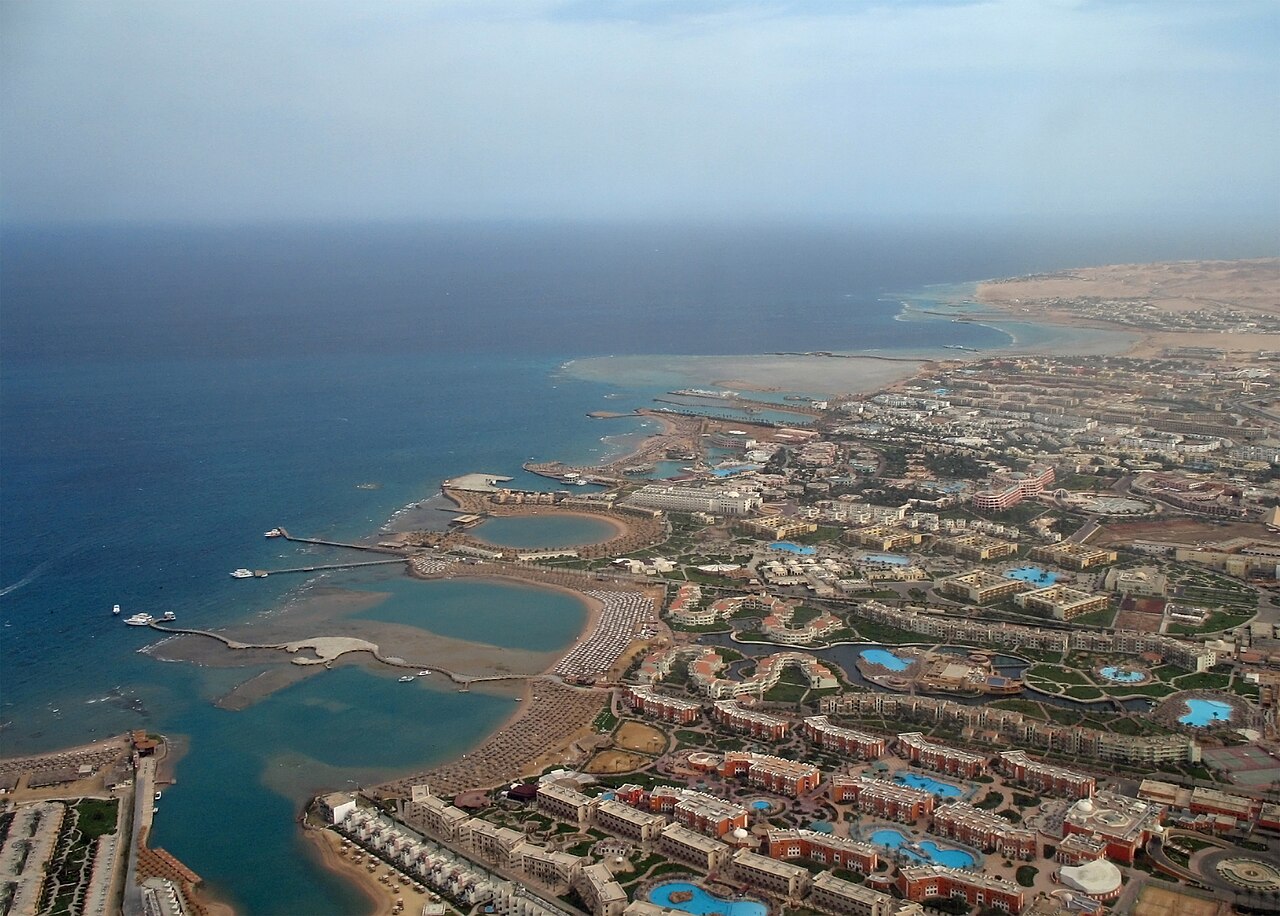
Hurghada is not Sharm El Sheikh, and neither is a Cairo flat. Tourism property, with a legal split at Sinai.
Continue with GRIP
If this city belongs on the list, write to GRIP, or return to the country brief.