Who typically looks here
Holiday users, domestic and foreign, and operators of hotels. Not households who need a weekday job in the capital.
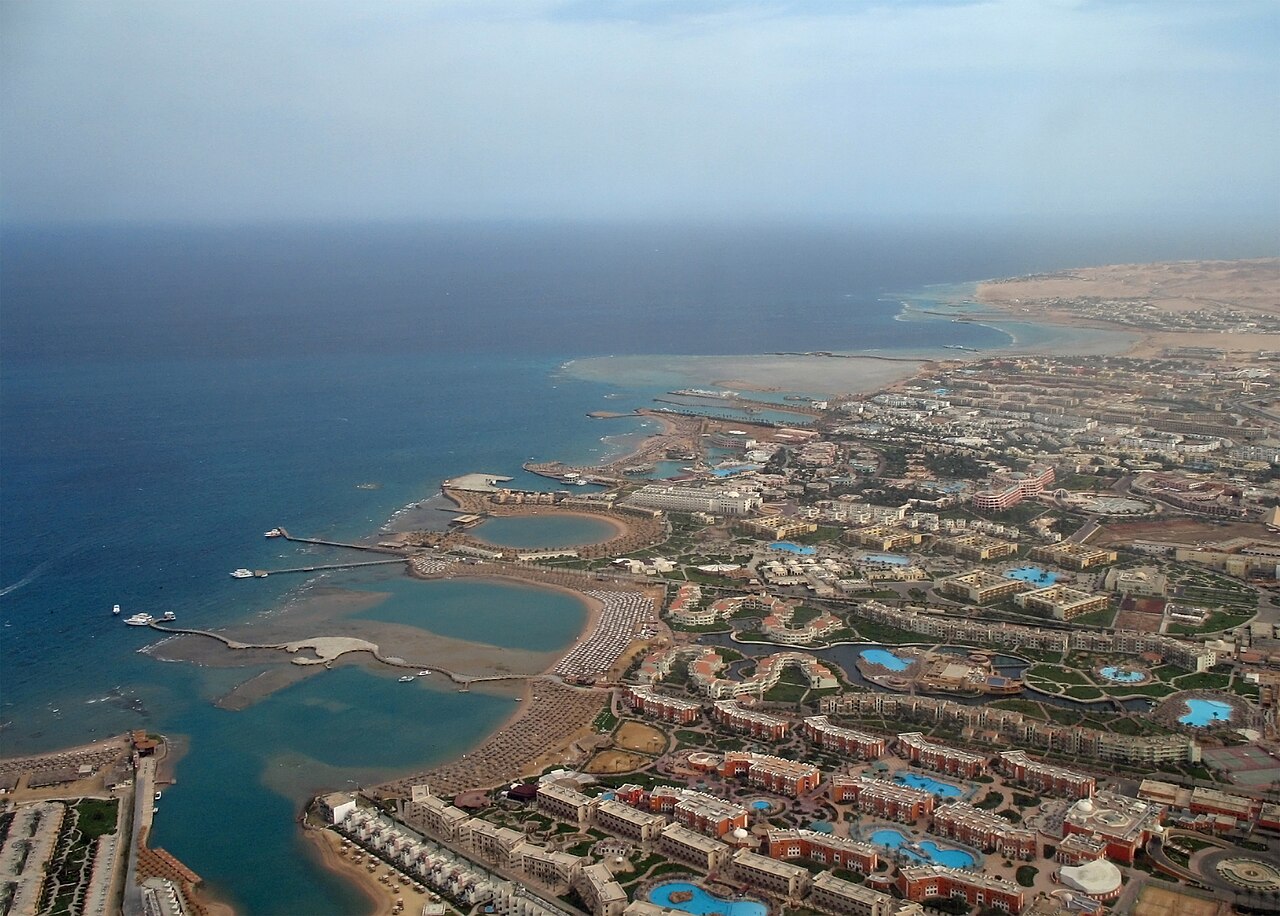
These destinations sell sun, diving, and a hotel bed. Some also sell apartments attached to that story. The buyer who wants a home in Cairo is in the wrong brief.
The African shore, in the Red Sea Governorate, and the Sinai shore are different jurisdictions for a non-Egyptian owner. Ain Sokhna, on the Gulf of Suez, is a third geography: close enough to Cairo for a weekend, and tied to ports and industry as well as resorts.
Holiday users, domestic and foreign, and operators of hotels. Not households who need a weekday job in the capital.
Which governorate, whether Sinai law applies, and whether the unit is a dwelling or a hotel inventory.
Tourism real estate. Occupancy is a visitor fact. Ownership on Sinai is a legal special case.
The economic role is visitors, the staff who serve them, and, at Ain Sokhna and along the Gulf of Suez, industry and port activity related to the canal corridor. Hurghada is the main town of the Red Sea Governorate. It has residents. Its property reputation is still the beach.
El Gouna, north of Hurghada, is a planned resort town: one owner-developer’s urban plan, lagoons, and a managed public realm. The rest of the coast was not built that way.
The stock is hotels, serviced apartments, and holiday villas. A room in a hotel pool is an operating business. An apartment with a promise of a letting programme is only as good as the operator and the season. Much of what is sold here is a tower on the beach.
Building quality, salt, and water matter more than in Cairo. So does the question of what the unit is worth in a weak visitor year. This page will not turn that question into a yield.
Hurghada town, the hotel strip, and El Gouna are three places. Marsa Alam is further south and thinner. Ain Sokhna is not on this sea in the casual sense: it faces the Gulf of Suez and serves Cairo. Sharm El Sheikh and Dahab are across the water, in South Sinai.
A national ‘Red Sea’ label that covers all of them collapses places that do not share a flight, a drive, or a statute.
Airports at Hurghada and Sharm El Sheikh are what make an international holiday market possible. Ain Sokhna is a road market from Cairo as much as a flight market. The Suez Canal itself is north of these beaches. It moves ships. It does not move guests.
Power, desalination, and roads along a thin coastal strip are the local constraint. A resort that has them is operating. A plot that is waiting for them is a drawing.
Demand is nights, not years. Domestic weekends and long foreign holidays peak on different calendars. A building can be full in one month and irrelevant in another. Staff housing is a separate, quieter market in the towns.
A nightly rate and a Cairo annual lease are different contracts, with different costs and different vacancy.
The lifestyle on offer is the sea. Heat, isolation from the big cities, and a town that can feel empty of visitors are the trade. For a resident of Hurghada the calculation is different: schools, a hospital, and a job that is not the season. The property market rarely prices that resident first.
Hotel operation is a licensed business. Owning a flat in a tourist building does not, by itself, confer the right to run a hotel. Investment-law projects exist on these coasts and still need the land right, which on Sinai is the hard part.
On the African shore, Law No. 230 is the general foreign-ownership frame. On Sinai, Decree-Law No. 14 of 2012 is the special frame: restrictions on non-Egyptian land ownership, usufruct, and approvals. Later rules have adjusted how some tourist areas, including parts of South Sinai, are treated. GRIP does not copy the years or the shareholding floors. A seller who says Sinai is ‘the same as Hurghada’ is wrong.
The risks are the visitor cycle, operator quality, distance, and the Sinai legal file. Regional security has emptied these coasts before. A later busy season does not restore the previous one.
What is durable is the coast itself and, separately, the canal as a national asset. One is a place people take holidays. The other is a piece of infrastructure. Keeping them apart is the point of the page.
Across GRIP
The same place, read from another desk.
Also in Egypt
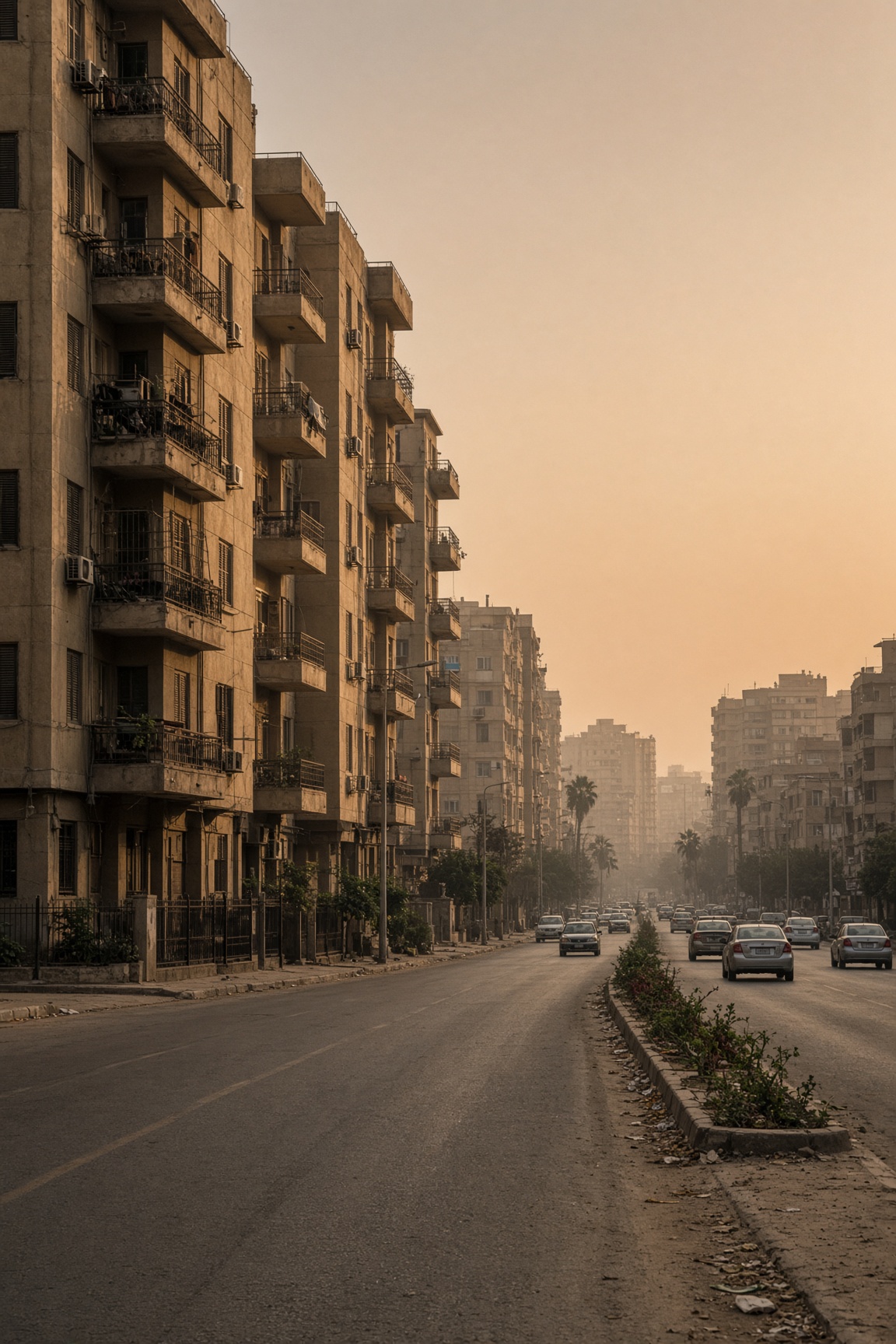
Capital
The jobs and the river. Greater Cairo crosses three governorates and then the desert cities on either side.
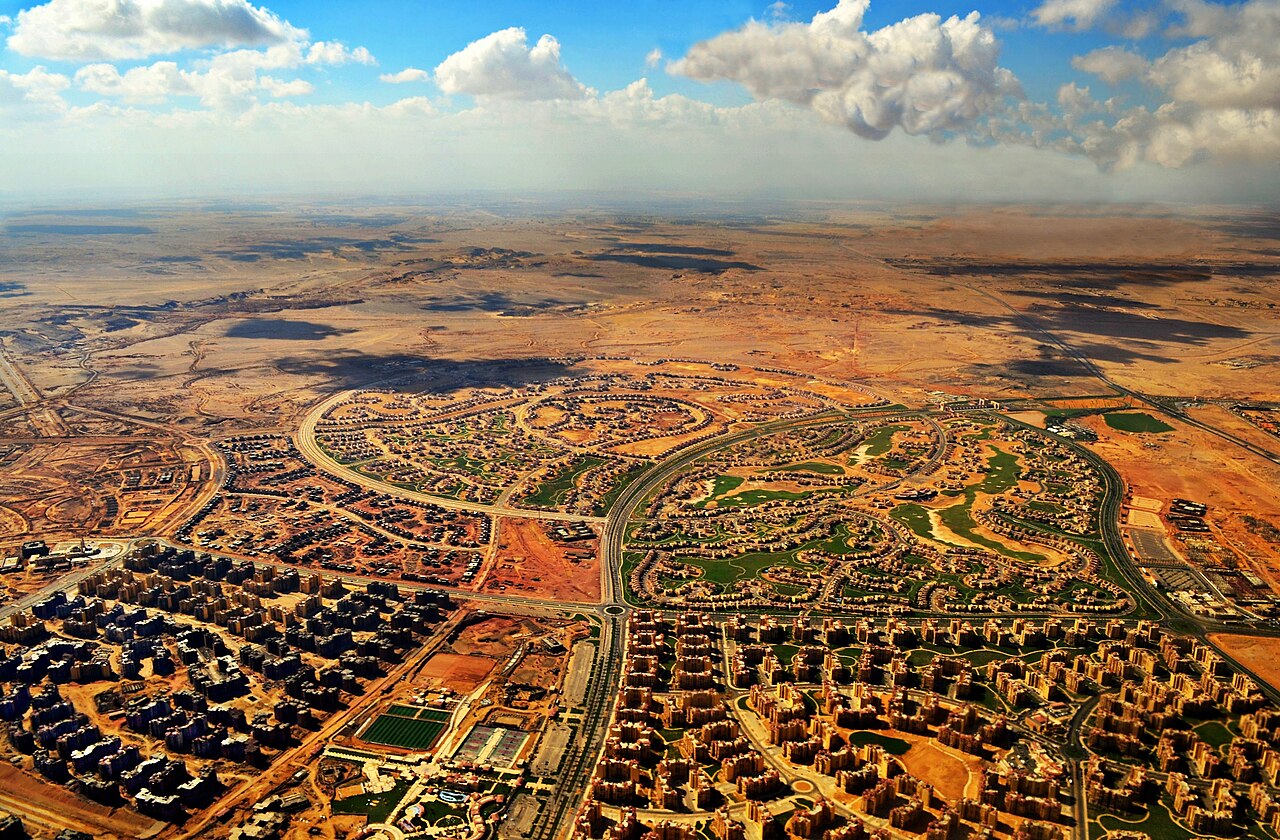
Eastern new city
A desert-edge city of compounds and campuses, east of Downtown and west of the administrative capital.
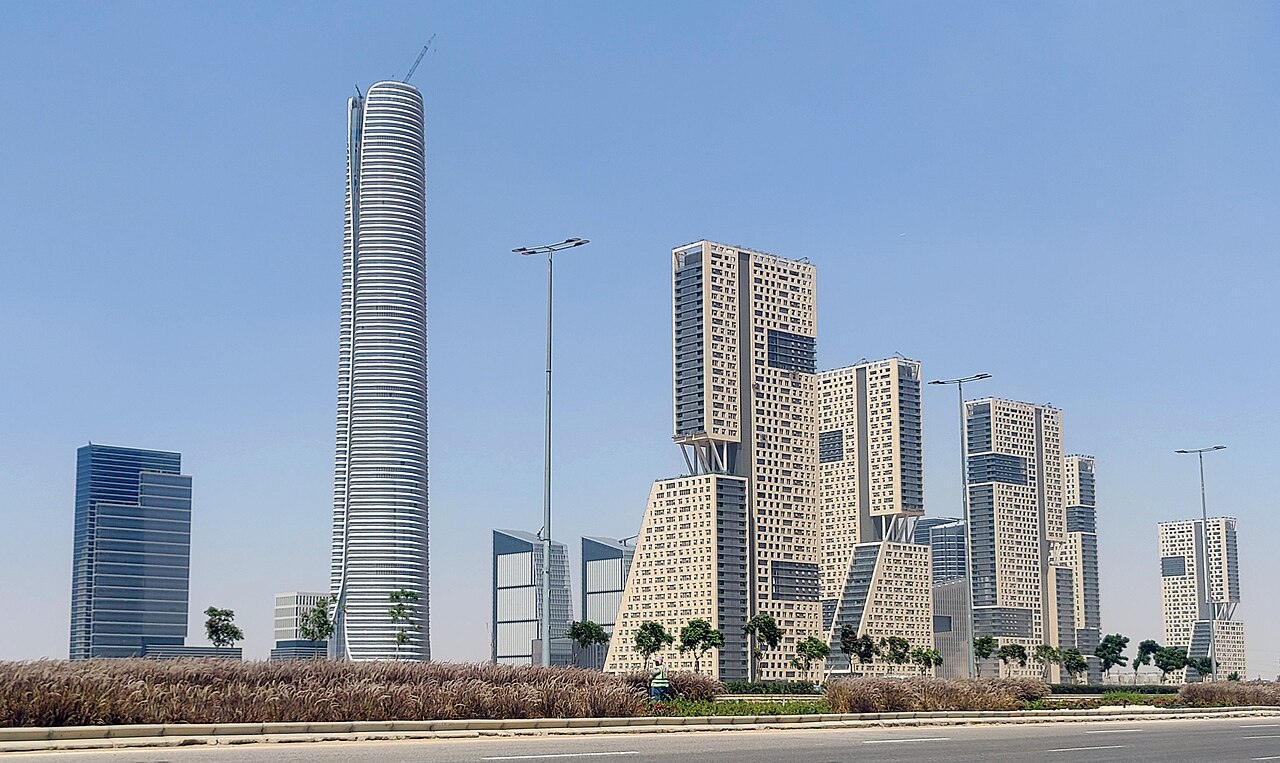
State project
A new seat of government, still becoming a city. Occupancy is the fact that matters, and it has to be seen.
Mediterranean port
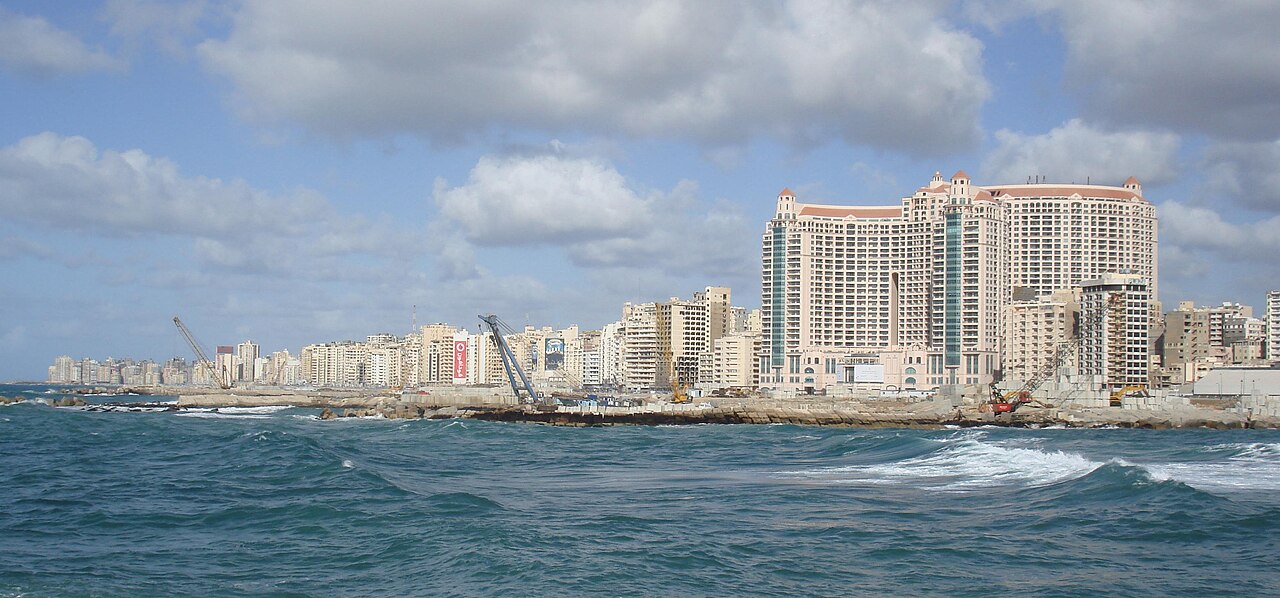
Egypt’s second city: a harbour, a university, and a Mediterranean coast with its own residents.
Continue with GRIP
If this city belongs on the list, write to GRIP, or return to the country brief.